Tug'ilgan
October 13, 1887
Bytča, Slovakia
Vafot etgan
April 18, 1947
Bratislava, Slovakia
Mashhur bo'lgan
Slovak politician, priest and president of the Slovak Republic from 1939 to 1945
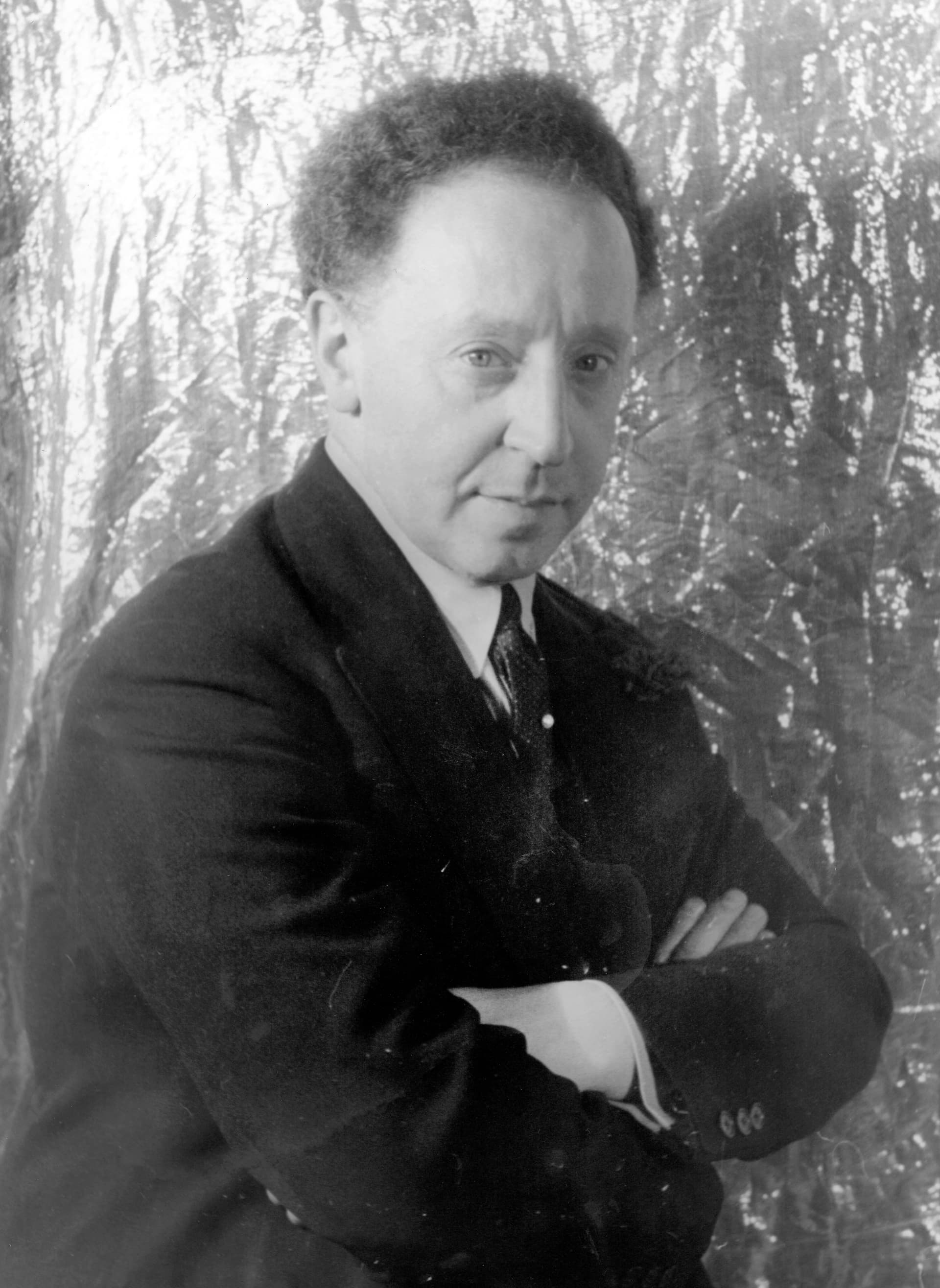
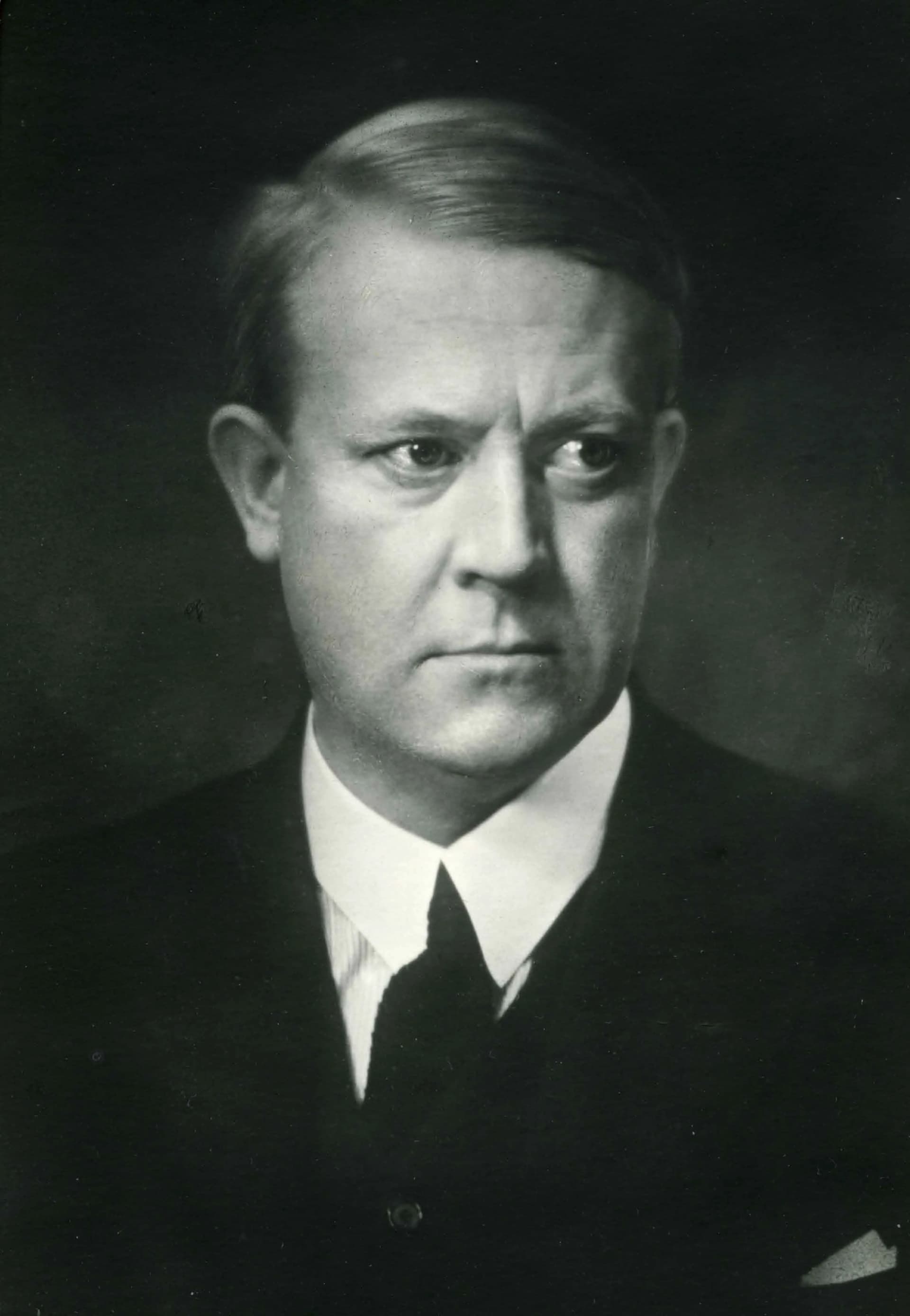
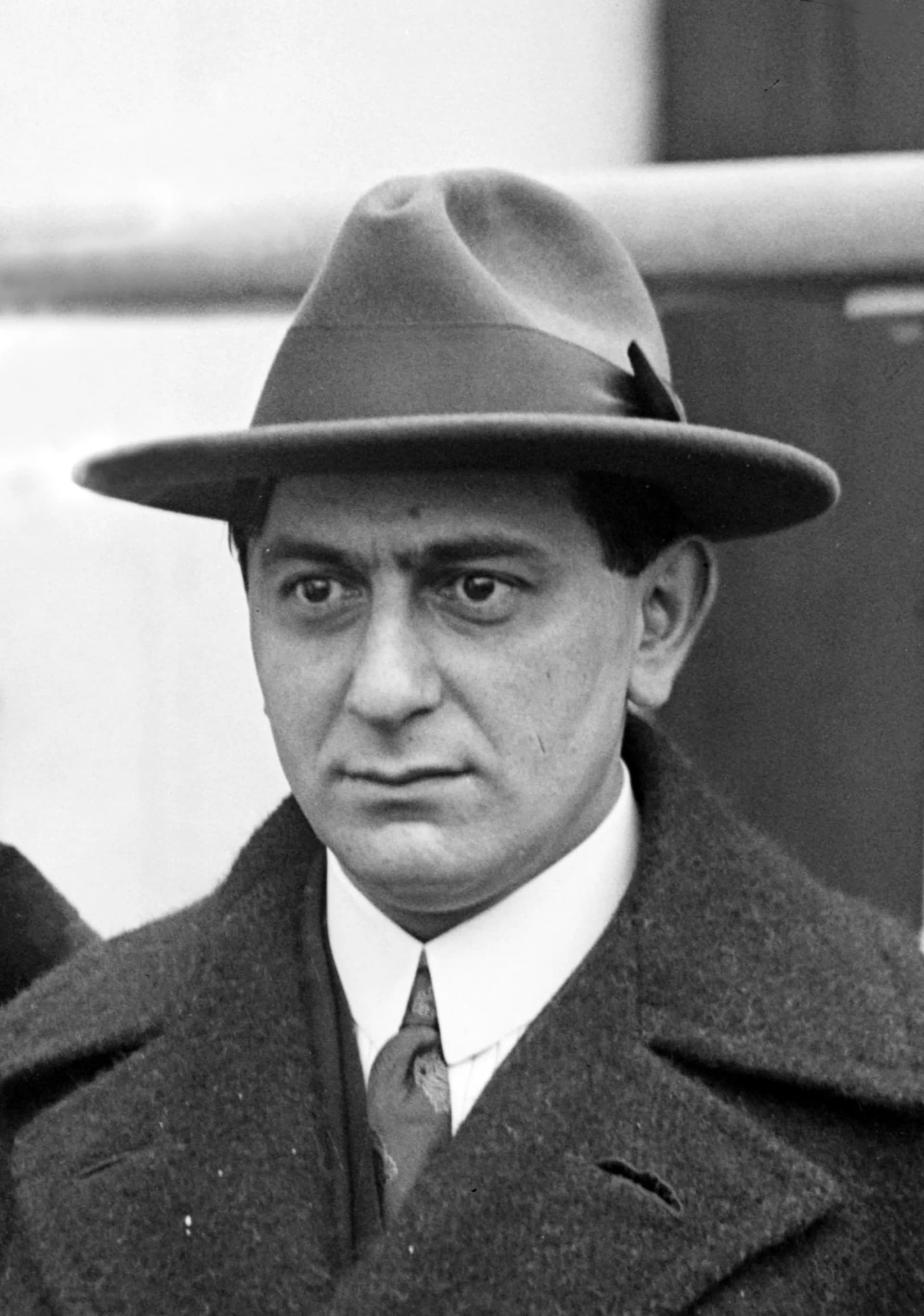
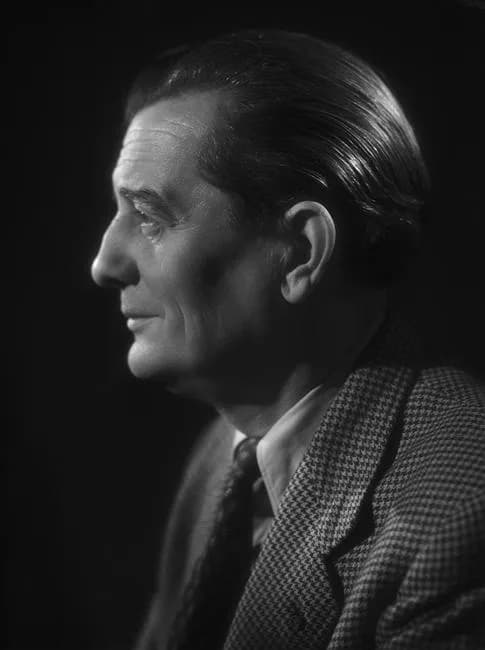
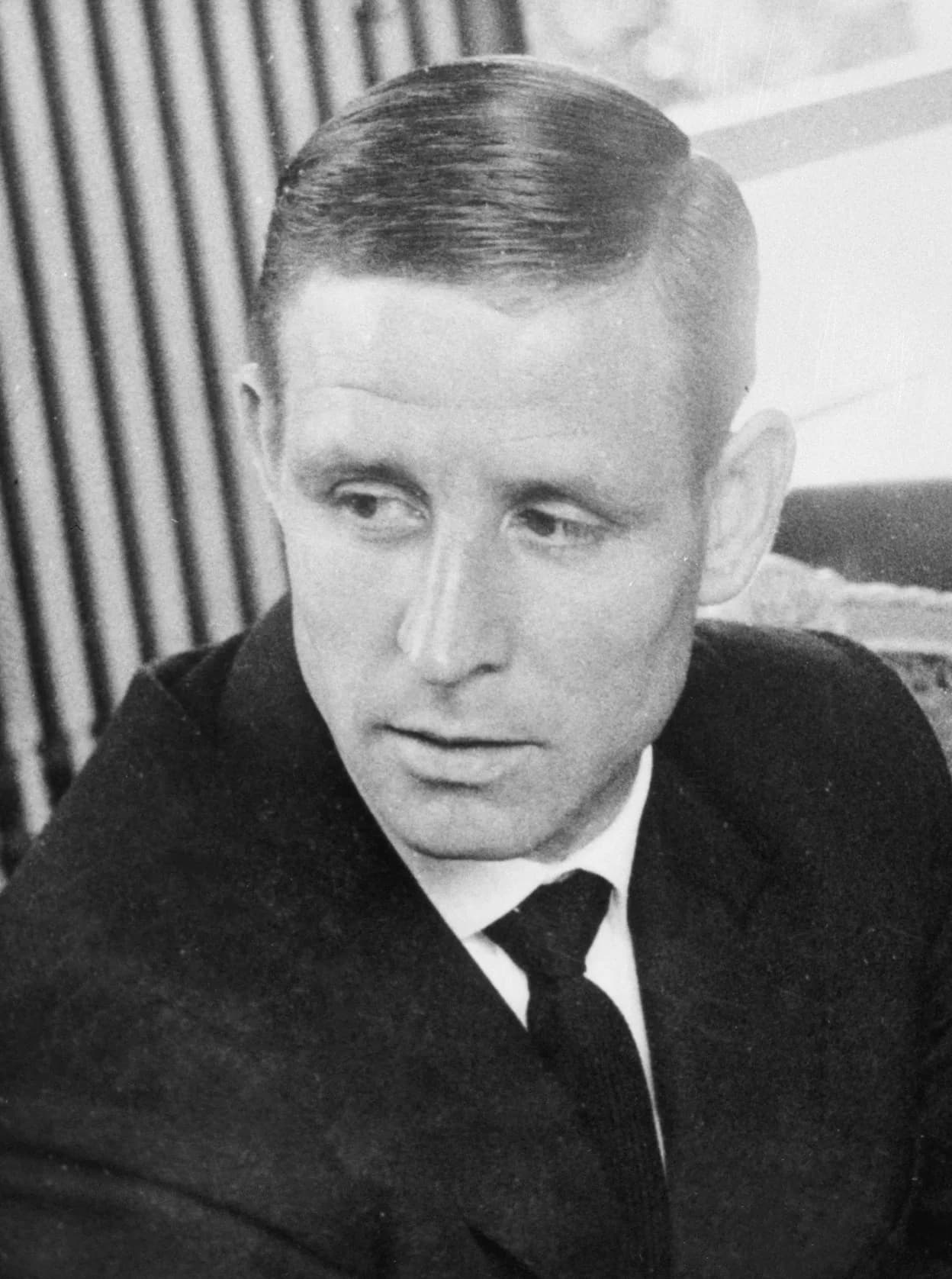
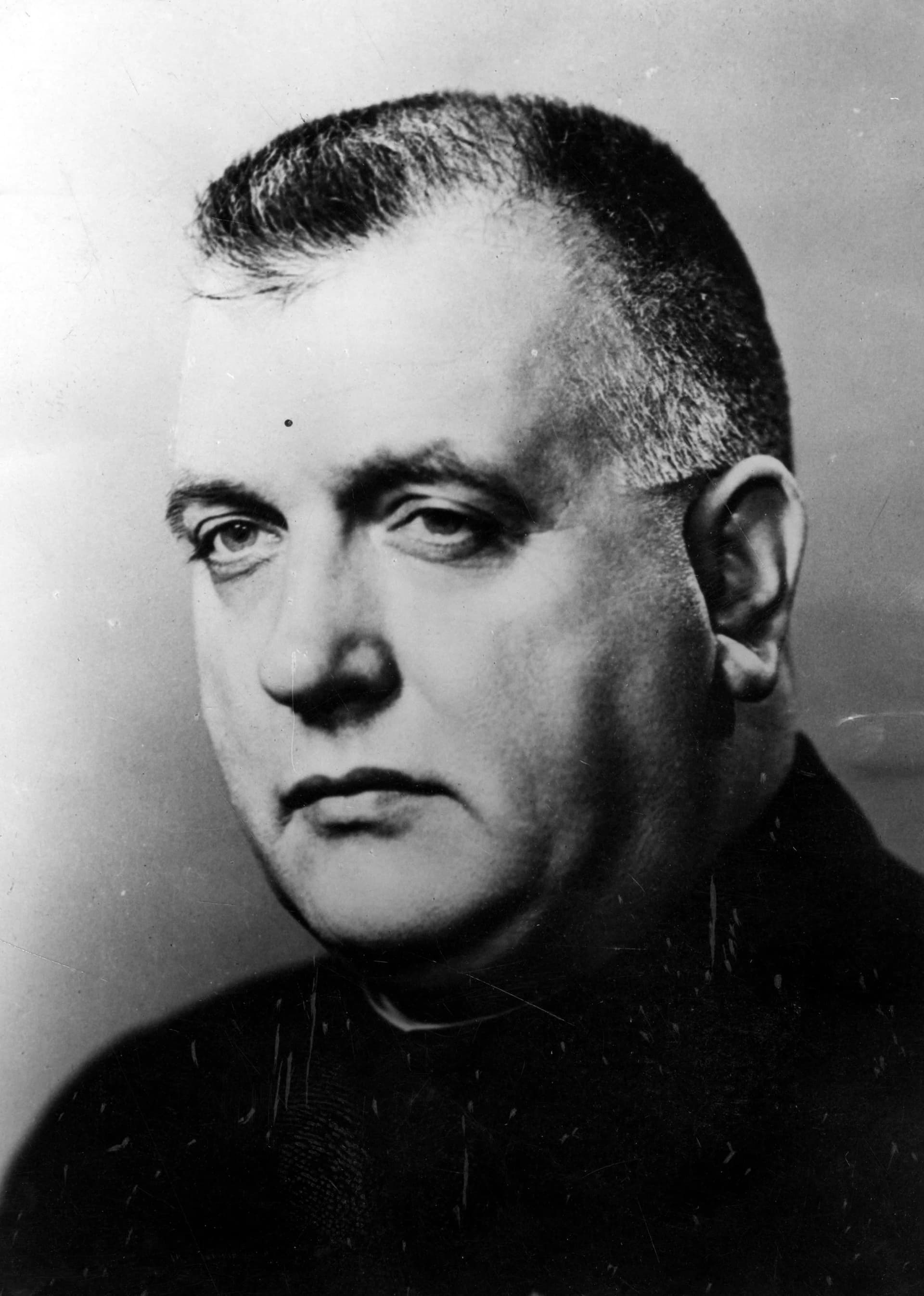
Jozef Tiso (1887–1947) was Slovakia best known for Slovak politician, priest and president of the Slovak Republic from 1939 to 1945.
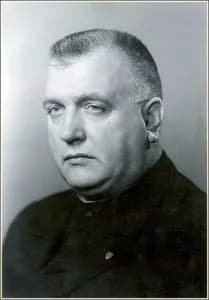
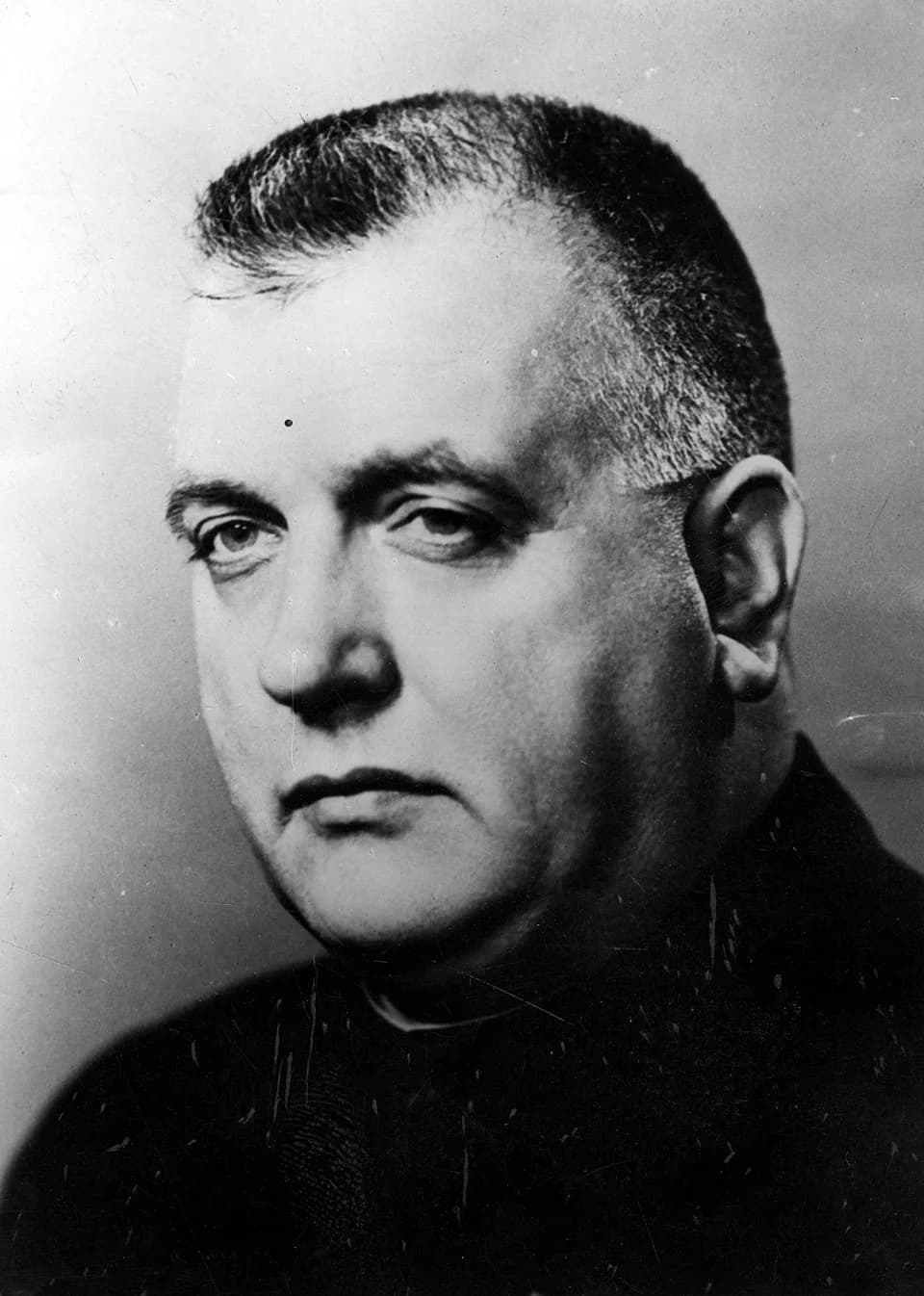
Jozef Gašpar Tiso (October 13, 1887 – April 18, 1947) was a Slovak politician, dictator, and Catholic priest. He served as president of the First Slovak Republic from 1939 to 1945, a client state of Nazi Germany. His leadership culminated in his conviction for treason and execution.
Hayot lahzalarda
Hayotni shakllantirgan lahzalar
Bob
Hayot bo'limlari
Bob 1 · 1887· 7 bobdan 1-bobi
Early Life and Origins
Born on October 13, 1887, in Bytča, Slovakia, Jozef Tiso's early years were rooted in a region undergoing notable political and social change. His upbringing instilled in him a strong sense of Slovak identity. He pursued a religious education, training to become a Catholic priest, a calling that would define much of his public and personal life.
His education equipped him with intellectual rigor and provided a platform within his community. These formative experiences in Bytča laid the groundwork for his later involvement in national affairs. The path he chose as a priest provided him with credibility and influence that would prove instrumental in his ascent to political leadership.
Bob 2· 7 bobdan 2-bobi
Career Beginnings
Jozef Tiso began his professional life as a teacher, imparting knowledge to younger generations while simultaneously fulfilling his priestly duties. His roles as a Catholic priest and teacher naturally brought him into contact with various segments of society, allowing him to understand and engage with public sentiment. These early experiences provided a foundation for his eventual transition into politics.
His entry into the political arena marked a significant shift from his initial professions. As a politician, he quickly rose through the ranks, demonstrating an aptitude for leadership and public discourse. This period saw him developing the skills and network that would ultimately propel him to the highest office in Slovakia.
Bob 3 · 1939· 7 bobdan 3-bobi
Major Achievements and Career Highlights
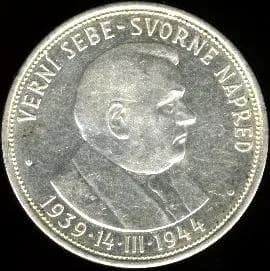
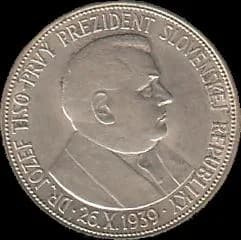
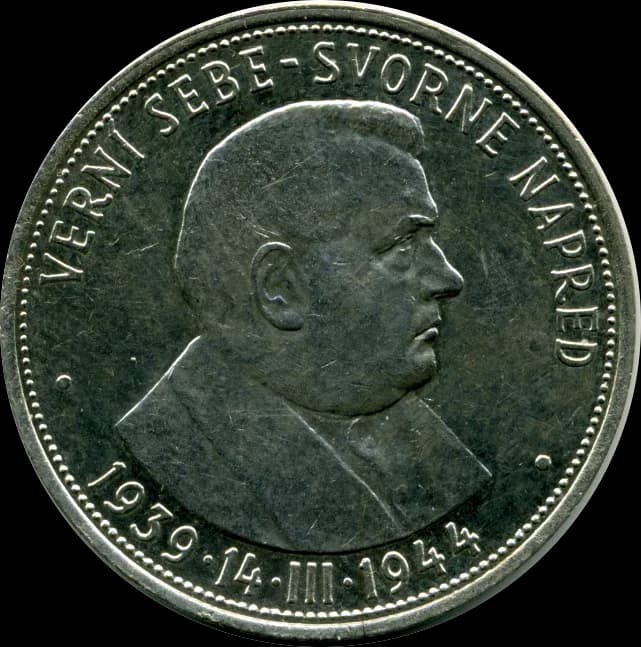
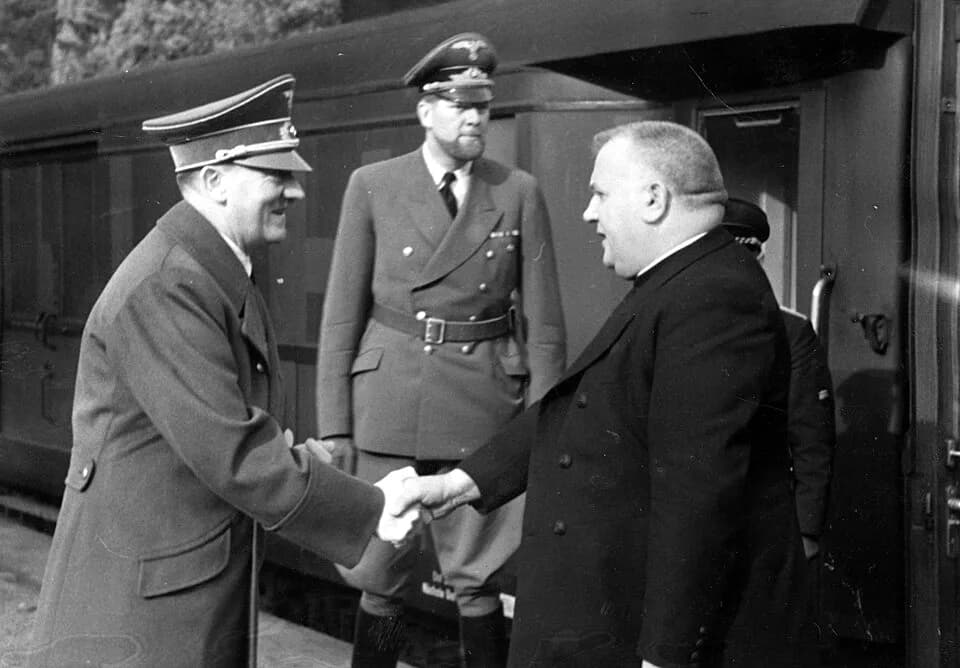
A defining period in Jozef Tiso's career was his leadership of the First Slovak Republic. He served as its president from 1939 to 1945, a critical time during World War II. Under his presidency, Slovakia operated as a client state of Nazi Germany, a complex and controversial aspect of his political tenure.
His administration navigated the turbulent geopolitical currents of wartime Europe. He played a central role in establishing and governing the independent Slovak state, albeit one closely aligned with Germany. This period represents the pinnacle of his political influence and the ultimate manifestation of his nationalist ideals, though under deeply compromised circumstances.
Bob 4· 7 bobdan 4-bobi
Personal Life
While Jozef Tiso's public life as a priest and politician is well-documented, specific details regarding his personal life, family, or relationships are not extensively outlined in historical records. As a Catholic priest, he maintained a vow of celibacy. His dedication appears to have been primarily to his religious calling and his political endeavors on behalf of the Slovak nation.
His interests outside of his defined professions, such as a military officer, essayist, and diarist, suggest a breadth of engagement. However, detailed accounts of these aspects of his life remain less prominent. His professional roles largely overshadowed any private pursuits, focusing historical attention on his public contributions and decisions.
Bob 5· 7 bobdan 5-bobi
Notable Works or Contributions
Jozef Tiso's intellectual contributions extended beyond his political speeches, encompassing several written works that illuminated his thoughts and ideology. These works provide insight into his perspectives on Slovak nationalism and governance. Among these are "Dr. Jozef Tiso o sebe" and "Ideologia slovenskej ľudovej strany," which articulate his personal and political philosophies.
He also contributed to "Dr.Jozef Tiso, dr. Ferdinand Ďurčanský a Alexander Mach pred súdom národa. Diel I," a work presumably related to his trial and defense. Other notable publications include "Zamlčaná pravda o Slovensku" and a collection of his public addresses titled "Prejavy a články." These writings serve as primary sources for understanding his political and intellectual journey.
Bob 6 · 1947· 7 bobdan 6-bobi
Later Years
After the conclusion of World War II, Jozef Tiso's political career came to an abrupt end with the defeat of Nazi Germany. He faced legal proceedings for his wartime leadership. In 1947, he was convicted of treason for his actions during the conflict.
The conviction led to his execution in Bratislava, Slovakia, on April 18, 1947. This final chapter of his life closed a complex period in Slovak history, marking the end of the First Slovak Republic and the beginning of a new political order. His death in Bratislava signified a definitive conclusion to his controversial public career.
Bob 7· 7 bobdan 7-bobi
Legacy and Impact
Jozef Tiso's legacy remains a subject of considerable historical debate and scrutiny in Slovakia and beyond. His role as president of a Nazi Germany client state during World War II positioned him at the center of profound moral and political dilemmas. His leadership is inextricably linked to the wartime experiences of the Slovak nation.
His influence on Slovak nationalism and the establishment of an independent, albeit authoritarian, state left a lasting mark on the country's identity. The events surrounding his trial and execution highlight the enduring challenges of confronting wartime collaboration and national sovereignty. He continues to be a figure who prompts discussions about responsibility, leadership, and national destiny during times of extreme pressure.
FAQ
Tez-tez beriladigan savollar
Jozef Tiso qachon vafot etdi?
Jozef Tiso 18-aprel, 1947 sanasida Bratislava, Slovakiada, 59 yoshida vafot etdi.
Jozef Tiso qayerda tug'ilgan?
Jozef Tiso Bytča, Slovakiada 13-oktabr, 1887 sanasida tug'ilgan.
Jozef Tiso ko'proq nima bilan mashhur?
Jozef Tiso ko'proq Slovak politician, priest and president of the Slovak Republic from 1939 to 1945 bilan mashhur.
Jozef Tiso vafot etganda necha yoshda edi?
Jozef Tiso vafot etganda 59 yoshda edi.
Jozef Tiso qaysi millat vakili edi?
Jozef Tiso Slovakiadan edi.
Xronologiya
Hayotga bir nazar
Foto galereya
Rasmlardagi hayot
Kattalashtirish uchun istalgan suratni bosing · 25 ta rasm
QR kod
Ushbu tarjimai holni ulashish
Chop etish va ulashish
Ushbu tarjimai hol sahifasiga tashrif buyurish uchun skanerlang. Tadbirlar, ko'rgazmalar yoki ta'lim materiallari uchun chop eting.