Tug'ilgan
July 6, 1887
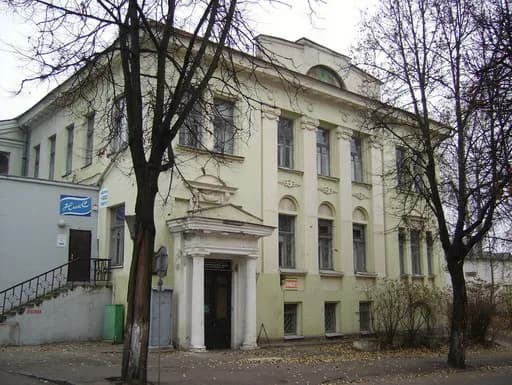
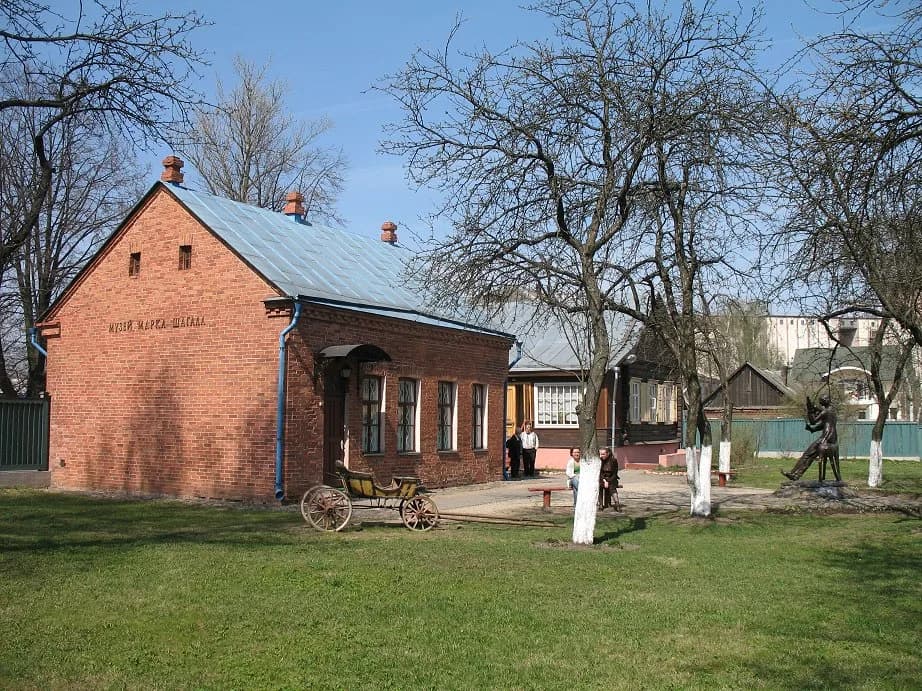
Vitebsk, Belarus
Vafot etgan
March 28, 1985
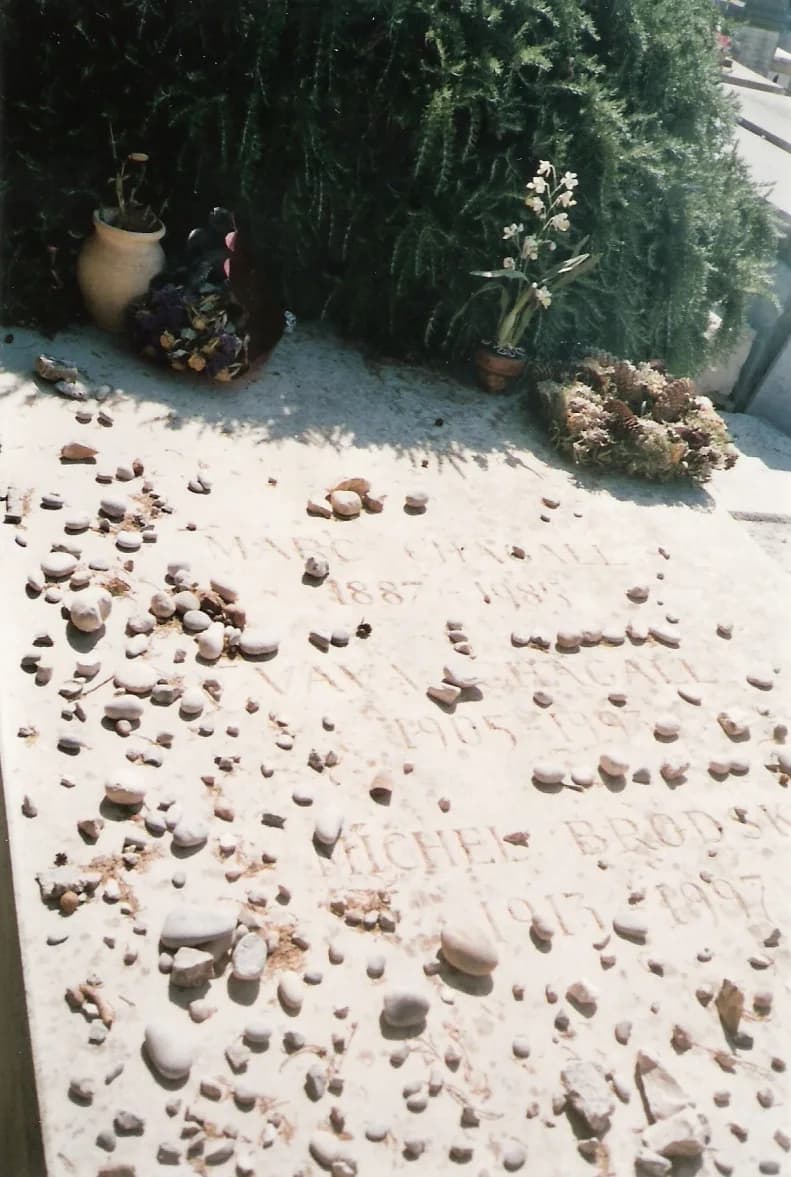
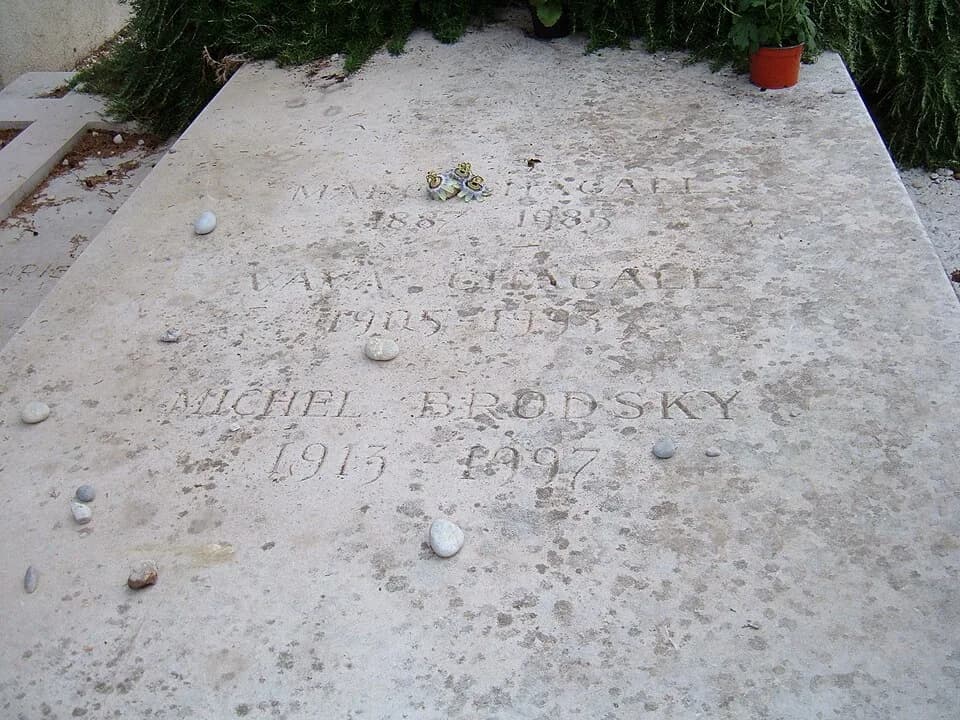
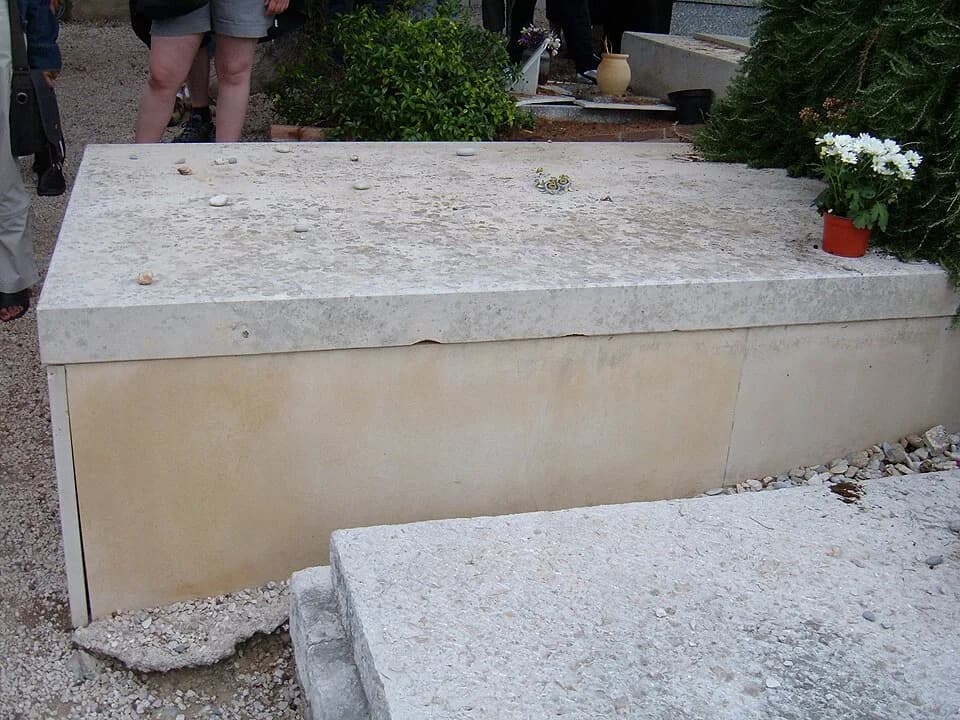
Saint-Paul-de-Vence, France
Mashhur bo'lgan
Belarusian-French artist
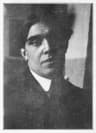
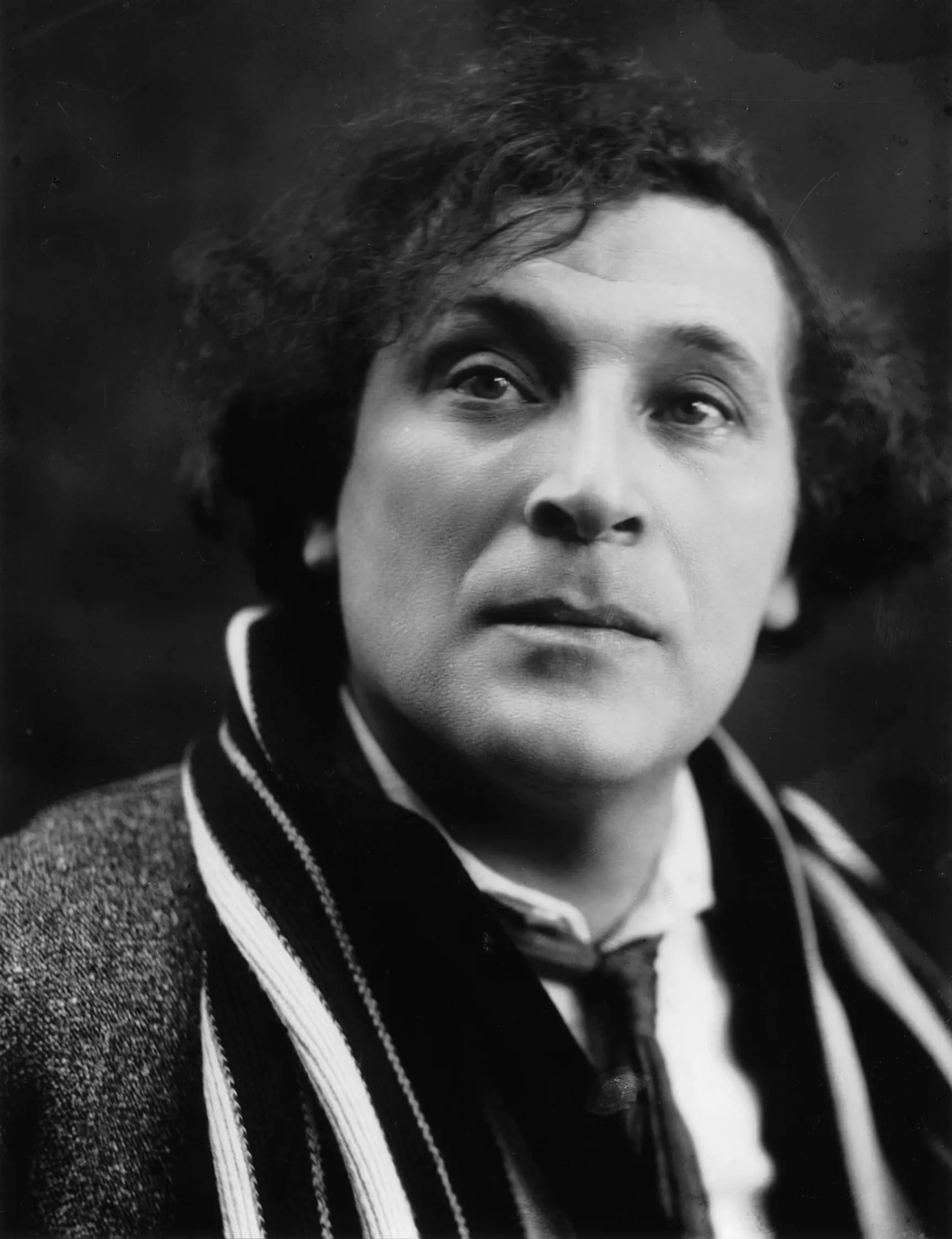
Marc Chagall (1887–1985) was Belarus best known for Belarusian-French artist.
Marc Chagall (July 6, 1887 – March 28, 1985) was a Belarusian-French artist known for his vibrant, dreamlike art. He was an early modernist associated with the École de Paris, creating works in diverse formats including painting, stained glass, and illustrations. His art often blended his Jewish ancestry with Russian folklore, leaving a lasting influence on modern art.
Bob
Hayot bo'limlari
Bob 1 · 1887· 7 bobdan 1-bobi
Early Life and Origins
Marc Chagall was born on July 6, 1887, in Vitebsk, Belarus, into a large Jewish family. His early life in the vibrant, close-knit Jewish community of Vitebsk profoundly shaped his artistic imagination. The scenes, traditions, and people of his hometown would reappear as recurring motifs throughout his long and distinguished career.
His upbringing in Belarus provided a rich wellspring of imagery, from fiddlers on roofs to flying lovers and symbolic animals. This deeply personal and culturally specific background became a universal language in his art, resonating with audiences worldwide. His early experiences fostered a distinctive visual lexicon that transcended mere representation.
Bob 2 · 1910· 7 bobdan 2-bobi
Career Beginnings
Chagall emerged as an early modernist, moving to Paris in 1910 and soon associating with the École de Paris. This period in the vibrant artistic capital of Europe allowed him to explore new styles and develop his distinctive voice. He rapidly absorbed the innovations of his contemporaries while maintaining a unique connection to his roots.
His early works demonstrated an immediate command of various artistic formats, laying the groundwork for his extensive career. He began as a painter and draftsperson, quickly expanding his professional scope. This foundational period saw the germination of many themes and stylistic elements that would define his later achievements.
Bob 3· 7 bobdan 3-bobi
Major Achievements and Career Highlights
Throughout his life, Chagall demonstrated an extraordinary versatility, mastering an impressive array of artistic professions. He excelled as a poet, engraver, illustrator, painter, sculptor, and graphic artist. His creative output also included roles as a scenographer, designer, ceramicist, printmaker, architectural draftsperson, draftsperson, watercolorist, and lithographer.
His association with the École de Paris cemented his status among the foremost artists of the 20th century. Chagall was not confined to a single medium; he fluently transitioned between oil on canvas, stained glass, and stage sets, leaving his mark on each. This breadth of skill allowed him to convey his vision through diverse physical forms.
Chagall's work often incorporated elements from Cubism, Symbolism, and Fauvism, yet he always retained his singular poetic style. He skillfully wove personal narratives, religious symbolism, and Russian folklore into his compositions. This blend of tradition and modernity made his work instantly recognizable and enduringly popular.
Bob 4· 7 bobdan 4-bobi
Personal Life
While specific details about Marc Chagall's personal family life are not extensively provided in the given information, his art itself offers glimpses into his profound connections. His Jewish ancestry and experiences as a Russian and later French artist were central to his identity and consistently infused his creative output. These deep personal roots were inextricably linked to his artistic expression.
Bob 5 · 1911· 7 bobdan 5-bobi
Notable Works or Contributions
Chagall's prolific output includes numerous iconic artworks that continue to engage audiences worldwide. Early significant paintings include "Bride with Fan" (1911) and "The Lovers" (1913–14), both housed at the Met Museum. These works introduced his distinctive figures and dreamlike compositions. "Birth" (1911/12) further exemplifies his early thematic explorations, found at the Art Institute of Chicago.
Later, he created powerful pieces like "The Marketplace, Vitebsk" (1917) and "Cow with a Parasol" (1946), also part of the Met Museum's collection. His "White Crucifixion" (1938) at the Art Institute of Chicago stands as a poignant commentary on human suffering and Jewish identity. The contemplative "The Praying Jew" (1923), after a 1914 composition, is another significant work at the Art Institute.
Chagall extended his genius beyond traditional canvas, creating major public works such as the monumental "America Windows" (1977) and "The Four Seasons" (1974), both at the Art Institute of Chicago. His versatility is further seen in pieces like "Palette" (1974) and "Angel Over a Table with Flowers" (1930/60), demonstrating his sustained creative vigor across decades. He also contributed illustrations to books, exemplified by "Plate Three, from The Arabian Nights" (1948).
Bob 6 · 1974· 7 bobdan 6-bobi
Later Years
Marc Chagall's artistic energy remained undiminished in his later years, as evidenced by major works created late in his life. He continued to produce significant pieces like "Palette" in 1974, "The Four Seasons" in 1974, and "America Windows" in 1977. His final years were spent in Saint-Paul-de-Vence, France, where he passed away on March 28, 1985, at the age of 97.
Bob 7· 7 bobdan 7-bobi
Legacy and Impact
Marc Chagall left an enduring legacy as an artist who seamlessly merged personal history with universal themes. His unique style, characterized by vibrant colors, floating figures, and dreamlike imagery, broke new ground in modern art. Chagall's lasting influence continues to resonate through his vast body of work, inspiring generations of artists and art enthusiasts with his lyrical vision and emotional depth.
Hayot lahzalarda
Hayotni shakllantirgan lahzalar
FAQ
Tez-tez beriladigan savollar
Marc Chagall qachon vafot etdi?
Marc Chagall 28-mart, 1985 sanasida Saint-Paul-de-Vence, Franceda, 97 yoshida vafot etdi.
Marc Chagall qayerda tug'ilgan?
Marc Chagall Vitebsk, Belarusda 6-iyul, 1887 sanasida tug'ilgan.
Marc Chagall ko'proq nima bilan mashhur?
Marc Chagall ko'proq Belarusian-French artist bilan mashhur.
Marc Chagall vafot etganda necha yoshda edi?
Marc Chagall vafot etganda 97 yoshda edi.
Marc Chagall qaysi millat vakili edi?
Marc Chagall Belarusdan edi.
Xronologiya
Hayotga bir nazar
Foto galereya
Rasmlardagi hayot
Kattalashtirish uchun istalgan suratni bosing · 46 ta rasm
QR kod
Ushbu tarjimai holni ulashish
Chop etish va ulashish
Ushbu tarjimai hol sahifasiga tashrif buyurish uchun skanerlang. Tadbirlar, ko'rgazmalar yoki ta'lim materiallari uchun chop eting.