Tug'ilgan
November 8, 1884
Zurich, Switzerland
Vafot etgan
April 2, 1922
Herisau, Switzerland
Mashhur bo'lgan
Swiss Freudian psychiatrist and psychoanalyst
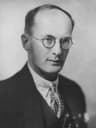
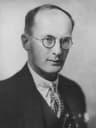
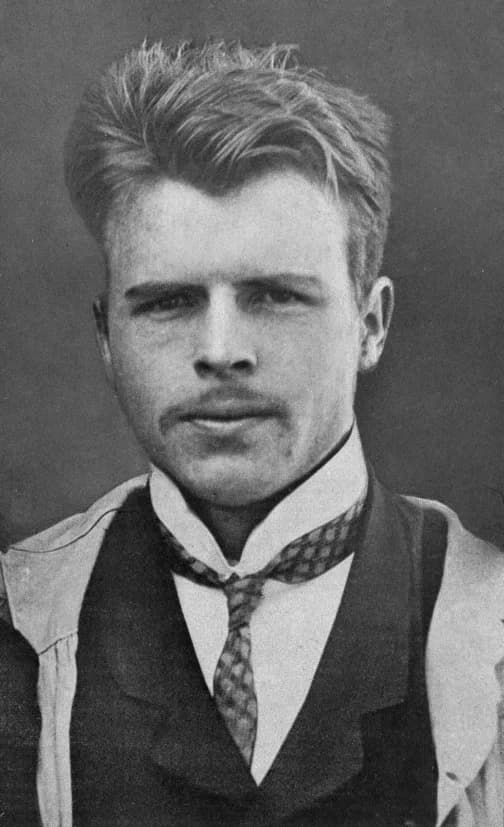
Hermann Rorschach (1884–1922) was Switzerland best known for Swiss Freudian psychiatrist and psychoanalyst.
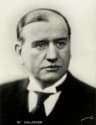
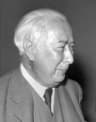
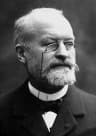
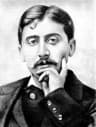
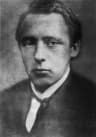
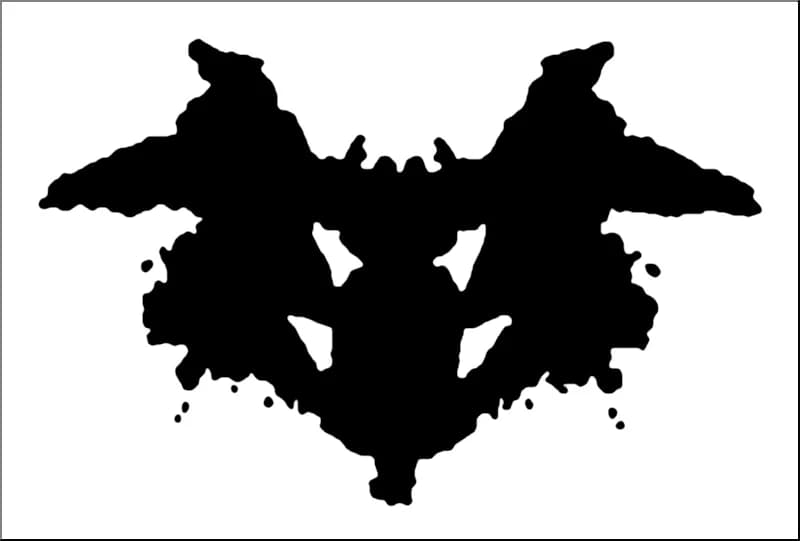
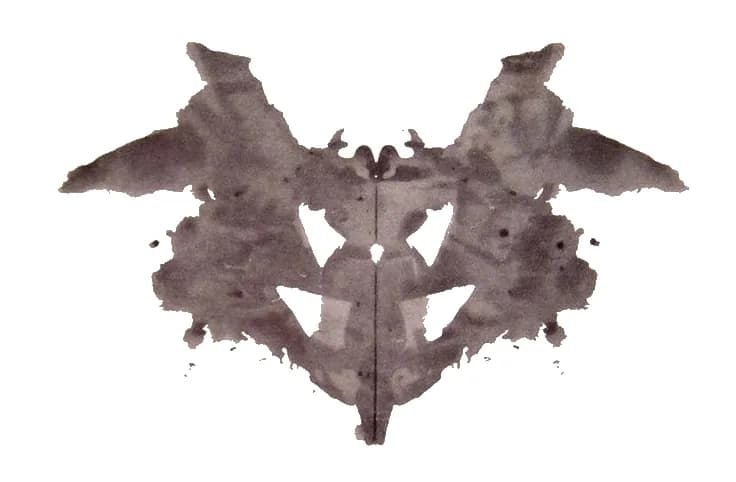
Hermann Rorschach (November 8, 1884 – April 2, 1922) was a Swiss Freudian psychiatrist and psychoanalyst from Zurich, Switzerland. He is renowned for developing the Rorschach test, an experimental set of inkblots used to measure unconscious aspects of personality. His method continues to be used for identifying psychological disorders.
Bob
Hayot bo'limlari
Bob 1· 6 bobdan 1-bobi
Early Life and Origins
Born in Zurich, Switzerland, Hermann Rorschach's early life laid the foundation for his future scientific endeavors. His formative years were marked by a notable education in art, a discipline that would prove unexpectedly instrumental in his later psychiatric innovations. This exposure to visual interpretation and creative expression gave him a unique lens through which to approach psychological study.
His artistic background nurtured an ability to perceive and interpret forms, a skill that directly informed his experimental approach to understanding unconscious processes. Growing up in a culturally rich environment like Zurich likely contributed to his intellectual curiosity and broad interests. These early influences shaped the inventive spirit he later demonstrated in his professional career.
Bob 2· 6 bobdan 2-bobi
Career Beginnings
Hermann Rorschach embarked on a career dedicated to the human psyche, ultimately becoming a qualified psychiatrist and psychoanalyst. He immersed himself in the principles of Freudian thought, which provided the theoretical framework for much of his subsequent work. His early professional experiences involved the direct observation and treatment of patients, deepening his practical understanding of mental health challenges.
During this period, Rorschach began to synthesize his clinical observations with his theoretical knowledge. He explored various methods for accessing and understanding the hidden dimensions of personality. His dedication to developing objective assessment tools started to take shape, setting the stage for his most famous contribution.
Bob 3· 6 bobdan 3-bobi
Major Achievements and Career Highlights
The most significant milestone in Hermann Rorschach's career was the conceptualization and development of his unique set of inkblots. These inkblots were not random but carefully designed to be used experimentally. The core objective was to measure various unconscious parts of a subject's personality.
His method offered a novel way to approach psychological diagnosis and understanding. It quickly gained recognition within the psychiatric community as a sophisticated tool for probing the deeper layers of the mind. The test became known simply as the Rorschach test, a testament to his singular achievement.
Bob 4· 6 bobdan 4-bobi
Notable Works or Contributions
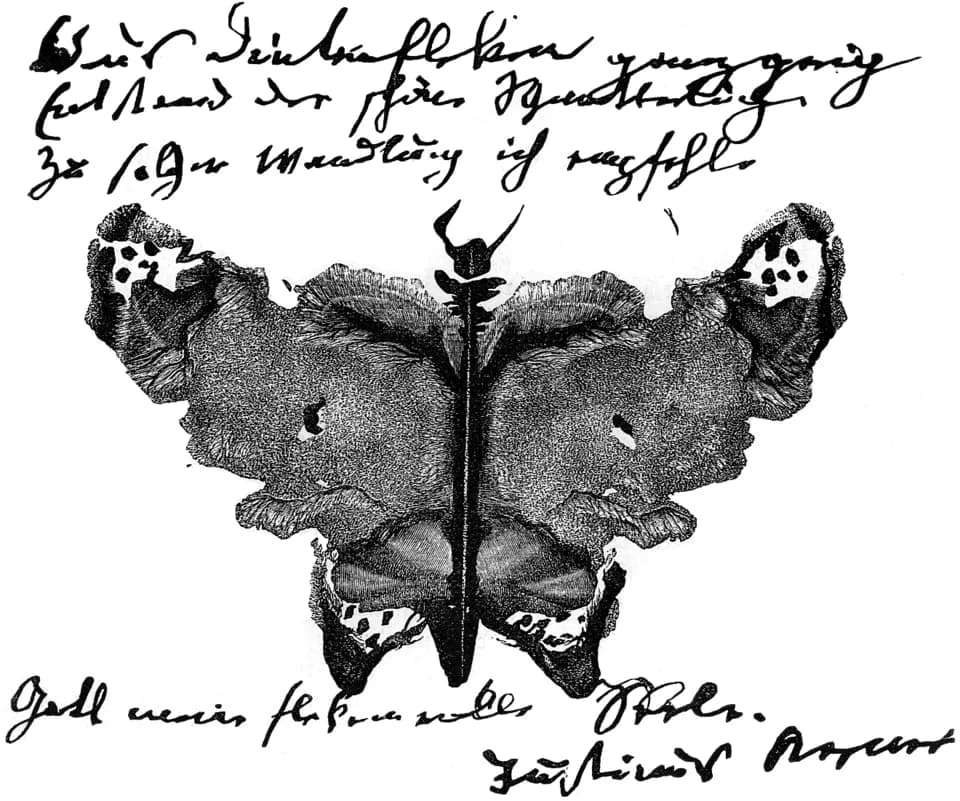
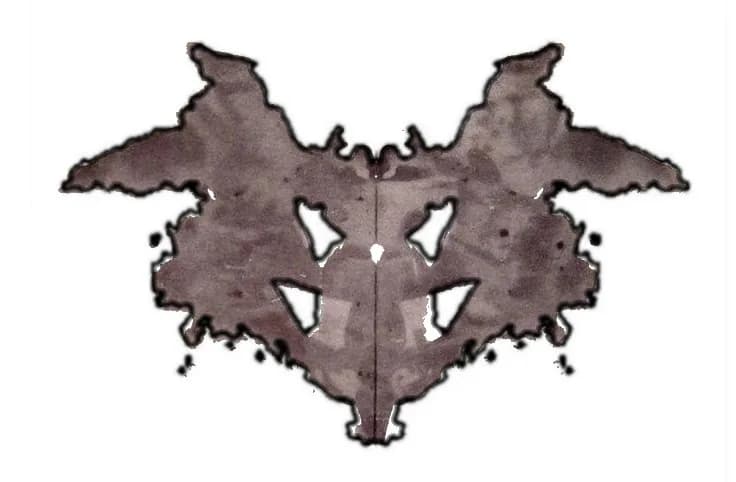
Hermann Rorschach’s singular and most influential contribution was the Rorschach test itself. This projective personality assessment consists of a series of ten standardized inkblot images. When presented to a subject, their interpretations of these ambiguous forms are recorded and analyzed according to a complex scoring system.
The test was developed to help identify a range of psychological conditions, including personality, psychotic, and neurological disorders. Its design allowed for the exploration of an individual's unique perceptual and associative processes, believed to reveal underlying psychological structures. Iterations of this method have continued to be used over the years, solidifying its place in psychological history.
Bob 5· 6 bobdan 5-bobi
Later Years
In his final years, Hermann Rorschach remained deeply committed to his pioneering work. He continued to refine the inkblot test, tirelessly working to enhance its precision and diagnostic utility. His focus was on perfecting the methodology and interpretive framework to ensure its effectiveness in clinical practice.
Tragically, his dedication was cut short by his premature death on April 2, 1922. He passed away in Herisau, Switzerland, at the remarkably young age of 37. His untimely demise meant that he could not see the full impact and evolution of his revolutionary diagnostic tool.
Bob 6· 6 bobdan 6-bobi
Legacy and Impact
Hermann Rorschach's enduring legacy is intrinsically linked to the diagnostic tool he created. The Rorschach test transformed aspects of psychological assessment, offering a unique window into the human psyche that was previously unavailable. Its introduction provided clinicians with a powerful, albeit complex, instrument for understanding personality and psychopathology.
Despite debates and evolving methodologies, the Rorschach test has maintained its relevance and continues to be studied and applied in various forms. His innovative approach demonstrated the potential of projective techniques in psychology, leaving an indelible mark on the field. Rorschach's work cemented his place as a visionary figure whose ideas continue to resonate in modern psychology.
Hayot lahzalarda
Hayotni shakllantirgan lahzalar
FAQ
Tez-tez beriladigan savollar
Hermann Rorschach qachon vafot etdi?
Hermann Rorschach 2-aprel, 1922 sanasida Herisau, Switzerlandda, 37 yoshida vafot etdi.
Hermann Rorschach qayerda tug'ilgan?
Hermann Rorschach Zurich, Switzerlandda 8-noyabr, 1884 sanasida tug'ilgan.
Hermann Rorschach ko'proq nima bilan mashhur?
Hermann Rorschach ko'proq Swiss Freudian psychiatrist and psychoanalyst bilan mashhur.
Hermann Rorschach vafot etganda necha yoshda edi?
Hermann Rorschach vafot etganda 37 yoshda edi.
Hermann Rorschach qaysi millat vakili edi?
Hermann Rorschach Switzerlanddan edi.
Foto galereya
Rasmlardagi hayot
Kattalashtirish uchun istalgan suratni bosing · 24 ta rasm
QR kod
Ushbu tarjimai holni ulashish
Chop etish va ulashish
Ushbu tarjimai hol sahifasiga tashrif buyurish uchun skanerlang. Tadbirlar, ko'rgazmalar yoki ta'lim materiallari uchun chop eting.