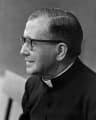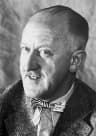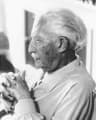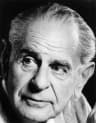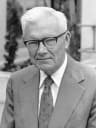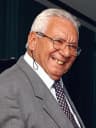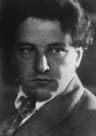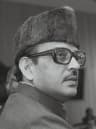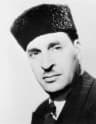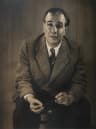
Tug'ilgan
August 24, 1902
Luméville-en-Ornois, France
Vafot etgan
November 27, 1985
Cluses, France
Mashhur bo'lgan
French historian and leader of the Annales School
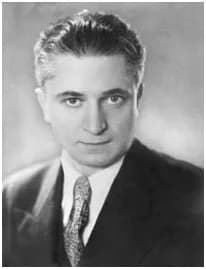
Fernand Braudel (1902–1985) was France best known for French historian and leader of the Annales School.
Fernand Paul Achille Braudel (1902-1985) was a French historian and university teacher from Luméville-en-Ornois, France. He revolutionized historical scholarship as leader of the Annales School and through his groundbreaking works on Mediterranean history and capitalism. His innovative approach to understanding long-term historical processes continues to influence modern historiography.
Bob
Hayot bo'limlari
Bob 1 · 1902· 6 bobdan 1-bobi
Early Life and Origins
Fernand Braudel's journey began in the rural landscape of Luméville-en-Ornois, France, where he was born in 1902. Growing up in this small community in northeastern France, Braudel experienced firsthand the rhythms of provincial life that would later influence his understanding of long-term historical processes. His early years in this traditional French village provided him with insights into the enduring patterns of daily life that became central to his historical methodology.
The young Braudel's intellectual curiosity and academic promise led him toward higher education and the pursuit of historical studies. His formative years coincided with a period of significant change in France, as the nation grappled with the aftermath of World War I and the social transformations of the early 20th century. These experiences would later inform his approach to understanding historical change and continuity.
Bob 2· 6 bobdan 2-bobi
Career Beginnings
Braudel's entry into the academic world marked the beginning of what would become a distinguished career in historical scholarship. As a university teacher, he began developing his unique perspective on historical analysis, one that would challenge conventional approaches to the discipline. His early academic work laid the foundation for his later theoretical contributions to historiography.
During these formative professional years, Braudel began to develop his interest in Mediterranean history and economic systems. His position as a university teacher allowed him to refine his ideas about historical methodology while engaging with students and fellow scholars. This period of intellectual development prepared him for the ambitious research projects that would define his career.
Bob 3· 6 bobdan 3-bobi
Major Achievements and Career Highlights
Braudel's most significant contribution to historical scholarship came through his leadership of the Annales School during the 1950s and 1960s. This influential movement in French historiography emphasized social and economic history over traditional political narratives. Under his guidance, the Annales School became a dominant force in 20th-century historical studies, influencing scholars across Europe and beyond.
His scholarly work focused on three major projects that would cement his reputation as a master historian. The Mediterranean project established his approach to regional historical analysis, while Civilization and Capitalism (1955-79) represented his ambitious attempt to understand the development of economic systems over centuries. His final project, the unfinished Identity of France (1970-85), demonstrated his continued commitment to understanding the long-term forces that shape national character and development.
Bob 4· 6 bobdan 4-bobi
Notable Works and Contributions
Braudel's bibliography reveals the breadth and depth of his scholarly contributions. His masterwork "La Méditerranée et le monde méditerranéen à l'époque de Philippe II" revolutionized the study of Mediterranean history by examining multiple timescales and geographical influences. This work exemplified his innovative approach to historical analysis, considering everything from geological time to individual human actions.
"Capitalism & Material Life, 1400-1800" and "Histoire économique du monde méditerranéen, 1450-1650" demonstrated his expertise in economic history and his ability to synthesize vast amounts of data into coherent historical narratives. His work "Ecrits Sur L'Histoire" collected his theoretical writings, providing insight into his methodology and philosophical approach to historical study. The international reach of his scholarship is evident in translations like "El Mediterráneo" and "都市ヴェネツィア," showing how his work transcended national boundaries.
Bob 5· 6 bobdan 5-bobi
Later Years and Continued Influence
Throughout his later career, Braudel continued to refine his historical methodology and mentor new generations of scholars. His work on the Identity of France project occupied much of his final decades, as he attempted to apply his analytical framework to understanding French national development. Though left unfinished at his death, this project represented the culmination of his life's work in historical analysis.
Even as he aged, Braudel remained an active participant in scholarly debates and continued to influence the direction of historical studies. His later years were marked by international recognition of his contributions to the discipline and the continued growth of the Annales School's influence on historical scholarship worldwide.
Bob 6 · 1985· 6 bobdan 6-bobi
Legacy and Impact
Fernand Braudel's death on November 27, 1985, in Cluses, France, marked the end of an era in historical scholarship. His revolutionary approach to understanding the past continues to influence historians today, particularly his emphasis on long-term structures and processes over short-term events. The Annales School methodology he championed has become an integral part of modern historical practice.
His concept of different temporal layers in history - from geological time to individual human experience - fundamentally changed how historians approach their subjects. Modern scholars across disciplines continue to draw on his insights about the relationship between geography, economics, and social development. The international recognition of his work, evidenced by translations into multiple languages and continued scholarly engagement with his ideas, ensures that his influence on historical studies will endure for generations to come.
Hayot lahzalarda
Hayotni shakllantirgan lahzalar
FAQ
Tez-tez beriladigan savollar
Fernand Braudel qachon vafot etdi?
Fernand Braudel 27-noyabr, 1985 sanasida Cluses, Franceda, 83 yoshida vafot etdi.
Fernand Braudel qayerda tug'ilgan?
Fernand Braudel Luméville-en-Ornois, Franceda 24-avgust, 1902 sanasida tug'ilgan.
Fernand Braudel ko'proq nima bilan mashhur?
Fernand Braudel ko'proq French historian and leader of the Annales School bilan mashhur.
Fernand Braudel vafot etganda necha yoshda edi?
Fernand Braudel vafot etganda 83 yoshda edi.
Fernand Braudel qaysi millat vakili edi?
Fernand Braudel Francedan edi.
Xronologiya
Hayotga bir nazar
Foto galereya
Rasmlardagi hayot
Kattalashtirish uchun istalgan suratni bosing · 36 ta rasm
QR kod
Ushbu tarjimai holni ulashish
Chop etish va ulashish
Ushbu tarjimai hol sahifasiga tashrif buyurish uchun skanerlang. Tadbirlar, ko'rgazmalar yoki ta'lim materiallari uchun chop eting.