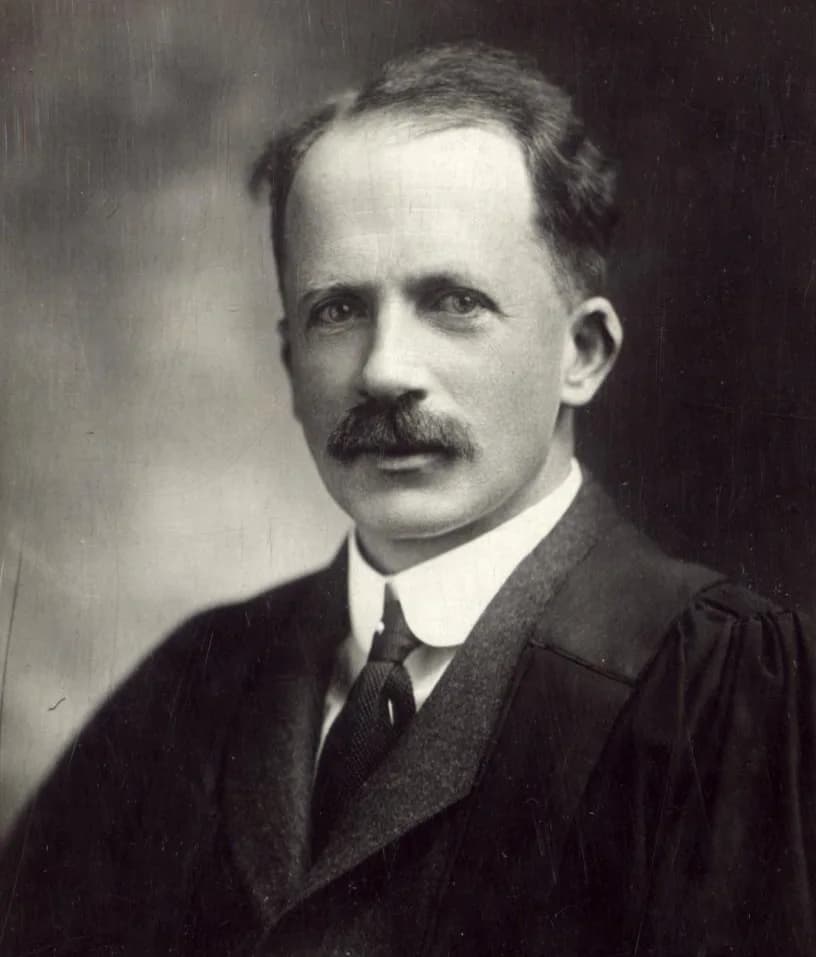
پیدائش
September 6, 1876
Clunie, United Kingdom
وفات
March 16, 1935
Aberdeen, United Kingdom
اس وجہ سے جانے جاتے ہیں
Nobel prize-winning Scottish physician and physiologist; co-discoverer of insulin
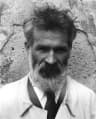
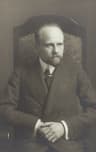
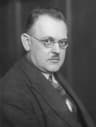
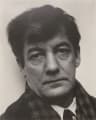
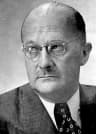
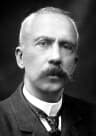
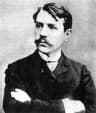
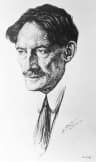
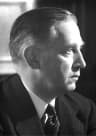
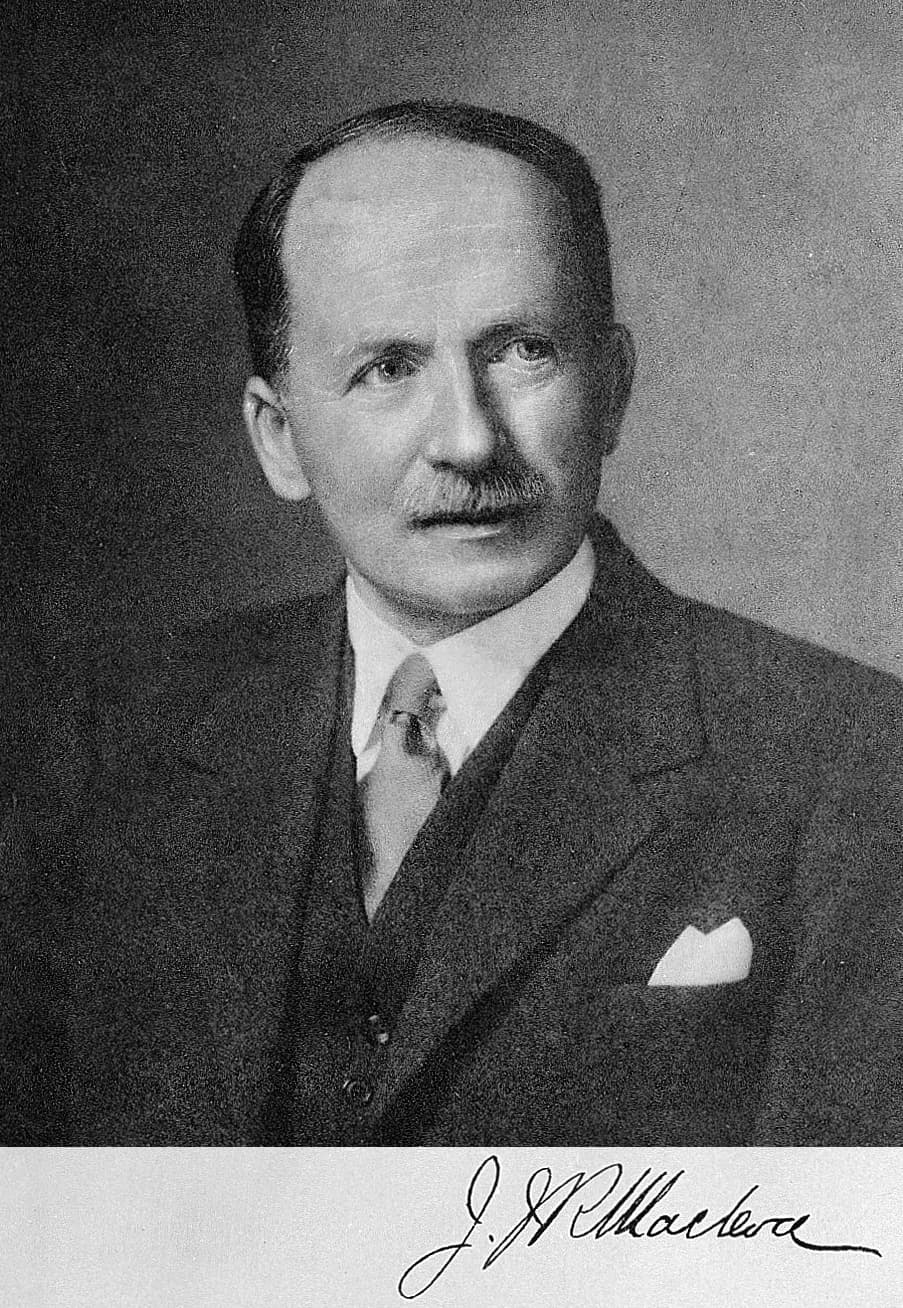
John James Rickard Macleod (1876–1935) was United Kingdom best known for Nobel prize-winning Scottish physician and physiologist; co-discoverer of insulin.
John James Rickard Macleod (September 6, 1876 – March 16, 1935) was a Scottish physician and physiologist. He is celebrated as a co-discoverer of insulin, a breakthrough that earned him the 1923 Nobel Prize in Physiology or Medicine. His essential scientific contributions continue to save countless lives globally.
باب
زندگی کے ابواب
باب 1 · 1876· 8 میں سے باب 1
Early Life and Origins
John James Rickard Macleod was born on September 6, 1876, in Clunie, United Kingdom. His early life in Scotland laid the foundation for a career dedicated to scientific inquiry and medical innovation. These formative years undoubtedly shaped his intellectual curiosity and his commitment to understanding the complexities of the human body.
باب 2· 8 میں سے باب 2
Career Beginnings
Macleod pursued a diverse professional path, establishing himself as a physician, inventor, university teacher, and physiologist. His career was devoted to exploring various topics within physiology and biochemistry. He developed a chief interest in carbohydrate metabolism, a field central to his later groundbreaking work.
باب 3· 8 میں سے باب 3
Major Achievements and Career Highlights
A defining period in Macleod's career came during his tenure as a lecturer at the University of Toronto. It was there that he played a crucial role in the discovery and isolation of insulin. This collaborative effort marked a turning point in medical history, offering hope to millions suffering from diabetes.
باب 4 · 1923· 8 میں سے باب 4
Nobel Prize Recognition
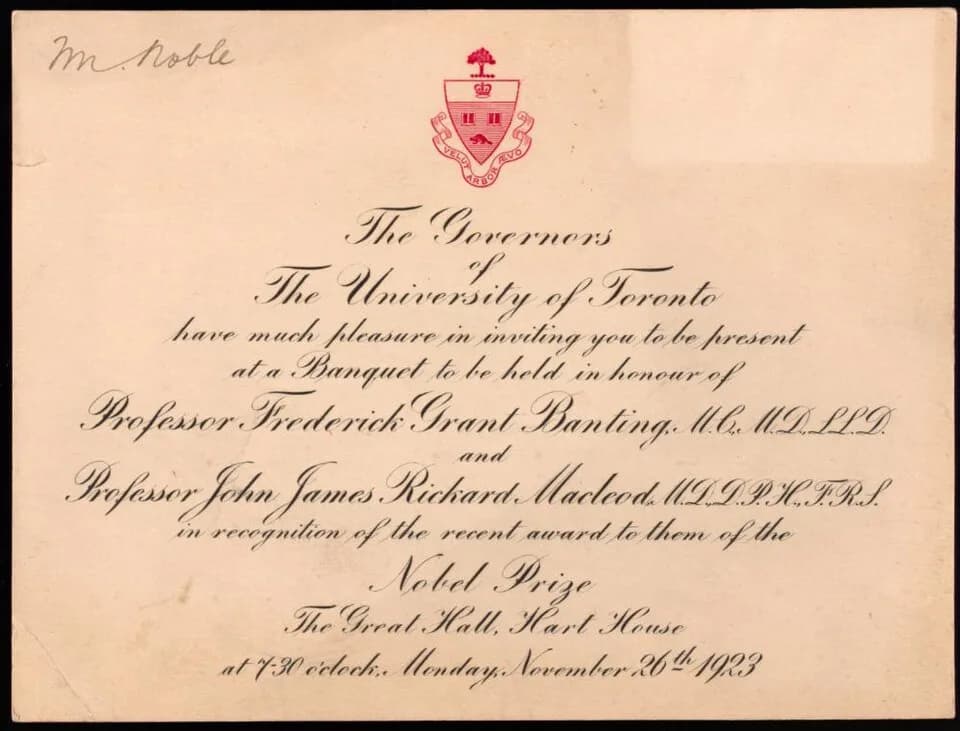
For this monumental discovery, Macleod, along with Frederick Banting, was awarded the 1923 Nobel Prize in Physiology or Medicine. The decision to award the prize to Macleod was met with some controversy at the time, with Banting's initial account downplaying Macleod's contributions. However, an independent review conducted decades later acknowledged Macleod's far greater role than was initially attributed to him.
باب 5· 8 میں سے باب 5
Notable Works or Contributions
Macleod's most significant contribution remains the co-discovery of insulin, a hormone essential for regulating blood sugar. Beyond this, his dedication to the study of carbohydrate metabolism underscored his broader scientific commitment. His research provided foundational insights that continue to inform medical understanding today.
باب 6· 8 میں سے باب 6
Later Recognition and Scientific Integrity
The historical re-evaluation of the insulin discovery process affirmed Macleod's scientific integrity and vital input. This later acknowledgment corrected earlier narratives, ensuring his rightful place in the pantheon of medical pioneers. It highlighted the meticulous research and guidance he provided to the Toronto team.
باب 7 · 1935· 8 میں سے باب 7
Later Years
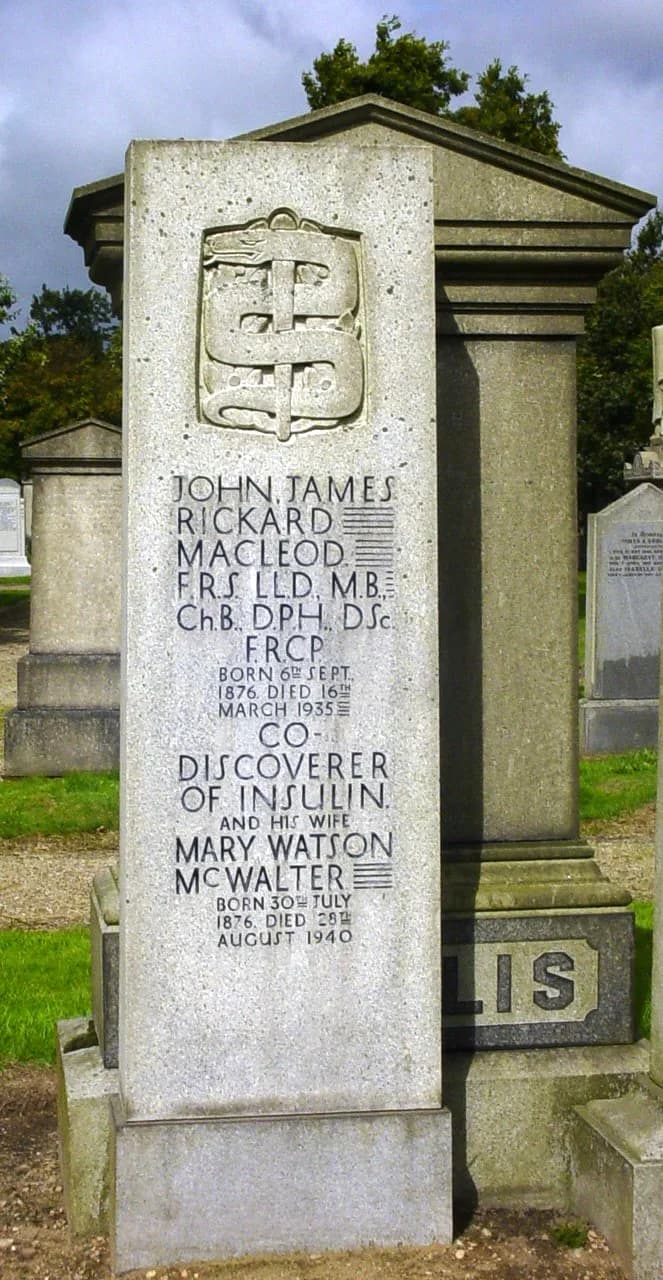
John James Rickard Macleod continued his scientific endeavors until his passing on March 16, 1935, in Aberdeen, United Kingdom. His death marked the end of a life rich in scientific exploration and significant medical advancement. He left behind a legacy that has profoundly impacted global health.
باب 8· 8 میں سے باب 8
Legacy and Impact
The legacy of John James Rickard Macleod is inextricably linked to the ongoing fight against diabetes. His contributions to the discovery of insulin transformed a previously fatal disease into a manageable condition, saving countless lives across generations. His work remains a powerful reminder of the enduring power of scientific collaboration and inquiry.
لمحوں میں ایک زندگی
وہ لمحے جنہوں نے ایک زندگی کو تشکیل دیا
اکثر پوچھے گئے سوالات
اکثر پوچھے گئے
John James Rickard Macleod کب وفات پا گئے؟
John James Rickard Macleod 16 مارچ، 1935 کو Aberdeen, United Kingdom میں وفات پا گئے، 58 سال کی عمر میں۔
John James Rickard Macleod کہاں پیدا ہوئے؟
John James Rickard Macleod Clunie, United Kingdom میں 6 ستمبر، 1876 کو پیدا ہوئے۔
John James Rickard Macleod کس چیز کے لیے سب سے زیادہ مشہور ہیں؟
John James Rickard Macleod Nobel prize-winning Scottish physician and physiologist; co-discoverer of insulin کے لیے سب سے زیادہ مشہور ہیں۔
وفات کے وقت John James Rickard Macleod کی عمر کیا تھی؟
وفات کے وقت John James Rickard Macleod کی عمر 58 سال تھی۔
John James Rickard Macleod کی قومیت کیا تھی؟
John James Rickard Macleod کا تعلق United Kingdom سے تھا۔
ٹائم لائن
ایک نظر میں زندگی
تصویری گیلری
تصاویر میں ایک زندگی
بڑا کرنے کے لیے کسی بھی پولیرائیڈ پر کلک کریں · 34 تصاویر
QR کوڈ
یہ سوانح عمری شیئر کریں
پرنٹ کریں اور شیئر کریں
اس سوانح عمری کے صفحے کو دیکھنے کے لیے اسکین کریں۔ تقریبات، نمائشوں، یا تعلیمی مواد کے لیے پرنٹ کریں۔