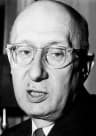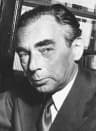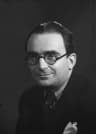
پیدائش
March 13, 1899
Middletown, United States
وفات
October 27, 1980
Cambridge, United States
اس وجہ سے جانے جاتے ہیں
American physicist
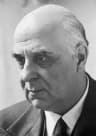
John Hasbrouck Van Vleck (1899–1980) was United States best known for American physicist.
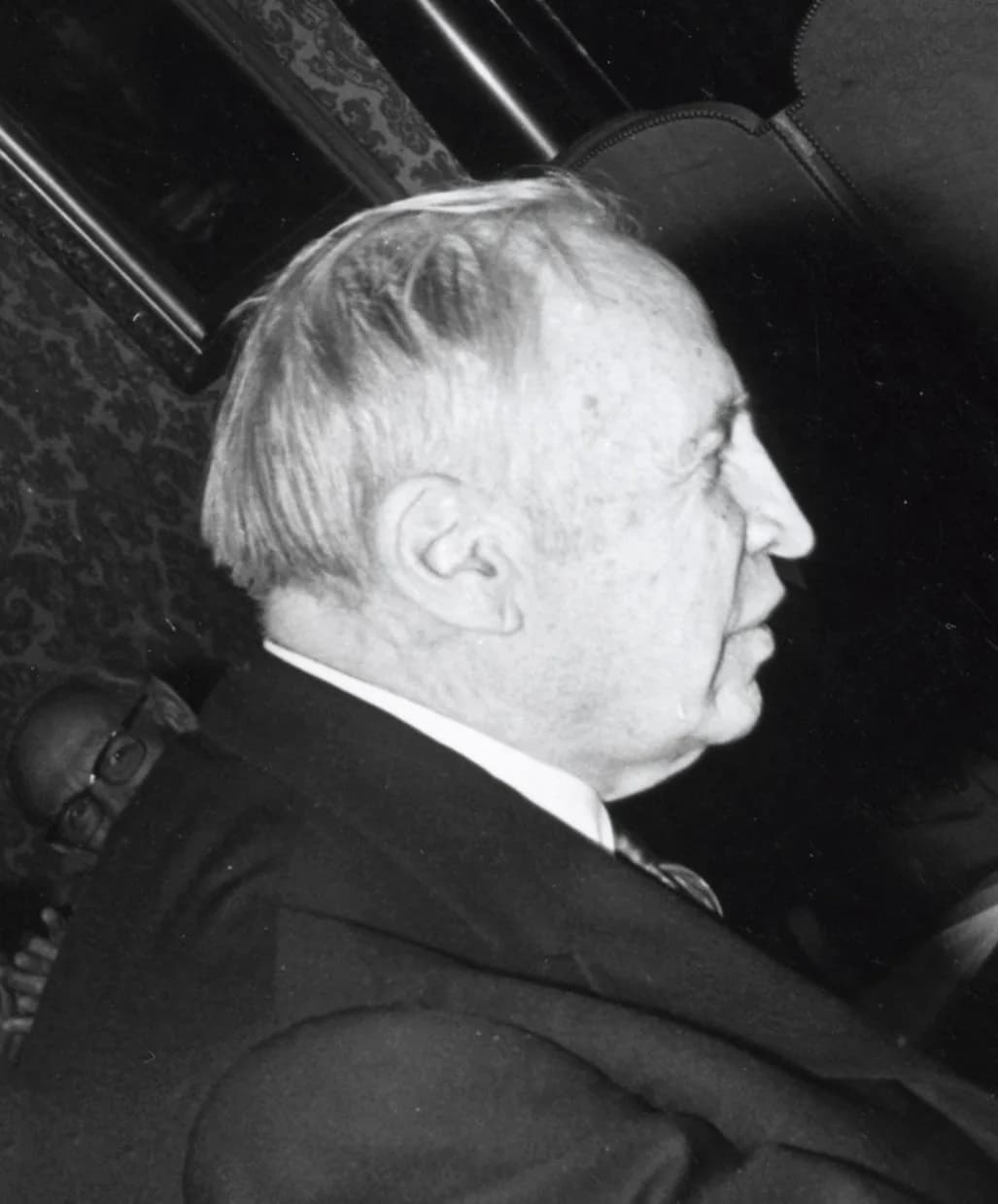
John Hasbrouck Van Vleck (March 13, 1899 – October 27, 1980) was an American physicist and mathematician. He received the Nobel Prize in Physics in 1977 for his theoretical investigations into electronic magnetism in solids. His foundational work greatly advanced the understanding of magnetic phenomena.
باب
زندگی کے ابواب
باب 1 · 1899· 8 میں سے باب 1
Opening
John Hasbrouck Van Vleck (1899 – 1980) was a distinguished American physicist and mathematician whose theoretical insights reshaped the understanding of material properties. He dedicated his life to teaching and research, becoming a renowned university teacher and nuclear physicist during his long career. His contributions were recognized with the Nobel Prize in Physics, marking him as a figure of immense significance in modern science.
باب 2 · 1899· 8 میں سے باب 2
Early Life and Origins
John Hasbrouck Van Vleck was born on March 13, 1899, in Middletown, United States. His early years laid the foundation for a future deeply rooted in scientific inquiry and academic pursuit. He grew up in an intellectual environment, which likely fostered his innate curiosity about the natural world and its underlying physical laws.
باب 3· 8 میں سے باب 3
Career Beginnings
He embarked on a professional path that would see him excel across multiple scientific disciplines. Early in his career, Van Vleck established himself as a physicist, specializing in theoretical aspects. His foundational work as a mathematician provided a rigorous framework for his subsequent investigations into complex physical phenomena. He quickly became recognized for his insightful teaching as a university educator.
باب 4 · 1977· 8 میں سے باب 4
Major Achievements and Career Highlights
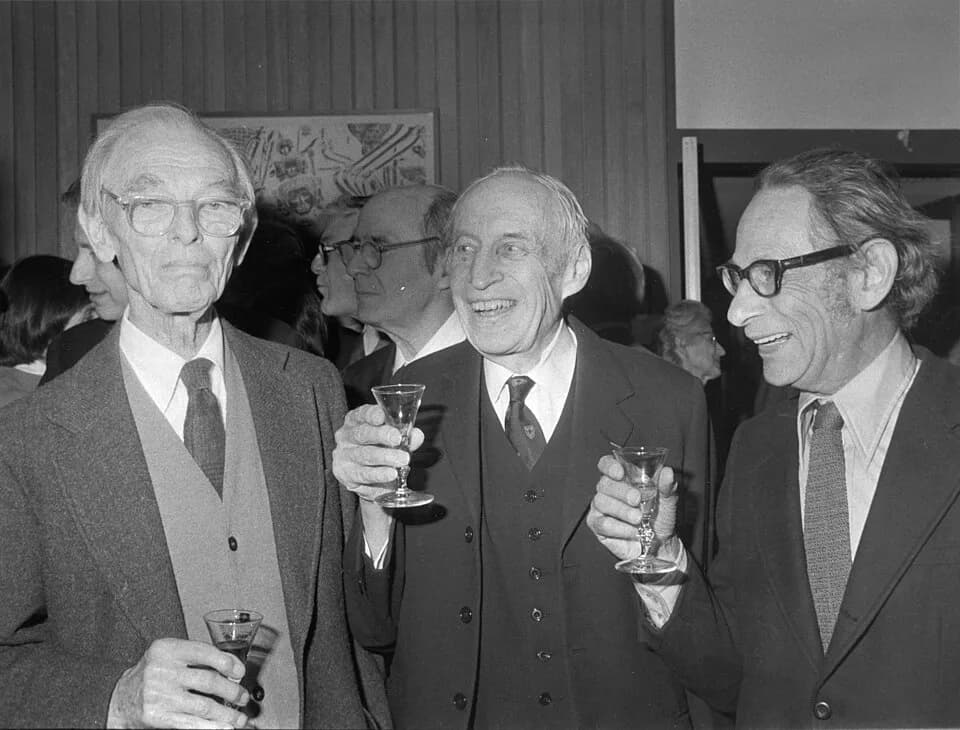
The pinnacle of Van Vleck's professional recognition arrived in 1977 when he was awarded the Nobel Prize in Physics. This prestigious honor celebrated his fundamental theoretical investigations into the electronic structure of magnetic and disordered systems. He shared this distinguished award with fellow physicists Philip W. Anderson and Nevill Mott, acknowledging a collective advancement in understanding solid-state physics.
His Nobel citation specifically highlighted his significant contributions to understanding the behavior of electronic magnetism in solids. This area of physics describes how the electrons within materials contribute to their magnetic properties, a concept crucial for developing new technologies. Van Vleck's theories provided the theoretical underpinnings for explaining various magnetic phenomena observed in a wide range of materials.
باب 5· 8 میں سے باب 5
Personal Life
While specific details of John Hasbrouck Van Vleck's personal life are not extensively documented in public records, his dedication to his scientific pursuits was evident throughout his long and productive career. He was primarily known through his academic work and the lasting impact of his research. His life was largely defined by his contributions to physics and his role as an educator.
باب 6· 8 میں سے باب 6
Notable Works or Contributions
Van Vleck's most significant contributions centered on his theoretical descriptions of magnetism, particularly paramagnetism and diamagnetism. He developed crucial theories for understanding how atoms and molecules interact with external magnetic fields. His work on crystal field theory and ligand field theory later formed the basis for understanding the electronic structure of transition metal complexes. His investigations explained how the electronic structure of materials dictates their magnetic properties, moving beyond classical descriptions. He meticulously developed the quantum mechanical framework for magnetism, which was essential for later advancements in materials science. These theories were fundamental to the field of condensed matter physics, providing tools to predict and interpret experimental observations.
باب 7 · 1977· 8 میں سے باب 7
Later Years
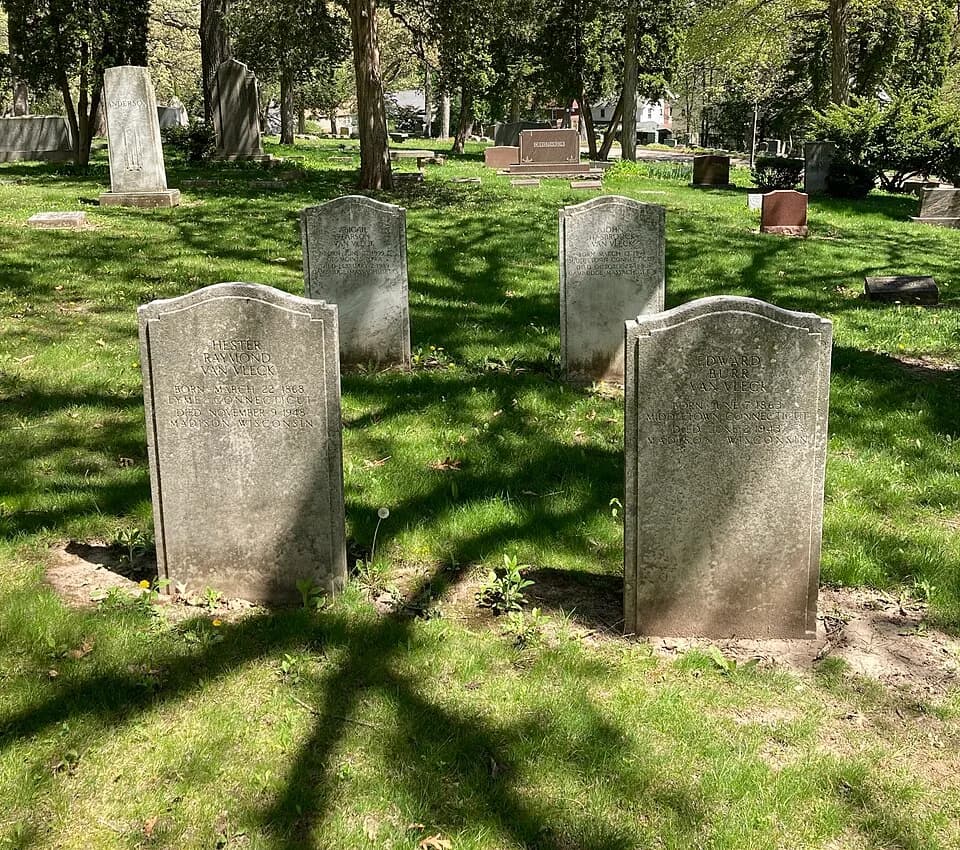
John Hasbrouck Van Vleck continued to contribute to the scientific community well into his later years, culminating in his Nobel Prize win in 1977. He passed away on October 27, 1980, in Cambridge, United States, just three years after receiving the highest honor in his field. His career spanned decades of significant scientific progress, witnessing and shaping the evolution of modern physics.
باب 8· 8 میں سے باب 8
Legacy and Impact
The legacy of John Hasbrouck Van Vleck is deeply embedded in the foundations of modern solid-state physics and magnetism. His theoretical investigations laid much of the groundwork for understanding how materials behave at the atomic and electronic levels. Scientists continue to build upon his insights to develop new magnetic materials and technologies.
His rigorous mathematical approach and deep physical intuition greatly influenced subsequent generations of physicists and mathematicians. Van Vleck's work remains a cornerstone for research into quantum magnetism, superconducting materials, and other advanced electronic systems. His clarity of thought and dedication to fundamental principles left an enduring mark on scientific inquiry.
لمحوں میں ایک زندگی
وہ لمحے جنہوں نے ایک زندگی کو تشکیل دیا
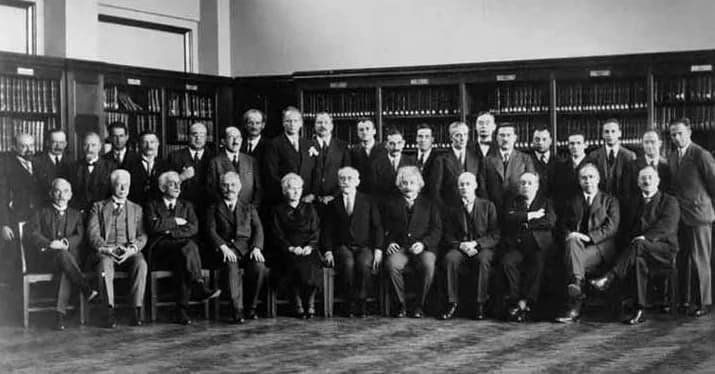
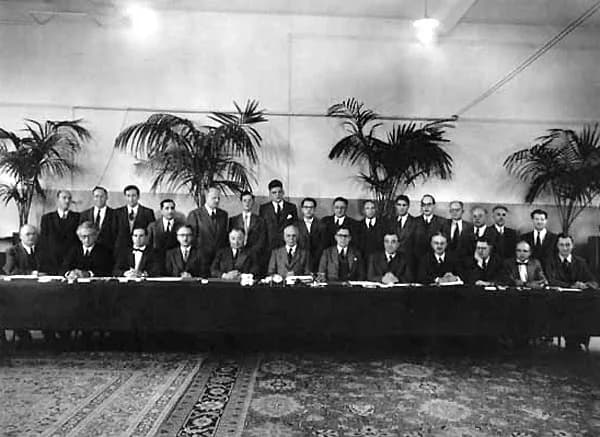
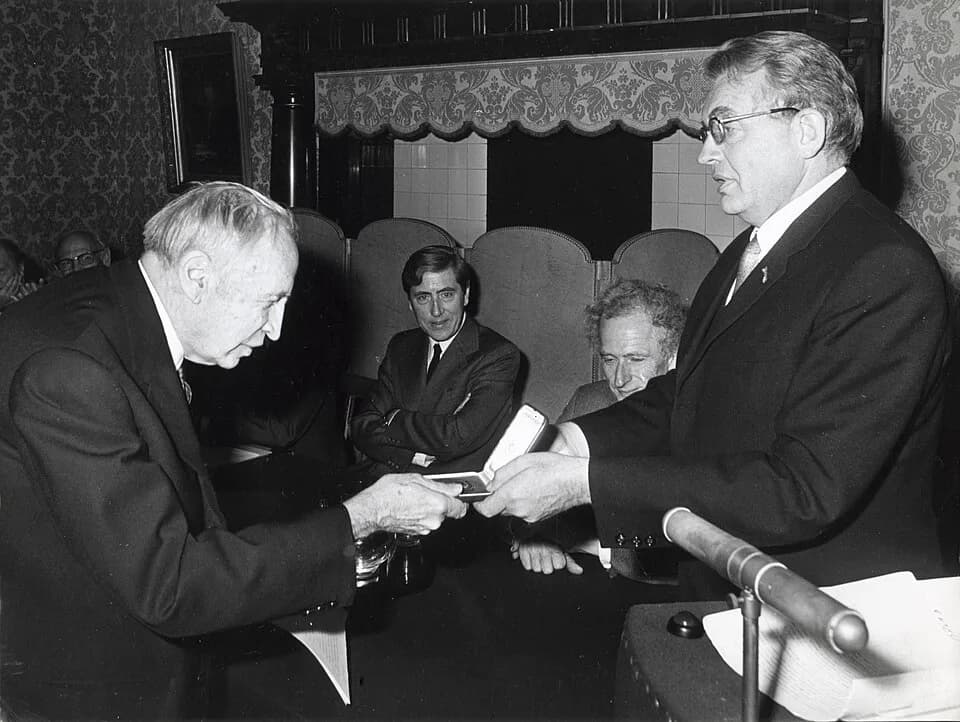
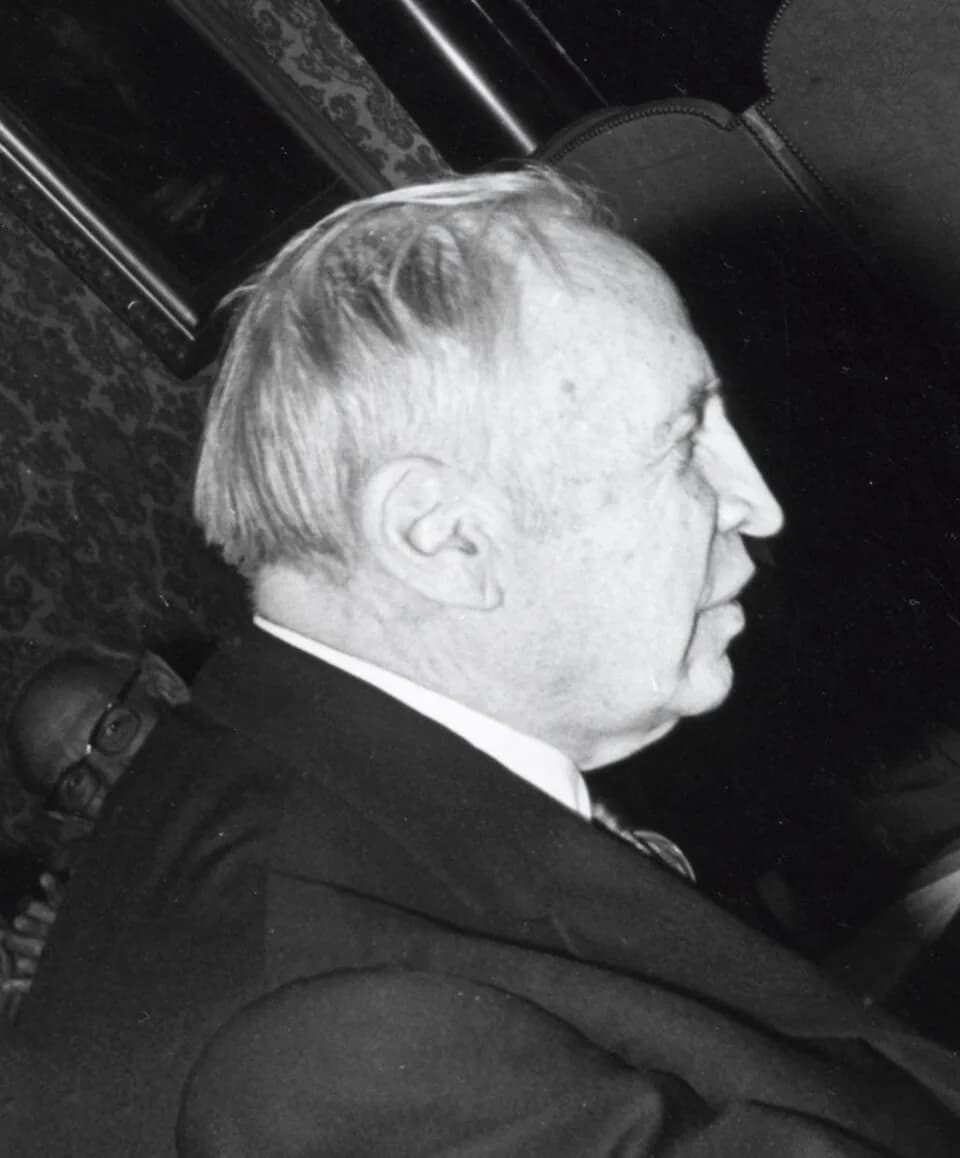
اکثر پوچھے گئے سوالات
اکثر پوچھے گئے
John Hasbrouck Van Vleck کب وفات پا گئے؟
John Hasbrouck Van Vleck 27 اکتوبر، 1980 کو Cambridge, United States میں وفات پا گئے، 81 سال کی عمر میں۔
John Hasbrouck Van Vleck کہاں پیدا ہوئے؟
John Hasbrouck Van Vleck Middletown, United States میں 13 مارچ، 1899 کو پیدا ہوئے۔
John Hasbrouck Van Vleck کس چیز کے لیے سب سے زیادہ مشہور ہیں؟
John Hasbrouck Van Vleck American physicist کے لیے سب سے زیادہ مشہور ہیں۔
وفات کے وقت John Hasbrouck Van Vleck کی عمر کیا تھی؟
وفات کے وقت John Hasbrouck Van Vleck کی عمر 81 سال تھی۔
John Hasbrouck Van Vleck کی قومیت کیا تھی؟
John Hasbrouck Van Vleck کا تعلق United States سے تھا۔
ٹائم لائن
ایک نظر میں زندگی
تصویری گیلری
تصاویر میں ایک زندگی
بڑا کرنے کے لیے کسی بھی پولیرائیڈ پر کلک کریں · 20 تصاویر
QR کوڈ
یہ سوانح عمری شیئر کریں
پرنٹ کریں اور شیئر کریں
اس سوانح عمری کے صفحے کو دیکھنے کے لیے اسکین کریں۔ تقریبات، نمائشوں، یا تعلیمی مواد کے لیے پرنٹ کریں۔