پیدائش
March 13, 1900
Urla, Turkey
وفات
September 20, 1971
Athens, Greece
اس وجہ سے جانے جاتے ہیں
Greek poet and diplomat
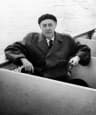
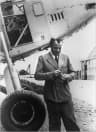
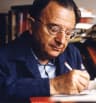
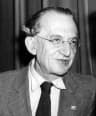
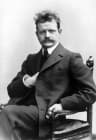
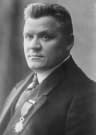
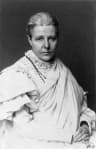
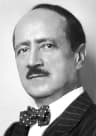
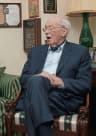
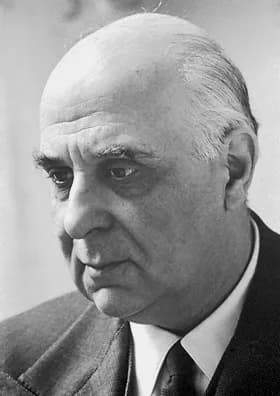
Giorgos Seferis (1900–1971) was Turkey best known for Greek poet and diplomat.
Giorgos Seferis (March 13, 1900 – September 20, 1971) was a Greek poet and diplomat. He received the 1963 Nobel Prize in Literature for his eminent lyrical writing, deeply inspired by the Hellenic world. His work significantly shaped 20th-century Greek poetry.
باب
زندگی کے ابواب
باب 1 · 1900· 6 میں سے باب 1
Early Life and Origins
Born Georgios Seferiadis on March 13, 1900, in Urla, Turkey, Giorgos Seferis's early years were spent in a coastal town situated in modern-day Turkey. This birthplace, a region rich with cultural exchange, likely shaped his initial perceptions of identity and heritage. While specific details of his family life are not extensively documented, his later works consistently reflect a deep connection to the Hellenic world, indicating a childhood immersed in Greek culture and traditions.
باب 2· 6 میں سے باب 2
Career Beginnings
Seferis embarked on a distinguished career that skillfully blended literary artistry with dedicated diplomatic service. His path as a writer and poet began to unfold as he meticulously honed his unique voice, soon gaining recognition for his evocative and thoughtful verse. Concurrently with his poetic endeavors, he served as a diplomat, a role that exposed him to diverse international cultures and political contexts. This dual career enriched his perspective significantly, deeply informing and influencing his subsequent literary output.
باب 3 · 1963· 6 میں سے باب 3
Major Achievements and Career Highlights
A crowning achievement in Giorgos Seferis's illustrious career was the awarding of the Nobel Prize in Literature in 1963. The Swedish Academy specifically cited his "eminent lyrical writing, inspired by a deep feeling for the Hellenic world of culture," acknowledging his unique ability to articulate the enduring spirit of Greece. This prestigious recognition firmly cemented his status as one of the 20th century's most important poets, bringing global attention to his distinctive and powerful literary contributions.
باب 4· 6 میں سے باب 4
Notable Works or Contributions
Giorgos Seferis's bibliography encompasses a wide range of poetic collections and insightful critical essays, consistently showcasing his intellectual depth and remarkable versatility. Among his most significant works are "Delphi," "Poiēmata," and "Krypha poiēmata," which together form a foundational part of his poetic output. His masterful exploration of ancient themes alongside contemporary anxieties is particularly evident in collections such as "Santorinē," which evocatively captures the essence of the iconic Greek island.
Beyond his original poetry, Seferis also engaged significantly with literary criticism and translation. His critical work, exemplified by "Henas dialogos gia tēn poiēsē" (A Dialogue on Poetry) and "Cavafy et Eliot," reflects his deep understanding of literary traditions and influences. Furthermore, his translation of T.S. Eliot's "Hē erēmē chōra kai alla poiēmata" (The Waste Land and Other Poems) highlights his engagement with international literary movements and his efforts to bridge cultural divides. Other notable titles in his repertoire include "Erōtokritos," "Şase nopţi pe Acropole" (Six Nights on the Acropolis), and "Hoi hōres tēs 'Kyrias Hersēs'" (The Hours of 'Lady Herse'), all demonstrating his profound command of language and his consistent engagement with themes of history, identity, and the intricate human condition.
باب 5 · 1971· 6 میں سے باب 5
Later Years
Giorgos Seferis continued to write and profoundly influence literary circles throughout his later years. After a distinguished career marked by both poetic brilliance and dedicated diplomatic service, he passed away on September 20, 1971, in Athens, Greece. His death represented the close of an era for modern Greek letters, yet his powerful poetic voice continued to resonate deeply with countless readers.
Even after his passing, Seferis's works remained a vital source of inspiration and thoughtful reflection. They continued to engage those grappling with questions of cultural heritage, personal identity, and the complex realities of contemporary existence. His commitment to expressing the Greek spirit through his art left an enduring mark on the literary landscape.
باب 6· 6 میں سے باب 6
Legacy and Impact
The legacy of Giorgos Seferis is both profound and enduring, firmly establishing him as a cornerstone of 20th-century Greek poetry. His Nobel Prize not only recognized his individual genius but also brought significant global attention to the richness and depth of Greek literature. He profoundly influenced successive generations of writers with his distinctive lyrical style and his unparalleled ability to infuse modern verse with the timeless spirit of the ancient Hellenic world.
Seferis's work continues to be studied and admired for its intellectual rigor, its emotional depth, and its timeless exploration of identity, displacement, and the continuous conversation between past and present. His unique contributions continue to shape understandings of what it means to be both Greek and a thoughtful citizen of the wider world. His artistry ensures his place as a vital, everlasting voice in global literature.
لمحوں میں ایک زندگی
وہ لمحے جنہوں نے ایک زندگی کو تشکیل دیا





اکثر پوچھے گئے سوالات
اکثر پوچھے گئے
Giorgos Seferis کب وفات پا گئے؟
Giorgos Seferis 20 ستمبر، 1971 کو Athens, Greece میں وفات پا گئے، 71 سال کی عمر میں۔
Giorgos Seferis کہاں پیدا ہوئے؟
Giorgos Seferis Urla, Turkey میں 13 مارچ، 1900 کو پیدا ہوئے۔
Giorgos Seferis کس چیز کے لیے سب سے زیادہ مشہور ہیں؟
Giorgos Seferis Greek poet and diplomat کے لیے سب سے زیادہ مشہور ہیں۔
وفات کے وقت Giorgos Seferis کی عمر کیا تھی؟
وفات کے وقت Giorgos Seferis کی عمر 71 سال تھی۔
Giorgos Seferis کی قومیت کیا تھی؟
Giorgos Seferis کا تعلق Turkey سے تھا۔
ٹائم لائن
ایک نظر میں زندگی
تصویری گیلری
تصاویر میں ایک زندگی
بڑا کرنے کے لیے کسی بھی پولیرائیڈ پر کلک کریں · 6 تصاویر
QR کوڈ
یہ سوانح عمری شیئر کریں
پرنٹ کریں اور شیئر کریں
اس سوانح عمری کے صفحے کو دیکھنے کے لیے اسکین کریں۔ تقریبات، نمائشوں، یا تعلیمی مواد کے لیے پرنٹ کریں۔