Doğum
January 1, 1753
Kawagoe, Japan
Vefat
October 31, 1806
Edo, Japan
Tanındığı şey
175?-1806 Japanese artist
Kitagawa Utamaro (1753–1806) was Japan best known for 175?-1806 Japanese artist.
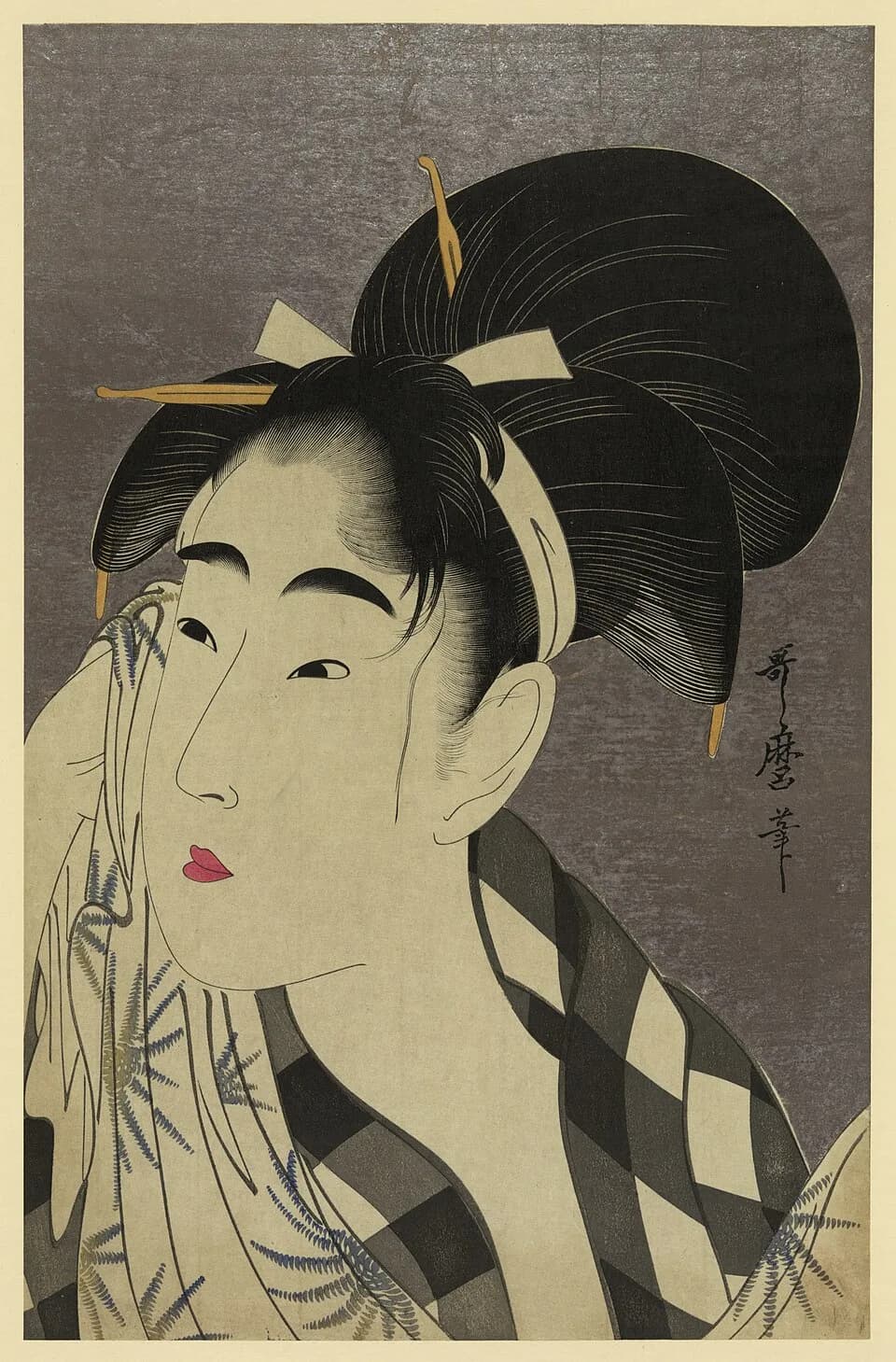
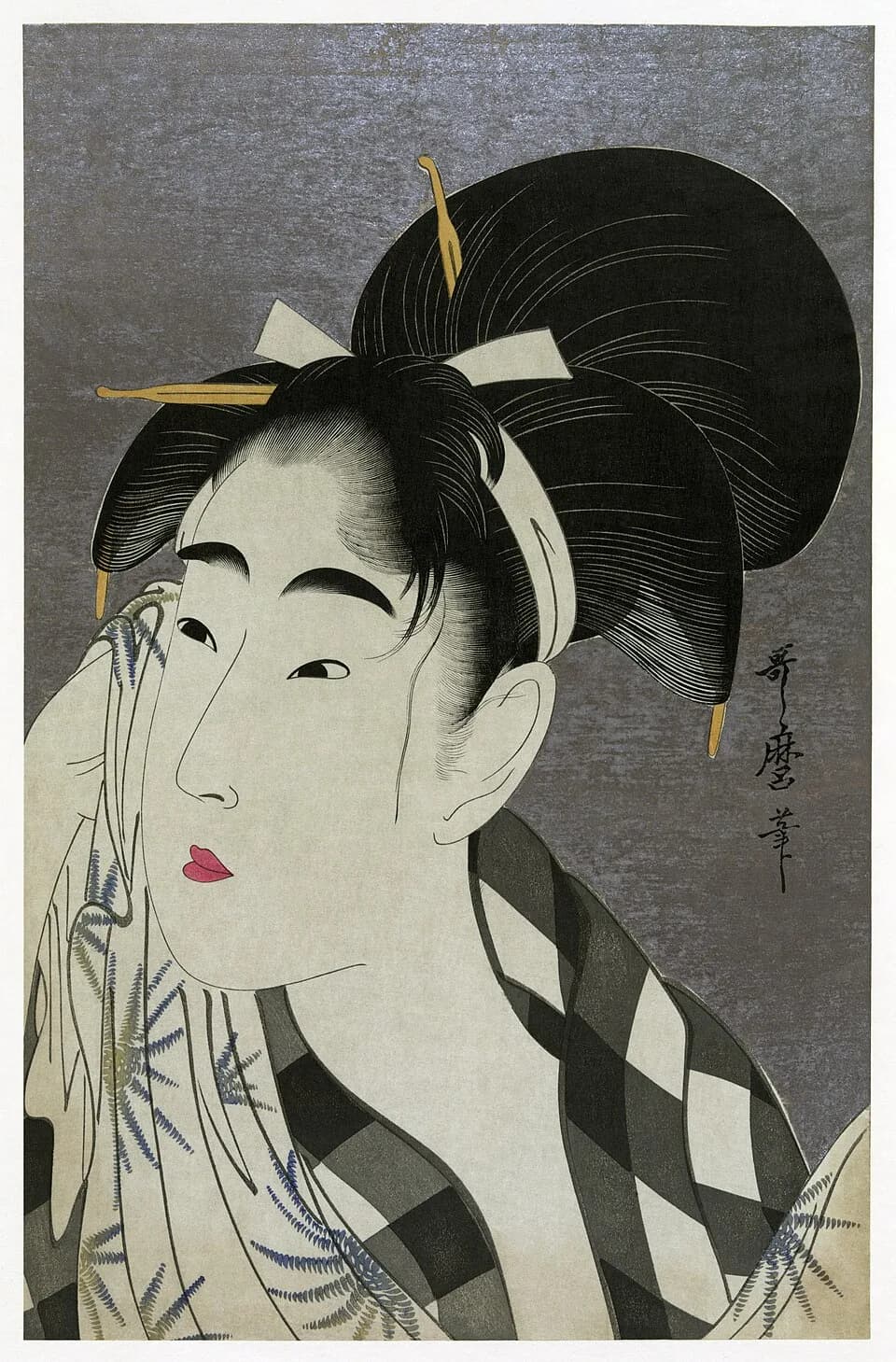
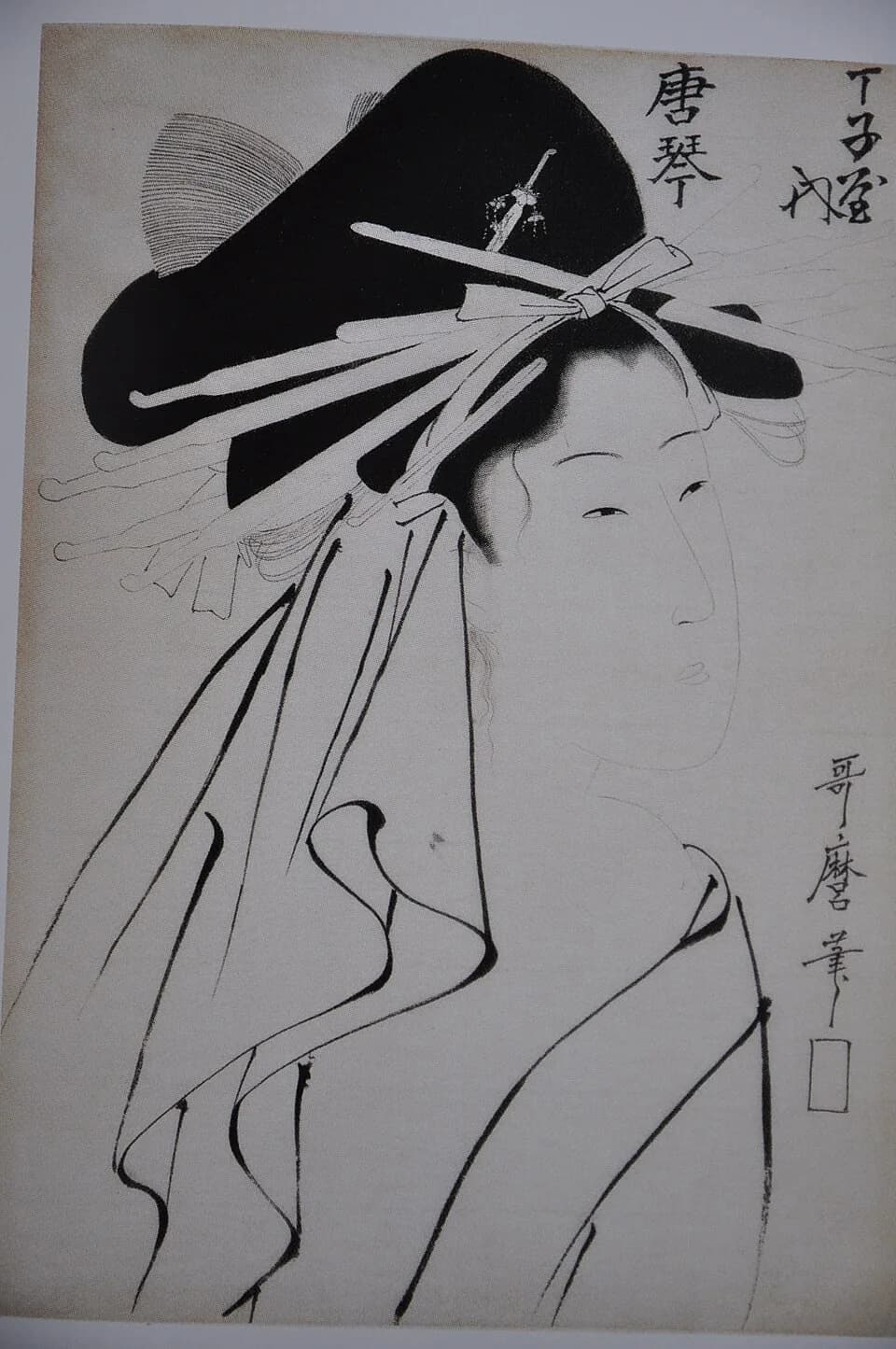
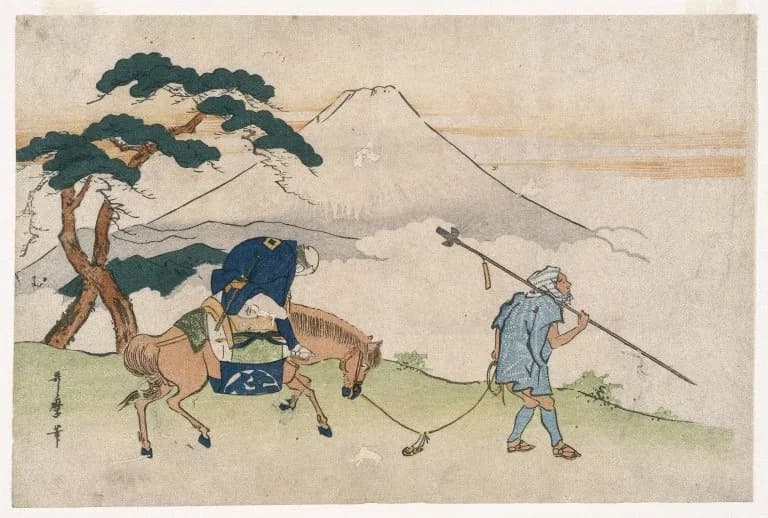
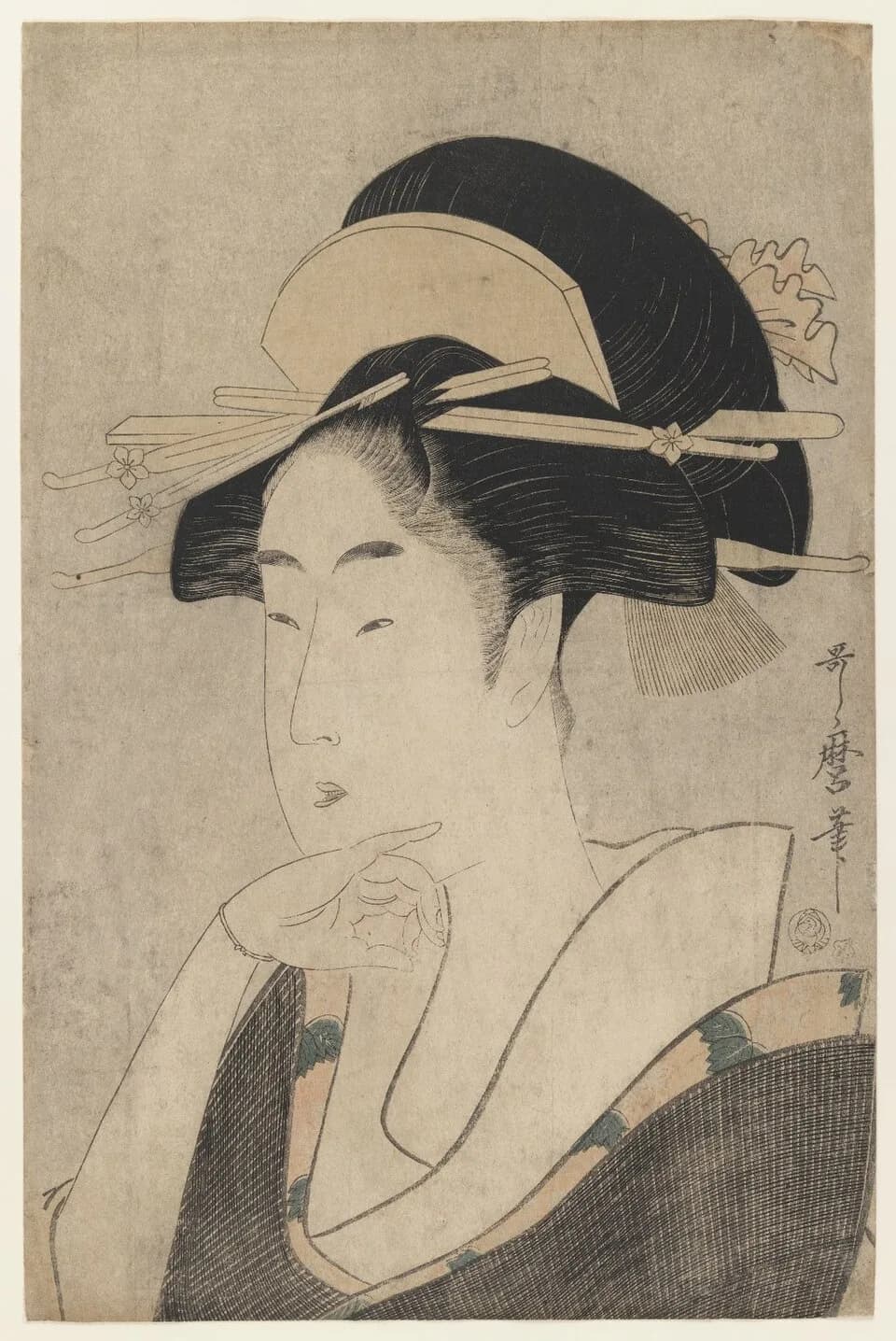
Kitagawa Utamaro (January 1, 1753 – October 31, 1806) was a Japanese artist and ukiyo-e master from Kawagoe. He is celebrated for his bijin ōkubi-e woodblock prints of beautiful women from the 1790s, alongside his significant nature studies. His influential work defined a distinct era in Japanese art.
Anlardaki bir yaşam
Bir yaşamı şekillendiren anlar
Bölüm
Yaşam bölümleri
Bölüm 1 · 1753· Bölüm 1 / 6
Early Life and Origins
Kitagawa Utamaro was born on January 1, 1753, in Kawagoe, Japan. While details of his early life remain sparse, his origins in Kawagoe set the stage for his eventual artistic journey. He would later become a prominent figure in the dynamic art world of Edo.
Bölüm 2· Bölüm 2 / 6
Career Beginnings and Artistic Development
Utamaro's career blossomed within the vibrant Edo period, where he honed his skills across various artistic mediums. His dedication to painting and graphic artistry laid a solid foundation for his later specialization in ukiyo-e. This artistic genre, depicting the "floating world" of urban life, provided the perfect canvas for his unique vision and talent.
Bölüm 3· Bölüm 3 / 6
Major Achievements and Career Highlights
Utamaro is most renowned for his exceptional bijin ōkubi-e, which captivated audiences throughout the 1790s. These striking "large-headed pictures of beautiful women" showcased his mastery in portraying elegance and personality. His innovative approach significantly shaped the depiction of female beauty in Japanese art.
Beyond his famous beauty prints, Utamaro also displayed remarkable versatility through his nature studies. He produced beautifully illustrated books, notably focusing on insects, which demonstrated his keen observational skills. These works highlighted another facet of his diverse artistic talent, expanding his influence beyond figurative subjects.
Bölüm 4 · 1794· Bölüm 4 / 6
Notable Works and Contributions
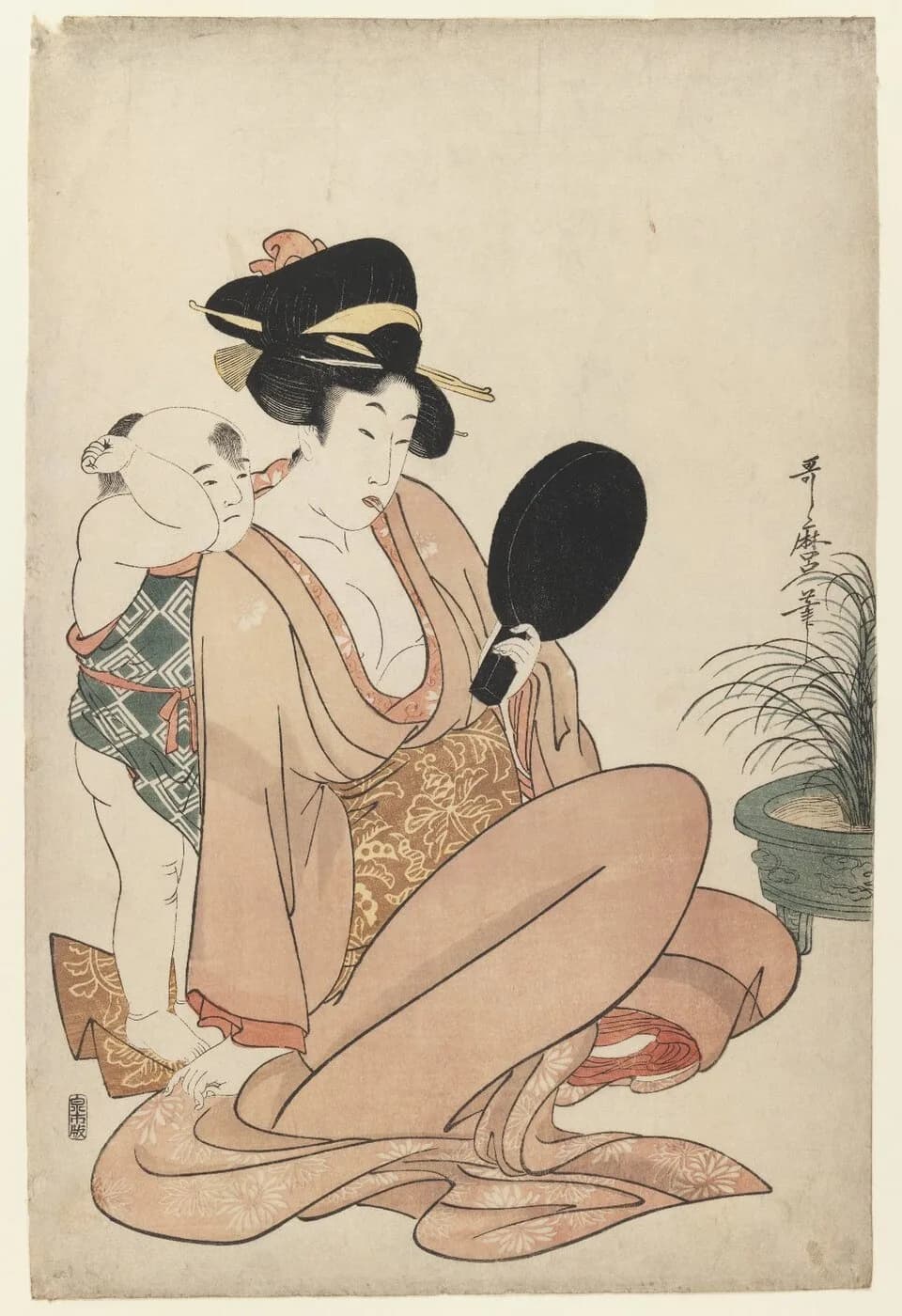
Throughout his prolific career, Kitagawa Utamaro created numerous iconic pieces that continue to be celebrated today. Among his acclaimed works is "Kiyomizu Komachi," from the series "Futabagusa nana Komachi," produced in the 1790s, housed at the Met Museum. His portrayal of domestic life is seen in "In the Kitchen" (ca. 1794–95) and "Preparing Food for the Warbler," from the album "Men’s Stamping Dance" (1798), both also at the Met Museum.
He captured poignant moments, as exemplified by "The Lady Tomimoto Toyohina Reading a Letter" (1790) and "Women Preparing Sashimi" (1806–20), reflecting everyday narratives. The dramatic "Komurasaki of the Miuraya and Shirai Gompachi" (c. 1800) is a notable piece found at the AIC, alongside the intricate "Goldfish" from the series "Elegant Comparison of Little Treasures" (c. 1802).
Other significant contributions include "Drawing Lots for Prizes" (c. 1798) and the elaborate "The Courtesan Arihara of the Tsuruya, and Child Attendants Aoe and Sekiya" (c. 1797), both preserved at the AIC. His range extended to character studies like "A Low Class Prostitute" from "Five Shades of Ink in the Northern Quarter" (c. 1794/95) and "Takashima Ohisa" (c. 1795). Utamaro also documented the artistic process itself in "Artist, Block Carver, Applying Sizing" (About 1803), showing the meticulous craft behind nishiki-e prints.
Bölüm 5 · 1806· Bölüm 5 / 6
Later Years
Kitagawa Utamaro continued to produce art into his final years, with works like "Women Preparing Sashimi" (1806–20) illustrating his ongoing creativity. He passed away on October 31, 1806, in Edo, Japan. His passing marked the end of a prolific period that profoundly impacted the ukiyo-e genre.
Bölüm 6· Bölüm 6 / 6
Legacy and Impact
Kitagawa Utamaro’s legacy endures through his highly influential body of work, particularly his distinctive approach to bijin ōkubi-e. His ability to convey the inner lives and elegance of his subjects cemented his place as a master of portraiture within ukiyo-e. He remains a pivotal figure whose artistic innovations continue to be studied and admired worldwide.
SSS
Sıkça sorulanlar
Kitagawa Utamaro ne zaman öldü?
Kitagawa Utamaro, 31 Ekim 1806 tarihinde Edo, Japan'da öldü, 53 yaşındaydı.
Kitagawa Utamaro nerede doğdu?
Kitagawa Utamaro, Kawagoe, Japan'da 1 Ocak 1753 tarihinde doğdu.
Kitagawa Utamaro en çok ne ile tanınıyor?
Kitagawa Utamaro en çok 175?-1806 Japanese artist ile tanınmaktadır.
Kitagawa Utamaro öldüğünde kaç yaşındaydı?
Kitagawa Utamaro öldüğünde 53 yaşındaydı.
Kitagawa Utamaro'in milliyeti neydi?
Kitagawa Utamaro Japan'denddi.
Zaman çizelgesi
Bir bakışta yaşam
Fotoğraf galerisi
Resimlerle bir yaşam
Genişletmek için herhangi bir polaroide tıklayın · 25 fotoğraf
QR Kodu
Bu Biyografiyi Paylaş
Yazdır ve Paylaş
Bu biyografi sayfasını ziyaret etmek için tarayın. Etkinlikler, sergiler veya eğitim materyalleri için yazdırın.