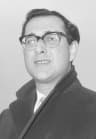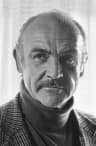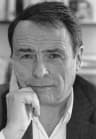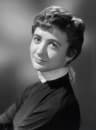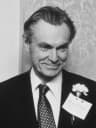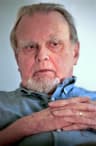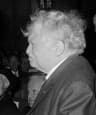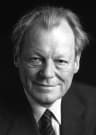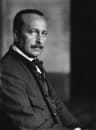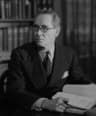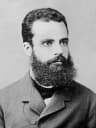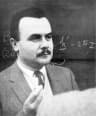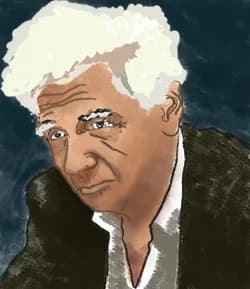
Doğum
July 15, 1930
El Biar, Algeria
Vefat
October 8, 2004
5th arrondissement of Paris, France
Tanındığı şey
French philosopher
Jacques Derrida (1930–2004) was Algeria best known for French philosopher.
Jacques Derrida (July 15, 1930 – October 8, 2004) was a French philosopher from Algeria. He developed the influential philosophy of deconstruction through close readings of major thinkers like Saussure and Heidegger. His revolutionary approach to language and meaning transformed contemporary philosophy and literary criticism.
Bölüm
Yaşam bölümleri
Bölüm 1 · 1930· Bölüm 1 / 7
Early Life and Origins
Jacques Derrida was born on July 15, 1930, in El Biar, Algeria, during the French colonial period. His early years in North Africa would later influence his perspectives on identity, belonging, and cultural displacement. Growing up in a complex colonial environment, Derrida experienced firsthand the tensions between different cultural and linguistic traditions. This multicultural upbringing in Algeria provided him with a unique vantage point that would later inform his philosophical investigations into language, difference, and meaning.
Bölüm 2· Bölüm 2 / 7
Career Beginnings
Derrida's intellectual journey began with his move to France, where he pursued philosophical studies. His early academic work focused on phenomenology, particularly the writings of Edmund Husserl and Martin Heidegger. He also engaged deeply with the linguistic theories of Ferdinand de Saussure, finding in these thinkers the foundation for his own revolutionary approach to philosophy. These formative influences would prove crucial in developing his distinctive method of close textual reading and philosophical analysis.
Bölüm 3· Bölüm 3 / 7
Major Achievements and Career Highlights
Derrida's most significant contribution to philosophy was his development of deconstruction, a method of analysis that revealed the instabilities and contradictions within texts and philosophical systems. Through meticulous close readings of major philosophical and literary works, he demonstrated how meaning is never fixed or stable but always deferred and dependent on context. His deconstructive approach challenged the traditional binary oppositions that had dominated Western thought, showing how these hierarchical structures could be dismantled and reimagined. This work established him as a central figure in what became known as post-structuralism, though he consistently rejected this categorization and distanced himself from postmodern labels.
Bölüm 4· Bölüm 4 / 7
Personal Life
Derrida spent his later years primarily in Paris, where he continued his philosophical work until his death. He maintained strong connections to his Algerian origins while building an international reputation that took him to universities and conferences around the world. His personal experiences of displacement and cultural multiplicity remained central to his philosophical concerns throughout his career.
Bölüm 5· Bölüm 5 / 7
Notable Works and Contributions
Derrida's extensive bibliography includes numerous influential texts that have been translated into multiple languages worldwide. His works have appeared in various linguistic contexts, reflecting the international scope of his influence. Among his notable publications are texts that explore themes of hospitality, friendship, and the nature of language itself. His academic output, while sometimes controversial, consistently demonstrated his commitment to rigorous philosophical inquiry and his willingness to question fundamental assumptions about meaning and interpretation.
Bölüm 6· Bölüm 6 / 7
Later Years
In his final years, Derrida continued to teach, write, and lecture internationally, maintaining his position as one of the world's most influential living philosophers. He remained active in philosophical debates and continued to develop his ideas about ethics, politics, and the nature of human communication. His work during this period often focused on themes of hospitality, forgiveness, and justice, showing how his deconstructive method could address practical moral and political questions.
Bölüm 7 · 2004· Bölüm 7 / 7
Legacy and Impact
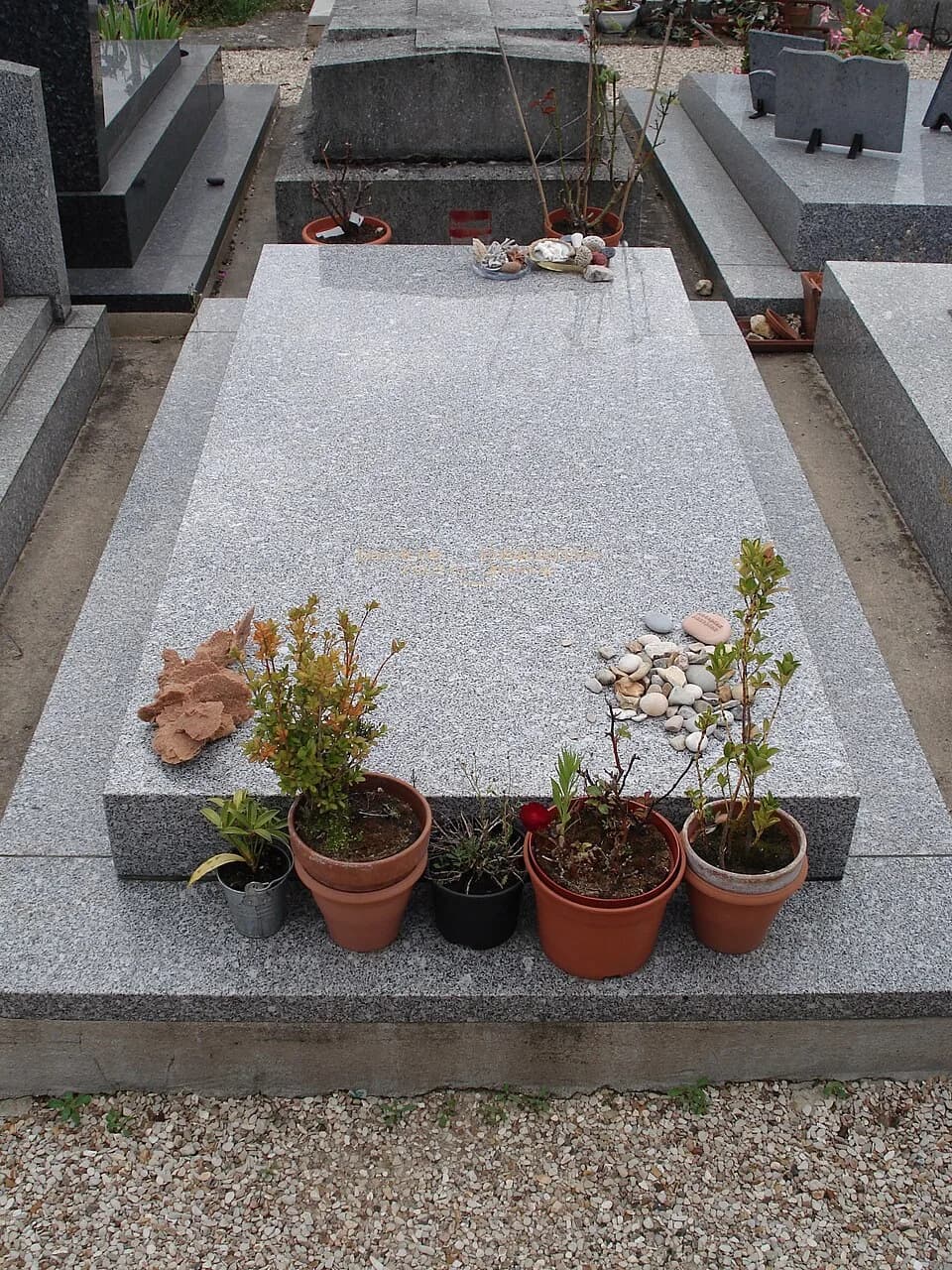
Jacques Derrida died on October 8, 2004, in the 5th arrondissement of Paris, leaving behind a philosophical legacy that continues to influence scholars across multiple disciplines. His deconstructive method revolutionized not only philosophy but also literary criticism, political theory, and cultural studies. Contemporary thinkers continue to grapple with the implications of his work, which challenged readers to reconsider their assumptions about language, meaning, and truth. His influence extends far beyond academic circles, affecting how we understand communication, interpretation, and the very foundations of knowledge itself.
Anlardaki bir yaşam
Bir yaşamı şekillendiren anlar


SSS
Sıkça sorulanlar
Jacques Derrida ne zaman öldü?
Jacques Derrida, 8 Ekim 2004 tarihinde 5th arrondissement of Paris, France'da öldü, 74 yaşındaydı.
Jacques Derrida nerede doğdu?
Jacques Derrida, El Biar, Algeria'da 15 Temmuz 1930 tarihinde doğdu.
Jacques Derrida en çok ne ile tanınıyor?
Jacques Derrida en çok French philosopher ile tanınmaktadır.
Jacques Derrida öldüğünde kaç yaşındaydı?
Jacques Derrida öldüğünde 74 yaşındaydı.
Jacques Derrida'in milliyeti neydi?
Jacques Derrida Algeria'denddi.
Zaman çizelgesi
Bir bakışta yaşam
Fotoğraf galerisi
Resimlerle bir yaşam
Genişletmek için herhangi bir polaroide tıklayın · 44 fotoğraf
QR Kodu
Bu Biyografiyi Paylaş
Yazdır ve Paylaş
Bu biyografi sayfasını ziyaret etmek için tarayın. Etkinlikler, sergiler veya eğitim materyalleri için yazdırın.