Doğum
November 24, 1864
Albi, France
Vefat
September 9, 1901
Saint-André-du-Bois, France
Tanındığı şey
French painter and illustrator
Henri de Toulouse-Lautrec (1864–1901) was France best known for French painter and illustrator.
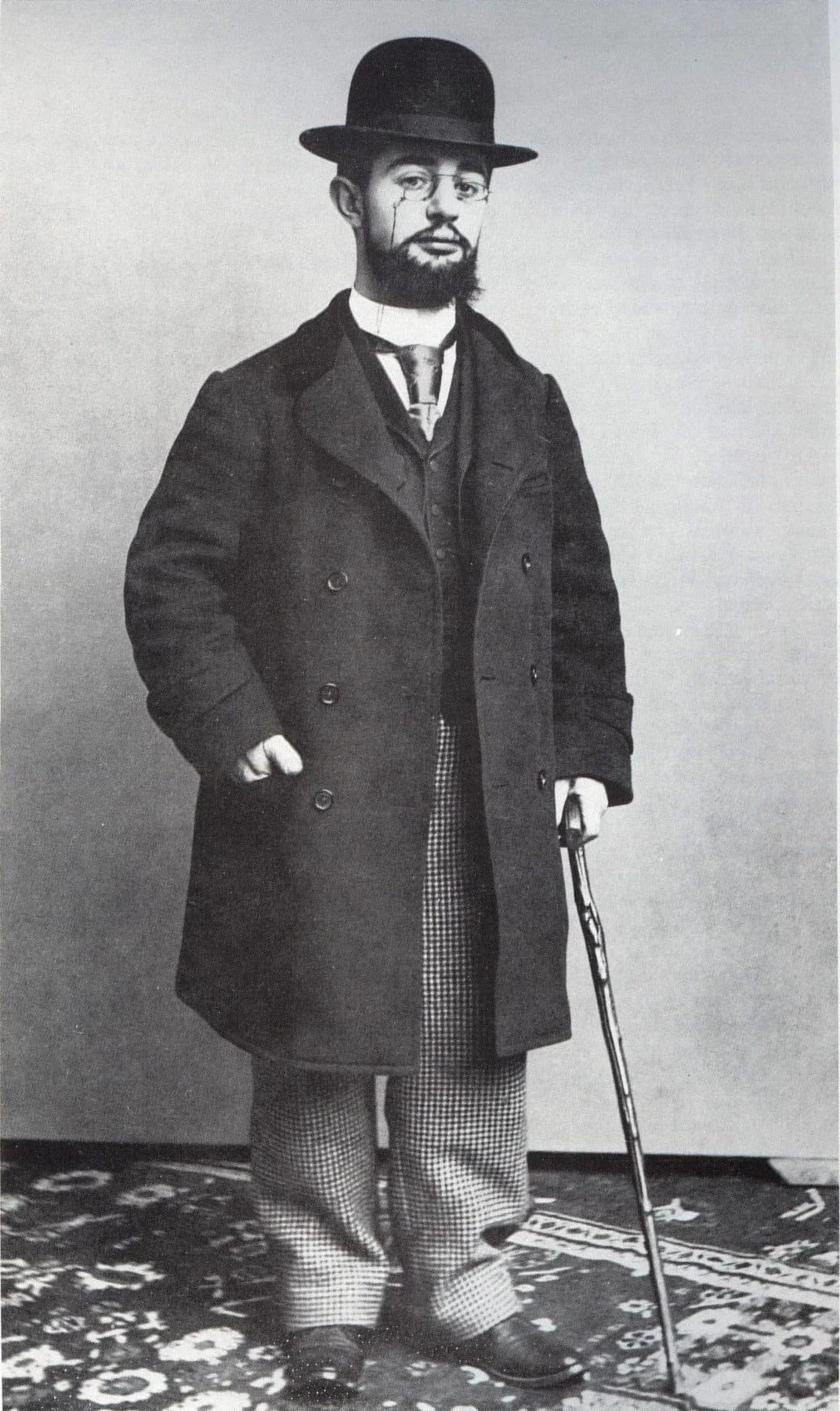
Henri de Toulouse-Lautrec (November 24, 1864 – September 9, 1901) was a French painter and illustrator from Albi, France. He was known for capturing the vibrant life of late 19th-century Paris, profoundly influencing graphic design and visual art. His works offer an intimate look into the city's cabarets and bohemian culture.
Bölüm
Yaşam bölümleri
Bölüm 1 · 1864· Bölüm 1 / 8
Introduction: A Visionary Artist of Parisian Life
Comte Henri Marie Raymond de Toulouse-Lautrec-Montfa (1864–1901) was a French painter and illustrator, renowned for capturing the vibrant spirit of late 19th-century Parisian life. His distinctive artistic vision provided a unique window into the cafés, cabarets, and bohemian circles of the era. He emerged as a seminal figure in Post-Impressionism, leaving an indelible mark on the art world through his innovative approach to painting, graphic design, and printmaking.
Toulouse-Lautrec's work offered an honest and intimate portrayal of the people and places that defined his world. Through his art, he not only documented the social fabric of his time but also influenced the trajectory of visual communication, blending fine art with commercial application in groundbreaking ways.
Bölüm 2 · 1864· Bölüm 2 / 8
Early Life and Origins
Born Henri Marie Raymond de Toulouse-Lautrec-Montfa on November 24, 1864, in Albi, France, he hailed from an aristocratic family. His early life was shaped by his environment in Albi, where he developed an initial interest in art amidst his family's distinguished heritage.
His formative years in Albi provided a foundational, albeit contrasting, backdrop to his later immersion in the dynamic cultural scene of Paris. This upbringing set the stage for a unique perspective that would later distinguish his artistic output, reflecting both tradition and radical modernity.
Bölüm 3· Bölüm 3 / 8
Career Beginnings
Toulouse-Lautrec's artistic journey truly began with his immersion in the colorful and theatrical life of Paris. He quickly found his subject matter in the city's lively entertainment venues, including the renowned Moulin Rouge and various circuses. This environment fueled his creative output, allowing him to produce popular works that perfectly encapsulated the decadent affairs and vibrant energy of the fin-de-siècle period.
His early focus on depicting the characters and scenes of Parisian nightlife immediately set him apart. He sought to portray the realities he observed, from the performers and patrons of the cabarets to the ordinary people inhabiting the city’s margins. This dedication to authentic representation laid the groundwork for his distinctive artistic style and thematic focus.
Bölüm 4· Bölüm 4 / 8
Major Achievements and Career Highlights
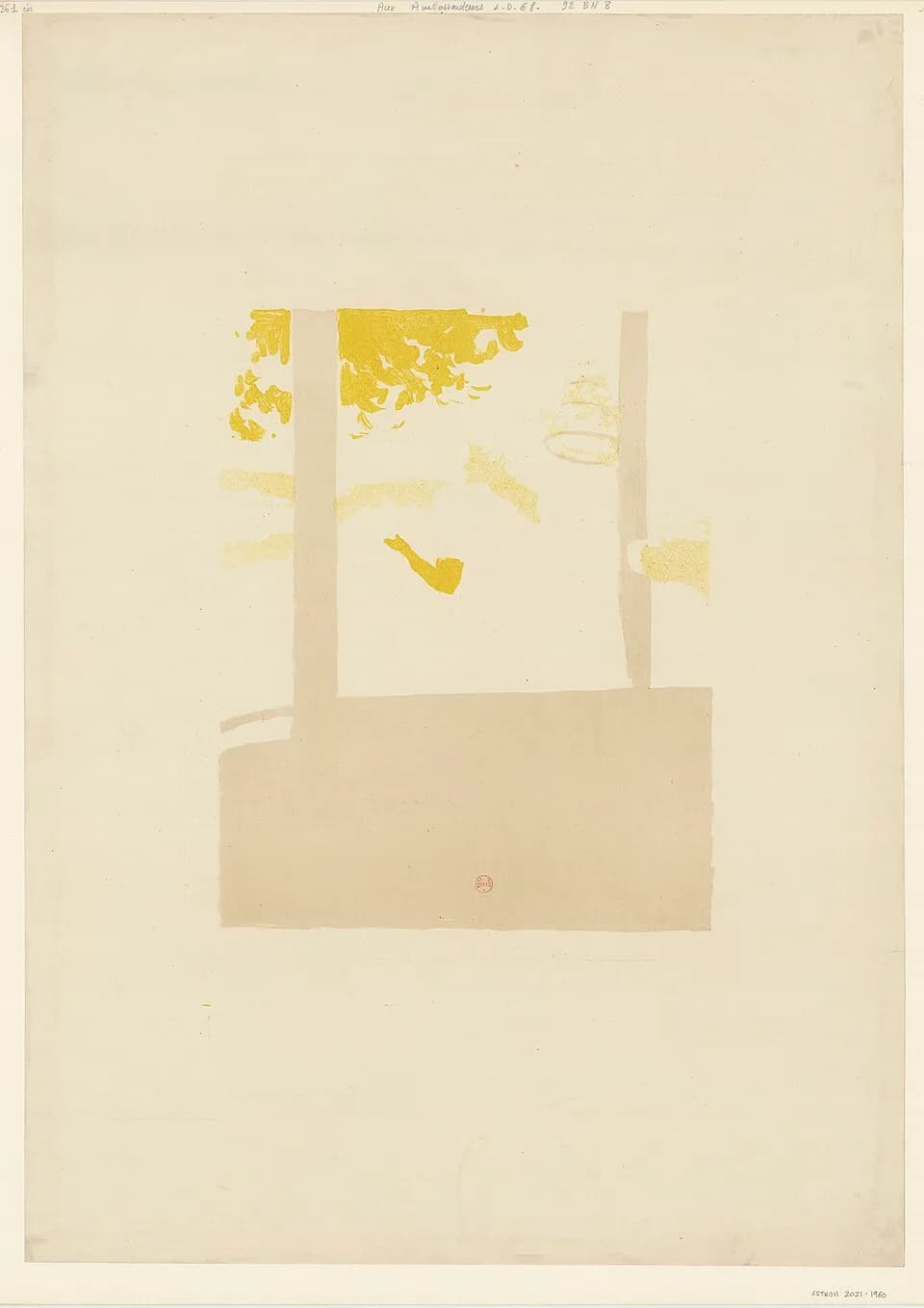
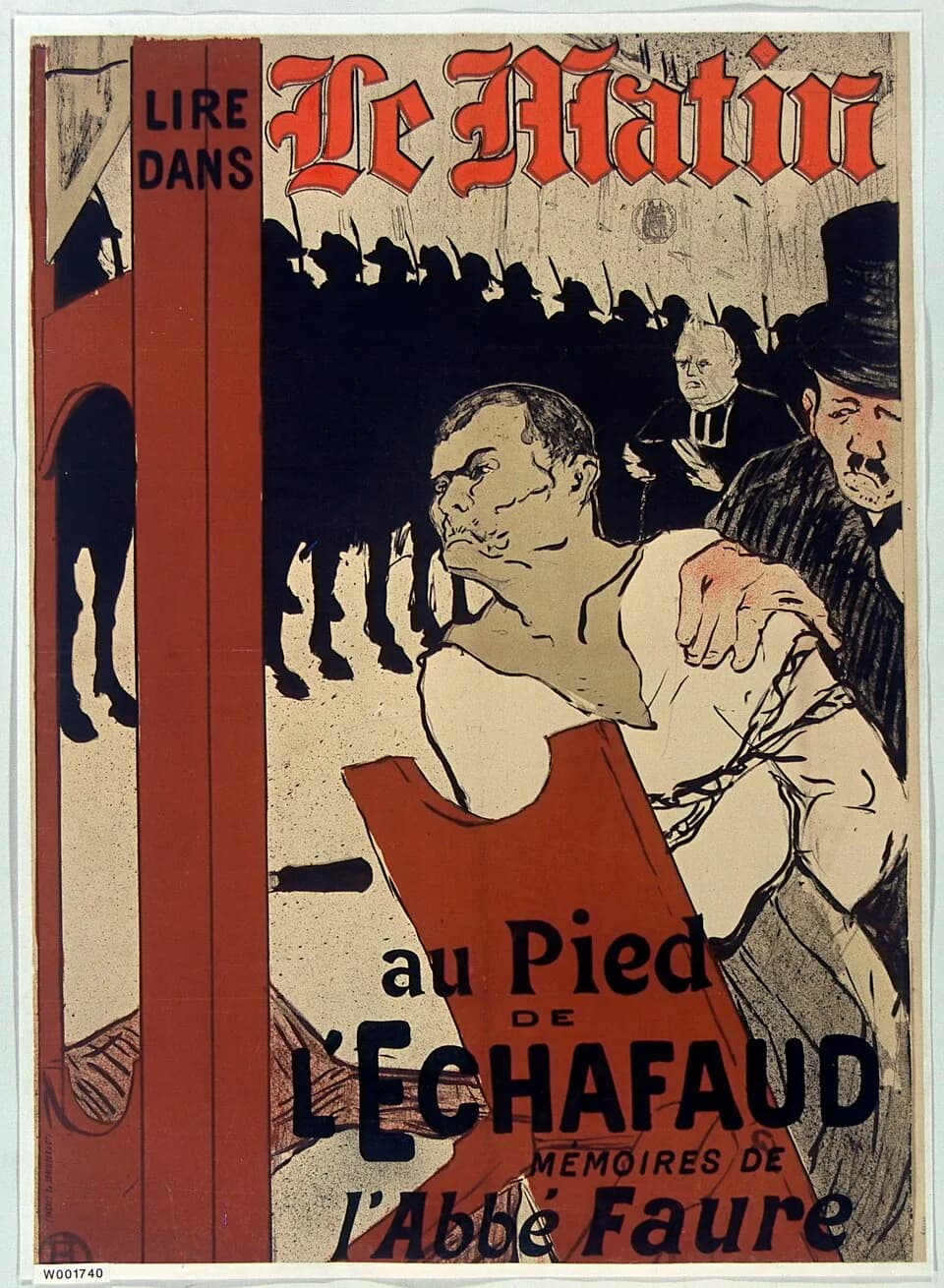
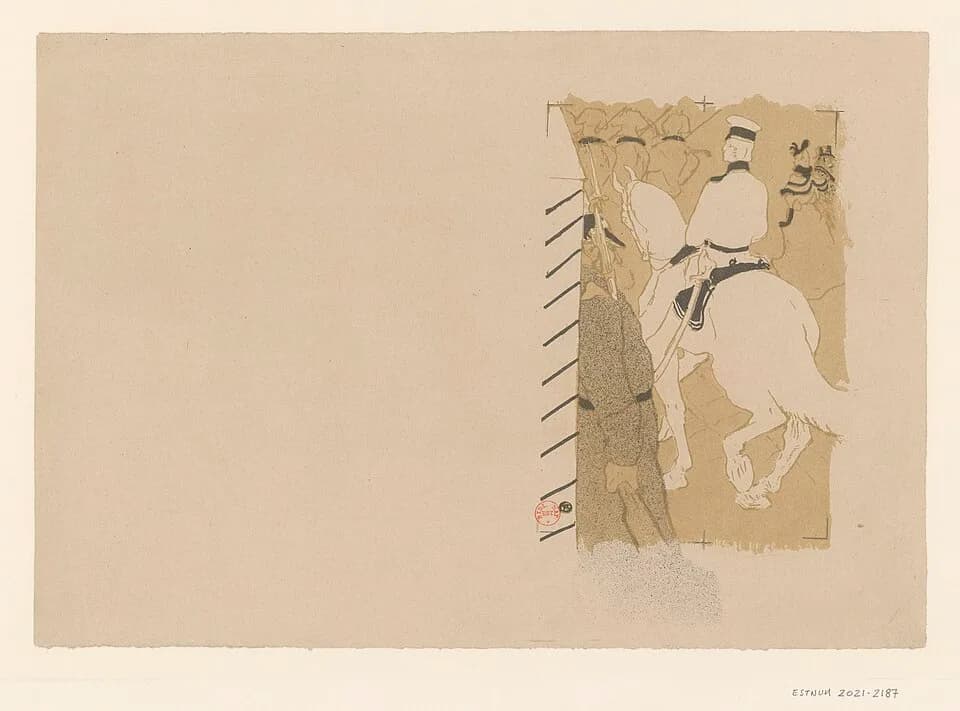
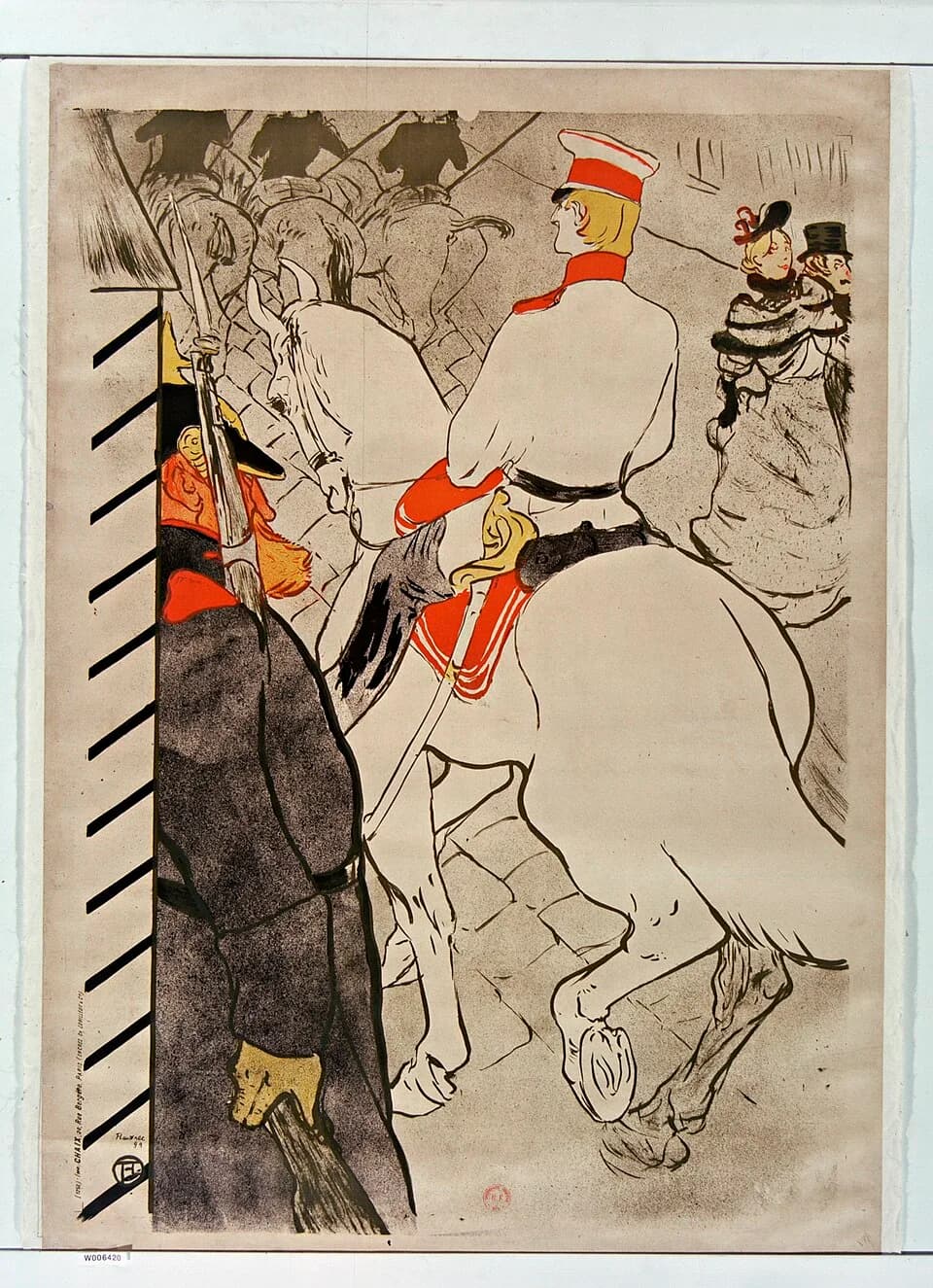
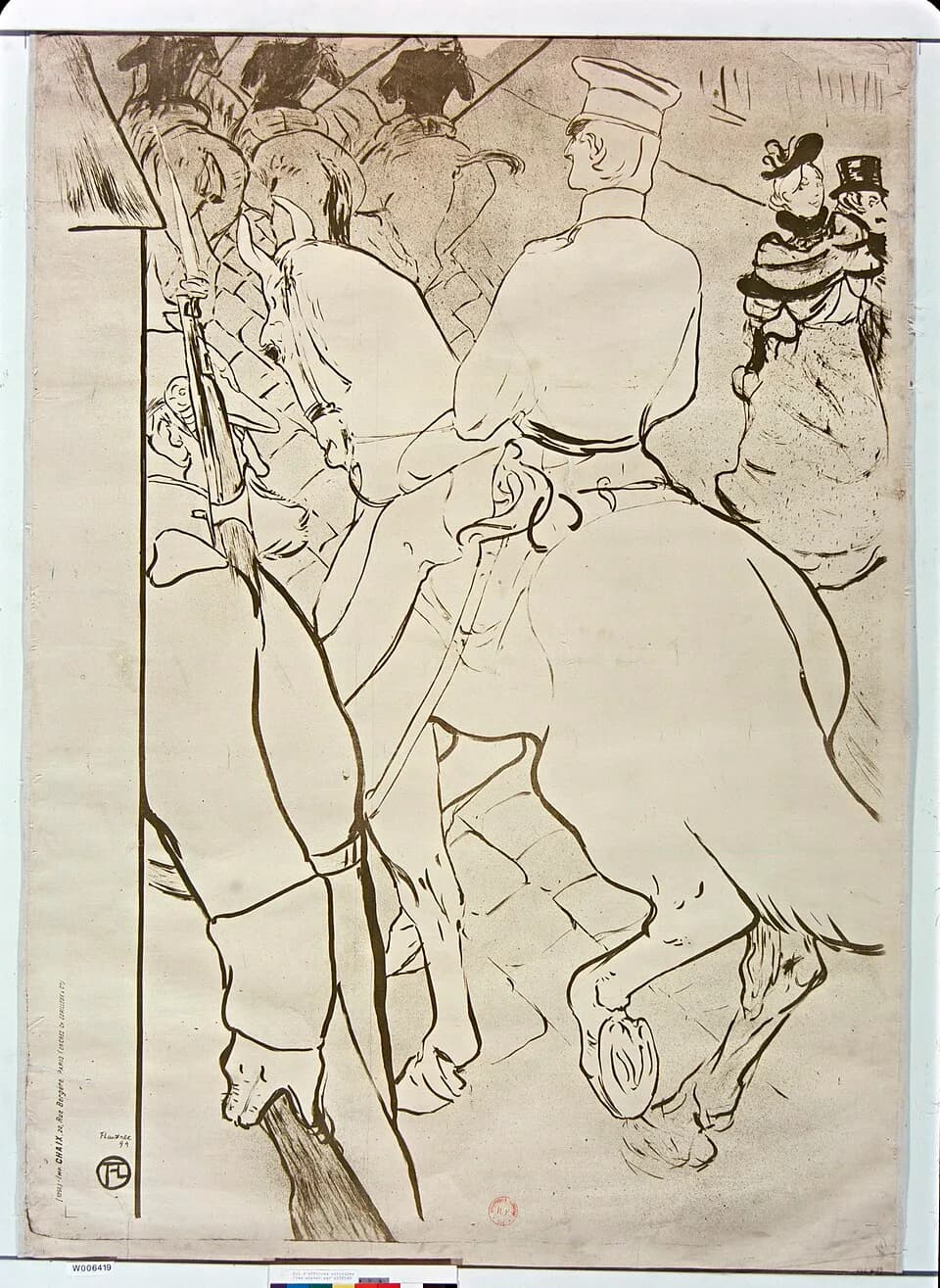
Toulouse-Lautrec became widely known for his groundbreaking work as a graphic designer and poster artist, elevating these commercial forms to high art. His vivid lithographs and striking posters revolutionized advertising and profoundly influenced the visual culture of his time. He meticulously crafted images for venues like the Moulin Rouge, creating instantly recognizable icons that continue to be celebrated today.
Beyond his contributions to graphic design, he was a versatile artist, excelling as a painter, printmaker, draughtsman, caricaturist, and illustrator. His professional roles also extended to graphic artist, visual artist, designer, ceramicist, printmaker, architectural draftsperson, draftsperson, and lithographer. This diverse range of professions underscores his extensive skill set and his significant impact across various artistic disciplines.
His ability to capture the specific energy and personalities of Paris made his art popular and enduring. Toulouse-Lautrec's distinctive style, characterized by bold lines, expressive brushstrokes, and a keen sense of observation, provided a unique chronicle of the fin-de-siècle era. His works offered an unparalleled look into a specific cultural moment, cementing his status as a key artistic voice.
Bölüm 5· Bölüm 5 / 8
Personal Life
Toulouse-Lautrec's personal life was intrinsically linked to the social circles and vibrant settings he so famously depicted. His presence among the performers, artists, and revelers of Paris allowed him a unique insider's perspective. He formed genuine connections with many of his subjects, which is often reflected in the empathy and candidness of his portraits and genre scenes.
His immersion in Parisian nightlife was not merely an artistic choice but a significant part of his daily existence. This close personal connection to the world he observed contributed to the authenticity and depth found within his extensive body of work.
Bölüm 6 · 1894· Bölüm 6 / 8
Notable Works or Contributions
Toulouse-Lautrec's extensive body of work vividly documented the characters and scenes of Parisian nightlife, held in prominent collections worldwide. Among his significant paintings held at the Metropolitan Museum of Art are "The Sofa" (ca. 1894–96), an intimate depiction of women in a domestic setting, and "The Englishman (William Tom Warrener, 1861–1934) at the Moulin Rouge" (1892), capturing a specific patron within the famous cabaret.
Other notable works from the Met Museum include "At the Circus: The Spanish Walk (Au Cirque: Le Pas espagnol)" (1899), demonstrating his fascination with performance, and insightful portraits such as "Albert (René) Grenier (1858–1925)" (1887) and "Émilie" (late 1890s). These pieces showcase his keen eye for individual personalities and their place within the broader Parisian landscape.
The Art Institute of Chicago houses many of his iconic pieces, including the renowned "At the Moulin Rouge" (1892–95), a large-scale work capturing the establishment's famous denizens and atmosphere. "Equestrienne (At the Cirque Fernando)" (1887–88) further exemplifies his interest in the circus, portraying the energy and grace of equestrian acts with his characteristic dynamism.
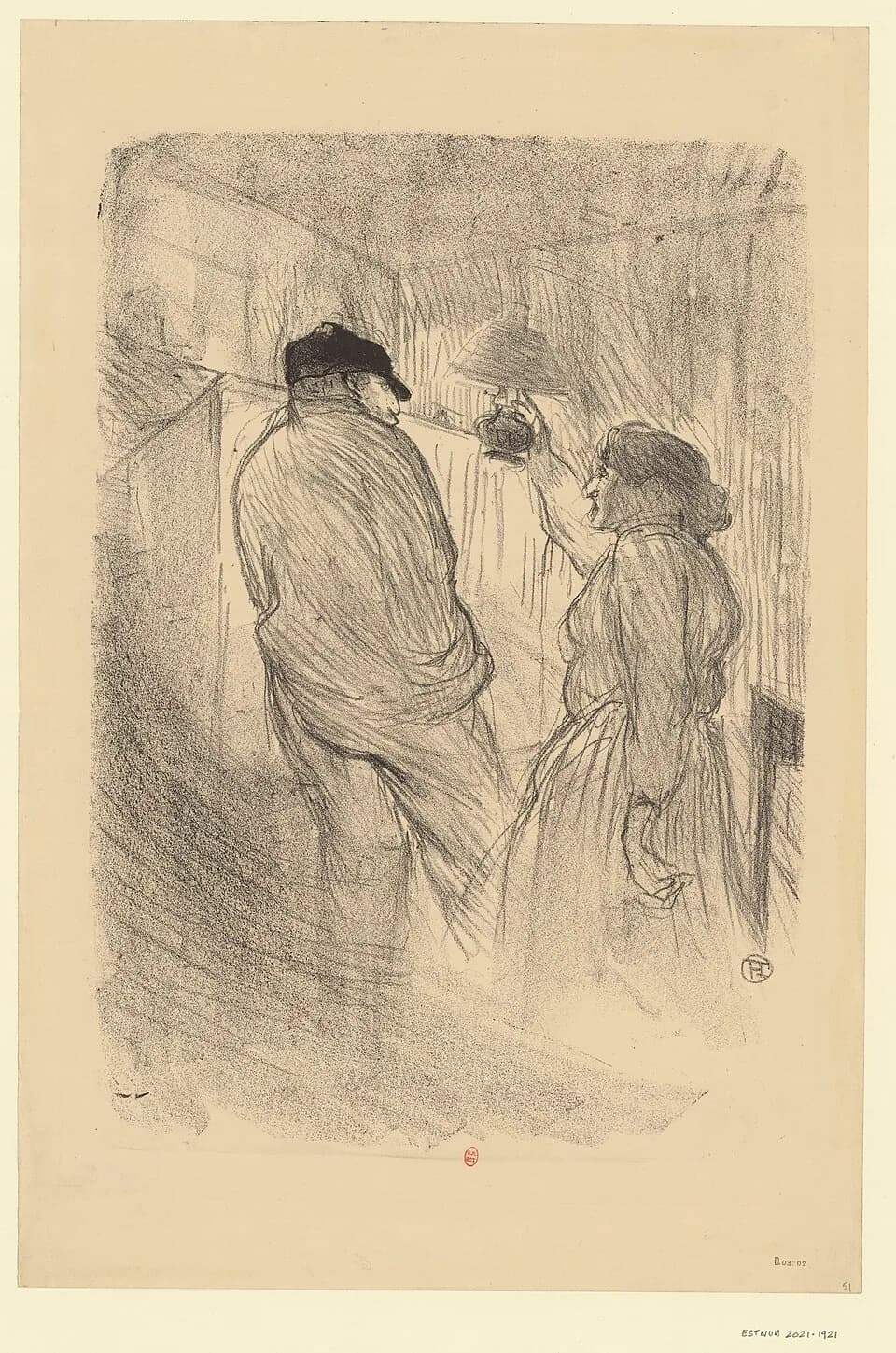
His diverse subject matter at the AIC also includes "Old Man and Young Girl" (1899), "Ballet Dancers" (1885–86), "Moulin de la Galette" (1889), and "At the Concert" (1896). Toulouse-Lautrec’s technical prowess as a lithographer is evident in works like "Taking a Bow, plate eight from Yvette Guilbert" (1898, printed 1930) and "Le Tocsin" (1895). Further contributions include "The Little Errand Girl" (1893) and "Portrait of Jeanne Wenz" (1886), all illustrating his broad artistic skill and observational power.
Bölüm 7· Bölüm 7 / 8
Later Years
Toulouse-Lautrec’s life, though tragically cut short, was marked by relentless creative activity and an unwavering commitment to his art. He continued producing art that captured the essence of Parisian life, its characters, and its spectacles until his final days, maintaining his unique style and prolific output.
Henri de Toulouse-Lautrec passed away on September 9, 1901, at the age of 36, in Saint-André-du-Bois, France. He left behind an extraordinary body of work that continues to captivate and inform, despite his untimely death.
Bölüm 8· Bölüm 8 / 8
Legacy and Impact
The artistic contributions of Toulouse-Lautrec continue to resonate deeply within the history of art. His revolutionary approach to graphic design and printmaking, particularly his iconic posters, forever altered the presentation of visual advertising and popular art. He is considered a pioneer who blurred the lines between fine art and commercial illustration, influencing generations to come.
He is remembered as a pioneering visual artist who fearlessly portrayed the realities of his world, offering an honest and often satirical lens on society. His authentic depictions of human experience solidified his place as one of France's most cherished and influential painters and illustrators, whose work remains a vital record of a bygone era.
Anlardaki bir yaşam
Bir yaşamı şekillendiren anlar
SSS
Sıkça sorulanlar
Henri de Toulouse-Lautrec ne zaman öldü?
Henri de Toulouse-Lautrec, 9 Eylül 1901 tarihinde Saint-André-du-Bois, France'da öldü, 36 yaşındaydı.
Henri de Toulouse-Lautrec nerede doğdu?
Henri de Toulouse-Lautrec, Albi, France'da 24 Kasım 1864 tarihinde doğdu.
Henri de Toulouse-Lautrec en çok ne ile tanınıyor?
Henri de Toulouse-Lautrec en çok French painter and illustrator ile tanınmaktadır.
Henri de Toulouse-Lautrec öldüğünde kaç yaşındaydı?
Henri de Toulouse-Lautrec öldüğünde 36 yaşındaydı.
Henri de Toulouse-Lautrec'in milliyeti neydi?
Henri de Toulouse-Lautrec France'denddi.
Zaman çizelgesi
Bir bakışta yaşam
Fotoğraf galerisi
Resimlerle bir yaşam
Genişletmek için herhangi bir polaroide tıklayın · 50 fotoğraf
QR Kodu
Bu Biyografiyi Paylaş
Yazdır ve Paylaş
Bu biyografi sayfasını ziyaret etmek için tarayın. Etkinlikler, sergiler veya eğitim materyalleri için yazdırın.