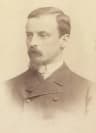
Doğum
December 12, 1866
Mulhouse, France
Vefat
November 15, 1919
Zurich, Switzerland
Tanındığı şey
Swiss chemist Nobel laureate
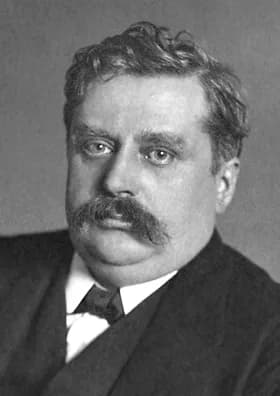
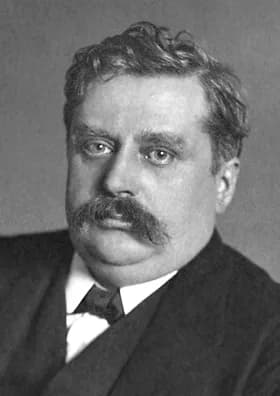
Alfred Werner (1866–1919) was France best known for Swiss chemist Nobel laureate.
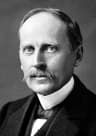
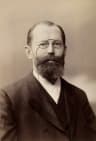
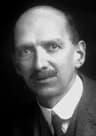
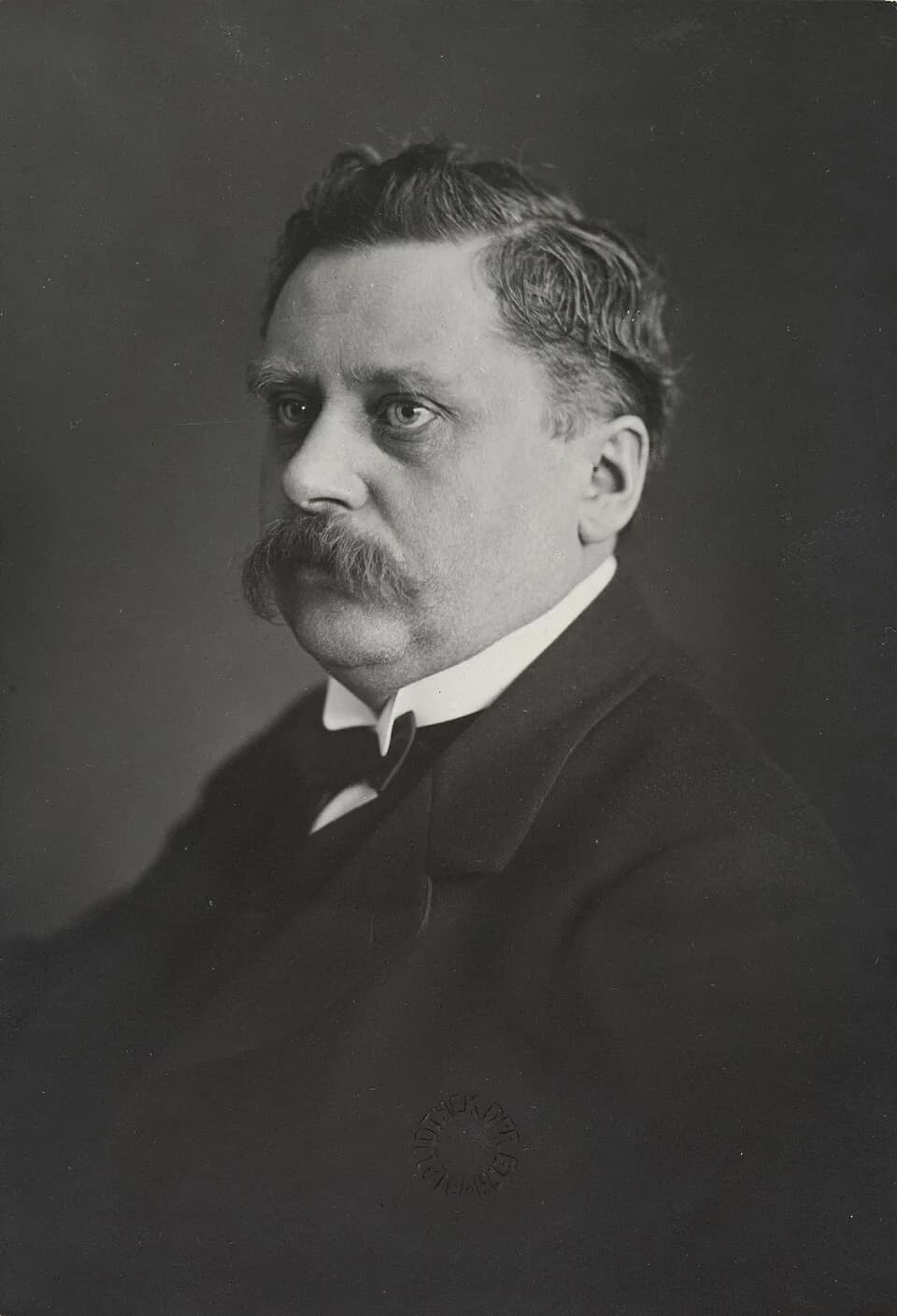
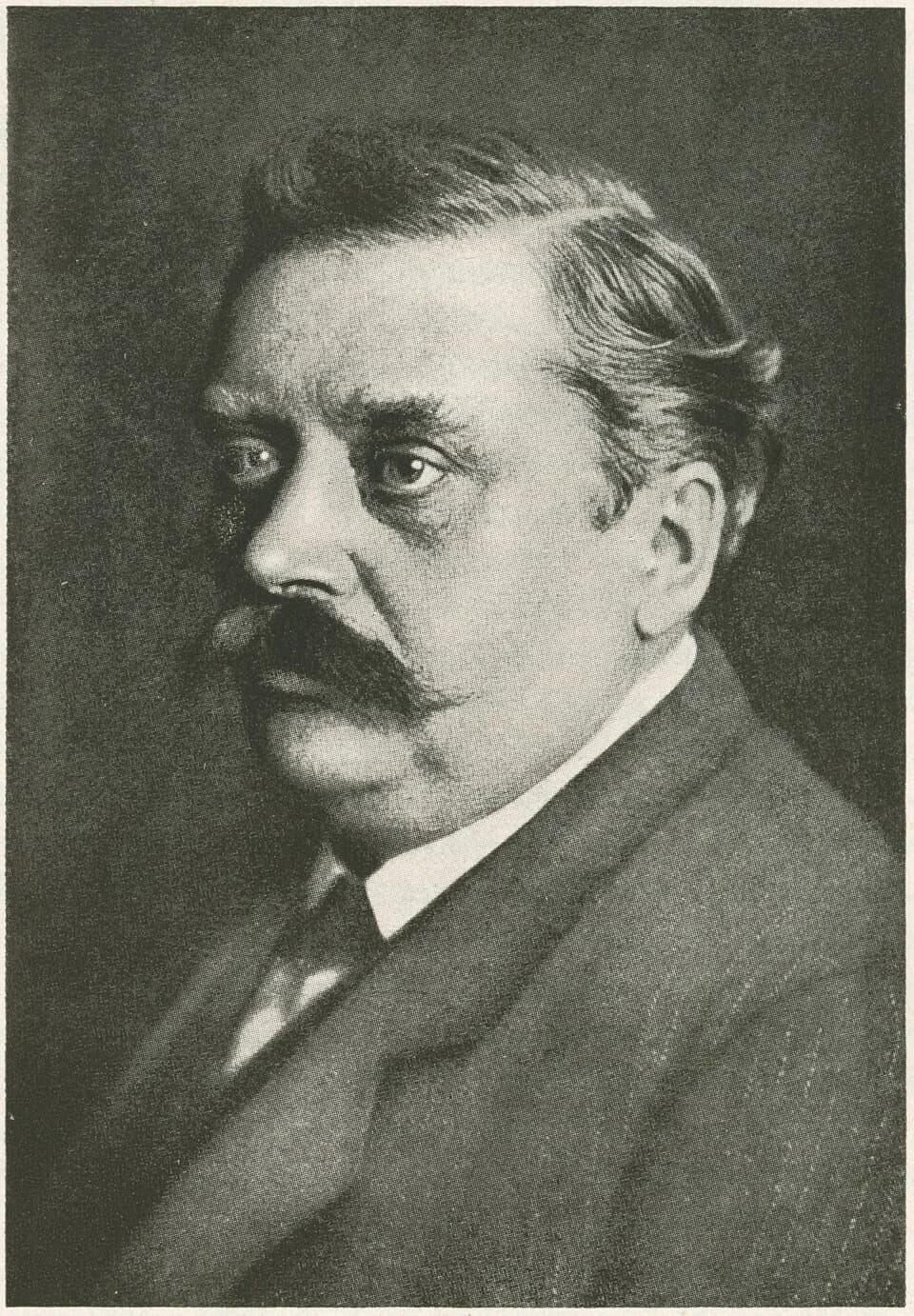
Alfred Werner (December 12, 1866 – November 15, 1919) was a Swiss chemist who won the Nobel Prize in Chemistry in 1913. He developed the octahedral configuration theory for transition metal complexes and established the foundation for modern coordination chemistry. Werner was the first inorganic chemist to receive the Nobel Prize.
Bölüm
Yaşam bölümleri
Bölüm 1 · 1866· Bölüm 1 / 6
Early Life and Origins
Alfred Werner was born on December 12, 1866, in Mulhouse, France. Growing up in this Alsatian city during a period of significant political change, Werner developed an early interest in the sciences. His formative years in Mulhouse provided him with exposure to both French and German scientific traditions, which would later influence his approach to chemistry.
Werner pursued his higher education at ETH Zurich, one of Europe's most prestigious technical universities. As a student at ETH Zurich, he immersed himself in the study of chemistry and demonstrated exceptional analytical skills. His time at the institution laid the foundation for his future groundbreaking research in inorganic chemistry.
Bölüm 2· Bölüm 2 / 6
Career Beginnings
After completing his studies at ETH Zurich, Werner began his academic career with a focus on chemical structure and bonding. His early work centered on understanding how atoms arrange themselves within molecules, a field that was still developing in the late 19th century. Werner's approach combined theoretical insights with experimental verification.
He eventually secured a position at the University of Zurich, where he would spend the majority of his career as both a researcher and university teacher. This role allowed him to pursue his research interests while training the next generation of chemists.
Bölüm 3· Bölüm 3 / 6
Major Achievements and Career Highlights
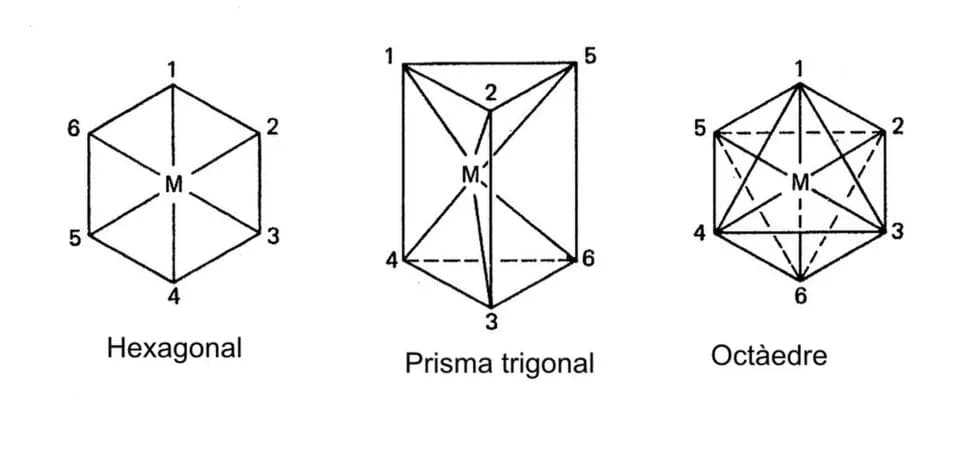
Werner's most significant contribution to chemistry was his proposal of the octahedral configuration of transition metal complexes. This theory explained how certain atoms could be arranged in three-dimensional space around a central metal atom, forming a structure resembling an octahedron. His work provided crucial insights into the spatial arrangement of atoms in inorganic compounds.
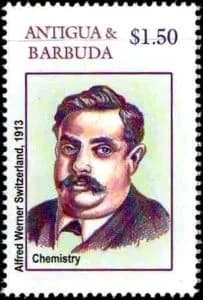
In 1913, Werner received the Nobel Prize in Chemistry "in recognition of his work on the linkage of atoms in molecules by which he has thrown new light on earlier investigations and opened up new fields of research especially in inorganic chemistry." This recognition made him the first inorganic chemist to win the Nobel Prize, and remarkably, he remained the only inorganic chemist to receive this honor until 1973.
Bölüm 4· Bölüm 4 / 6
Notable Works and Contributions
Werner developed the theoretical basis for modern coordination chemistry, a branch of chemistry that studies compounds containing metal atoms surrounded by other atoms or molecules. His theories explained the behavior of complex inorganic compounds that had puzzled chemists for decades. Through his research, Werner demonstrated how metal atoms could form bonds with multiple surrounding atoms in predictable geometric patterns.
His work opened entirely new fields of research in inorganic chemistry, allowing future chemists to understand and predict the properties of metal-containing compounds. These insights proved essential for later developments in materials science, catalysis, and industrial chemistry.
Bölüm 5 · 1913· Bölüm 5 / 6
Later Years
Werner continued his research and teaching at the University of Zurich throughout his career, maintaining his position as one of Europe's leading chemists. His Nobel Prize recognition in 1913 brought international attention to his work and solidified his reputation as a pioneer in chemical theory. He remained active in research and continued to refine his understanding of molecular structure.
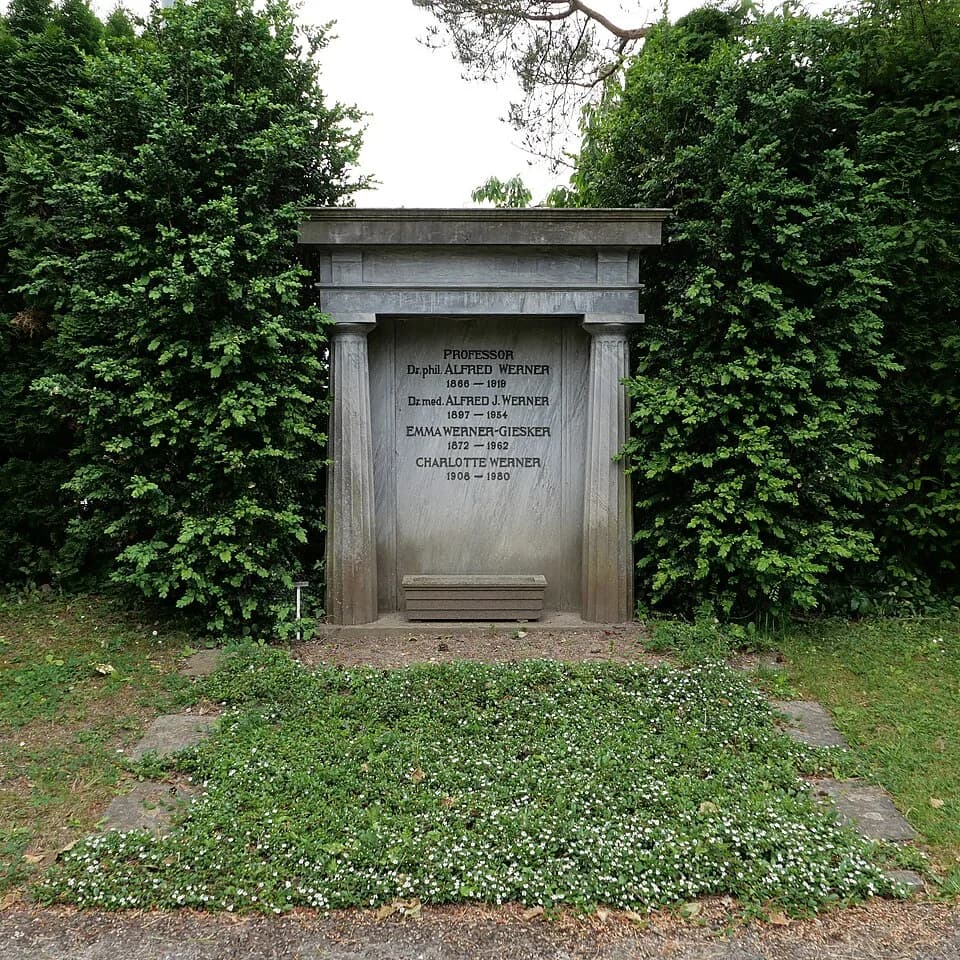
Alfred Werner died on November 15, 1919, in Zurich, Switzerland, where he had spent most of his professional life. His death at age 52 cut short a brilliant career that had already transformed the field of inorganic chemistry.
Bölüm 6· Bölüm 6 / 6
Legacy and Impact
Werner's theoretical framework for understanding coordination compounds remains fundamental to modern chemistry education and research. His octahedral model and broader coordination theory are still taught to chemistry students worldwide and continue to guide research in inorganic chemistry. The principles he established help chemists design new materials and understand the behavior of complex chemical systems.
His achievement as the first inorganic chemist to win the Nobel Prize highlighted the importance of structural chemistry and encouraged further research in this area. Werner's work bridged the gap between theoretical chemistry and practical applications, demonstrating how understanding molecular structure could lead to new discoveries and innovations in chemical science.
Anlardaki bir yaşam
Bir yaşamı şekillendiren anlar
SSS
Sıkça sorulanlar
Alfred Werner ne zaman öldü?
Alfred Werner, 15 Kasım 1919 tarihinde Zurich, Switzerland'da öldü, 52 yaşındaydı.
Alfred Werner nerede doğdu?
Alfred Werner, Mulhouse, France'da 12 Aralık 1866 tarihinde doğdu.
Alfred Werner en çok ne ile tanınıyor?
Alfred Werner en çok Swiss chemist Nobel laureate ile tanınmaktadır.
Alfred Werner öldüğünde kaç yaşındaydı?
Alfred Werner öldüğünde 52 yaşındaydı.
Alfred Werner'in milliyeti neydi?
Alfred Werner France'denddi.
Zaman çizelgesi
Bir bakışta yaşam
Fotoğraf galerisi
Resimlerle bir yaşam
Genişletmek için herhangi bir polaroide tıklayın · 42 fotoğraf
QR Kodu
Bu Biyografiyi Paylaş
Yazdır ve Paylaş
Bu biyografi sayfasını ziyaret etmek için tarayın. Etkinlikler, sergiler veya eğitim materyalleri için yazdırın.