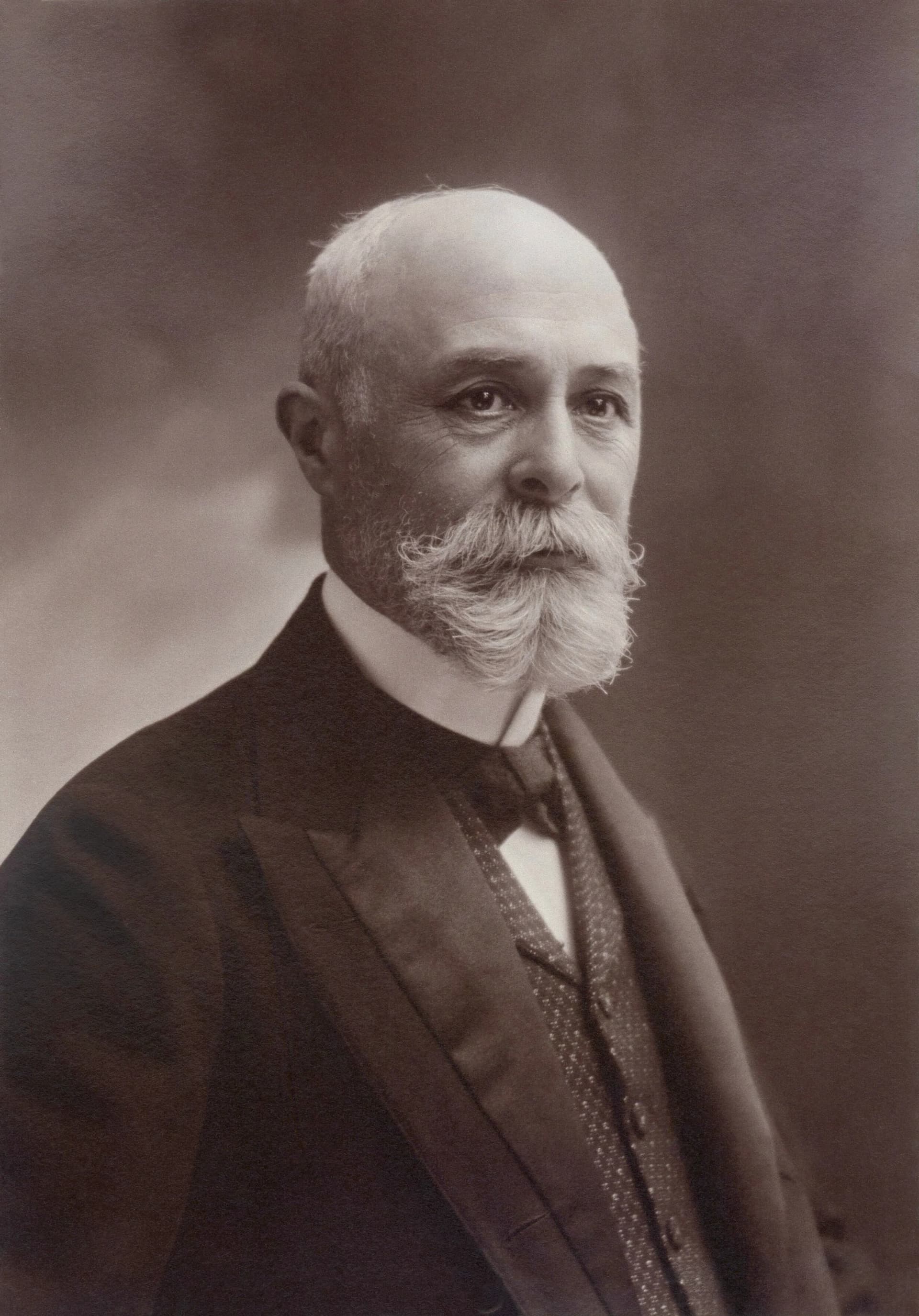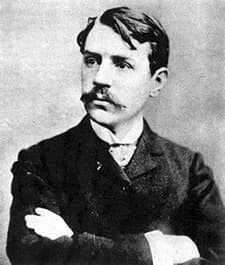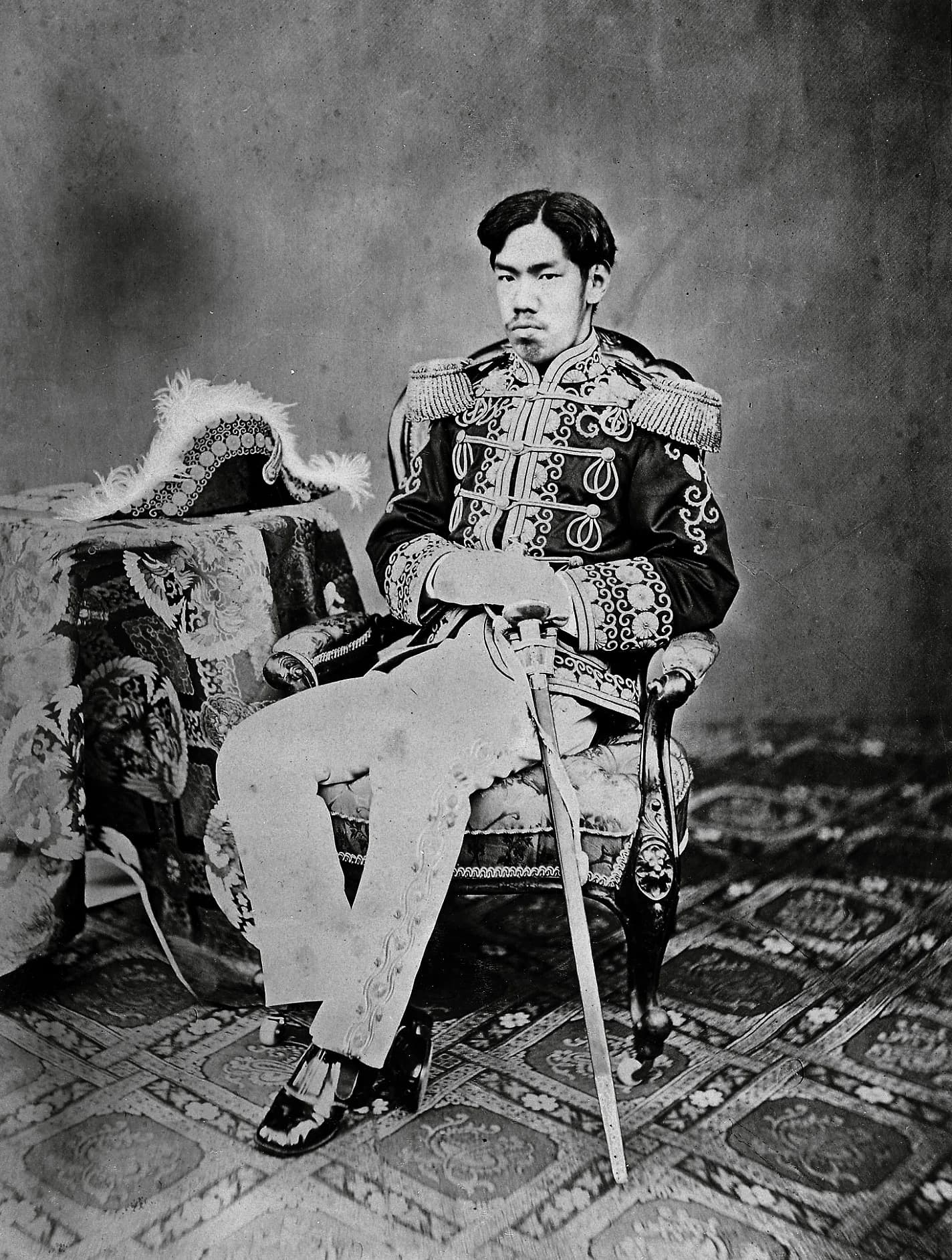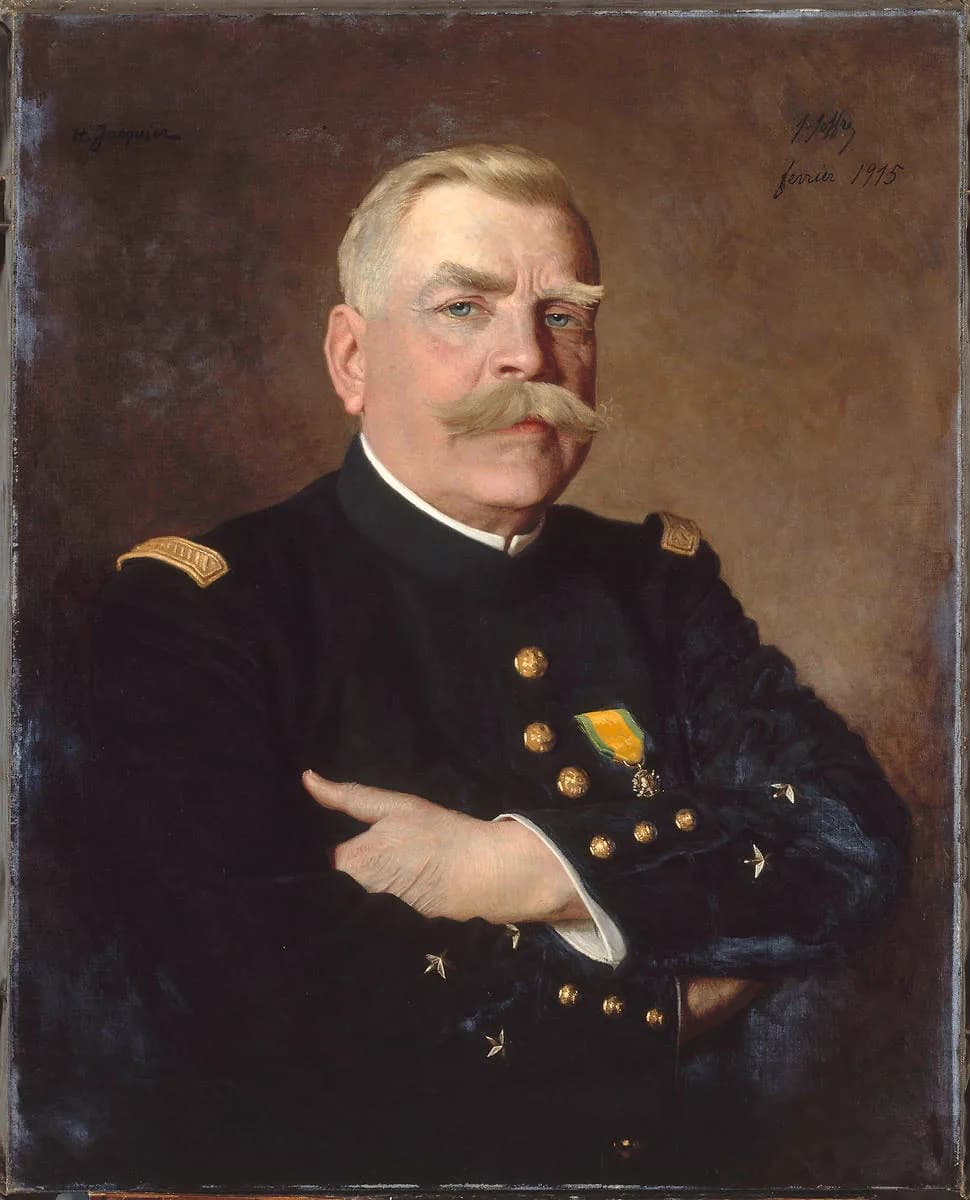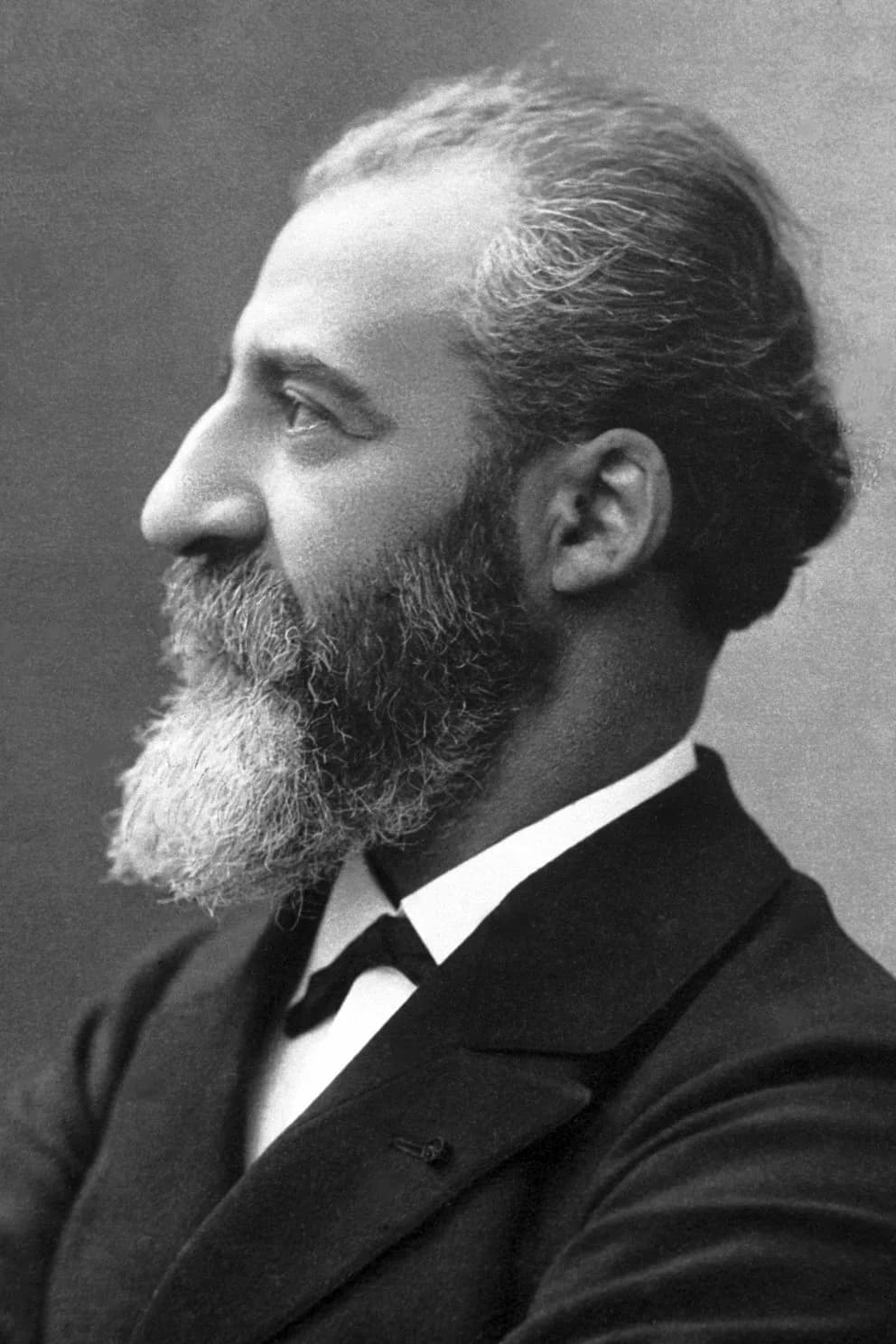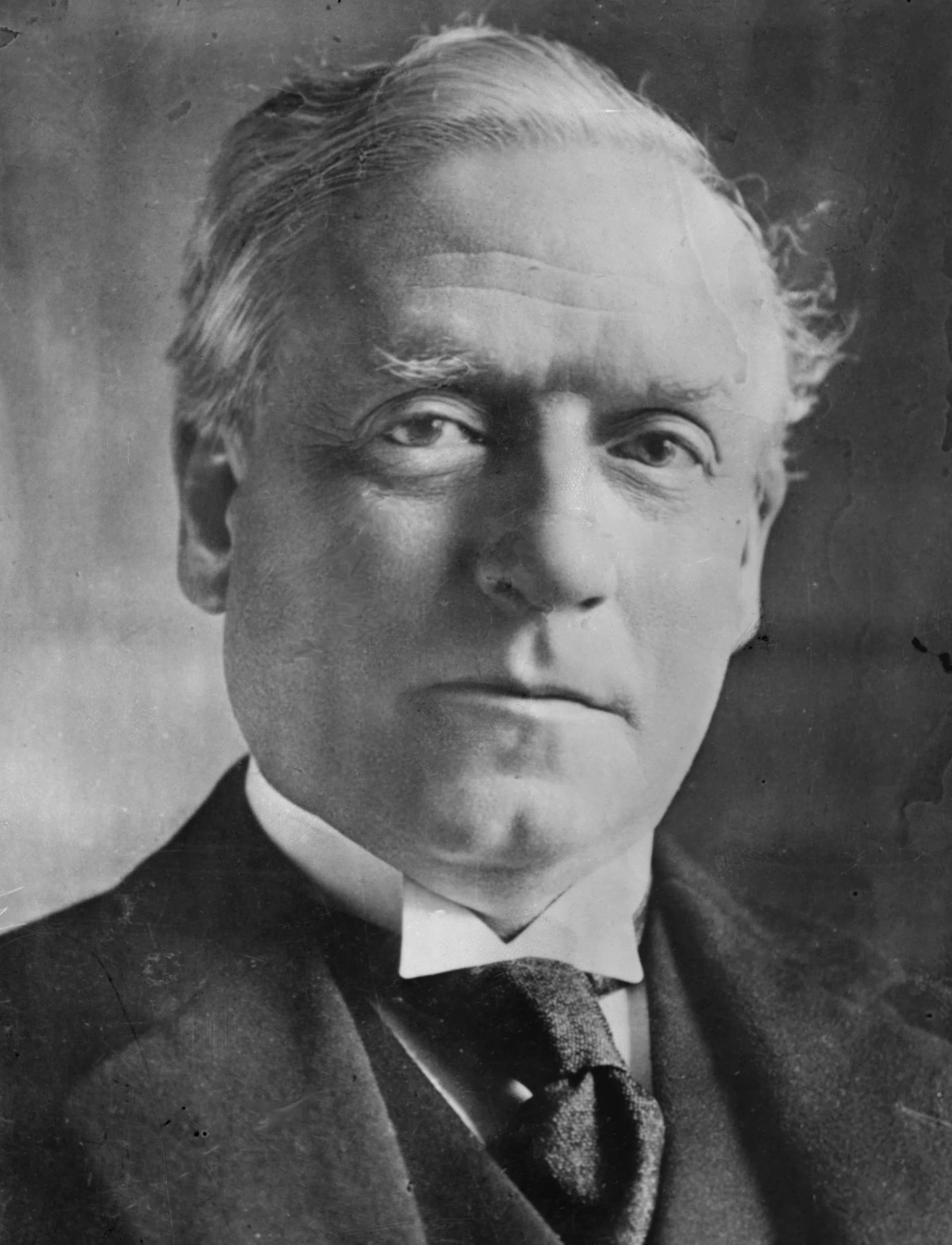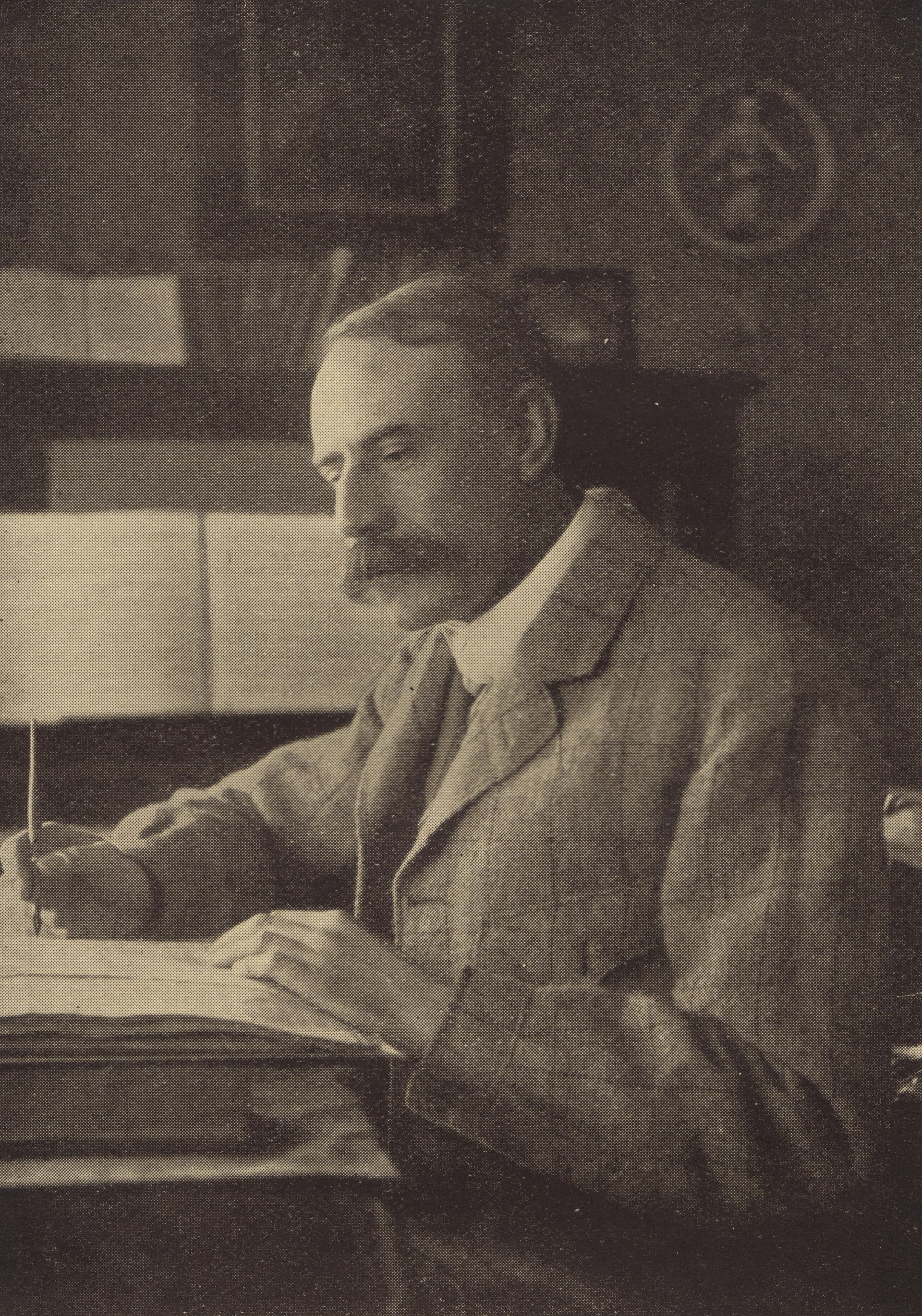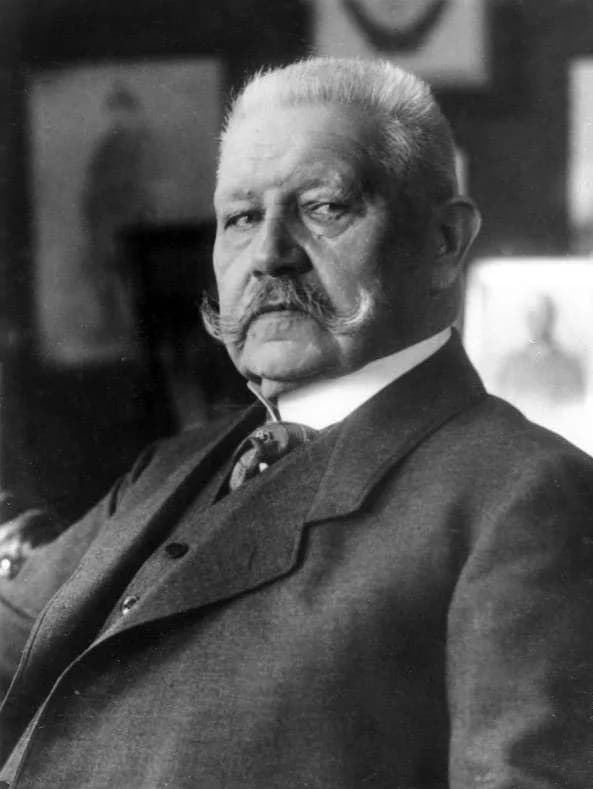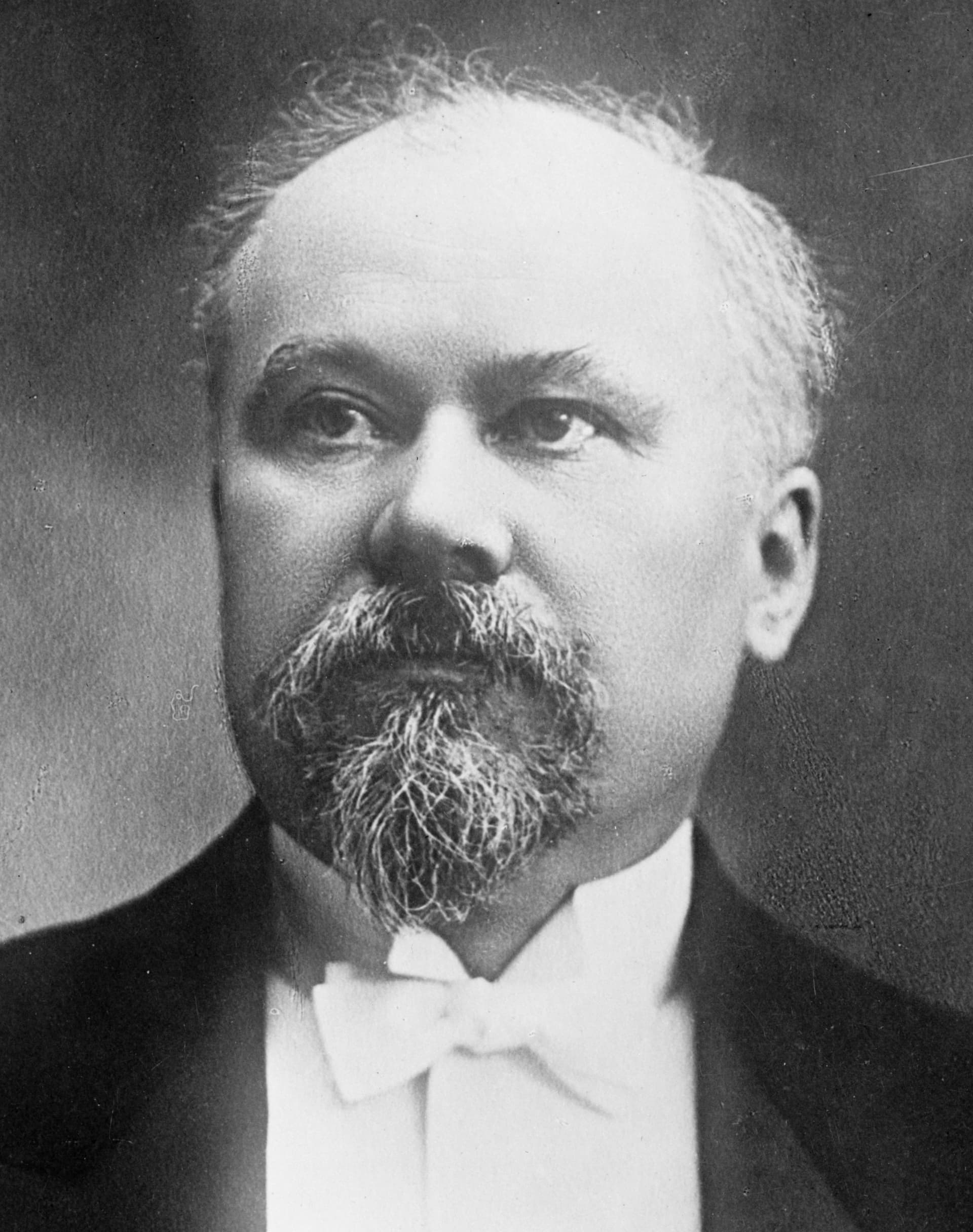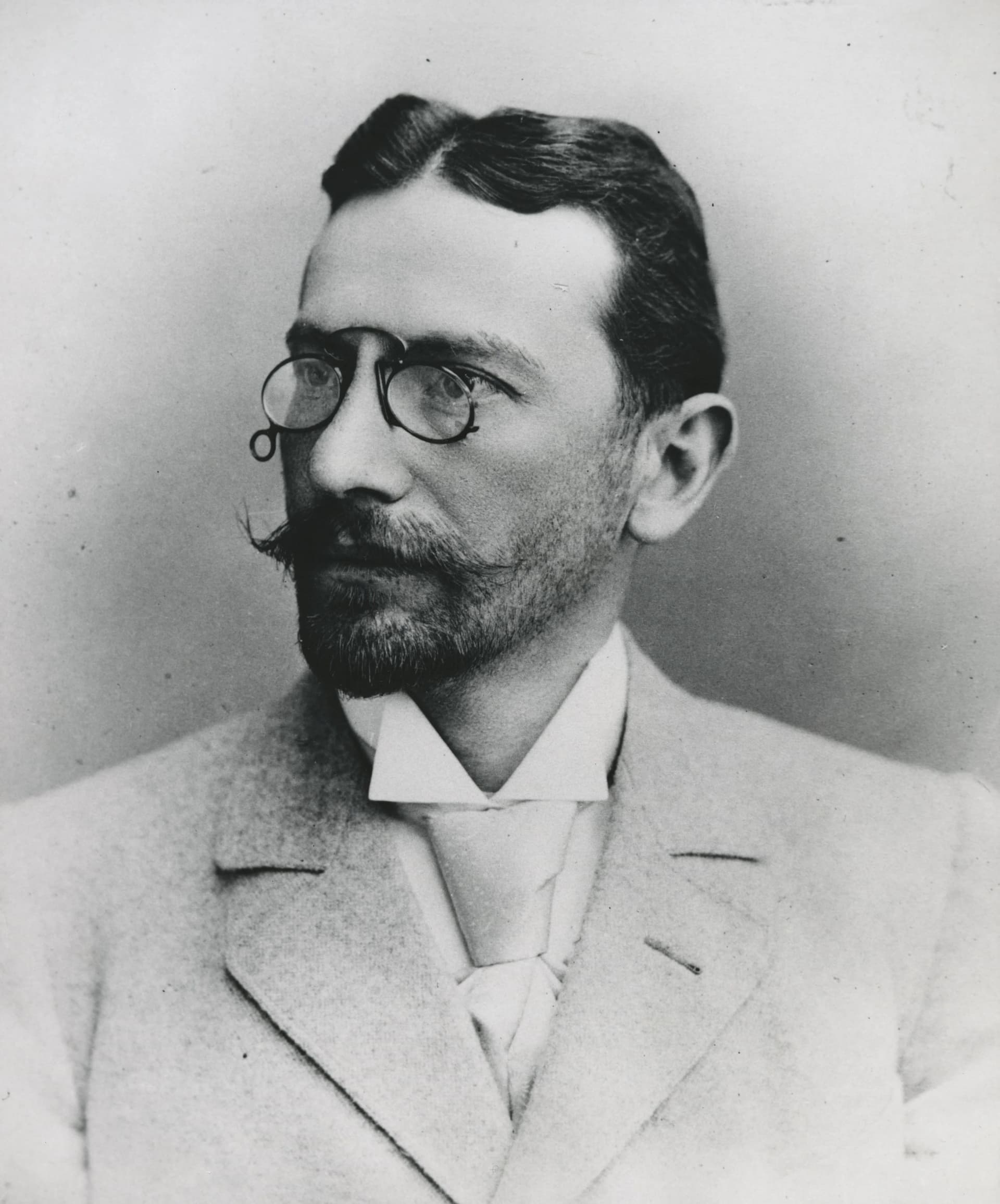
Ipinanganak
May 1, 1852
Petilla de Aragón, Spain
Pumanaw
October 17, 1934
Madrid, Spain
Kilala sa
Spanish scientist
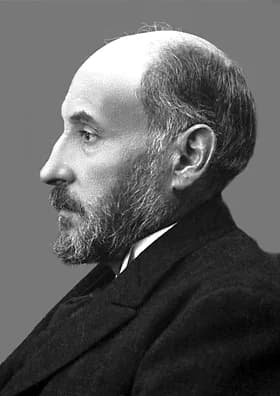
Santiago Ramón y Cajal (1852–1934) was Spain best known for Spanish scientist.
Santiago Ramón y Cajal (May 1, 1852 – October 17, 1934) was a Spanish neuroscientist and pathologist from Petilla de Aragón. He pioneered modern neuroscience through his original investigations of the brain's microscopic structure. His vital contributions earned him the Nobel Prize in Physiology or Medicine in 1906.
Isang buhay sa mga sandali
Ang mga sandaling humubog sa isang buhay
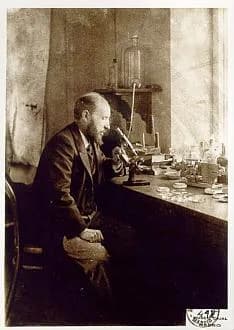
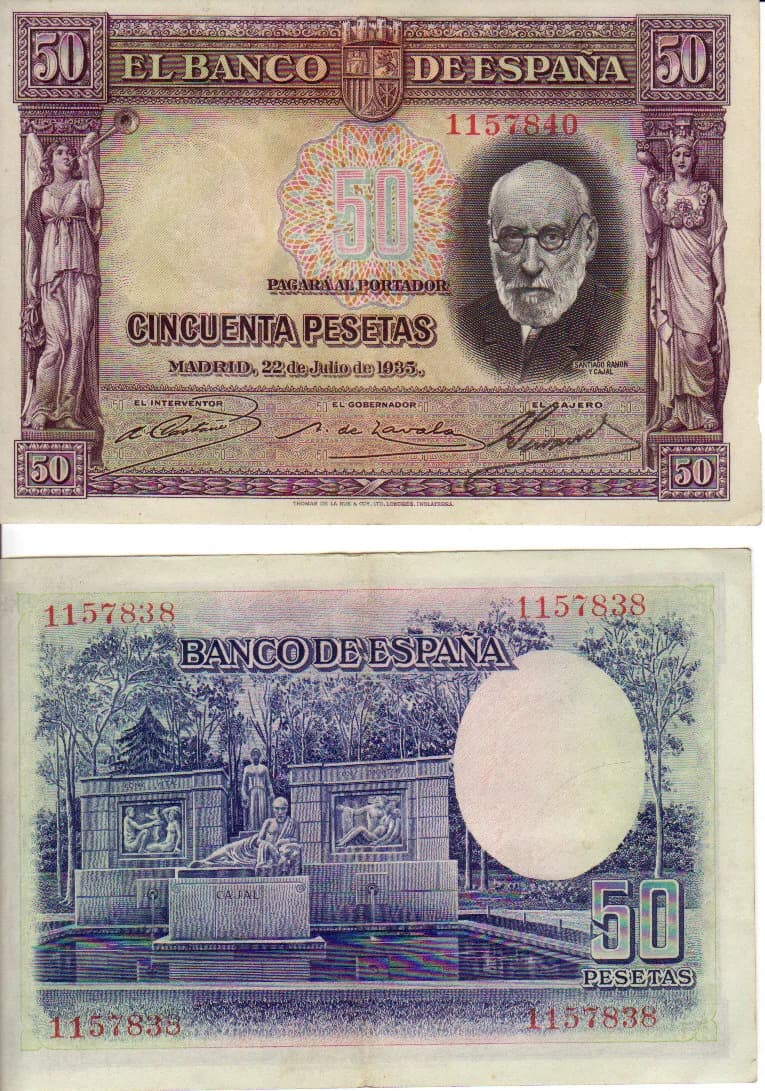
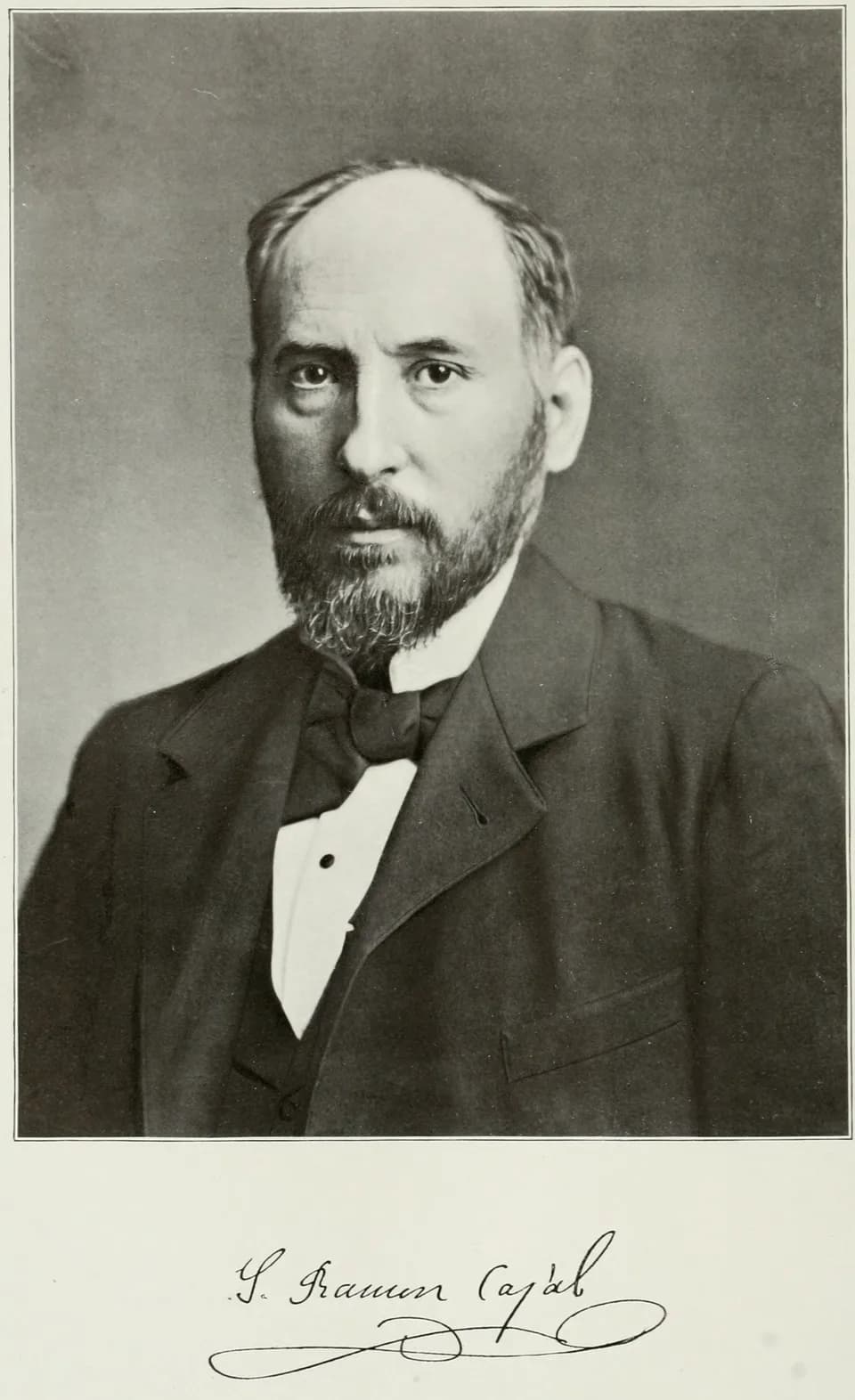
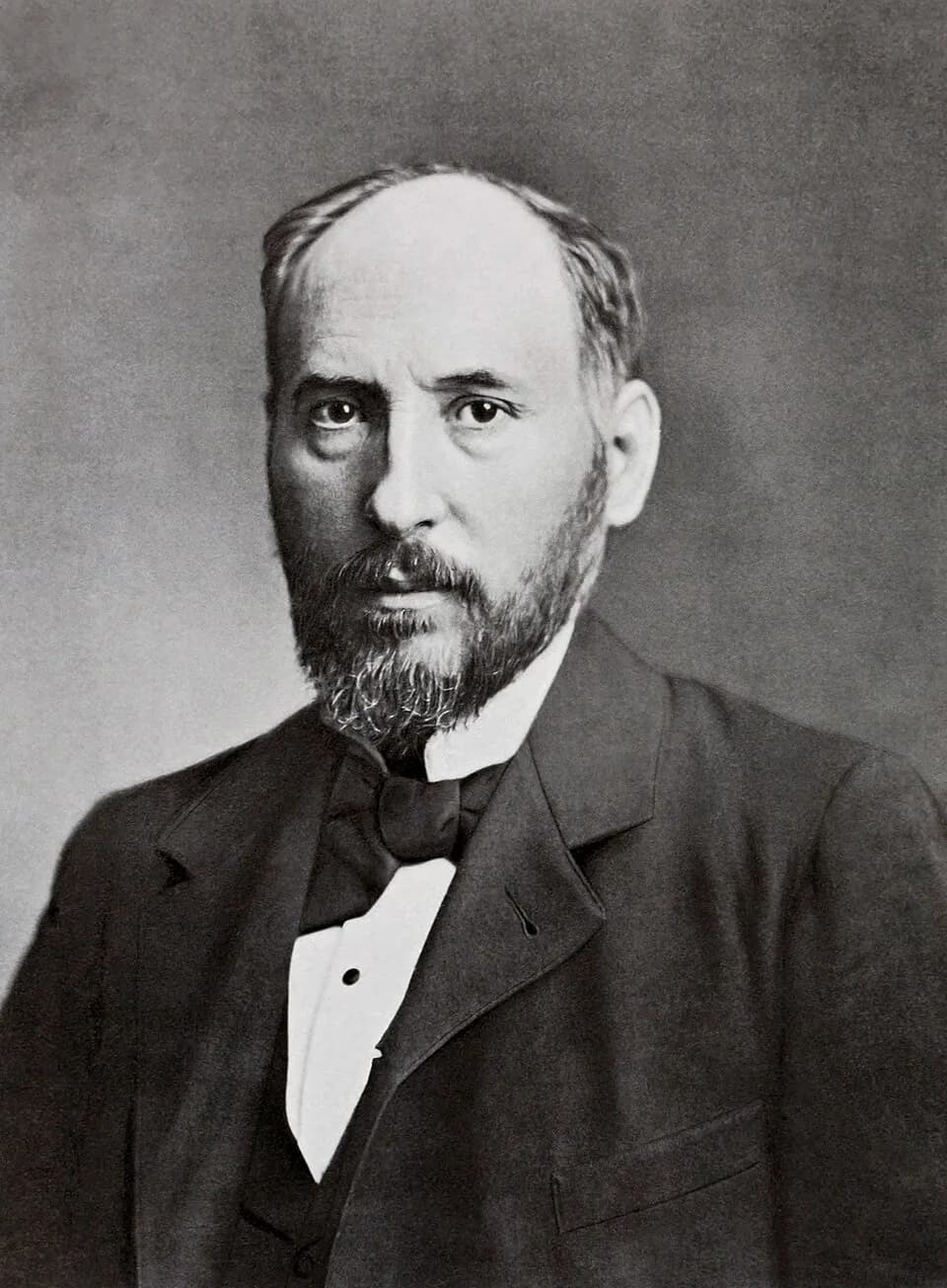
Kabanata
Mga kabanata ng buhay
Kabanata 1 · 1852· Kabanata 1 ng 6
Early Life and Origins
Santiago Ramón y Cajal began his life's journey in Petilla de Aragón, Spain, in 1852. His early environment fostered a keen intellect and a broad range of interests that would later define his diverse career path. From these humble beginnings in rural Spain, he would rise to become a figure of international scientific renown.
Kabanata 2· Kabanata 2 ng 6
Career Beginnings
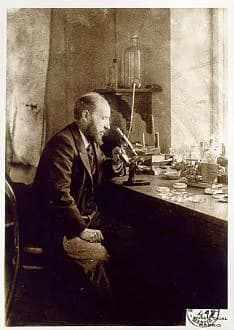
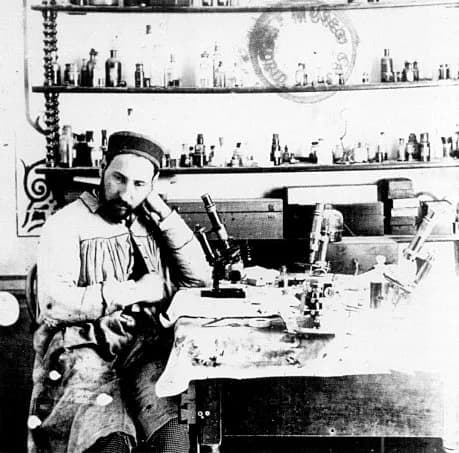
Before his specialized focus on neuroanatomy, Ramón y Cajal engaged in a variety of professions, showcasing his expansive talents. He was a photographer, a chemist, and a physician, accumulating a wide array of skills. These early endeavors undoubtedly contributed to his meticulous observational abilities and his innovative approach to scientific inquiry.
Kabanata 3 · 1906· Kabanata 3 ng 6
Major Achievements and Career Highlights
Ramón y Cajal's most significant contributions were in the fields of neuroanatomy and the central nervous system, where he was recognized as a leading histologist and pathologist. His original investigations into the brain's microscopic structure established him as a pioneer of modern neuroscience. This seminal work earned him, alongside Camillo Golgi, the Nobel Prize in Physiology or Medicine in 1906, a historic achievement as the first Spaniard to receive a scientific Nobel Prize.
The Nobel Committee recognized their collaborative and distinct contributions, specifically citing their work on the structure of the nervous system. Ramón y Cajal's detailed drawings and descriptions of neurons revolutionized the understanding of how nerve cells are organized and function. His efforts laid the foundation for future generations of neuroscientists.
Kabanata 4· Kabanata 4 ng 6
Notable Works and Contributions
Throughout his career, Santiago Ramón y Cajal authored numerous influential works that documented his scientific findings and philosophical insights. Among his significant publications are 'La cellule nerveuse' and 'Comparative study of the sensory areas of the human cortex'. These texts provided deep insights into the structure and function of the nervous system, cementing his authority in the field.
Other important contributions include 'Elementos de histología normal y de tecnica micrografía' and 'Elementos de histología normal y de técnica micrografica para uso de estudiantes,' which served as foundational educational resources. His literary range also extended to works like 'La infancia de Ramón y Cajal' and 'Los tónicos de la voluntad,' reflecting his broader intellectual and personal interests beyond pure science.
Kabanata 5 · 1934· Kabanata 5 ng 6
Later Years
Santiago Ramón y Cajal continued his dedication to science and education until his passing in Madrid, Spain, on October 17, 1934. His final years were spent in the city that had been a major center for his professional life. His death marked the end of an era for Spanish science and global neuroscience.
Kabanata 6· Kabanata 6 ng 6
Legacy and Impact
Santiago Ramón y Cajal's legacy is profound and far-reaching, establishing him as a foundational figure in neuroscience. His detailed studies of nerve cells and their connections provided the anatomical basis for understanding brain function. His precise drawings and theories about the neuron doctrine remain central to the discipline.
His meticulous research and innovative methodologies continue to inspire scientists globally. Ramón y Cajal's work permanently altered the scientific landscape, making him an enduring symbol of scientific curiosity and dedication. His influence extends beyond the laboratory, touching upon his roles as an essayist and a politician, reflecting a life committed to knowledge and progress.
FAQ
Mga madalas itanong
Kailan namatay si Santiago Ramón y Cajal?
Namatay si Santiago Ramón y Cajal noong Oktubre 17, 1934 sa Madrid, Spain, sa edad na 82.
Saan ipinanganak si Santiago Ramón y Cajal?
Ipinanganak si Santiago Ramón y Cajal sa Petilla de Aragón, Spain noong Mayo 1, 1852.
Para saan kilala si Santiago Ramón y Cajal?
Si Santiago Ramón y Cajal ay kilala sa Spanish scientist.
Ilang taong gulang si Santiago Ramón y Cajal nang siya ay namatay?
Si Santiago Ramón y Cajal ay 82 taong gulang nang siya ay namatay.
Ano ang nasyonalidad ni Santiago Ramón y Cajal?
Si Santiago Ramón y Cajal ay galing sa Spain.
Timeline
Buhay sa isang sulyap
Photo gallery
Isang buhay sa mga larawan
I-click ang anumang polaroid upang palakihin · 49 na larawan
QR Code
Ibahagi ang Talambuhay na Ito
I-print at Ibahagi
I-scan upang bisitahin ang biography page na ito. I-print para sa mga kaganapan, eksibisyon, o materyal pang-edukasyon.