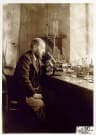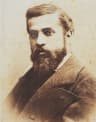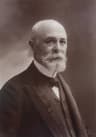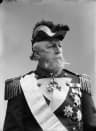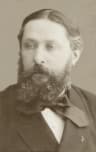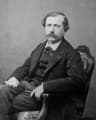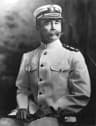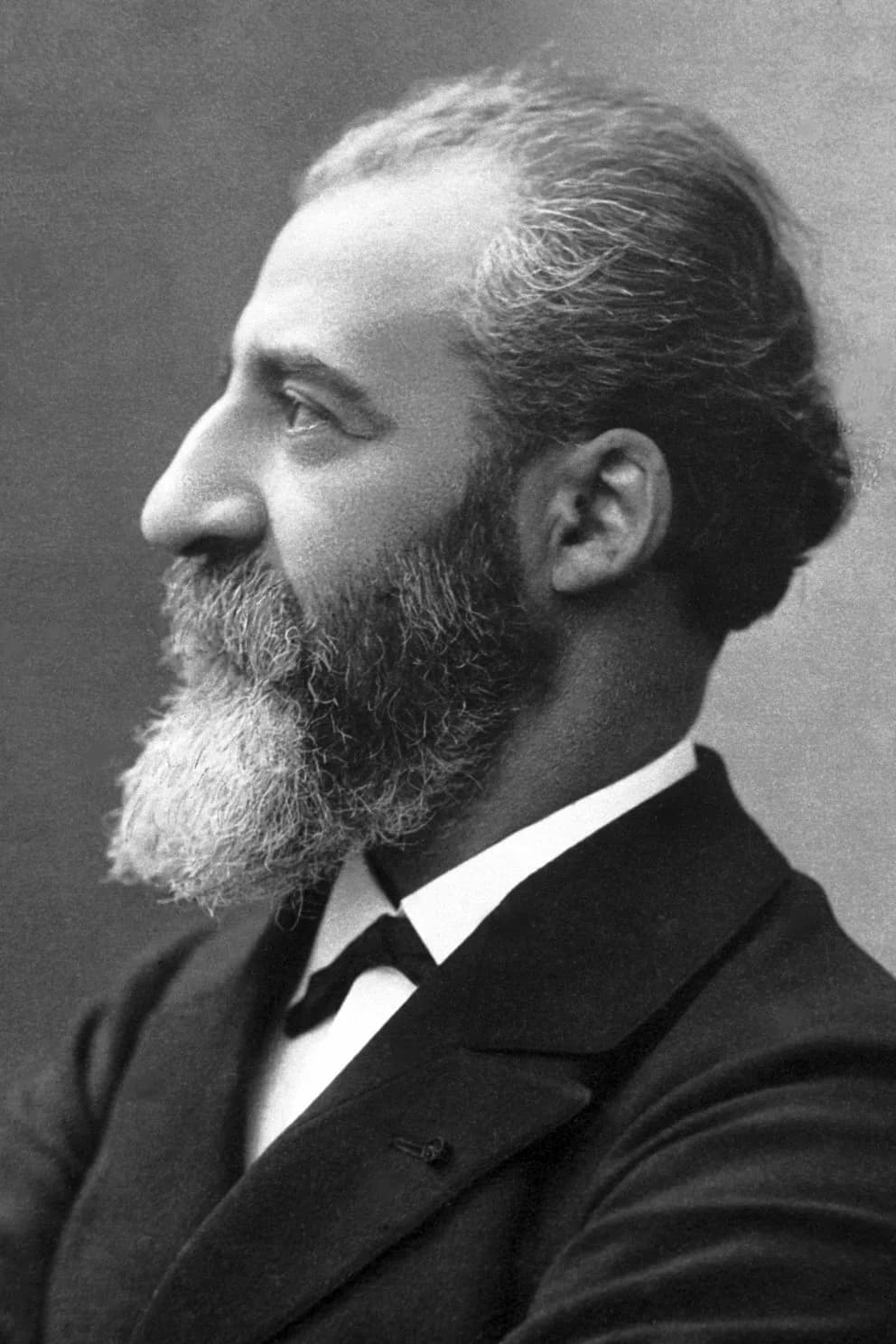
Ipinanganak
September 28, 1852
Paris, France
Pumanaw
February 20, 1907
Paris, France
Kilala sa
French chemist
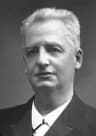
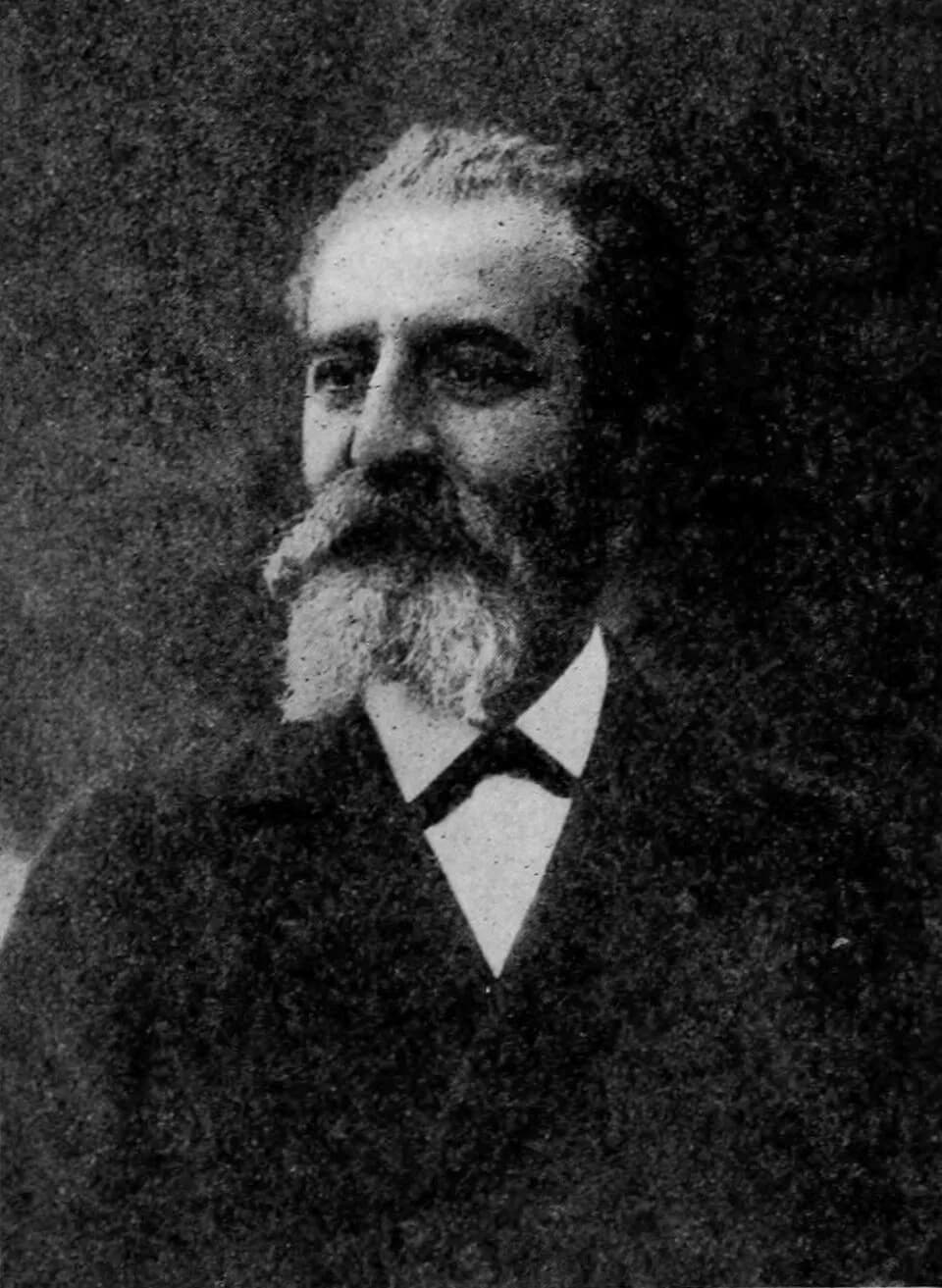
Henri Moissan (1852–1907) was France best known for French chemist.
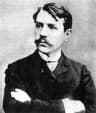
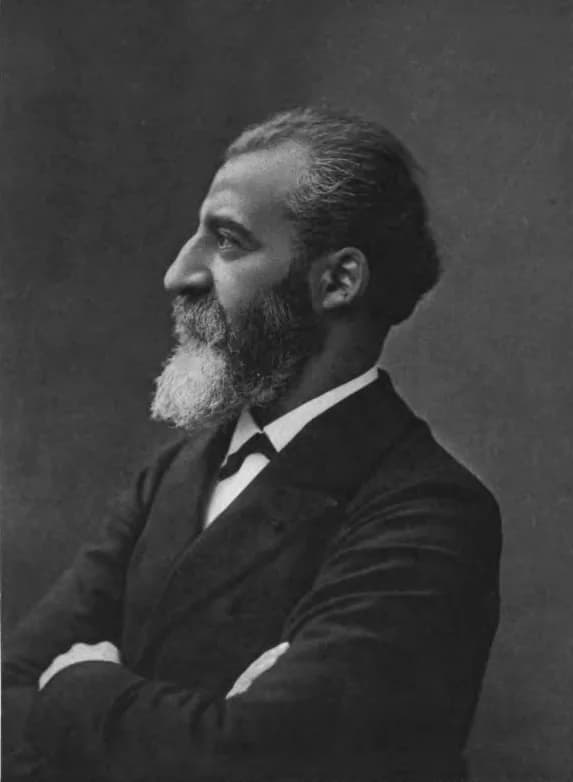
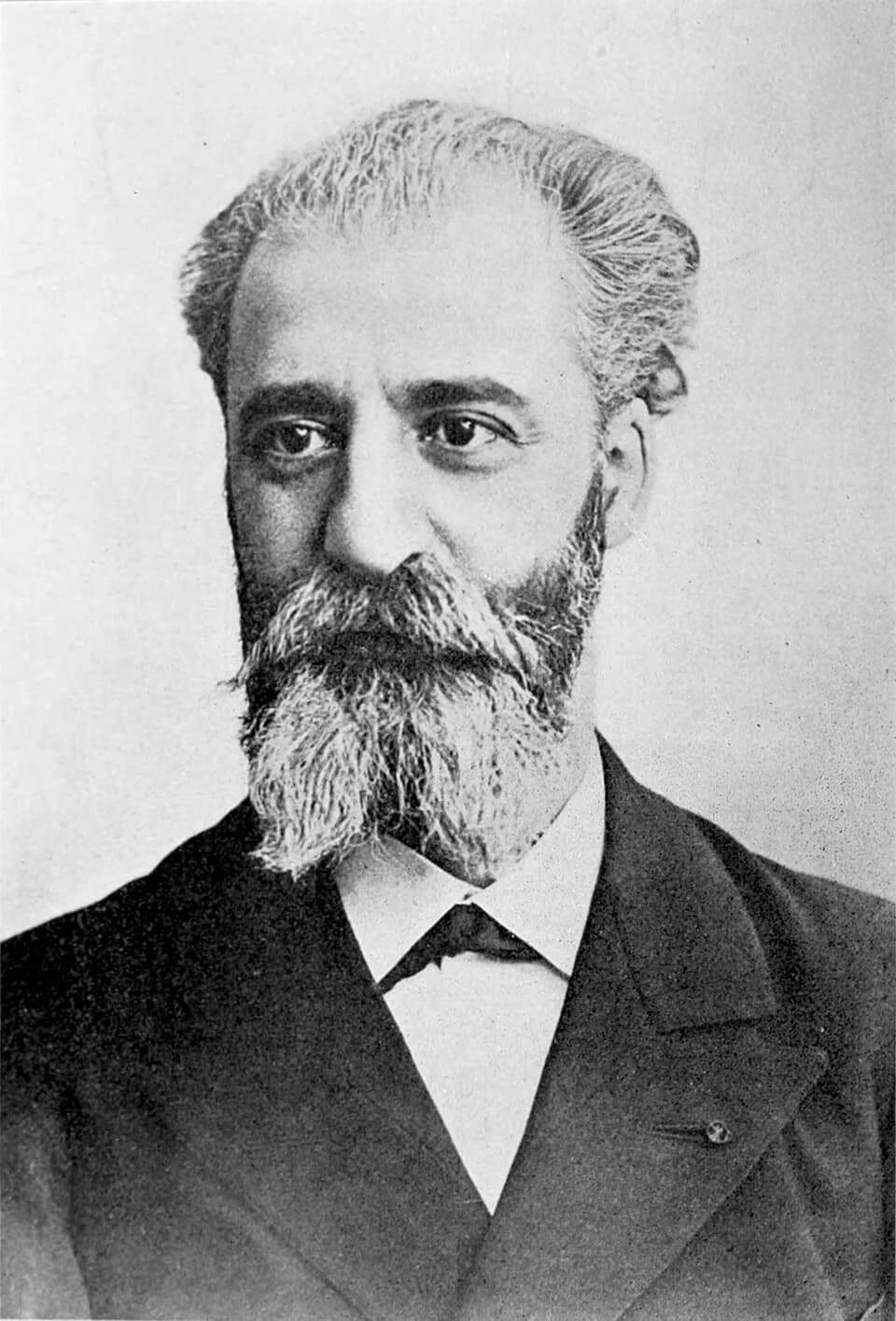
Ferdinand Frédéric Henri Moissan (September 28, 1852 – February 20, 1907) was a French chemist from Paris, France. He won the 1906 Nobel Prize in Chemistry for isolating fluorine and developing the electric arc furnace. His work greatly influenced elemental chemistry and industrial processes.
Kabanata
Mga kabanata ng buhay
Kabanata 1 · 1852· Kabanata 1 ng 7
Ferdinand Frédéric Henri Moissan: A Legacy of Elemental Discovery
Ferdinand Frédéric Henri Moissan (1852-1907) was a distinguished French chemist whose pioneering work profoundly shaped the understanding and application of elemental chemistry. Born and died in Paris, France, he was globally recognized for his groundbreaking research. His career spanned roles as a pharmacist, university teacher, and pharmacologist, culminating in a Nobel Prize for his monumental contributions.
Kabanata 2 · 1852· Kabanata 2 ng 7
Early Life and Origins
Henri Moissan was born on September 28, 1852, in the vibrant city of Paris, France. While specific details of his early family life and upbringing are not provided in available records, his foundational education in Paris clearly prepared him for an illustrious scientific career. This early period set him on a path of inquiry and discovery, fostering his keen interest in chemical sciences.
Kabanata 3· Kabanata 3 ng 7
Career Beginnings
Moissan began his professional journey as a pharmacist, a role that provided a practical and meticulous foundation in chemical compounds and their interactions. This early experience in pharmacology undoubtedly honed his experimental skills and deepened his understanding of chemical processes. He subsequently transitioned into roles as a chemist and a university teacher, sharing his knowledge and inspiring future generations in the burgeoning field of chemistry.
Kabanata 4 · 1906· Kabanata 4 ng 7
Major Achievements and Career Highlights
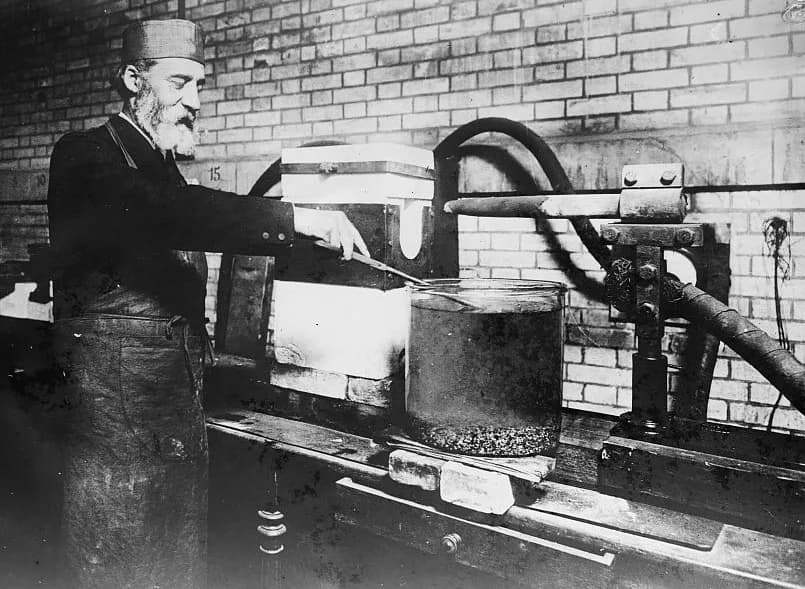
A crowning achievement in Moissan's career was the successful isolation of fluorine from its compounds, a feat that earned him the 1906 Nobel Prize in Chemistry. This challenging task had long eluded many chemists due to fluorine's extreme reactivity and danger. His innovative spirit also led to the discovery of moissanite, a naturally occurring silicon carbide, expanding the known mineral kingdom. Furthermore, his contributions were instrumental in the development of the electric arc furnace, a tool vital for high-temperature chemistry. His expertise was internationally recognized through his appointment as one of the original members of the esteemed International Atomic Weights Committee.
Kabanata 5 · 1900· Kabanata 5 ng 7
Notable Works or Contributions
Moissan's rigorous scientific work is thoroughly documented in his numerous academic publications, reflecting the breadth and depth of his research. Among his top works is "Das Fluor und seine Verbindungen" from 1900, which received 11 citations and detailed his extensive investigations into fluorine chemistry. Other significant contributions include "Ueber die Löslichkeit des Siliciums im Silber und über eine krystallisirte, in Flusssäure lösliche Modification von Silicium" (1904) and "Einwirkung von Silicium auf Wasser unterhalb 100" (1904), each cited twice. He also co-authored crucial international scientific standards, notably the "Bericht des Internationalen Atomgewichts-Ausschusses" (1905) and the "Bericht der internationalen Atomgewichtskommission 1907" (1907), solidifying his impact on fundamental chemical principles.
Kabanata 6 · 1906· Kabanata 6 ng 7
Later Years
Henri Moissan continued his scientific endeavors actively into his later years, culminating in the prestigious recognition of the 1906 Nobel Prize in Chemistry. This award specifically honored his investigations and isolation of the element fluorine, alongside the adoption of the electric furnace in science, often referred to as the Moissan electric furnace. Sadly, he passed away relatively soon after receiving this high honor, on February 20, 1907, in his birthplace of Paris, France, at the age of 54.
Kabanata 7· Kabanata 7 ng 7
Legacy and Impact
The enduring legacy of Henri Moissan is vast and continues to influence chemistry today. His successful isolation of fluorine opened new avenues for research and industrial applications, impacting fields from refrigerants to pharmaceuticals. The electric arc furnace, which he helped develop, became a vital tool in metallurgy for producing high-temperature reactions. Furthermore, his discovery of moissanite added a new mineral to scientific understanding, and his role on the International Atomic Weights Committee underscored his commitment to fundamental chemical standards, cementing his status as a truly transformative figure in science.
Isang buhay sa mga sandali
Ang mga sandaling humubog sa isang buhay
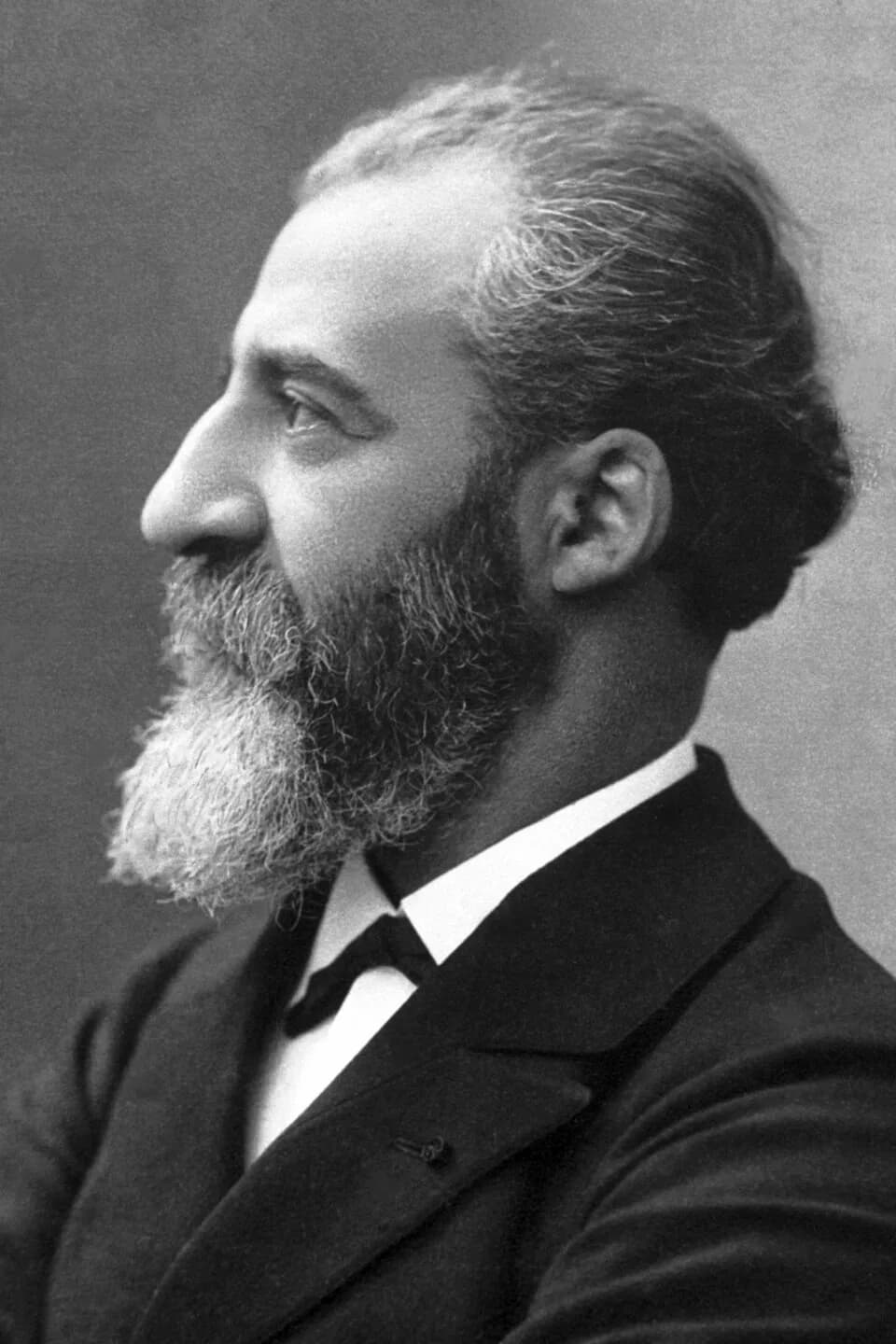
FAQ
Mga madalas itanong
Kailan namatay si Henri Moissan?
Namatay si Henri Moissan noong Pebrero 20, 1907 sa Paris, France, sa edad na 54.
Saan ipinanganak si Henri Moissan?
Ipinanganak si Henri Moissan sa Paris, France noong Setyembre 28, 1852.
Para saan kilala si Henri Moissan?
Si Henri Moissan ay kilala sa French chemist.
Ilang taong gulang si Henri Moissan nang siya ay namatay?
Si Henri Moissan ay 54 taong gulang nang siya ay namatay.
Ano ang nasyonalidad ni Henri Moissan?
Si Henri Moissan ay galing sa France.
Timeline
Buhay sa isang sulyap
Photo gallery
Isang buhay sa mga larawan
I-click ang anumang polaroid upang palakihin · 43 na larawan
QR Code
Ibahagi ang Talambuhay na Ito
I-print at Ibahagi
I-scan upang bisitahin ang biography page na ito. I-print para sa mga kaganapan, eksibisyon, o materyal pang-edukasyon.