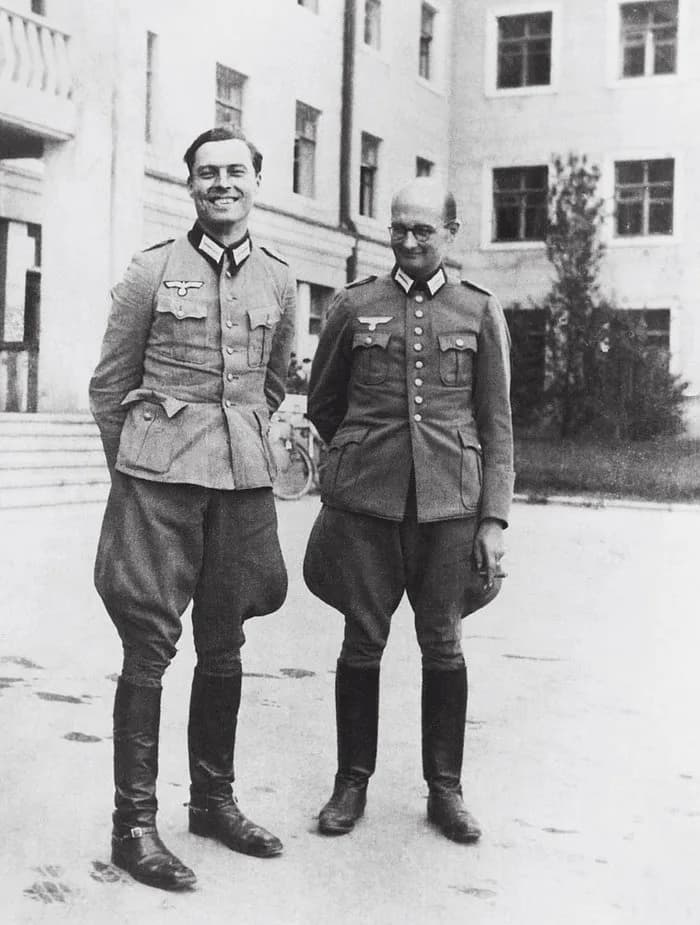
เกิด
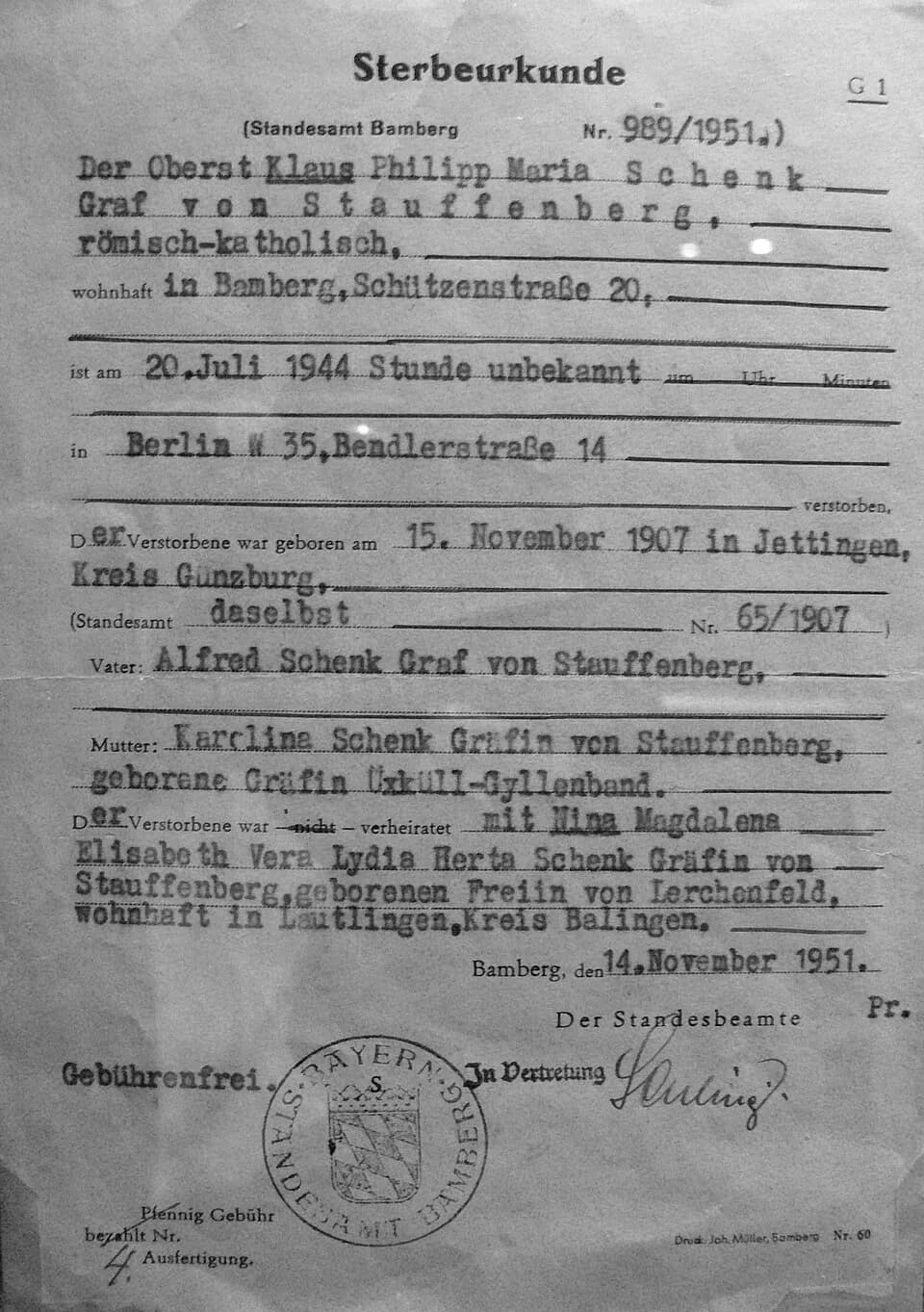
November 15, 1907
Jettingen-Scheppach, Germany
จากไป
July 21, 1944
Bendlerblock, Germany
เป็นที่รู้จักจาก
German aristocrat, army officer and resistance fighter
Claus Schenk Graf von Stauffenberg (1907–1944) was Germany best known for German aristocrat, army officer and resistance fighter.
Claus Schenk Graf von Stauffenberg (November 15, 1907 – July 21, 1944) was a German military officer from Jettingen-Scheppach. He is renowned for his failed attempt to assassinate Adolf Hitler during Operation Valkyrie. Stauffenberg is remembered as a courageous resistance fighter.
บทที่
บทแห่งชีวิต
บทที่ 1 · 1907· บทที่ 1 จาก 6
Early Life and Background
Claus Philipp Maria Justinian Schenk Graf von Stauffenberg was born on November 15, 1907, into an aristocratic family in Jettingen-Scheppach, Germany. His family held a long and storied history within the German nobility. This upbringing instilled in him a strong sense of duty and honor, values that would later guide his difficult choices.
From an early age, Stauffenberg showed intellectual promise and a dedication to service. His education reflected his family's standing, preparing him for a career that would demand both intellect and leadership. These early years shaped the principled man who would eventually challenge the darkest forces of his era.
บทที่ 2· บทที่ 2 จาก 6
Military Career and Rising Discontent
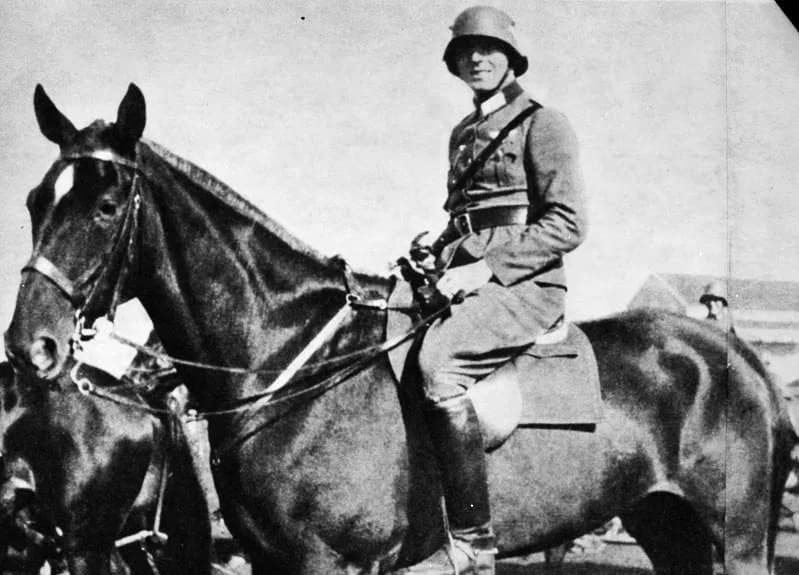
Stauffenberg pursued a career as a military officer, joining the German army in the years preceding World War II. He rose through the ranks, serving with distinction in various campaigns. His early military experiences saw him participate in the war, gaining firsthand knowledge of its brutal realities.
As the war progressed and the true nature of the Nazi regime became undeniably clear, Stauffenberg grew increasingly disillusioned. He observed the atrocities committed by the regime and recognized the existential threat it posed to Germany and to humanity. This growing moral conflict ultimately compelled him to consider direct action.
บทที่ 3· บทที่ 3 จาก 6
The Path to Resistance
Stauffenberg's revulsion at Hitler's rule led him to join a growing German resistance movement comprised of military officers and civilians. They believed that only the removal of Hitler could save Germany from total destruction. The group began to plot an overthrow of the Nazi government, known as Operation Valkyrie.
As a staff officer, Stauffenberg gained access to Hitler's inner circle, positioning him uniquely to carry out an assassination. He became a central figure in the resistance, dedicating himself to the cause of liberating his country from Nazi tyranny. His commitment deepened even as the risks to his own life became extreme.
บทที่ 4 · 1944· บทที่ 4 จาก 6
The 20 July Plot
Claus Schenk Graf von Stauffenberg is most widely known for his courageous, albeit failed, attempt on July 20, 1944, to assassinate Adolf Hitler. This event took place at the Wolf's Lair, Hitler's military headquarters in East Prussia. Stauffenberg personally placed a briefcase bomb near Hitler during a staff meeting.
The explosion occurred, but due to unforeseen circumstances, Hitler survived with only minor injuries. Stauffenberg, believing Hitler was dead, then tried to activate the next phases of Operation Valkyrie, a plan for the military to seize control of Germany. News of Hitler's survival, however, quickly undermined the coup attempt.
บทที่ 5 · 1944· บทที่ 5 จาก 6
Aftermath and Execution
In the immediate hours following the failed assassination, the conspirators, including Stauffenberg, were arrested. Their attempt to overthrow the government had failed, leading to swift and brutal retribution. Claus Schenk Graf von Stauffenberg was executed by firing squad on July 21, 1944, at the Bendlerblock in Berlin, Germany.
His final moments were marked by an enduring act of defiance, reportedly shouting "Long live sacred Germany!" before his death. The execution of Stauffenberg and many other conspirators served as a stark warning. Their sacrifice, however, solidified their place in history as figures of brave resistance.
บทที่ 6 · 1944· บทที่ 6 จาก 6
Legacy of Courage
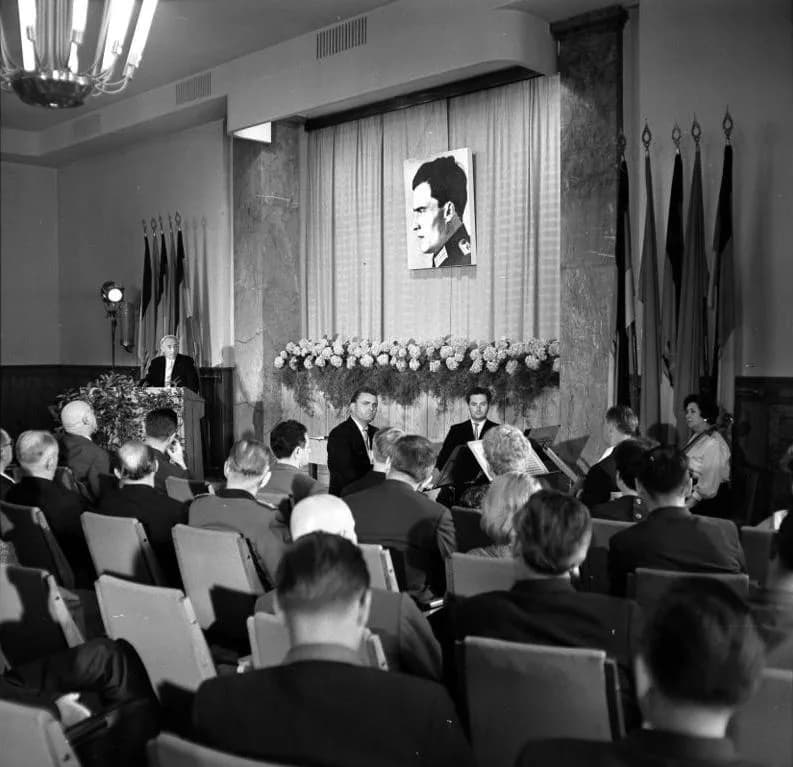
Claus Schenk Graf von Stauffenberg is remembered as a symbol of moral courage and resistance against tyranny. His actions on July 20, 1944, continue to resonate as a powerful example of individual defiance in the face of extreme evil. He demonstrated that even within a totalitarian system, individuals can choose to fight for justice.
His legacy extends beyond Germany, inspiring countless discussions about duty, conscience, and the ethics of resistance. Stauffenberg's life serves as a constant reminder that even in the darkest times, the human spirit can rise to challenge oppression. He remains a revered figure for his principled stand and ultimate sacrifice.
ชีวิตในแต่ละช่วงเวลา
ช่วงเวลาที่หล่อหลอมชีวิต
FAQ
คำถามที่พบบ่อย
Claus Schenk Graf von Stauffenberg เสียชีวิตเมื่อใด?
Claus Schenk Graf von Stauffenberg เสียชีวิตเมื่อวันที่ 21 กรกฎาคม 2487 ที่ Bendlerblock, Germany ขณะอายุ 36 ปี
Claus Schenk Graf von Stauffenberg เกิดที่ไหน?
Claus Schenk Graf von Stauffenberg เกิดที่ Jettingen-Scheppach, Germany เมื่อวันที่ 15 พฤศจิกายน 2450
Claus Schenk Graf von Stauffenberg เป็นที่รู้จักจากอะไรมากที่สุด?
Claus Schenk Graf von Stauffenberg เป็นที่รู้จักมากที่สุดจาก German aristocrat, army officer and resistance fighter
Claus Schenk Graf von Stauffenberg อายุเท่าไหร่ตอนเสียชีวิต?
Claus Schenk Graf von Stauffenberg อายุ 36 ปี ตอนเสียชีวิต
Claus Schenk Graf von Stauffenberg เป็นชาวอะไร?
Claus Schenk Graf von Stauffenberg มาจาก Germany
ไทม์ไลน์
ชีวิตโดยย่อ
แกลเลอรีภาพถ่าย
ชีวิตในภาพ
คลิกที่โพลารอยด์ใดก็ได้เพื่อขยาย · 21 ภาพ
QR โค้ด
แบ่งปันประวัตินี้
พิมพ์และแบ่งปัน
สแกนเพื่อเยี่ยมชมหน้าประวัตินี้ พิมพ์สำหรับงานกิจกรรม นิทรรศการ หรือสื่อการศึกษา