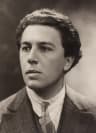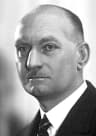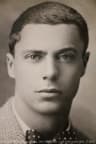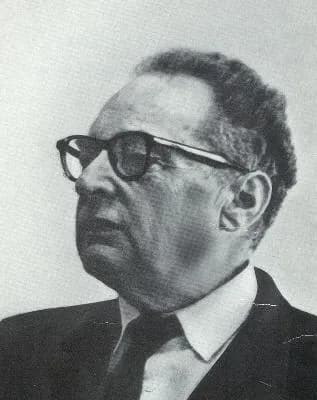
Alizaliwa
October 10, 1896
Moscow, Duchy of Moscow
Alifariki
July 18, 1982
Cambridge, United States
Anajulikana kwa
Russian linguist
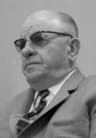
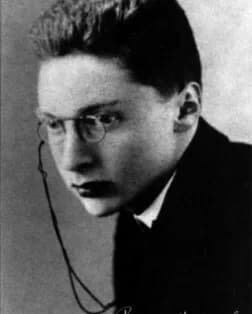
Roman Jakobson (1896–1982) was Duchy of Moscow best known for Russian linguist.
Roman Jakobson (October 10, 1896 – July 18, 1982) was a Russian linguist and literary theorist. He pioneered structural linguistics and, with Nikolai Trubetzkoy, founded modern phonology. Jakobson's work significantly shaped the study of language and semiotics, influencing multiple academic fields.
Sura
Sura za maisha
Sura 1 · 1896· Sura 1 ya 7
Early Life and Origins
Roman Jakobson began his intellectual journey on October 10, 1896, in Moscow, a vibrant cultural and academic center within the historical entity known as the Duchy of Moscow. His early years in this dynamic environment likely fostered his interest in language and literature. While specific details of his family and upbringing are not extensively documented in the provided information, his foundational education in Russia set the stage for his later pioneering academic pursuits.
Sura 2· Sura 2 ya 7
Career Beginnings
Jakobson quickly established himself as a central figure in the burgeoning field of structural linguistics. His early career saw him deeply involved in academic discourse, challenging existing paradigms and introducing new ways to analyze linguistic phenomena. He embraced his roles as a linguist and literary theorist, fields where his unique methodologies would soon gain widespread recognition and influence. This period marked the initial phase of his quest to systematically uncover the underlying structures of language.
Sura 3· Sura 3 ya 7
Major Achievements and Career Highlights
A significant highlight of Jakobson's career was his collaboration with Nikolai Trubetzkoy, which resulted in the development of revolutionary new techniques for analyzing linguistic sound systems. This joint effort effectively established the modern discipline of phonology, fundamentally changing how scholars understood the sounds of language. Their work provided a systematic framework for studying phonemes and their organization.
Jakobson did not stop at phonology; he systematically extended similar structural principles and analytical techniques to other essential aspects of language. His research delved into syntax, morphology, and semantics, showing how underlying structures govern these areas as well. He made numerous contributions to Slavic linguistics, notably through two in-depth studies of Russian case and a comprehensive analysis of the categories of the Russian verb, which remain influential works.
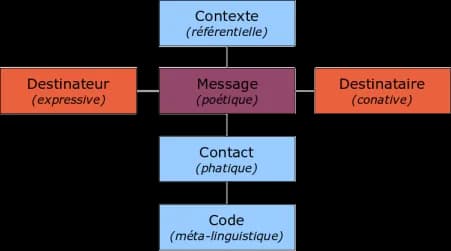
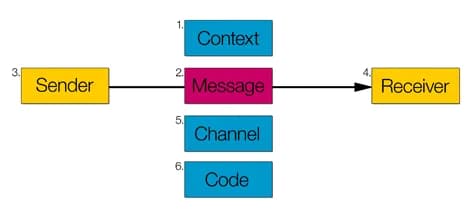
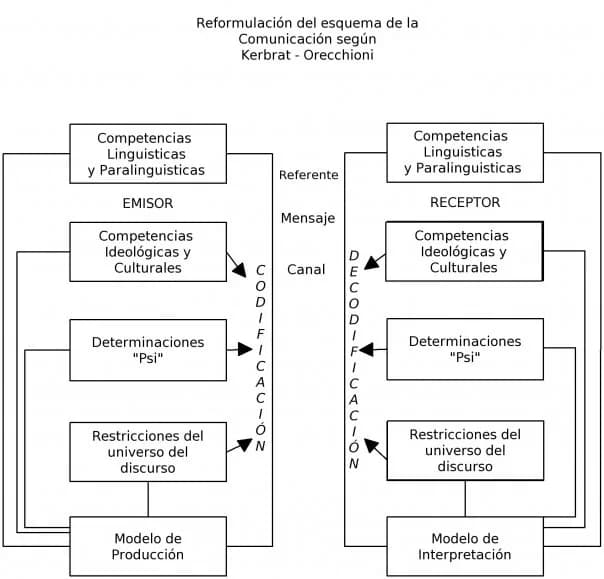
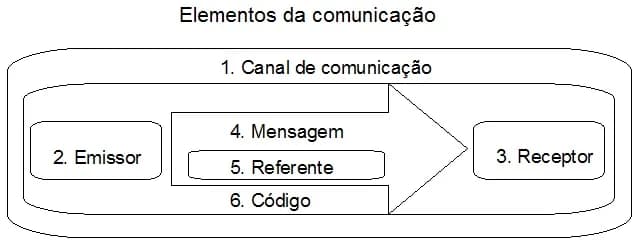
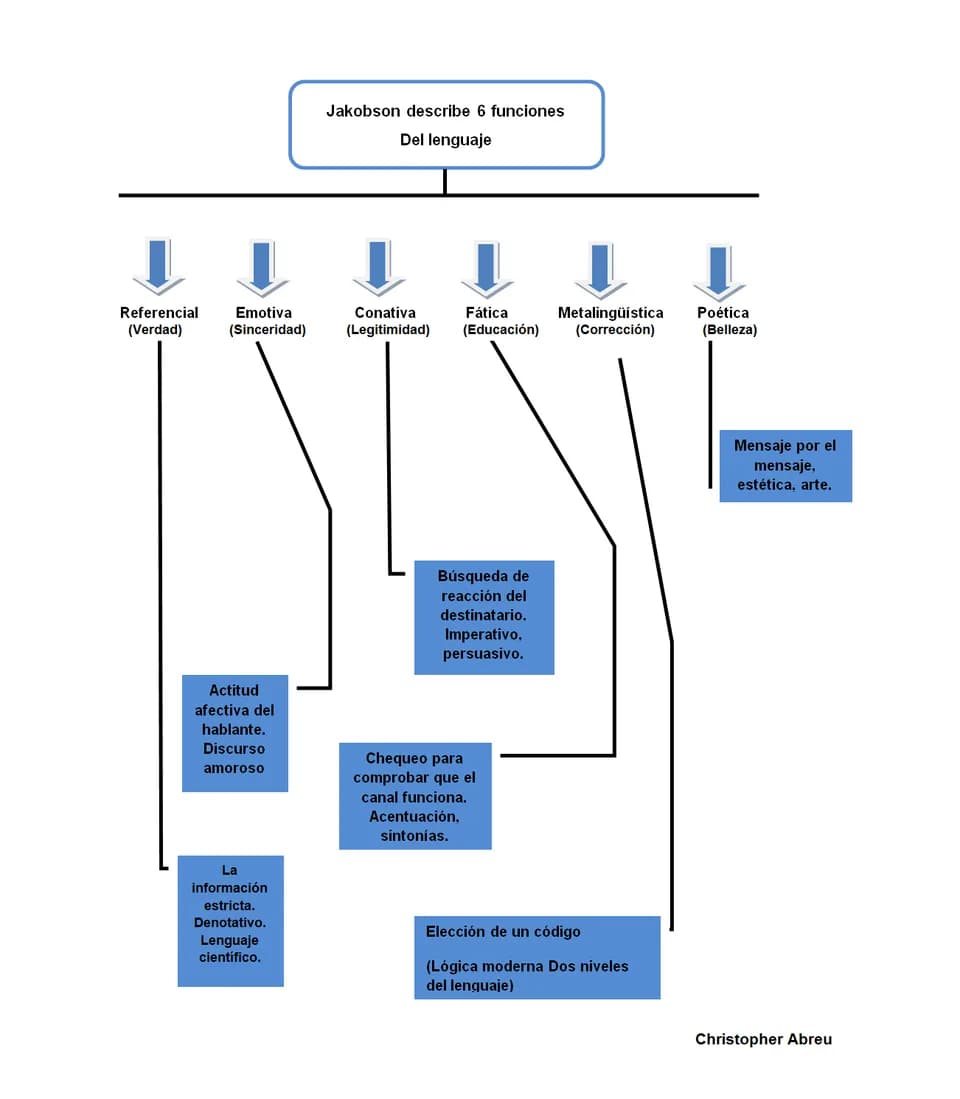
Beyond pure linguistics, Jakobson drew inspiration from C. S. Peirce's semiotics, communication theory, and cybernetics to propose innovative methods for investigating diverse forms of artistic expression. His approaches extended to poetry, music, and the visual arts, including cinema, demonstrating language-like structures in non-linguistic systems. His academic output reflects his scholarly standing, with an h-index of 3 across 11 papers, including highly cited works like 'Ensayos de Linguistica General' (1998, 184 citations) and 'Lingüística y poética' (2010, 74 citations).
Sura 4· Sura 4 ya 7
Personal Life
While the provided information highlights Roman Jakobson's immense professional and academic achievements, specific details regarding his personal life, family relationships, or private interests are not extensively documented. His life was evidently rich with intellectual pursuits and scholarly dedication, as evidenced by his vast body of work and wide-ranging academic engagements. He maintained a focused commitment to his studies and teaching throughout his extensive career.
Sura 5· Sura 5 ya 7
Notable Works or Contributions
Roman Jakobson's extensive bibliography reflects the breadth and depth of his intellectual contributions across linguistics and literary theory. Key works include 'Smertʹ Vladimira Mai︠a︡kovskogo,' a testament to his literary analysis, and 'Los gatos de Baudelaire,' showcasing his engagement with poetic forms. His foundational insights into language structure are evident in titles such as 'Fonema e fonologia' and 'Evrazii︠a︡ v svete i︠a︡zykoznanii︠a︡.'
Among his most significant academic publications, 'Ensayos de Linguistica General,' published in 1998, stands out with 184 citations, underscoring its enduring relevance in the field. 'Lingüística y poética' (2010) also garnered significant attention with 74 citations, while 'La Scuola Linguistica di Praga' (1971) contributed to the understanding of key linguistic movements. Other notable academic contributions include 'Lingüística, poética, tiempo : conversaciones con Krystina Pomorska' (1981) and 'Sobre los aspectos lingüísticos de la traducción' (1996), reflecting his continuous intellectual activity.
Sura 6 · 1982· Sura 6 ya 7
Later Years
Roman Jakobson continued his scholarly work and intellectual contributions into his later years, maintaining his active presence in academia. He passed away on July 18, 1982, in Cambridge, United States, leaving behind a completed lifetime of rigorous research and profound teaching. His dedication to advancing the study of language remained constant, influencing new generations of scholars until the very end of his life.
Sura 7· Sura 7 ya 7
Legacy and Impact
Roman Jakobson's legacy is immense, profoundly influencing the trajectory of twentieth-century linguistics and literary theory. He fundamentally changed how scholars approached the study of language, from its most basic phonological units to its intricate syntactic and semantic structures. His vision extended beyond traditional linguistic boundaries, integrating semiotics and communication theory into the analysis of cultural phenomena.
His foundational work in phonology, developed with Nikolai Trubetzkoy, remains a cornerstone of linguistic education and research worldwide. The principles and techniques he extended to syntax, morphology, and semantics continue to guide contemporary linguistic analysis. Jakobson's application of structuralist thought to poetry, music, and the visual arts opened new avenues for interdisciplinary studies, ensuring his lasting impact across the humanities and sciences.
Maisha katika nyakati
Nyakati zilizoyaunda maisha
Maswali
Yanayoulizwa mara kwa mara
Roman Jakobson alikufa lini?
Roman Jakobson alikufa tarehe 18 Julai 1982 huko Cambridge, United States, akiwa na umri wa miaka 85.
Roman Jakobson alizaliwa wapi?
Roman Jakobson alizaliwa Moscow, Duchy of Moscow tarehe 10 Oktoba 1896.
Roman Jakobson anajulikana zaidi kwa nini?
Roman Jakobson anajulikana zaidi kwa Russian linguist.
Roman Jakobson alikuwa na umri gani alipokufa?
Roman Jakobson alikuwa na umri wa miaka 85 alipokufa.
Roman Jakobson alikuwa wa utaifa gani?
Roman Jakobson alitoka Duchy of Moscow.
Ratiba
Maisha kwa muhtasari
Matunzio ya picha
Maisha katika picha
Bofya polaroid yoyote kupanua · picha 24
Msimbo wa QR
Shiriki Wasifu Huu
Chapisha na Shiriki
Skani kutembelea ukurasa huu wa wasifu. Chapisha kwa hafla, maonyesho, au nyenzo za kielimu.