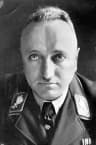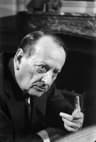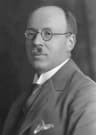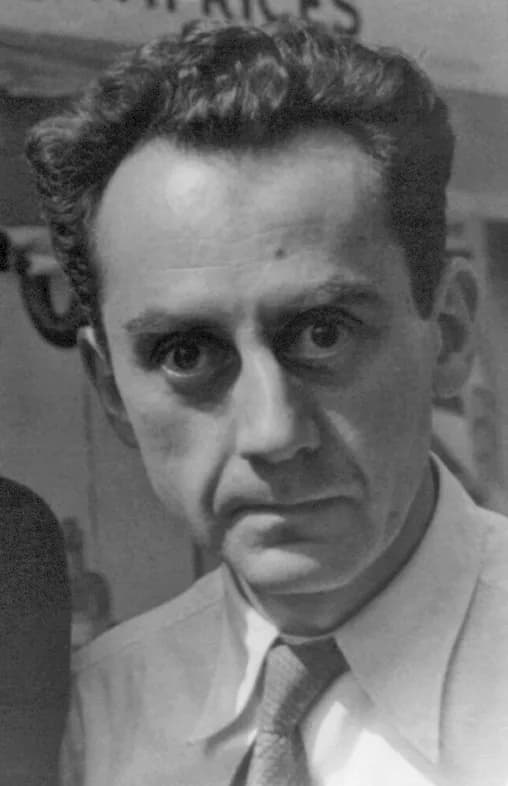
Alizaliwa
August 27, 1890
Philadelphia, United States
Alifariki
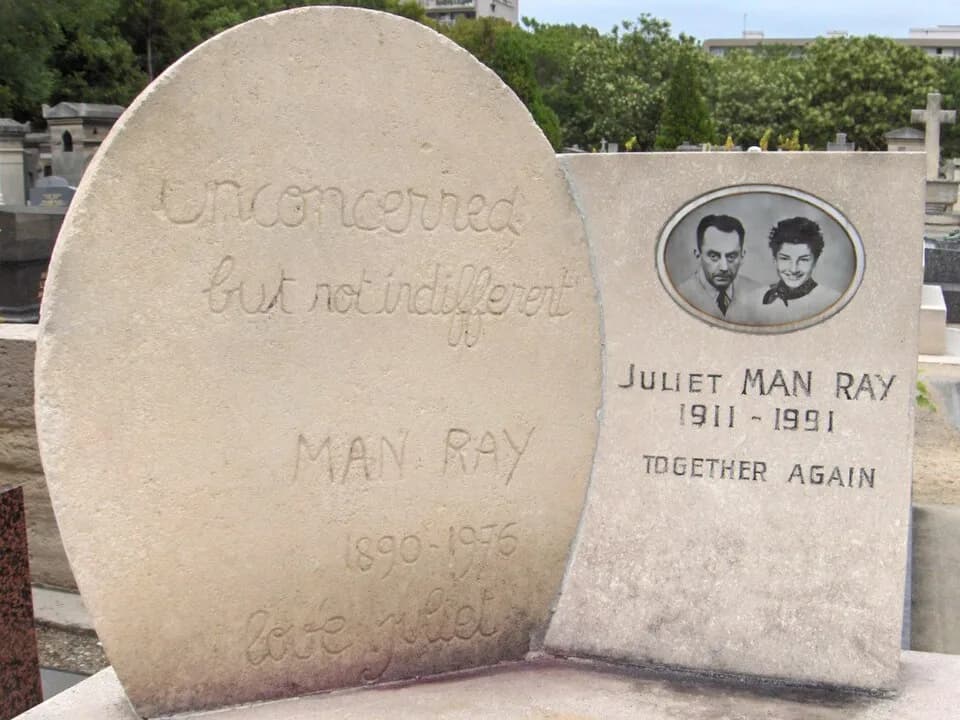
November 18, 1976
Paris, France
Anajulikana kwa
American and French visual artist
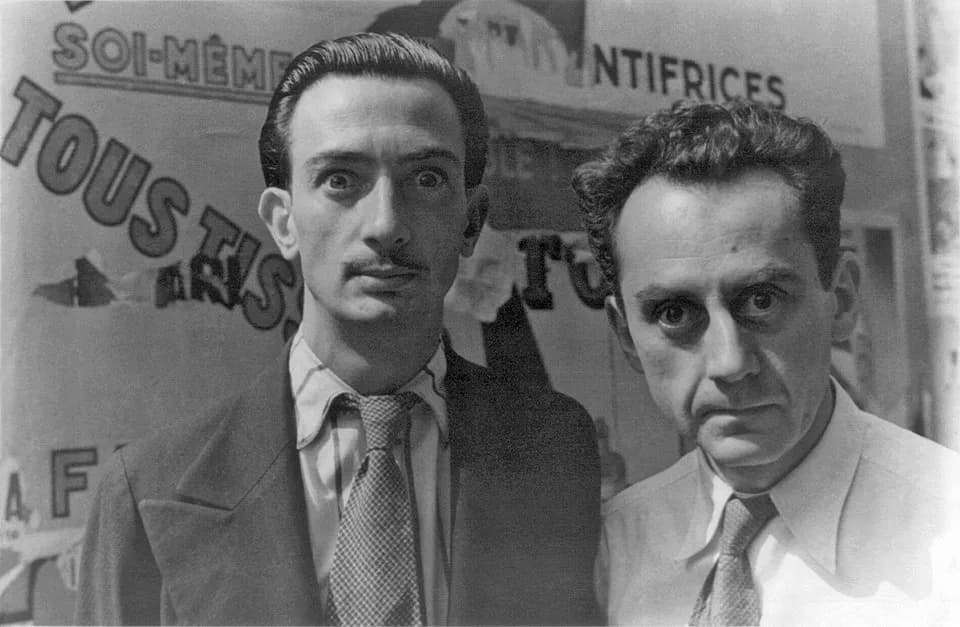
Man Ray (1890–1976) was an American-born, French-naturalized visual artist who spent most of his career in Paris. He was a significant contributor to Dada and Surrealist movements and pioneered photographic techniques including rayographs. His innovative multimedia approach influenced generations of modern artists.
Sura
Sura za maisha
Sura 1 · 1890· Sura 1 ya 6
Early Life and Origins
Man Ray was born in Philadelphia in 1890 as Emmanuel Radnitzky. His family later moved to Brooklyn, New York, where he grew up in an immigrant household. Despite showing early artistic promise and receiving a scholarship to study architecture, Man Ray chose to pursue his passion for art independently rather than follow a conventional educational path.
Sura 2· Sura 2 ya 6
Career Beginnings
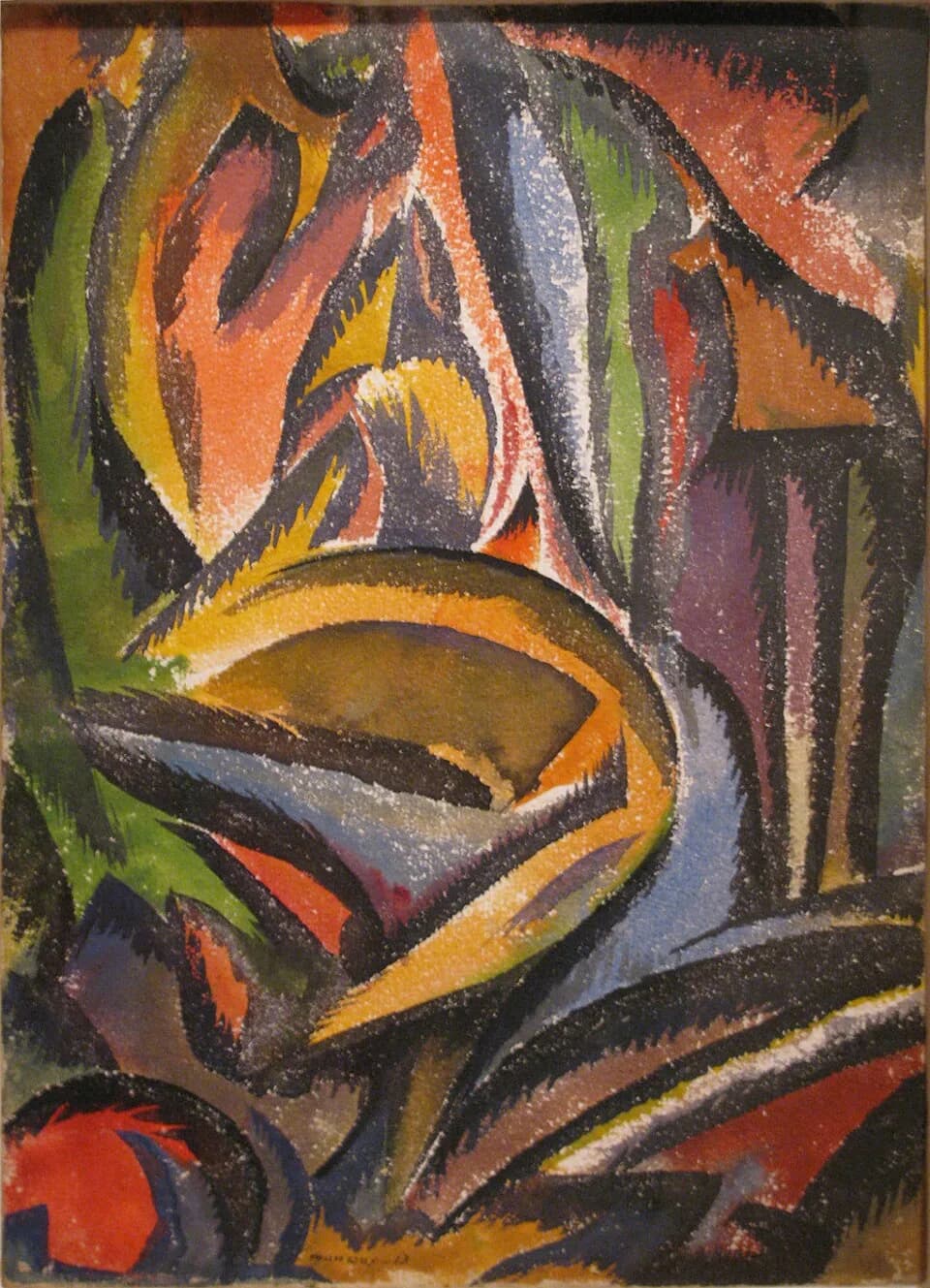
Man Ray's artistic journey began in New York, where he initially worked as a painter and became involved with the avant-garde art scene. He adopted the name "Man Ray" early in his career, distancing himself from his birth name. His early work included painting and drawing, but he soon began experimenting with various media and techniques that would define his revolutionary approach to art.
Sura 3· Sura 3 ya 6
Major Achievements and Career Highlights
Man Ray's move to Paris marked the beginning of his most productive and influential period. He became deeply involved with the Dada movement and later Surrealism, though he maintained informal ties to both groups, preferring artistic independence. His innovations in photography were particularly significant, including his development of "rayographs" - photograms created without a camera by placing objects directly on photographic paper and exposing them to light.
Throughout his career, Man Ray considered himself primarily a painter, despite his groundbreaking work in photography. He became renowned as both a fashion and portrait photographer, capturing images of prominent cultural figures of his era. His artistic versatility extended to filmmaking, sculpture, and even jewelry design, making him one of the most multifaceted artists of his generation.
Sura 4 · 1923· Sura 4 ya 6
Notable Works and Contributions
Man Ray's artistic output spans numerous media and includes many iconic works now held in major museums. His rayographs, including the famous 1923 piece housed at the Metropolitan Museum, represent his most significant technical innovation in photography. Other notable works include "Compass" (1920), "Obstruction" (1920/1961), and "Departure of Summer" (1914), now in the Art Institute of Chicago collection.
His sculptural works like "Cadeau (Gift)" (1963, recreating the lost 1921 original) and assemblages such as "What We All Lack" (1963, recreating the lost 1935 original) demonstrate his ability to transform everyday objects into provocative art pieces. His photographic portraits, including those of Nancy Cunard (1928) and collaborative works with contemporaries like Lee Miller and Max Ernst, capture the spirit of the avant-garde Paris scene.
Man Ray also created films, with "Return to Reason (Retour a la Raison)" (1923) standing as an important early experimental cinema work. His collaborative pieces, including "Exquisite Corpse" (1928), showcase his participation in Surrealist group activities and games.
Sura 5 · 1942· Sura 5 ya 6
Later Years
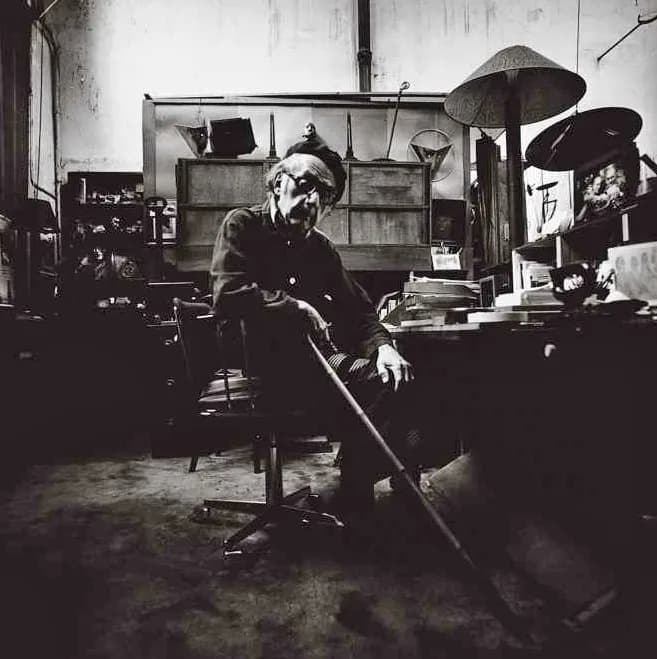
Man Ray continued working across multiple media throughout his later years, maintaining his residence in Paris where he had established himself as a central figure in the international art community. He published several books, including "Opera grafica," "La photographie n'est pas l'art," and "Poésie et vérité 1942," which documented his artistic philosophy and experiences. His later works included recreations of earlier pieces that had been lost, ensuring his innovations would be preserved for future generations.
Sura 6· Sura 6 ya 6
Legacy and Impact
Man Ray's influence on modern art extends far beyond any single medium or movement. His photographic innovations, particularly the rayograph technique, opened new possibilities for creative expression in photography and influenced generations of artists. His approach to art-making, which freely crossed boundaries between different media and rejected traditional categorizations, helped establish the modern concept of the multimedia artist.
Today, Man Ray's works are held in major museums worldwide, including the Metropolitan Museum of Art and the Art Institute of Chicago. His contributions to Dada and Surrealism, combined with his innovations in photography and film, secure his position as one of the most important American artists to work in the European avant-garde tradition. His legacy continues to inspire contemporary artists who seek to challenge conventional boundaries and explore new forms of creative expression.
Maisha katika nyakati
Nyakati zilizoyaunda maisha
Maswali
Yanayoulizwa mara kwa mara
Man Ray alikufa lini?
Man Ray alikufa tarehe 18 Novemba 1976 huko Paris, France, akiwa na umri wa miaka 86.
Man Ray alizaliwa wapi?
Man Ray alizaliwa Philadelphia, United States tarehe 27 Agosti 1890.
Man Ray anajulikana zaidi kwa nini?
Man Ray anajulikana zaidi kwa American and French visual artist.
Man Ray alikuwa na umri gani alipokufa?
Man Ray alikuwa na umri wa miaka 86 alipokufa.
Man Ray alikuwa wa utaifa gani?
Man Ray alitoka United States.
Ratiba
Maisha kwa muhtasari
Matunzio ya picha
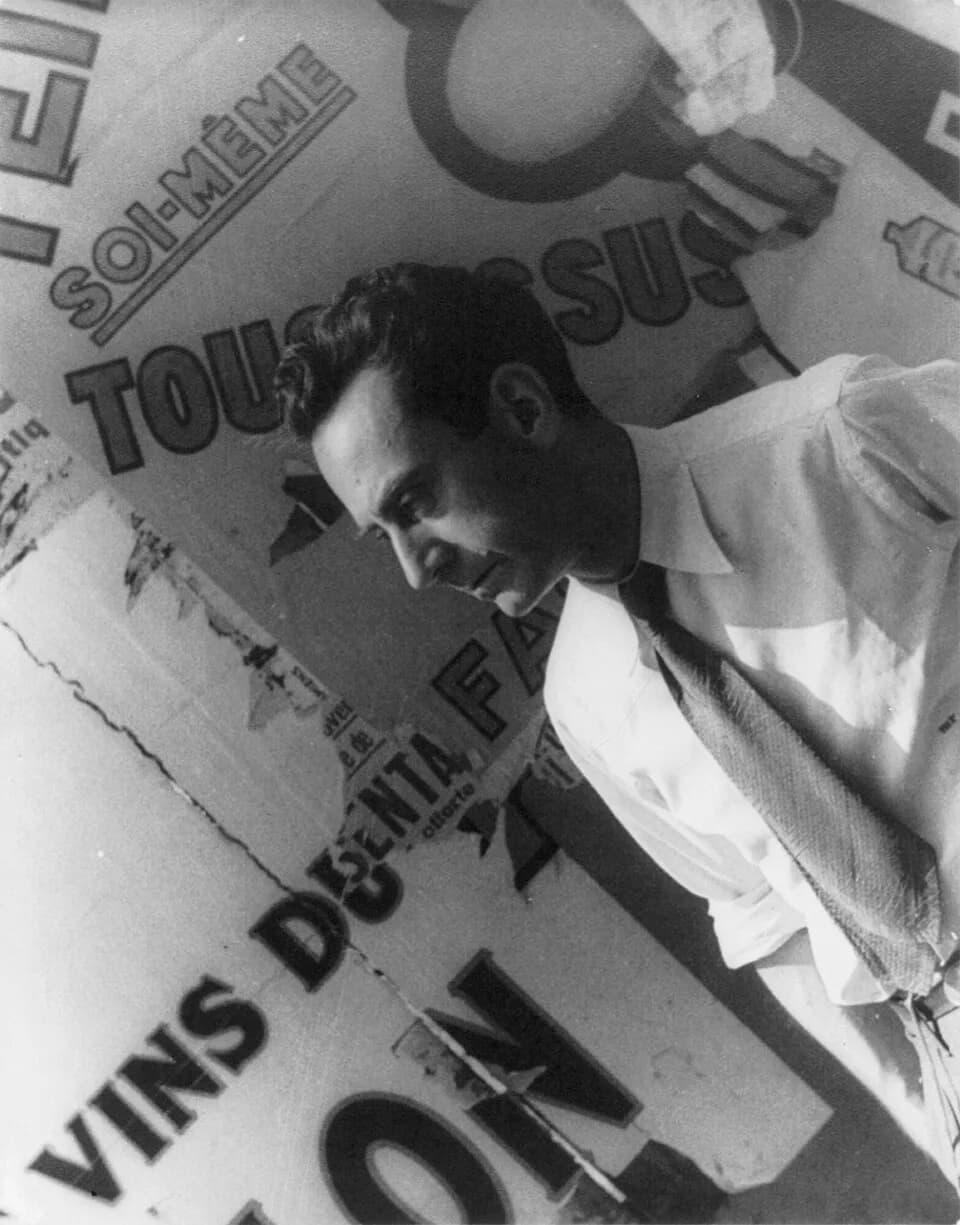
Maisha katika picha
Bofya polaroid yoyote kupanua · picha 50
Msimbo wa QR
Shiriki Wasifu Huu
Chapisha na Shiriki
Skani kutembelea ukurasa huu wa wasifu. Chapisha kwa hafla, maonyesho, au nyenzo za kielimu.