Alizaliwa
January 1, 1864
Diamond, United States
Alifariki
January 5, 1943
Tuskegee, United States
Anajulikana kwa
African American botanist and inventor
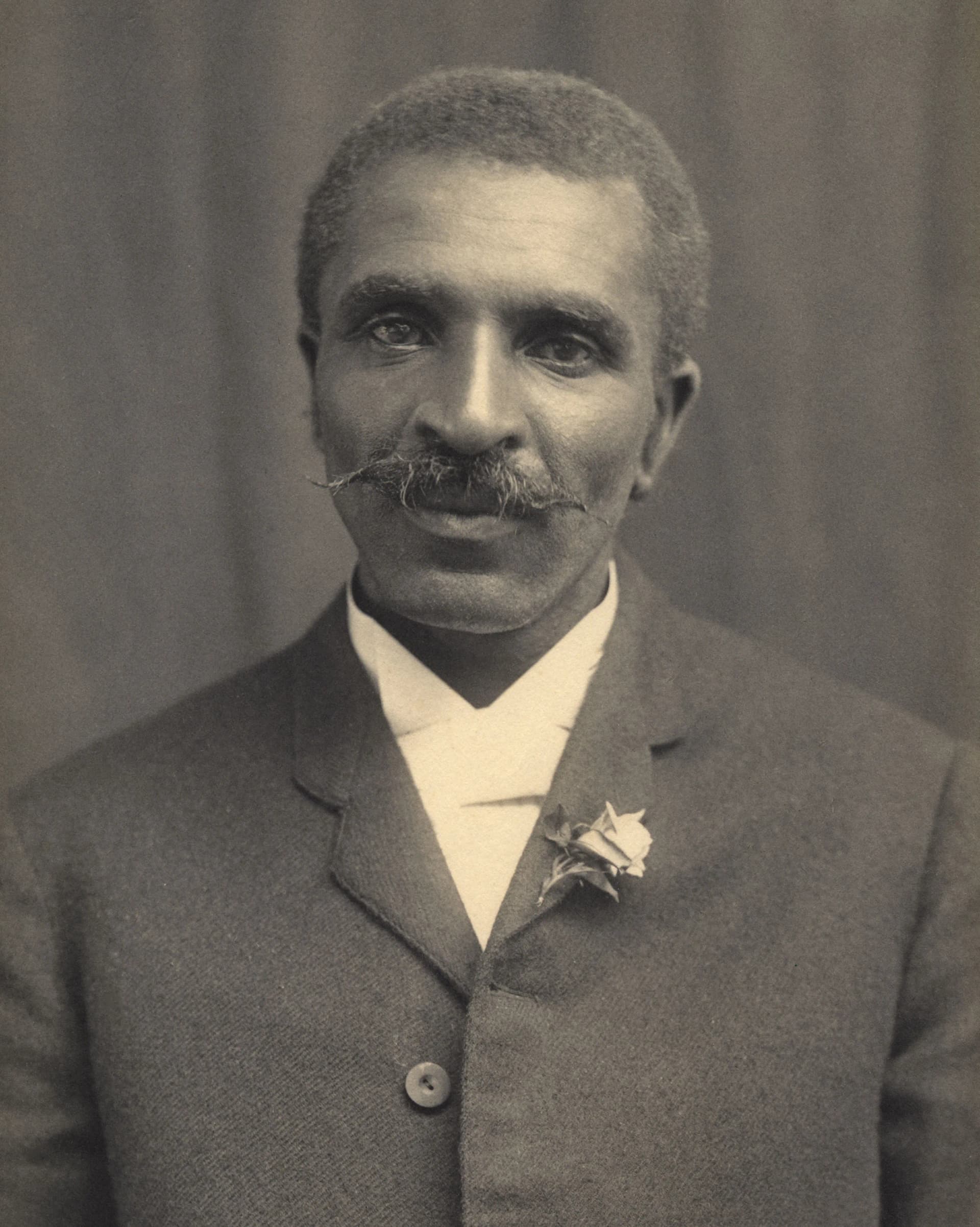
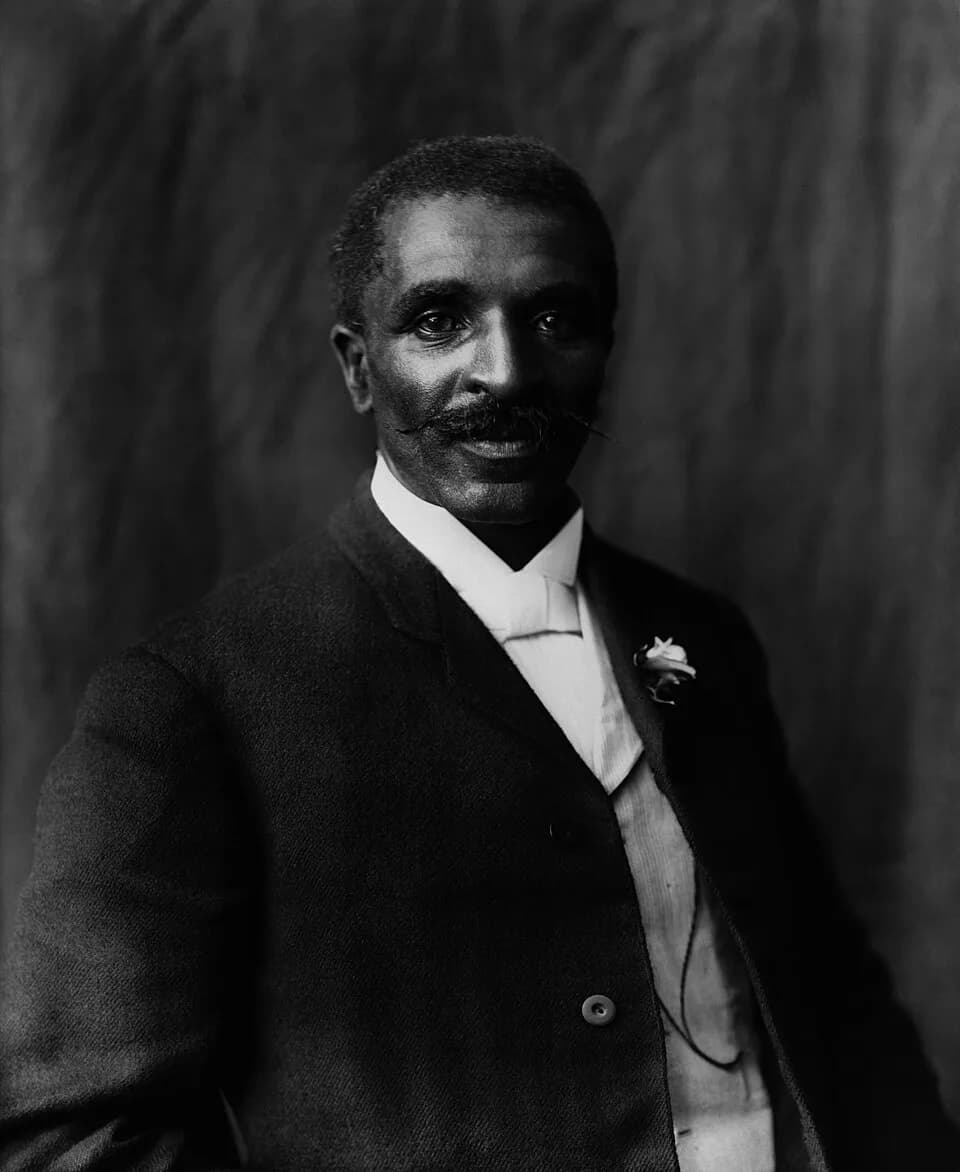
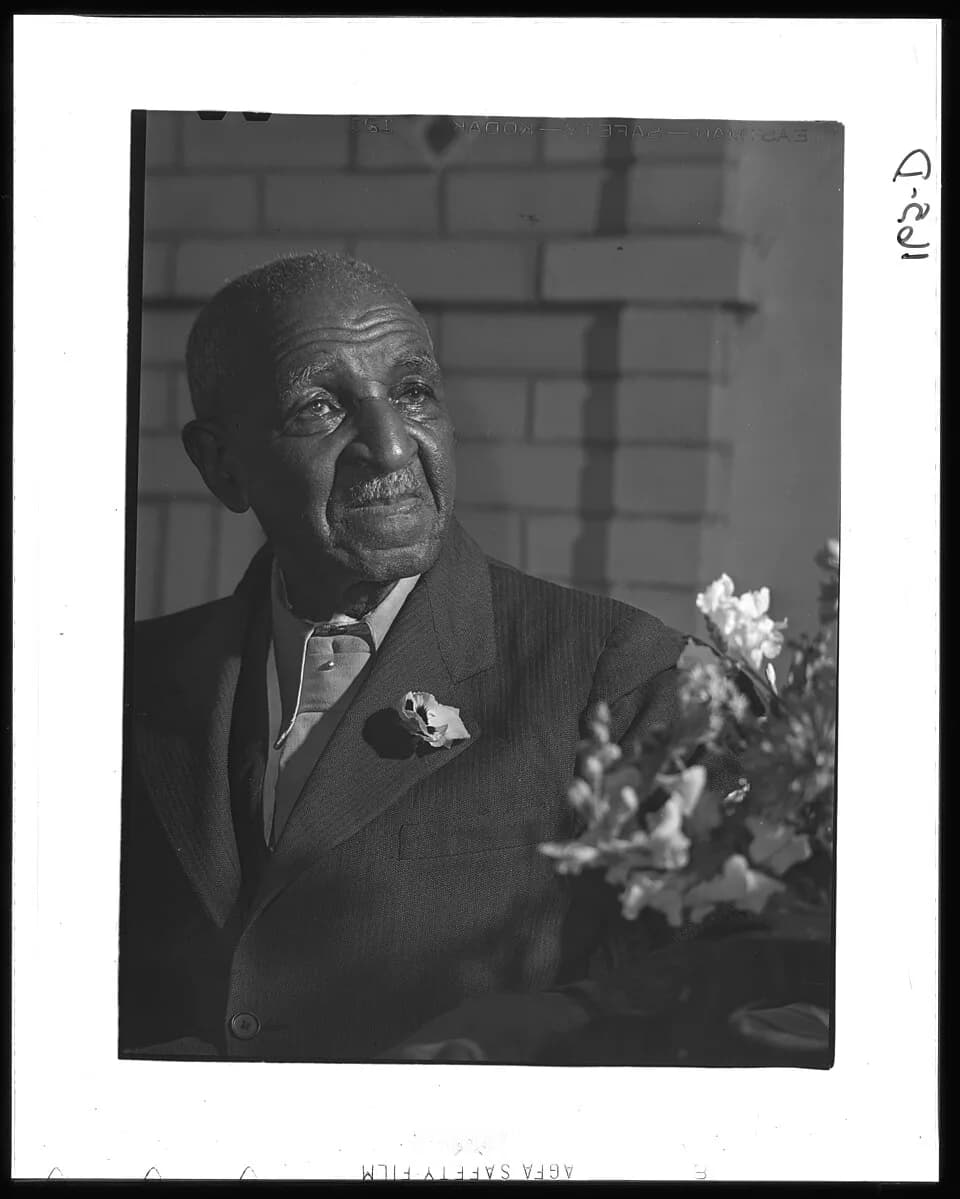
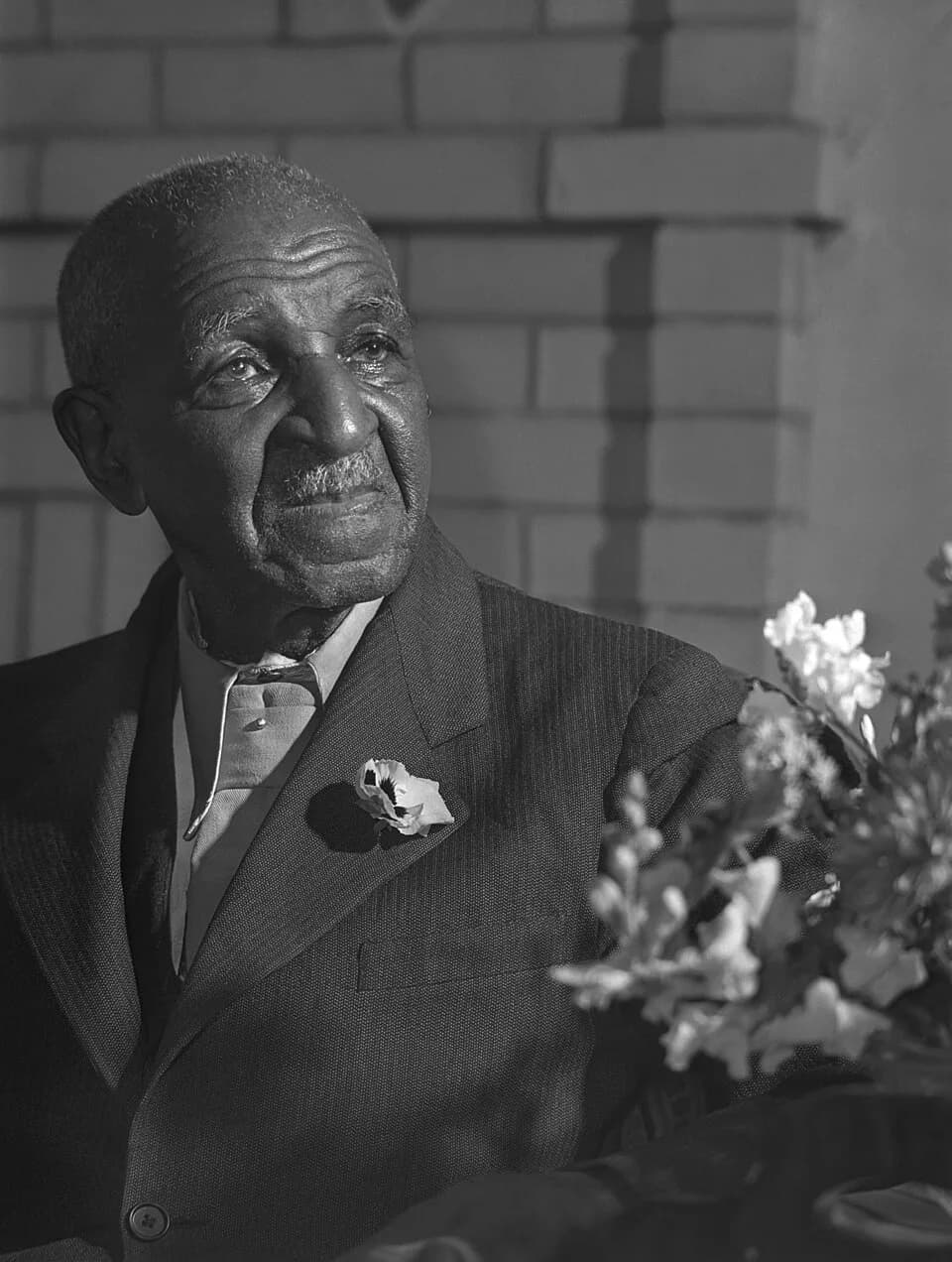
George Washington Carver (1864–1943) was United States best known for African American botanist and inventor.
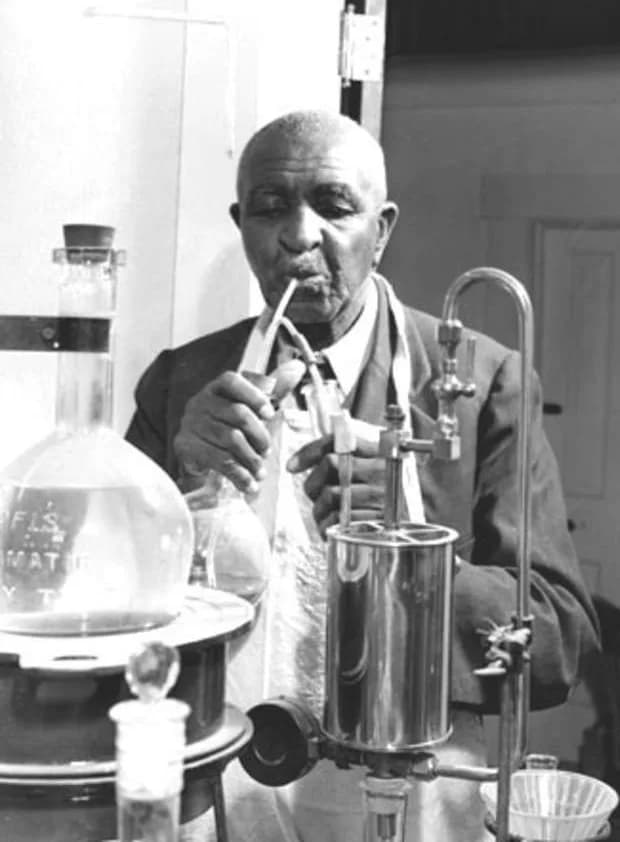
George Washington Carver (January 1, 1864 – January 5, 1943) was an inventor, chemist, and botanist from the United States. He promoted alternative crops to cotton and methods to prevent soil depletion. His agricultural innovations and educational efforts significantly improved farming practices and rural livelihoods.
Sura
Sura za maisha
Sura 1 · 1864· Sura 1 ya 6
Early Life and Origins
George Washington Carver entered the world on January 1, 1864, in Diamond, United States, amidst the tumultuous period of the American Civil War. His formative years were marked by significant challenges, yet he possessed an unyielding drive for knowledge and a deep fascination with the natural world. This early curiosity laid the foundation for his future endeavors as a botanical collector and mycologist, guiding him towards a path of scientific inquiry.
Sura 2· Sura 2 ya 6
Career Beginnings
Carver's academic pursuits eventually led him to the Tuskegee Institute, where he began a long and influential career as a university teacher and researcher. His primary goal was to equip farmers with the tools and knowledge necessary to overcome the economic and environmental hurdles they faced. Early in his tenure, he focused on educating students about diversified agriculture and conducting experiments to identify practical solutions for improving crop yields and soil health.
Sura 3· Sura 3 ya 6
Major Achievements and Career Highlights
Among George Washington Carver's significant achievements was his relentless promotion of alternative crops like peanuts and sweet potatoes, offering farmers viable options beyond cotton, which depleted soil nutrients. He innovated numerous products from these crops, demonstrating their economic potential and nutritional value. Recognized as a leading agronomist and inventor, Carver published 99 papers and attained an h-index of 3, a notable measure of his sustained scientific output. His influence extended throughout the agricultural community, making him one of the most visible black scientists of his era.
Sura 4· Sura 4 ya 6
Notable Works or Contributions
Carver's prolific contributions include several widely recognized practical guides and scientific studies, designed to empower rural communities. His seminal work, "How to Grow the Peanut, and 105 Ways of Preparing It for Human Consumption," provided extensive knowledge for cultivating and utilizing peanuts, which received 3 citations. Another impactful publication, "How to Build Up Worn Out Soils," offered critical methods for land restoration, garnering 2 citations. Further demonstrating his regional focus, he authored "A Study of the Soils of Macon County, Alabama, and Their Adaptability to Certain Crops," cited once, alongside guides like "Poultry Raising in Macon County, Alabama" and "Cotton Growing for Rural Schools," which aimed to enhance local farming practices.
Sura 5 · 1943· Sura 5 ya 6
Later Years
George Washington Carver continued his dedicated service at the Tuskegee Institute until his passing, consistently focusing on research and education. Even in his final years, he remained committed to developing practical agricultural solutions and sharing his vast knowledge with others. He died on January 5, 1943, in Tuskegee, United States, concluding a life defined by unwavering scientific curiosity and a desire to uplift others. His legacy as a scientific collector and agricultural scientist remained vibrant.
Sura 6· Sura 6 ya 6
Legacy and Impact
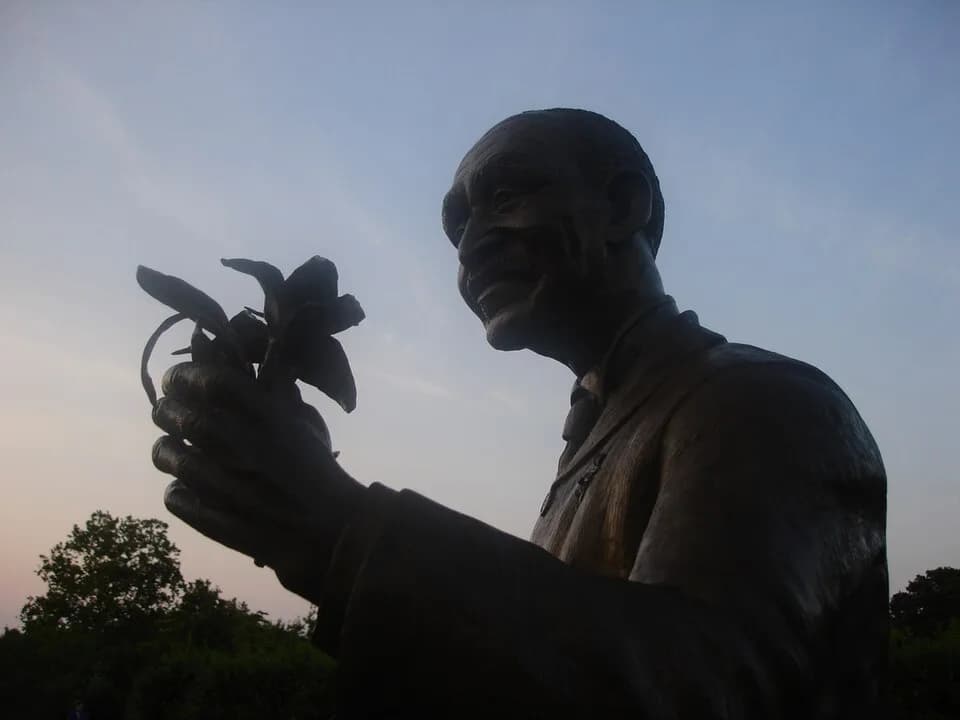
George Washington Carver's enduring legacy reshaped American agriculture, introducing sustainable practices that moved away from monoculture and soil degradation. His efforts as a botanist and chemist significantly broadened the understanding and utilization of everyday crops, leaving a lasting impact on food science and resource management. Carver's work continues to inspire initiatives in agricultural sustainability, demonstrating the powerful synergy between scientific innovation and community empowerment. He stands as a symbol of intellectual perseverance and dedication to serving humanity through scientific inquiry.
Maisha katika nyakati
Nyakati zilizoyaunda maisha
Maswali
Yanayoulizwa mara kwa mara
George Washington Carver alikufa lini?
George Washington Carver alikufa tarehe 5 Januari 1943 huko Tuskegee, United States, akiwa na umri wa miaka 79.
George Washington Carver alizaliwa wapi?
George Washington Carver alizaliwa Diamond, United States tarehe 1 Januari 1864.
George Washington Carver anajulikana zaidi kwa nini?
George Washington Carver anajulikana zaidi kwa African American botanist and inventor.
George Washington Carver alikuwa na umri gani alipokufa?
George Washington Carver alikuwa na umri wa miaka 79 alipokufa.
George Washington Carver alikuwa wa utaifa gani?
George Washington Carver alitoka United States.
Ratiba
Maisha kwa muhtasari
Matunzio ya picha
Maisha katika picha
Bofya polaroid yoyote kupanua · picha 21
Msimbo wa QR
Shiriki Wasifu Huu
Chapisha na Shiriki
Skani kutembelea ukurasa huu wa wasifu. Chapisha kwa hafla, maonyesho, au nyenzo za kielimu.