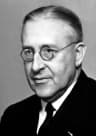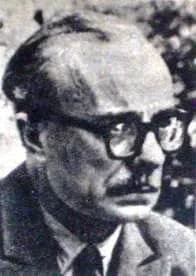
Alizaliwa
June 24, 1911
Rojas, Argentina
Alifariki
April 30, 2011
Santos Lugares, Argentina
Anajulikana kwa
Argentine writer, painter and physicist
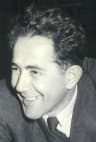
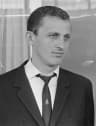
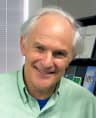
Ernesto Sabato (1911-2011) was an Argentine novelist, essayist, painter, and physicist who became one of Latin America's most influential literary figures. He won prestigious prizes in Hispanic literature and was dubbed the "last classic writer in Argentine literature" upon his death.
Sura
Sura za maisha
Sura 1 · 1911· Sura 1 ya 6
Early Life and Origins
Ernesto Sabato was born on June 24, 1911, in Rojas, a town in the Buenos Aires Province of Argentina. Growing up in the Argentine countryside during the early twentieth century, Sabato was exposed to the complex social and political currents that would later inform his literary work. His early education laid the foundation for what would become a remarkably diverse intellectual career, setting him on a path that would initially lead him toward the sciences before ultimately embracing literature and the arts.
Sura 2· Sura 2 ya 6
Career Beginnings
Sabato's professional journey began in the field of physics, reflecting his strong analytical mind and scientific curiosity. His background as a physicist provided him with a unique perspective that would later distinguish his literary work from that of his contemporaries. This scientific training influenced his methodical approach to writing and his ability to explore complex philosophical themes with precision. The transition from physicist to writer marked the beginning of a career that would span multiple decades and establish him as a central figure in Argentine intellectual life.
Sura 3· Sura 3 ya 6
Major Achievements and Career Highlights
Throughout his career, Sabato received numerous prestigious awards that recognized his contributions to Hispanic literature. His influence extended far beyond Argentina's borders, making him a significant voice throughout Latin America. The BBC's recognition of his literary achievements reflects the international scope of his impact on contemporary letters. His work as both a novelist and essayist demonstrated his versatility as a writer, while his continued practice as a painter showcased his artistic range.
Sabato's multidisciplinary approach to intellectual work set him apart from many of his contemporaries. His ability to move seamlessly between literature, visual arts, and scientific thinking created a unique body of work that defied easy categorization. This Renaissance-like approach to knowledge and creativity became one of his defining characteristics as an intellectual figure.
Sura 4· Sura 4 ya 6
Notable Works and Contributions
Among Sabato's most significant literary contributions was "El túnel," which established his reputation as a major novelist. His work "Informe sobre ciegos" (Report on the Blind) became one of his most celebrated and influential pieces. "Hombres y engranajes" (Men and Gears) demonstrated his ability to examine the relationship between humanity and modern industrial society. These works showcased his talent for exploring psychological and philosophical themes through fiction.
His non-fiction works included "Testimonios Chile, septiembre 1973," which addressed important political events in Latin America. "Romance de la muerte de Juan Lavalle" reflected his engagement with Argentine history and culture. "Tango" explored one of Argentina's most iconic cultural expressions, while "El otro rostro del peronismo" (The Other Face of Peronism) demonstrated his willingness to engage with complex political subjects.
As a visual artist, Sabato was recognized in "El Pintor Ernesto Sábato," which documented his work as a painter. This artistic dimension of his career complemented his literary achievements and reinforced his status as a true polymath. His ability to express himself through multiple artistic mediums contributed to his unique position in Argentine cultural life.
Sura 5· Sura 5 ya 6
Later Years and Final Period
In his later years, Sabato continued to be recognized as a towering figure in Argentine literature. His longevity allowed him to witness and comment on decades of social and political change in Argentina and Latin America. His perspective as both a scientist and artist provided him with a unique vantage point from which to observe the evolution of Argentine society throughout the twentieth and into the twenty-first century.
Sabato's final years were marked by continued recognition of his contributions to literature and culture. His death on April 30, 2011, in Santos Lugares, Argentina, marked the end of an era in Argentine letters. The fact that he lived to be nearly 100 years old allowed multiple generations of readers to encounter his work and benefit from his intellectual contributions.
Sura 6· Sura 6 ya 6
Legacy and Impact
El País's designation of Sabato as the "last classic writer in Argentine literature" speaks to his unique position in the country's literary history. His influence on Latin American literature extended far beyond Argentina's borders, inspiring writers and intellectuals throughout the Spanish-speaking world. His interdisciplinary approach to intellectual work created a model for future generations of thinkers who refused to be limited by traditional academic boundaries.
Sabato's legacy lies not only in his individual works but in his demonstration that serious intellectual work could encompass multiple fields of human endeavor. His success as novelist, essayist, painter, and physicist showed that creative and analytical thinking could be mutually reinforcing rather than contradictory. This integration of scientific and artistic perspectives became one of his most important contributions to twentieth-century intellectual life.
The lasting impact of Sabato's work continues to influence contemporary discussions about literature, politics, and culture in Latin America. His willingness to engage with difficult political and social questions through both fiction and non-fiction established him as a public intellectual whose influence extended far beyond the literary world. His death marked not just the loss of a great writer, but the end of a particular type of engaged intellectual who saw literature as inseparable from the broader concerns of society and politics.
Maisha katika nyakati
Nyakati zilizoyaunda maisha
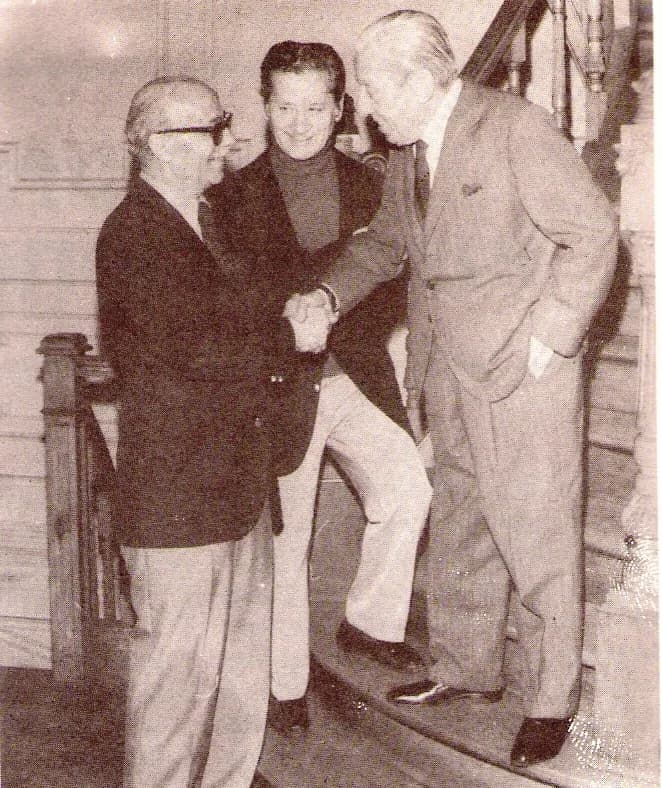
Maswali
Yanayoulizwa mara kwa mara
Ernesto Sabato alikufa lini?
Ernesto Sabato alikufa tarehe 30 Aprili 2011 huko Santos Lugares, Argentina, akiwa na umri wa miaka 99.
Ernesto Sabato alizaliwa wapi?
Ernesto Sabato alizaliwa Rojas, Argentina tarehe 24 Juni 1911.
Ernesto Sabato anajulikana zaidi kwa nini?
Ernesto Sabato anajulikana zaidi kwa Argentine writer, painter and physicist.
Ernesto Sabato alikuwa na umri gani alipokufa?
Ernesto Sabato alikuwa na umri wa miaka 99 alipokufa.
Ernesto Sabato alikuwa wa utaifa gani?
Ernesto Sabato alitoka Argentina.
Ratiba
Maisha kwa muhtasari
Matunzio ya picha
Maisha katika picha
Bofya polaroid yoyote kupanua · picha 46
Msimbo wa QR
Shiriki Wasifu Huu
Chapisha na Shiriki
Skani kutembelea ukurasa huu wa wasifu. Chapisha kwa hafla, maonyesho, au nyenzo za kielimu.