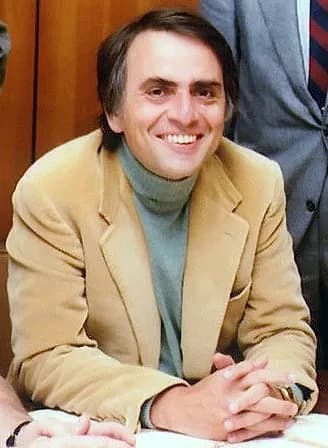
Alizaliwa
November 9, 1934
Brooklyn, United States
Alifariki
December 20, 1996
Seattle, United States
Anajulikana kwa
American astrophysicist, cosmologist and author
Carl Sagan (1934–1996) was United States best known for American astrophysicist, cosmologist and author.
Carl Edward Sagan (November 9, 1934 – December 20, 1996) was an American astrophysicist, cosmologist, and author. He was a leading science communicator, playing a key role in the Mariner, Viking, and Voyager programs and winning a Pulitzer Prize for *The Dragons of Eden*. Sagan inspired millions with his ability to make complex scientific concepts accessible and engaging.
Sura
Sura za maisha
Sura 1 · 1934· Sura 1 ya 7
Early Life and Origins
Carl Edward Sagan began his journey in Brooklyn, United States, where he was born on November 9, 1934. His early life in this bustling borough laid the foundation for a career that would eventually reach far beyond Earth. The intellectual curiosity that would define his later work was nurtured during these formative years.
Sagan's upbringing in Brooklyn provided the initial context for his insatiable quest for knowledge. While specific details of his family life are not extensively provided, his later dedication to education and public engagement suggests a deep-seated desire to share discovery. This early environment undoubtedly contributed to the unique perspective he brought to the vastness of the cosmos.
Sura 2· Sura 2 ya 7
Career Beginnings
Carl Sagan's professional career in academia commenced with significant roles at prestigious institutions. He initially held a position as an assistant professor at Harvard, where he began to establish his expertise in astronomical and planetary studies. This early academic appointment provided him with a platform to engage in cutting-edge research and contribute to the scientific community.
Following his tenure at Harvard, Carl Sagan transitioned to Cornell University. There, he ascended to the distinguished position of the David Duncan Professor of Astronomy and Space Sciences, a testament to his growing stature in his field. At Cornell, he also took on leadership responsibilities, directing the Laboratory for Planetary Studies. These early career milestones marked the start of his significant contributions to both scientific research and education.
Sura 3· Sura 3 ya 7
Major Achievements and Career Highlights
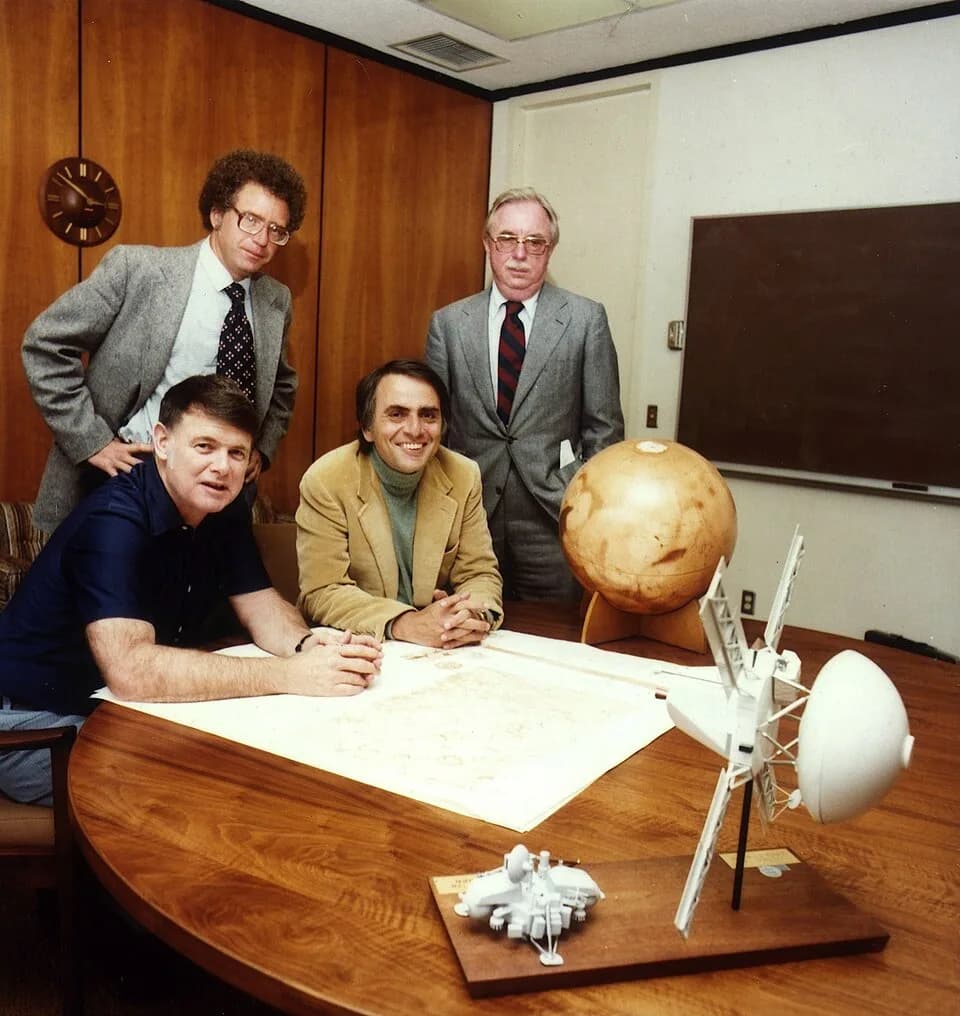
Throughout his career, Carl Sagan was an active and influential participant in some of the most ambitious space exploration programs of his time. He played a crucial role in the Mariner programs, which were pivotal in the early exploration of planets within our solar system. His insights contributed to the success of these missions, deepening humanity's understanding of our celestial neighbors.
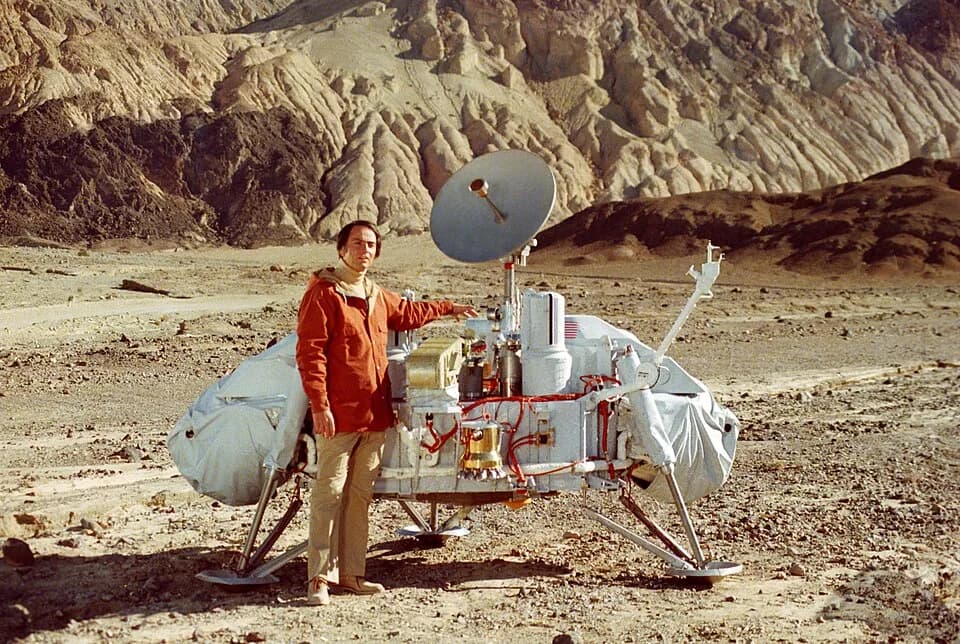
Sagan's involvement extended to the groundbreaking Viking programs, which aimed to explore Mars. His contributions were instrumental in the scientific planning and interpretation of data from these missions. Furthermore, he was deeply engaged with the Voyager programs, which sent probes to the outer planets and beyond, carrying with them a message from Earth for potential extraterrestrial intelligences, a concept deeply intertwined with Sagan's interests.
Beyond his direct involvement in space missions, Carl Sagan was a prolific scholar and author. He published an impressive body of work, comprising more than 600 scientific papers and articles, which advanced the collective knowledge of astronomy and planetary science. His dedication to both research and public outreach distinguished him as a leading figure in contemporary science.
His popular science books brought complex topics to a wide audience, starting with *The Cosmic Connection*. This work marked the beginning of his successful career as a science communicator through literature. His literary achievements were formally recognized with the Pulitzer Prize for General Nonfiction, which he received for his compelling book, *The Dragons of Eden*. This prestigious award underscored his unique ability to blend scientific rigor with accessible and engaging storytelling.
Sura 4· Sura 4 ya 7
Personal Life
While the provided details focus primarily on Carl Sagan's professional and intellectual contributions, his dedication to communicating science suggests a profound personal connection to the wonders of the universe. His roles as a naturalist and university teacher indicate a deep-seated passion for both the natural world and for nurturing the intellectual growth of others. This commitment likely extended beyond his formal professional duties, influencing his broader interactions and pursuits.
Carl Sagan's enduring appeal as a television presenter and science communicator speaks to a warmth and approachability that resonated with many. Though specific family details are not provided, his ability to convey complex ideas with clarity and enthusiasm reflects a human touch that endeared him to audiences globally. His work often explored themes of humanity's place in the cosmos, hinting at a personal philosophy shaped by scientific discovery.
Sura 5· Sura 5 ya 7
Notable Works or Contributions
Carl Sagan's literary output was extensive and influential, leaving behind a rich bibliography that continues to be read and celebrated. His popular science books played a significant role in shaping public understanding and fascination with the cosmos. Among his most well-known works is *Contact*, a science fiction novel that explores the themes of communication with extraterrestrial life and humanity's response to such a discovery.
His non-fiction contributions include *Shadows of Forgotten Ancestors*, which delved into human evolution and the origins of our nature. *Billions and Billions* offered reflections on life and death, as well as an exploration of the universe. He also authored works such as *planets* and *Planets*, which likely explored the myriad celestial bodies within and beyond our solar system, reflecting his deep expertise as a planetary scientist.
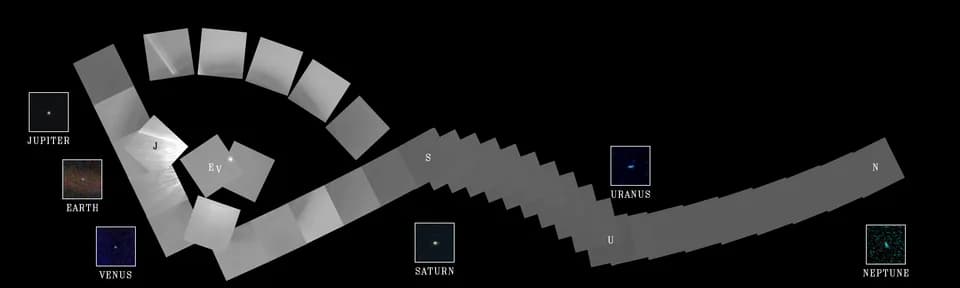
*The Varieties of Scientific Experience* presented a profound exploration of science as a way of knowing, drawing from his extensive knowledge and philosophical insights. *The Cosmic Connection* was one of his early popular science books, helping to initiate his career as a widely recognized science writer. Another celebrated work, *Pale Blue Dot*, expanded on the iconic photograph taken by Voyager 1, offering a powerful meditation on humanity's small place in the grand scheme of the universe.
His interest in "communication with extraterrestrial" life forms was a recurring theme in his work, influencing both his scientific research and his popular writings, including *Contact A Novel*. The Pulitzer Prize-winning *The Dragons of Eden* further showcased his ability to synthesize complex ideas, in this case focusing on the evolution of human intelligence. These works collectively demonstrate his range as an author, from scientific papers to compelling narratives and philosophical reflections.
Sura 6· Sura 6 ya 7
Later Years
In his later years, Carl Sagan continued to be a dynamic force in science and communication. His role as the David Duncan Professor of Astronomy and Space Sciences at Cornell University persisted, allowing him to mentor new generations of scientists. He maintained his directorship of the Laboratory for Planetary Studies, guiding ongoing research efforts in the field.
Even as his life neared its end, Sagan remained a prolific writer and public figure. His final works, such as *Billions and Billions* and *Pale Blue Dot*, were released during or shortly before his passing, showcasing his sustained intellectual vigor. He continued to advocate for scientific literacy and critical thinking, reinforcing his legacy as a leading science communicator until his death in Seattle, United States, on December 20, 1996.
Sura 7· Sura 7 ya 7
Legacy and Impact
Carl Sagan's impact on the fields of astronomy, planetary science, and science communication is enduring and profound. He is widely regarded as one of the most influential science communicators of his generation, transforming the way the public perceived and engaged with scientific discovery. Through his television presentations, notably 'Cosmos: A Personal Voyage', and numerous books, he inspired millions to look up at the stars with renewed wonder.
His contributions to space programs like Mariner, Viking, and Voyager were foundational, advancing our factual understanding of the solar system. Sagan's ability to translate complex scientific data into captivating narratives made science accessible and exciting, fostering a global appreciation for scientific inquiry. His passionate advocacy for critical thinking and the scientific method shaped public discourse on various issues, from space exploration to environmental protection.
The concepts and images he popularized, such as the "Pale Blue Dot," continue to resonate, offering a humbling perspective on humanity's place in the universe. Carl Sagan left a lasting impression on scientific and popular culture, encouraging a sense of curiosity, skepticism, and cosmic perspective. His work continues to influence new generations of scientists, writers, and citizens, ensuring that his vision of a scientifically literate and curious society persists.
Maisha katika nyakati
Nyakati zilizoyaunda maisha
Maswali
Yanayoulizwa mara kwa mara
Carl Sagan alikufa lini?
Carl Sagan alikufa tarehe 20 Desemba 1996 huko Seattle, United States, akiwa na umri wa miaka 62.
Carl Sagan alizaliwa wapi?
Carl Sagan alizaliwa Brooklyn, United States tarehe 9 Novemba 1934.
Carl Sagan anajulikana zaidi kwa nini?
Carl Sagan anajulikana zaidi kwa American astrophysicist, cosmologist and author.
Carl Sagan alikuwa na umri gani alipokufa?
Carl Sagan alikuwa na umri wa miaka 62 alipokufa.
Carl Sagan alikuwa wa utaifa gani?
Carl Sagan alitoka United States.
Ratiba
Maisha kwa muhtasari
Matunzio ya picha
Maisha katika picha
Bofya polaroid yoyote kupanua · picha 22
Msimbo wa QR
Shiriki Wasifu Huu
Chapisha na Shiriki
Skani kutembelea ukurasa huu wa wasifu. Chapisha kwa hafla, maonyesho, au nyenzo za kielimu.