Alizaliwa
May 14, 1907
Haripur, Pakistan
Alifariki
April 19, 1974
Rawalpindi, Pakistan
Anajulikana kwa
President of Pakistan from 1958 to 1969
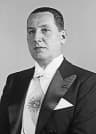
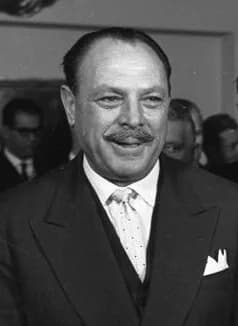
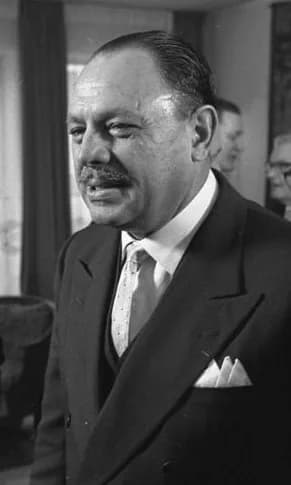
Ayub Khan (1907–1974) was Pakistan best known for President of Pakistan from 1958 to 1969.
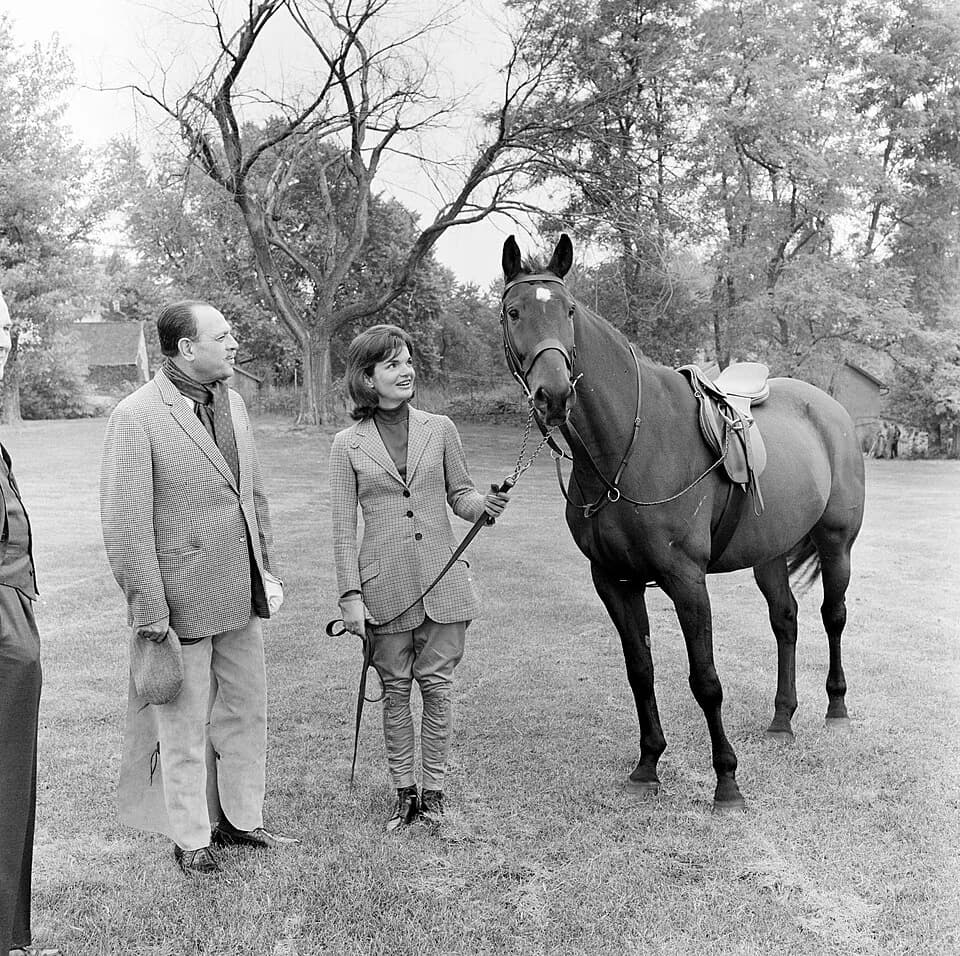
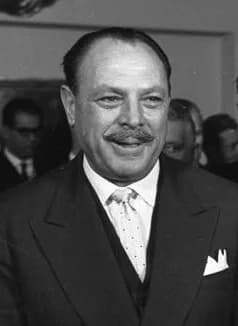
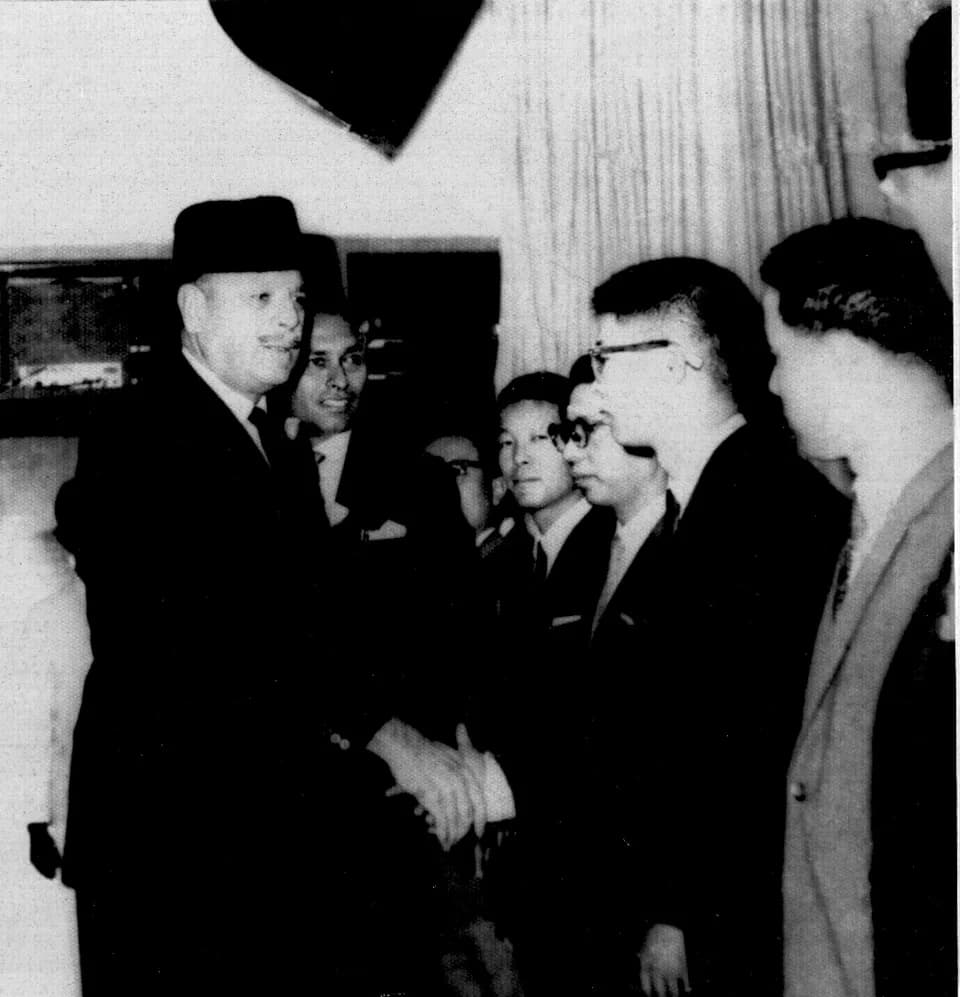
Field Marshal Mohammad Ayub Khan (1907-1974) was a Pakistani military officer and politician from Haripur. He served as Pakistan's second President from 1958-1969 and was the country's first native Commander-in-Chief of the Pakistan Army. His presidency began with a military coup and ended with his resignation amid mass protests.
Sura
Sura za maisha
Sura 1 · 1907· Sura 1 ya 7
Early Life and Origins
Mohammad Ayub Khan was born on May 14, 1907, in Haripur, which would later become part of Pakistan. Growing up in the region that would witness the partition of British India, Khan's early years were shaped by the complex political and social dynamics of the pre-independence era. His upbringing in Haripur provided him with firsthand experience of the challenges facing the local population and the administrative structures of colonial rule.
The future Field Marshal's formative years coincided with growing movements for independence across the Indian subcontinent. This environment would influence his later understanding of governance and military strategy, preparing him for the roles he would assume in Pakistan's early decades.
Sura 2· Sura 2 ya 7
Career Beginnings
Khan's professional journey began in the military, where he developed the expertise that would define his career. His early military service provided him with the foundation for understanding both tactical operations and strategic planning. During this period, he gained experience in military administration and leadership that would prove essential when he later became Pakistan's first native Commander-in-Chief.
His progression through the military ranks occurred during the tumultuous period surrounding Pakistan's creation in 1947. Khan's early career positioned him to understand both the challenges of building a new nation's defense infrastructure and the complexities of regional security in South Asia.
Sura 3 · 1951· Sura 3 ya 7
Major Achievements and Career Highlights
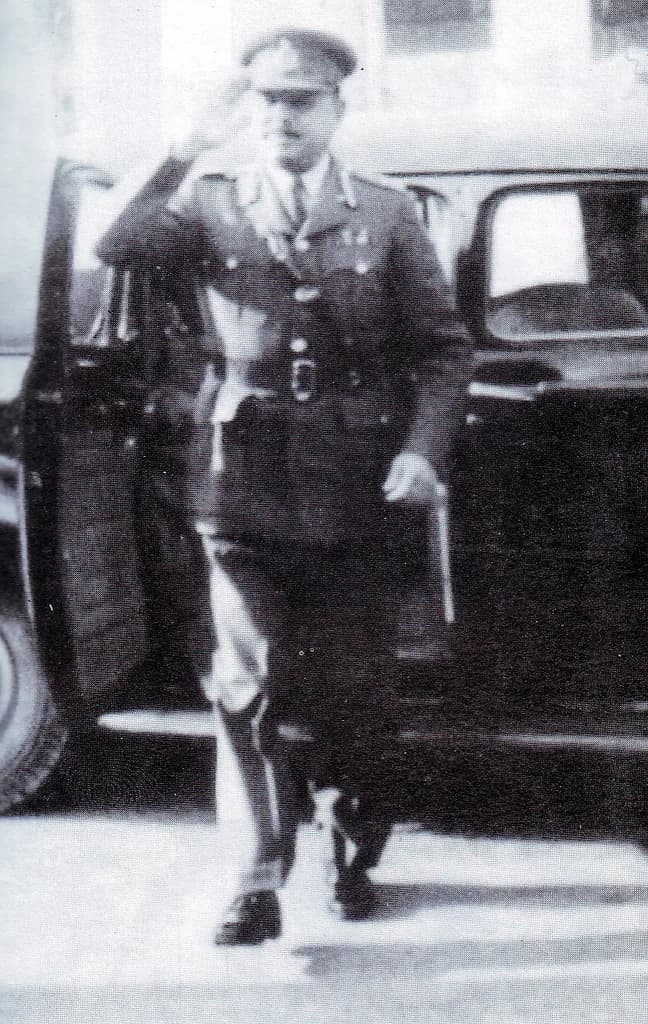
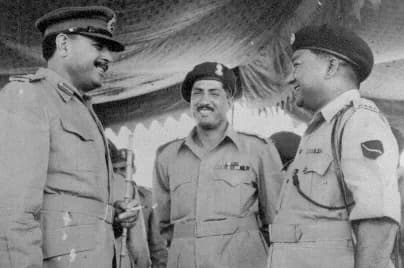
Khan achieved the position of Commander-in-Chief of the Pakistan Army in 1951, making him the first native officer to hold this crucial role. For seven years, from 1951 to 1958, he oversaw the development of Pakistan's military capabilities during the country's formative period. His military leadership helped establish the institutional framework that would guide Pakistan's armed forces for decades to come.
In 1958, Khan executed a coup d'état that brought him to power as Pakistan's second President, overthrowing President Iskander Mirza. His presidency lasted eleven years, from 1958 to 1969, during which he implemented various economic and administrative reforms. Khan held the rank of Field Marshal, reflecting his dual role as both military leader and head of state.
During his presidency, Khan introduced constitutional changes and development programs aimed at modernizing Pakistan's economy and infrastructure. His administration focused on industrial development and agricultural reforms, though these policies generated both support and opposition across different segments of Pakistani society.
Sura 4· Sura 4 ya 7
Personal Life
Khan's personal interests extended beyond military and political affairs to include intellectual pursuits. His background encompassed multiple fields including finance and writing, reflecting a diverse range of capabilities that informed his approach to governance. These varied interests contributed to his understanding of Pakistan's economic challenges and development needs.
Living through Pakistan's early decades, Khan witnessed the country's struggles with nation-building, economic development, and regional security. His personal experiences during this period shaped his perspectives on governance and military leadership.
Sura 5· Sura 5 ya 7
Notable Works and Contributions
Khan authored several works during his lifetime, including publications on mathematical modeling and applied analysis. His bibliography includes "Mathematical Modeling, Applied Analysis and Computational Methods," demonstrating his intellectual engagement with technical subjects. He also wrote "Better by Design," reflecting his thoughts on planning and development strategies.
Interestingly, his published works also included "Space Coloring Book for Kids," showing a lighter side to his personality and perhaps an interest in education and children's development. This diverse range of publications illustrates the breadth of Khan's intellectual curiosities beyond his primary roles in military and political leadership.
Sura 6 · 1969· Sura 6 ya 7
Later Years
Khan's presidency ended in 1969 when he resigned amid widespread protests and strikes across Pakistan. The mass demonstrations reflected growing dissatisfaction with his administration's policies and governance style. His resignation marked the end of over a decade of military rule under his leadership.
After leaving the presidency, Khan spent his final years in Pakistan, away from active political involvement. He died on April 19, 1974, in Rawalpindi, the same city that had served as an important center during his years in power. His death marked the end of an era for Pakistan's early political development.
Sura 7 · 1951· Sura 7 ya 7
Legacy and Impact
Ayub Khan's eleven-year presidency represents one of the longest periods of rule by a single leader in Pakistan's history. His time as both Commander-in-Chief from 1951-1958 and President from 1958-1969 spanned nearly two decades of Pakistan's early development. The policies and institutions he established continued to influence Pakistani governance long after his departure from office.
Khan's dual role as military officer and political leader established patterns of civil-military relations that would shape Pakistan's political landscape for generations. His approach to economic development, administrative reform, and regional security created precedents that subsequent Pakistani leaders would both build upon and react against. The circumstances of his rise to power through a coup d'état and his eventual resignation amid popular protests illustrate the complex dynamics of governance in Pakistan's early decades.
Maisha katika nyakati
Nyakati zilizoyaunda maisha
Maswali
Yanayoulizwa mara kwa mara
Ayub Khan alikufa lini?
Ayub Khan alikufa tarehe 19 Aprili 1974 huko Rawalpindi, Pakistan, akiwa na umri wa miaka 66.
Ayub Khan alizaliwa wapi?
Ayub Khan alizaliwa Haripur, Pakistan tarehe 14 Mei 1907.
Ayub Khan anajulikana zaidi kwa nini?
Ayub Khan anajulikana zaidi kwa President of Pakistan from 1958 to 1969.
Ayub Khan alikuwa na umri gani alipokufa?
Ayub Khan alikuwa na umri wa miaka 66 alipokufa.
Ayub Khan alikuwa wa utaifa gani?
Ayub Khan alitoka Pakistan.
Ratiba
Maisha kwa muhtasari
Matunzio ya picha
Maisha katika picha
Bofya polaroid yoyote kupanua · picha 46
Msimbo wa QR
Shiriki Wasifu Huu
Chapisha na Shiriki
Skani kutembelea ukurasa huu wa wasifu. Chapisha kwa hafla, maonyesho, au nyenzo za kielimu.