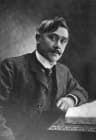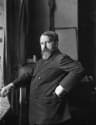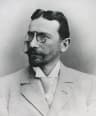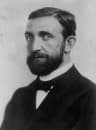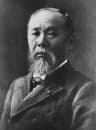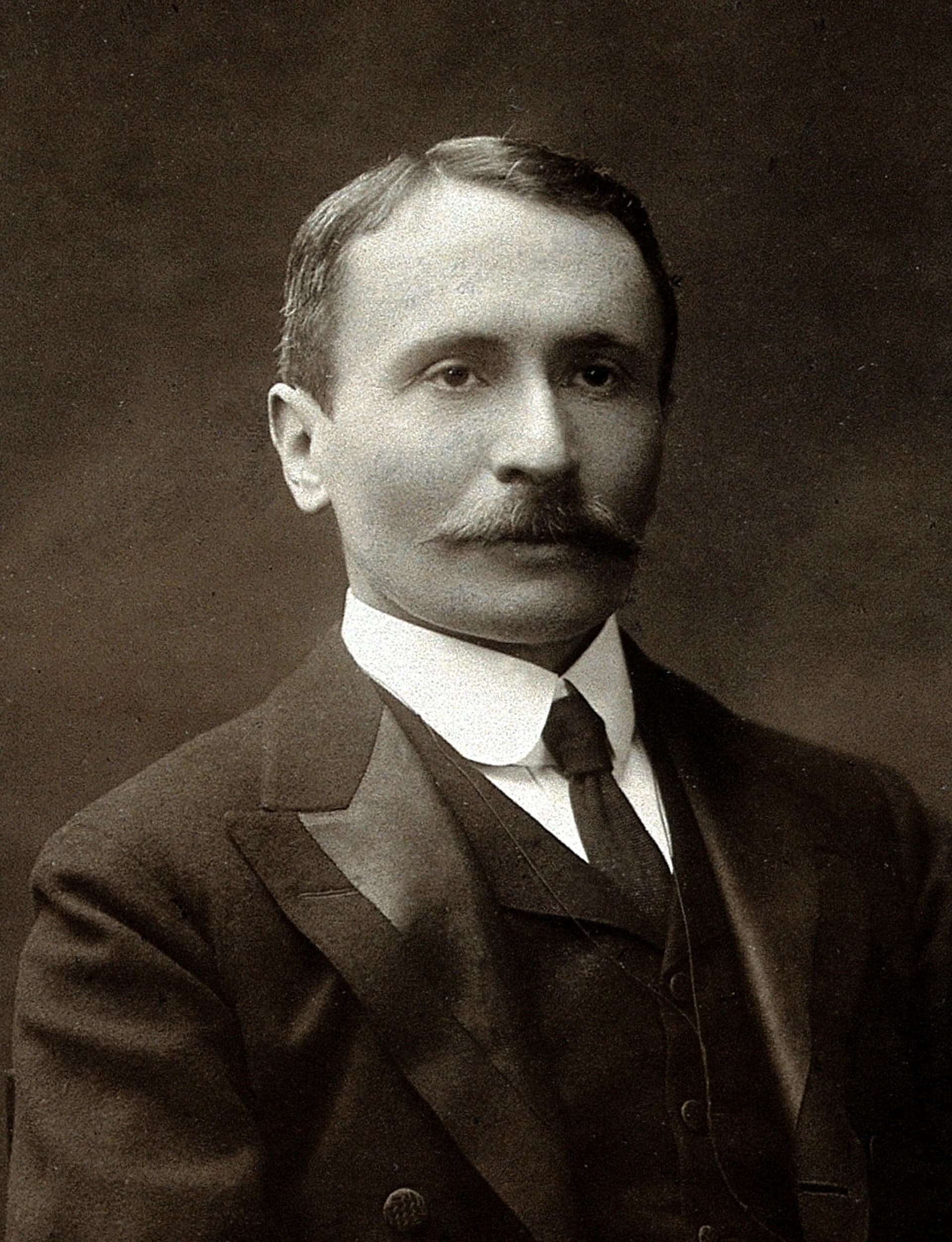
Alizaliwa
November 26, 1862
Pest, Hungary
Alifariki
October 26, 1943
Kabul, Afghanistan
Anajulikana kwa
Hungarian-British archaeologist
Aurel Stein (1862–1943) was Hungary best known for Hungarian-British archaeologist.
Sir Marc Aurel Stein (November 26, 1862 – October 26, 1943) was a Hungarian-born British archaeologist, known for his explorations and archaeological discoveries in Central Asia. He held professorships at Indian universities, enriching the study of ancient trade routes and cultures. His meticulous work continues to inform scholars worldwide.
Sura
Sura za maisha
Sura 1 · 1862· Sura 1 ya 7
Early Life and Origins
Aurel Stein was born on November 26, 1862, in Pest, Hungary, a city that contributed to his early intellectual development. His formative years laid the groundwork for a scholarly life, characterized by a deep curiosity about history and culture. He pursued a robust education, preparing him for diverse academic roles in his future career.
Before his famed archaeological expeditions, Stein equipped himself with a wide range of knowledge, becoming skilled as a university teacher and an art historian. This academic foundation later proved essential for his work in classifying and interpreting the artifacts he would uncover in the deserts of Central Asia.
Sura 2· Sura 2 ya 7
Career Beginnings
Stein's journey into archaeology began with the practical application of his academic training. He quickly distinguished himself, evolving into an anthropologist and a dedicated explorer. His initial professional endeavors included significant periods as a professor at Indian universities, where he shared his knowledge and honed his research skills.
His early work was characterized by a meticulous approach to research, which laid the foundation for his later, more ambitious projects. The experiences gained during these initial years were crucial in developing the methodologies that would define his groundbreaking explorations in some of the world's most challenging environments.
Sura 3· Sura 3 ya 7
Major Achievements and Career Highlights
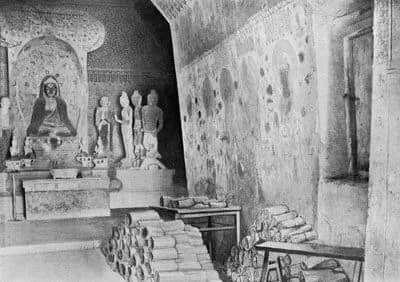
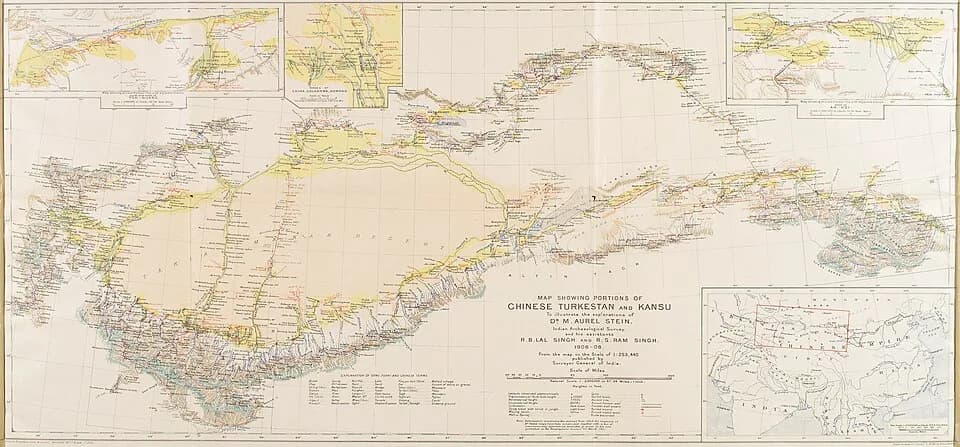
Sir Marc Aurel Stein is primarily known for his extensive explorations and archaeological discoveries across Central Asia. These expeditions led to the identification and study of ancient settlements, manuscripts, and artwork along the historic Silk Road. His work provided critical insights into the cultural exchange between East and West.
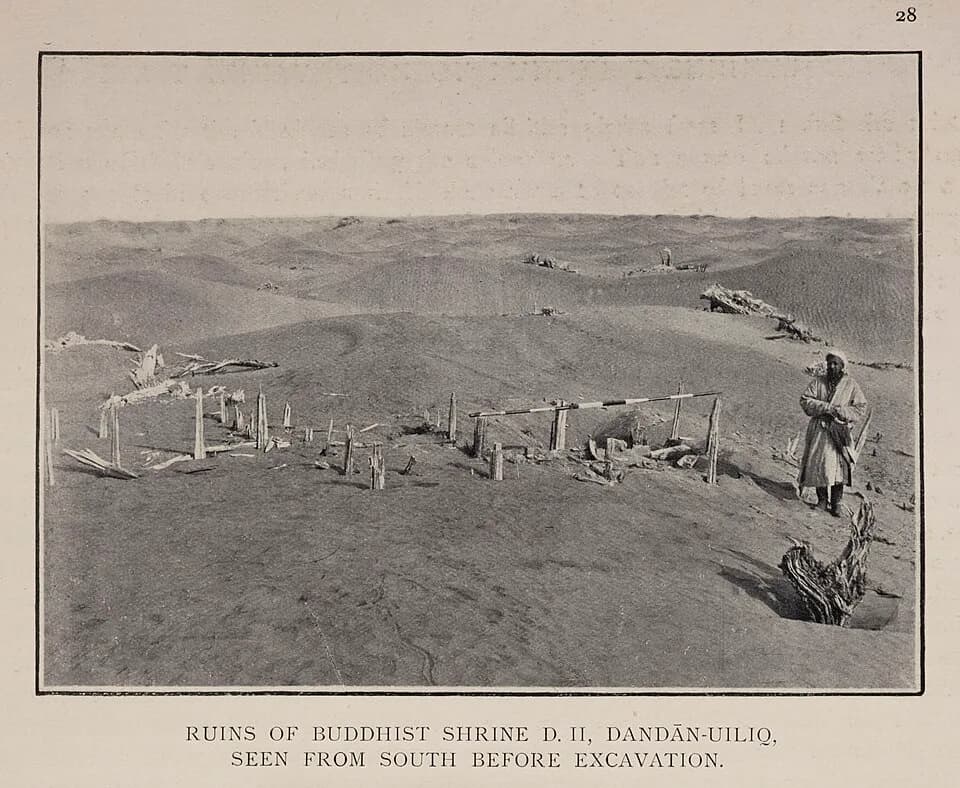
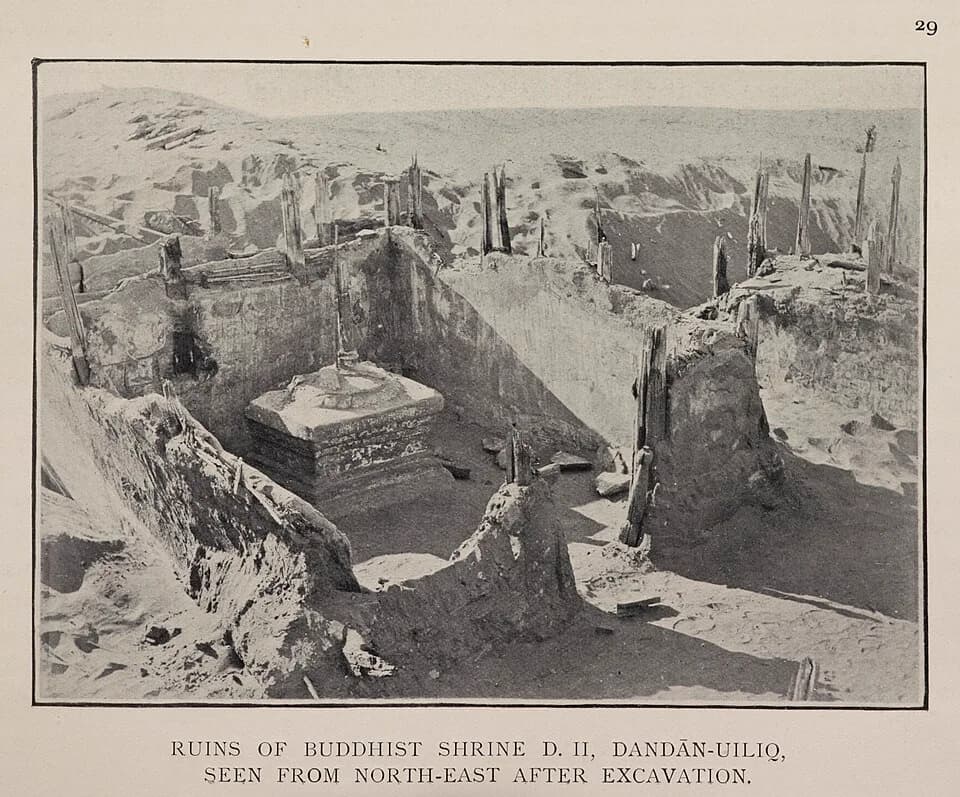
Among his significant accomplishments are the detailed surveys and excavations documented in works like "Sand-Buried Ruins of Khotan," which showcased his ability to uncover and interpret sites long lost to shifting sands. His ability to connect archaeological finds with historical texts, as seen in "On Alexander's track to the Indus," demonstrated his unique blend of classical scholarship and field archaeology.
His academic contributions extended beyond fieldwork, with an h-index of 13 across 56 published papers, reflecting the scholarly impact of his research. Key works like "On Alexander's Route into Gedrosia: An Archaeological Tour in Las Bela" published in 1943, garnered significant citations, cementing his status as a leading authority in his field.
Sura 4· Sura 4 ya 7
Personal Life
While details of Sir Aurel Stein's personal life beyond his professional endeavors are not extensively documented, it is evident that his career as an archaeologist, explorer, and academic consumed the majority of his time and passion. His commitment to research and exploration in Central Asia largely defined his existence.
His unwavering dedication to uncovering the past suggests a life singularly focused on scholarship and discovery. The absence of extensive records concerning family or relationships points to a profound devotion to his scientific and exploratory missions.
Sura 5· Sura 5 ya 7
Notable Works or Contributions
Sir Marc Aurel Stein's bibliography is extensive and diverse, showcasing his breadth of knowledge. His published works include "Torwali," "Antiguas Rutas de Asia Central," and "Mashraqi Turkestan," each offering perspectives on the regions he explored. These writings served as crucial records of his expeditions and findings.
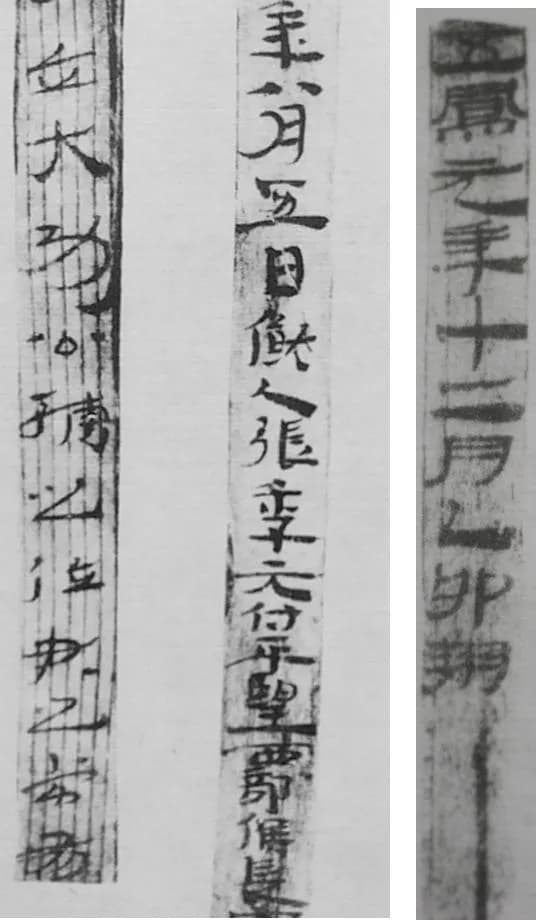
Further contributions include "Ruins of desert Cathay;" and "Stein-1930-MASI-42-Swat-ocr," alongside "Kharosti Inscriptions Discovered by Sir Aurel Stein in Chinese Turkestan." These publications, some transcribed and edited by collaborators like A. M. Boyer, E. J. Rapson, and E. Senart, provided detailed analyses of ancient languages and historical records. Even posthumous works, such as "Archæological Notes form the Hindukush Region" (1944) and "Museum of London" (1963), continued to be published, underscoring the enduring value of his research.
Sura 6 · 1943· Sura 6 ya 7
Later Years
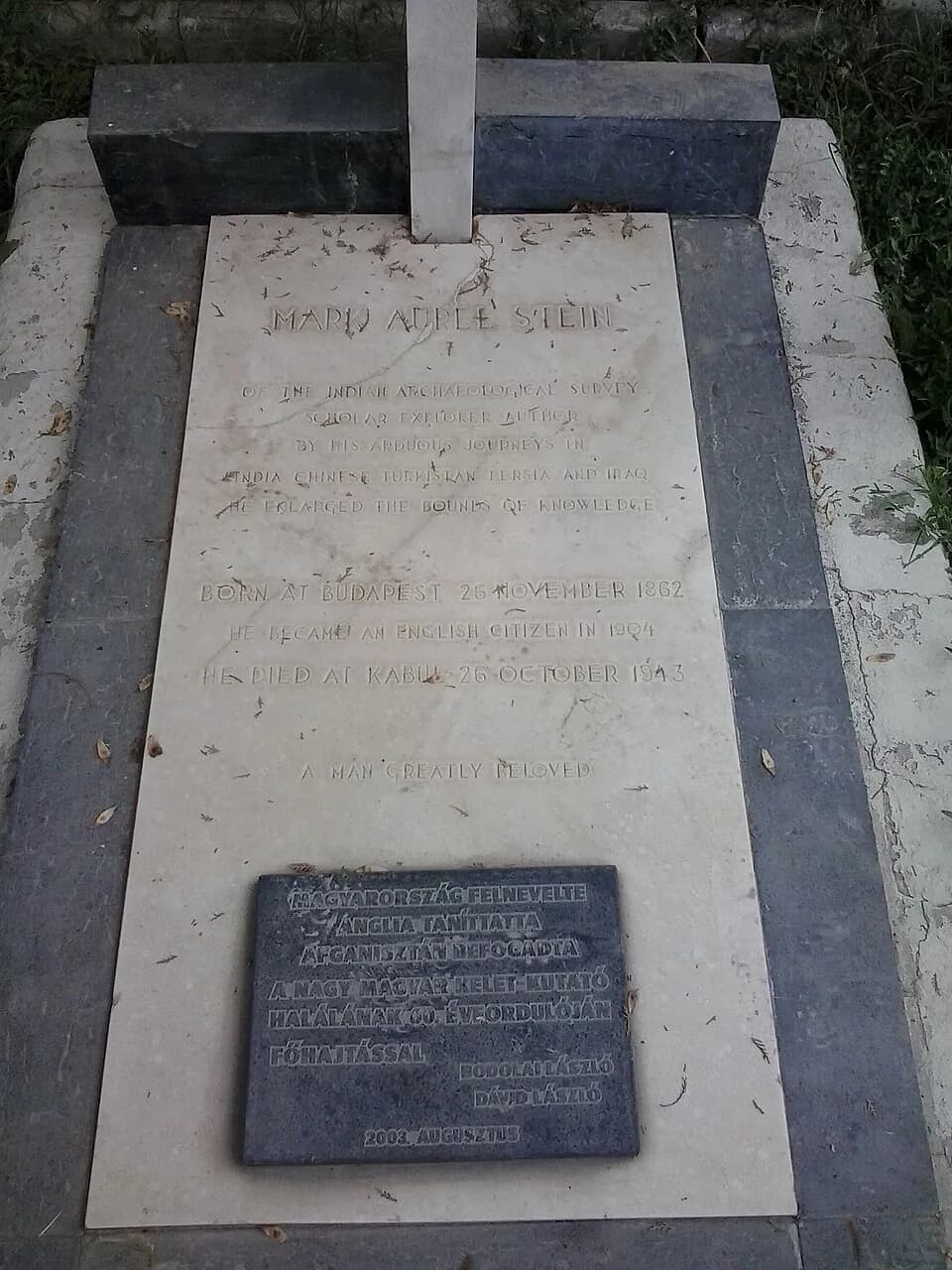
Sir Aurel Stein remained actively engaged in his scholarly pursuits until his passing. He died on October 26, 1943, in Kabul, Afghanistan, while on one of his many expeditions, demonstrating his lifelong dedication to exploration. His death in the field symbolizes his relentless commitment to unraveling ancient mysteries.
Even in his final years, his work continued to be of immense importance. His publication, "On Alexander's Route into Gedrosia: An Archaeological Tour in Las Bela," appeared in the year of his death, reflecting his active research until the very end of his life. Posthumous works like "Sir Aurel Stein's Limes report" further showcase his extensive contributions.
Sura 7· Sura 7 ya 7
Legacy and Impact
Sir Marc Aurel Stein's legacy as a Hungarian-British archaeologist is firmly established through his pioneering explorations and meticulous documentation of Central Asian sites. His work provided crucial insights into the ancient Silk Road, significantly enriching the fields of archaeology, art history, and anthropology. He unveiled entire civilizations previously lost to history.
His scientific rigor and detailed records continue to serve as fundamental resources for scholars studying ancient Central Asia and the connections between East and West. The numerous citations of his papers, including "The great Chinese travelers" (1964) and "Museum of London" (1963), illustrate his lasting influence and the sustained relevance of his research across decades.
Maisha katika nyakati
Nyakati zilizoyaunda maisha
Maswali
Yanayoulizwa mara kwa mara
Aurel Stein alikufa lini?
Aurel Stein alikufa tarehe 26 Oktoba 1943 huko Kabul, Afghanistan, akiwa na umri wa miaka 80.
Aurel Stein alizaliwa wapi?
Aurel Stein alizaliwa Pest, Hungary tarehe 26 Novemba 1862.
Aurel Stein anajulikana zaidi kwa nini?
Aurel Stein anajulikana zaidi kwa Hungarian-British archaeologist.
Aurel Stein alikuwa na umri gani alipokufa?
Aurel Stein alikuwa na umri wa miaka 80 alipokufa.
Aurel Stein alikuwa wa utaifa gani?
Aurel Stein alitoka Hungary.
Ratiba
Maisha kwa muhtasari
Matunzio ya picha
Maisha katika picha
Bofya polaroid yoyote kupanua · picha 19
Msimbo wa QR
Shiriki Wasifu Huu
Chapisha na Shiriki
Skani kutembelea ukurasa huu wa wasifu. Chapisha kwa hafla, maonyesho, au nyenzo za kielimu.