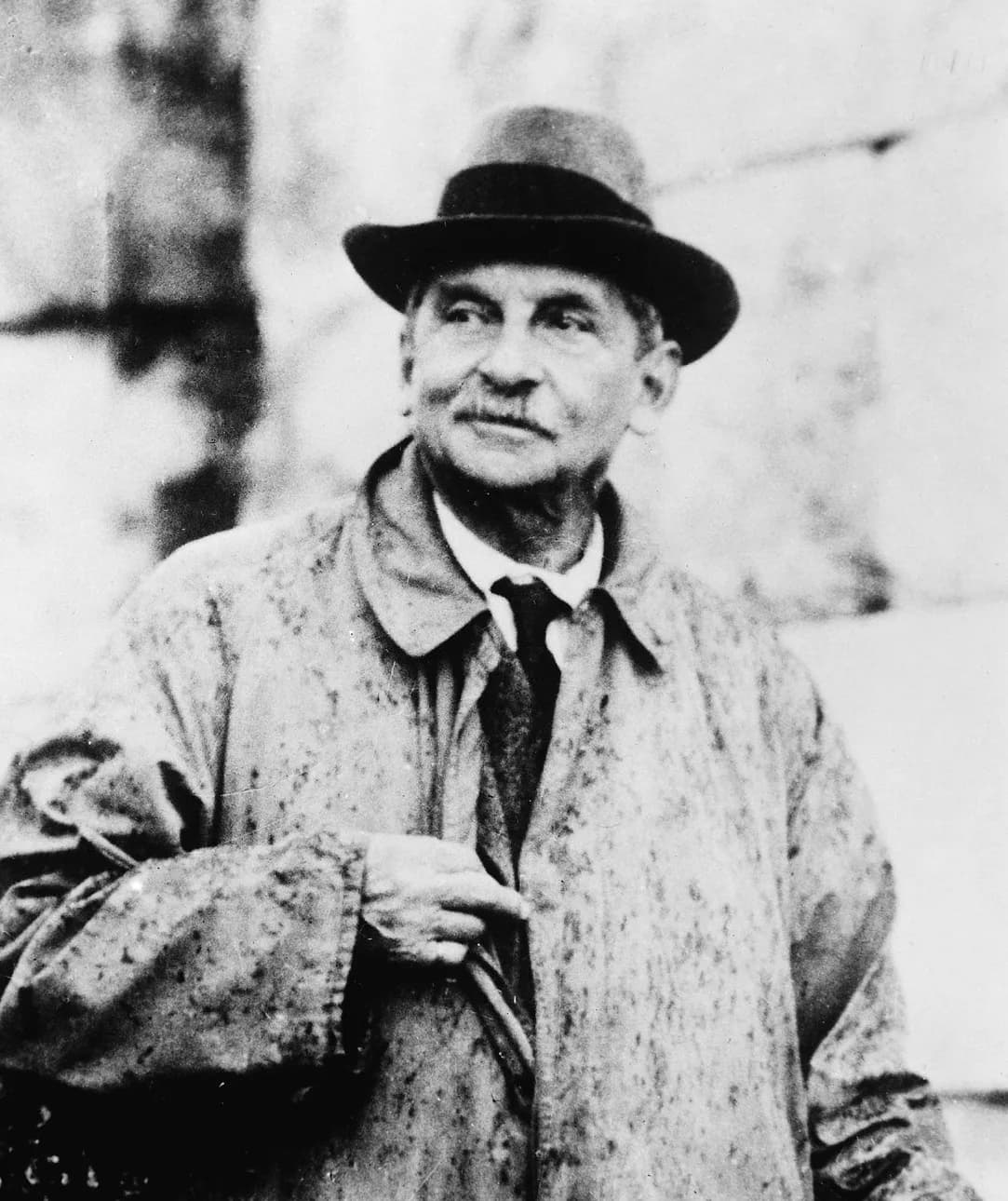
Alizaliwa
July 8, 1851
Nash Mills, United Kingdom
Alifariki
July 11, 1941
Youlbury House, United Kingdom
Anajulikana kwa
British archaeologist and scholar
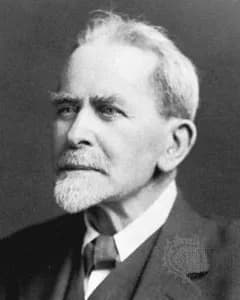
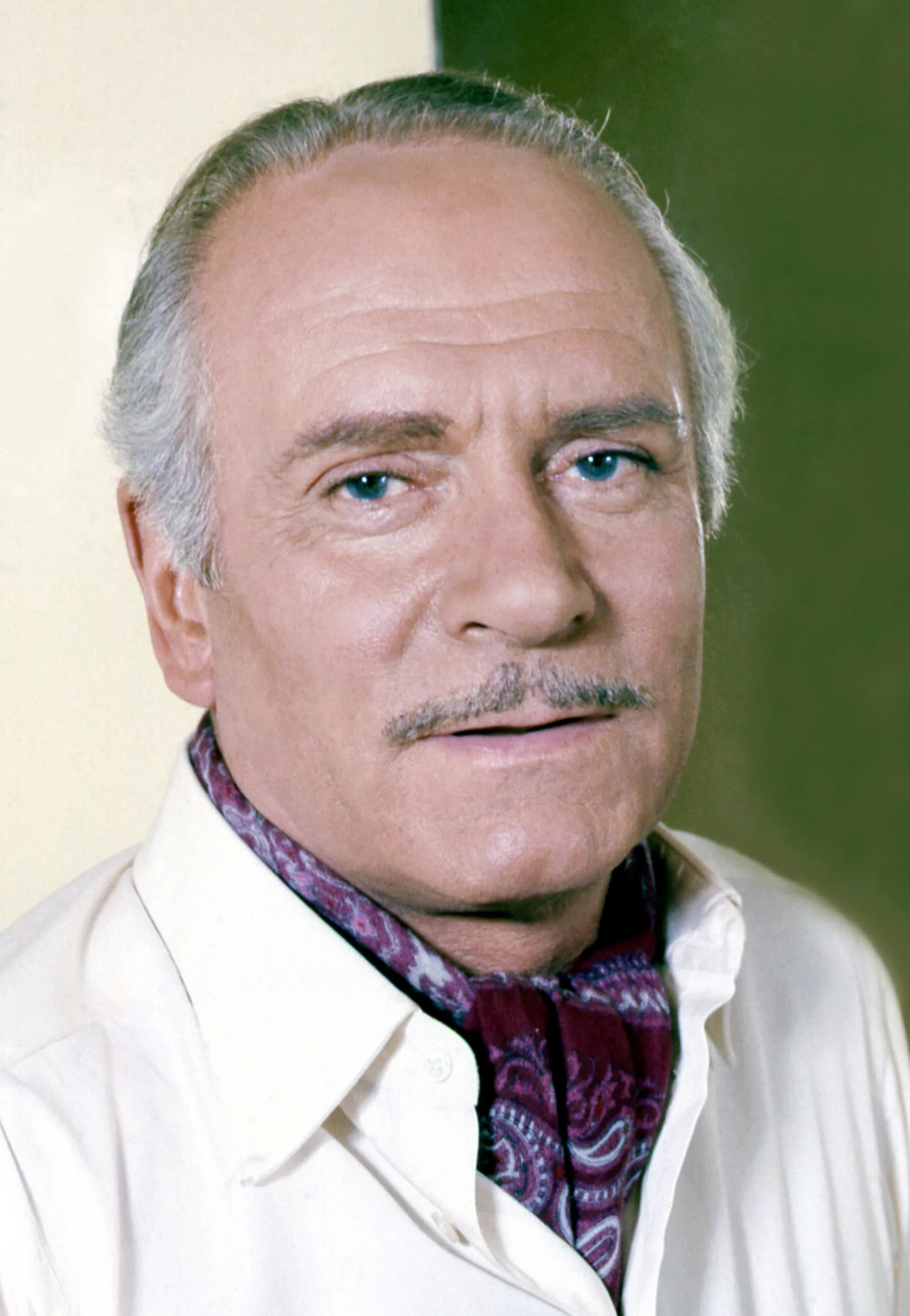
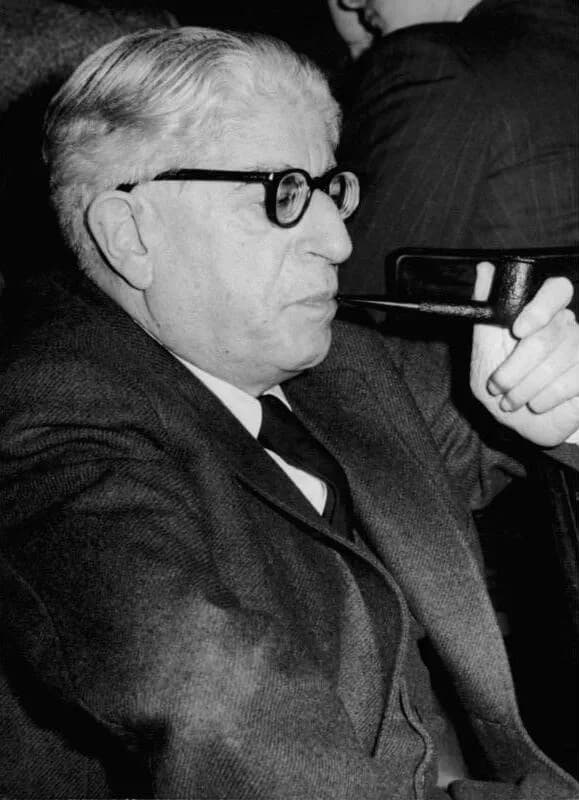
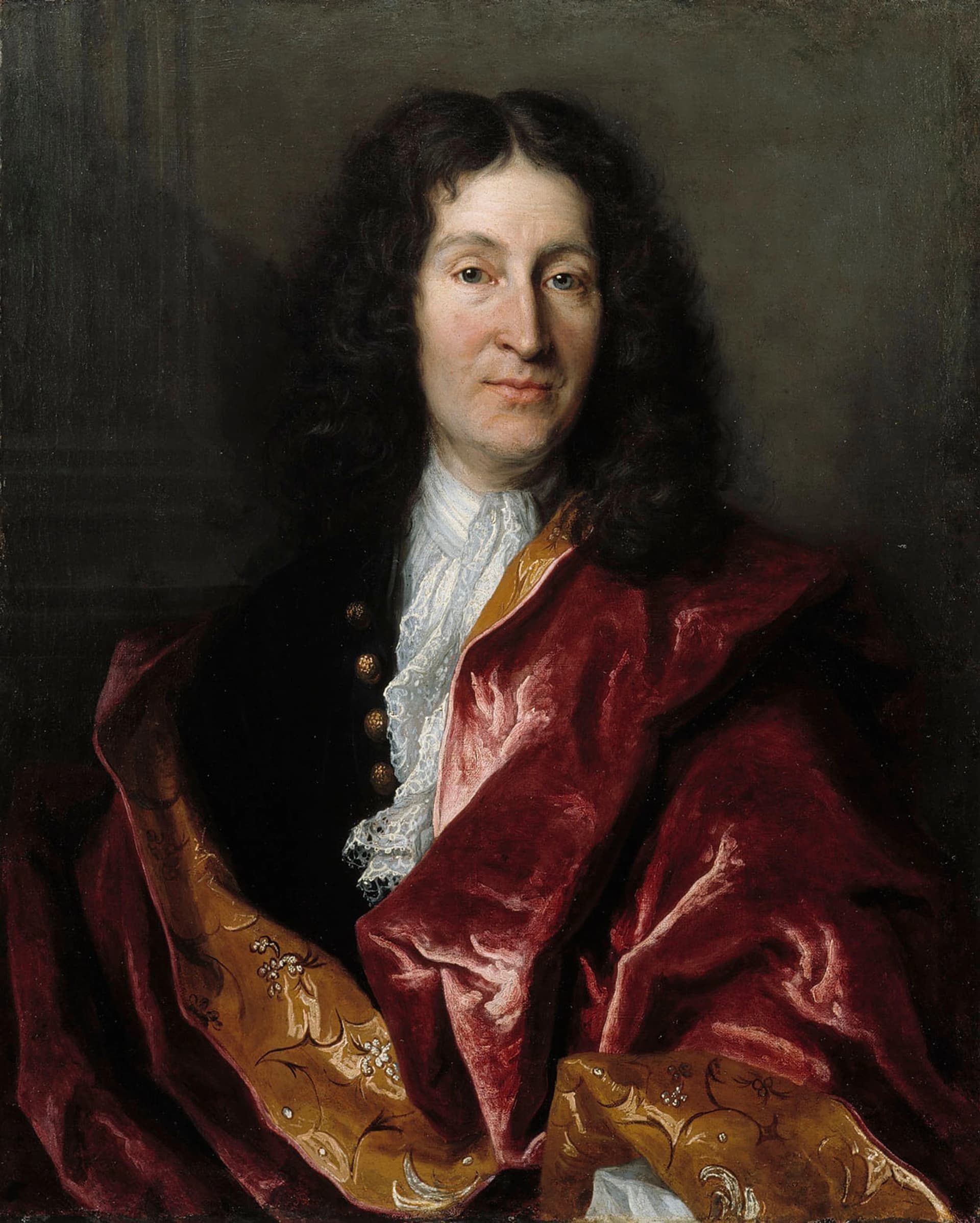
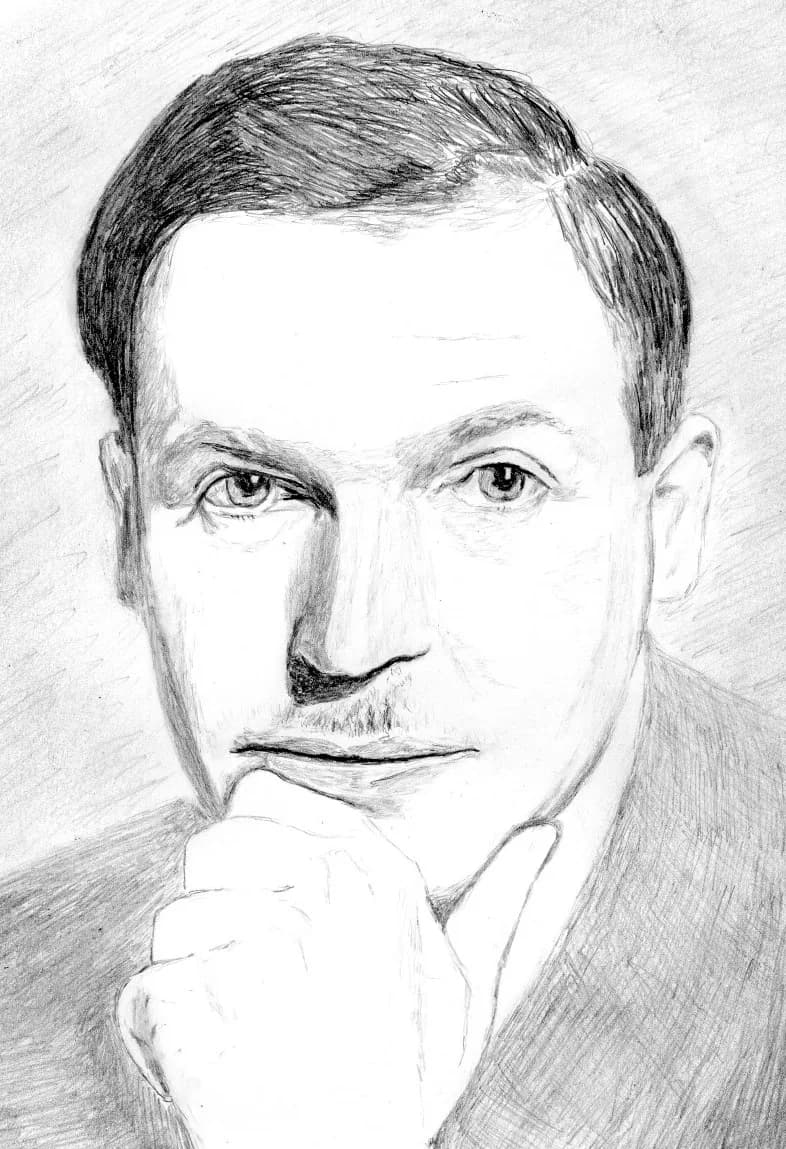
Arthur Evans (1851–1941) was United Kingdom best known for British archaeologist and scholar.
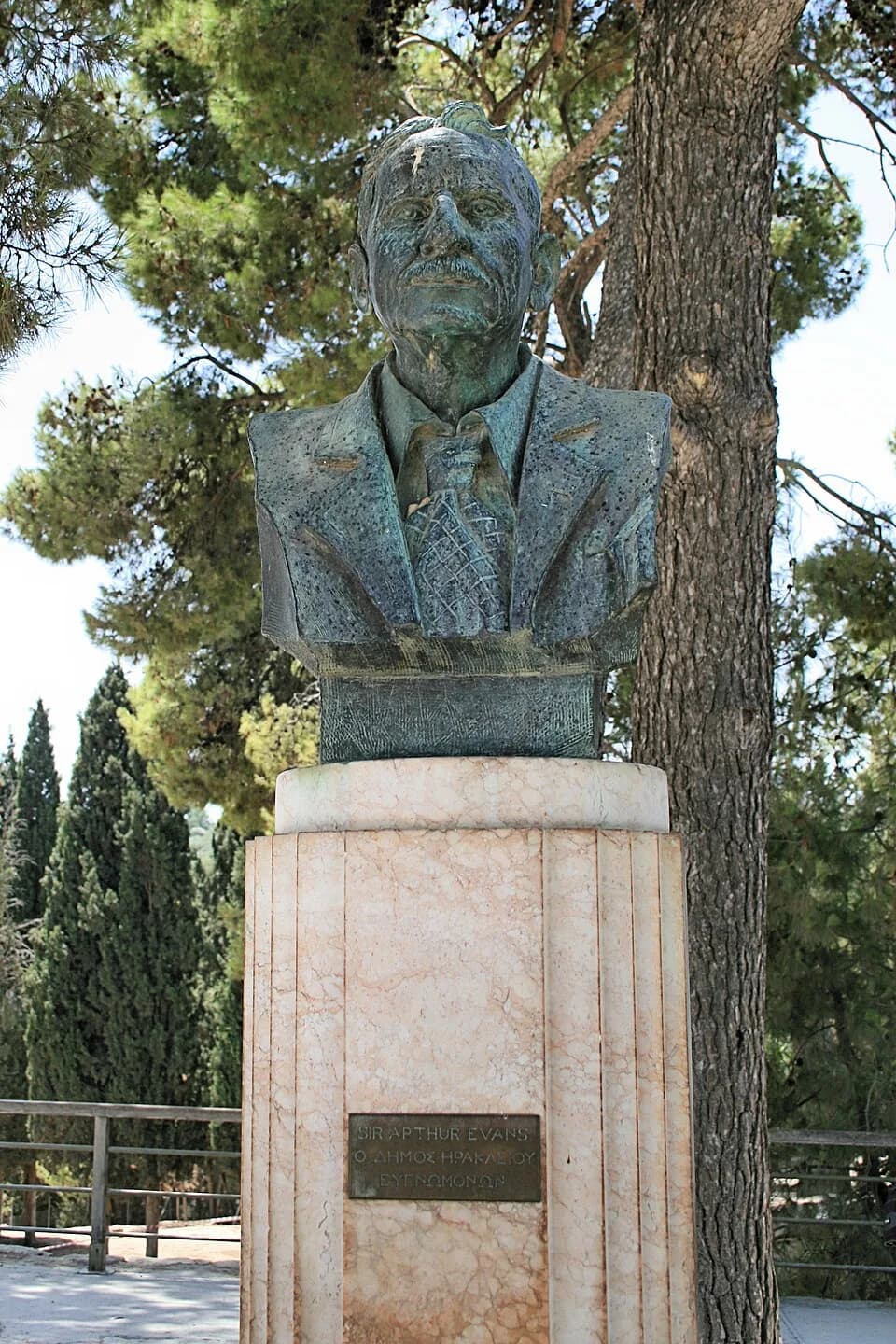
Sir Arthur John Evans (1851–1941) was a British archaeologist from Nash Mills, United Kingdom. He pioneered the study of Aegean civilization in the Bronze Age, particularly through his excavations at Knossos. His scholarly work established new standards for archaeological practice.
Maisha katika nyakati
Nyakati zilizoyaunda maisha
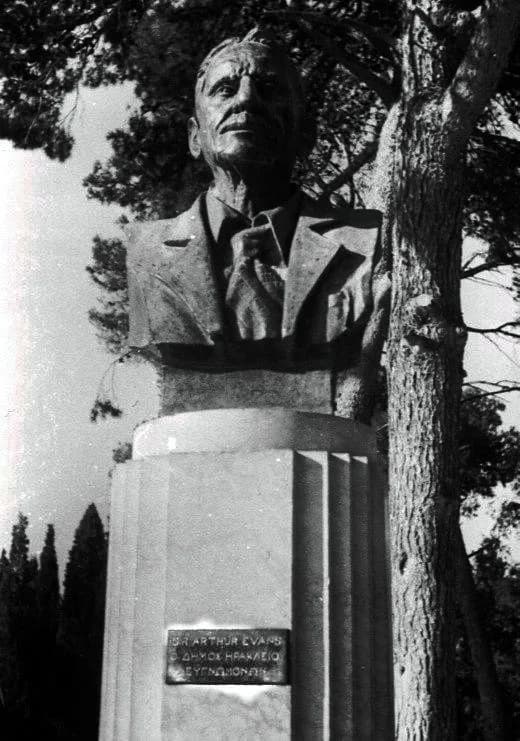
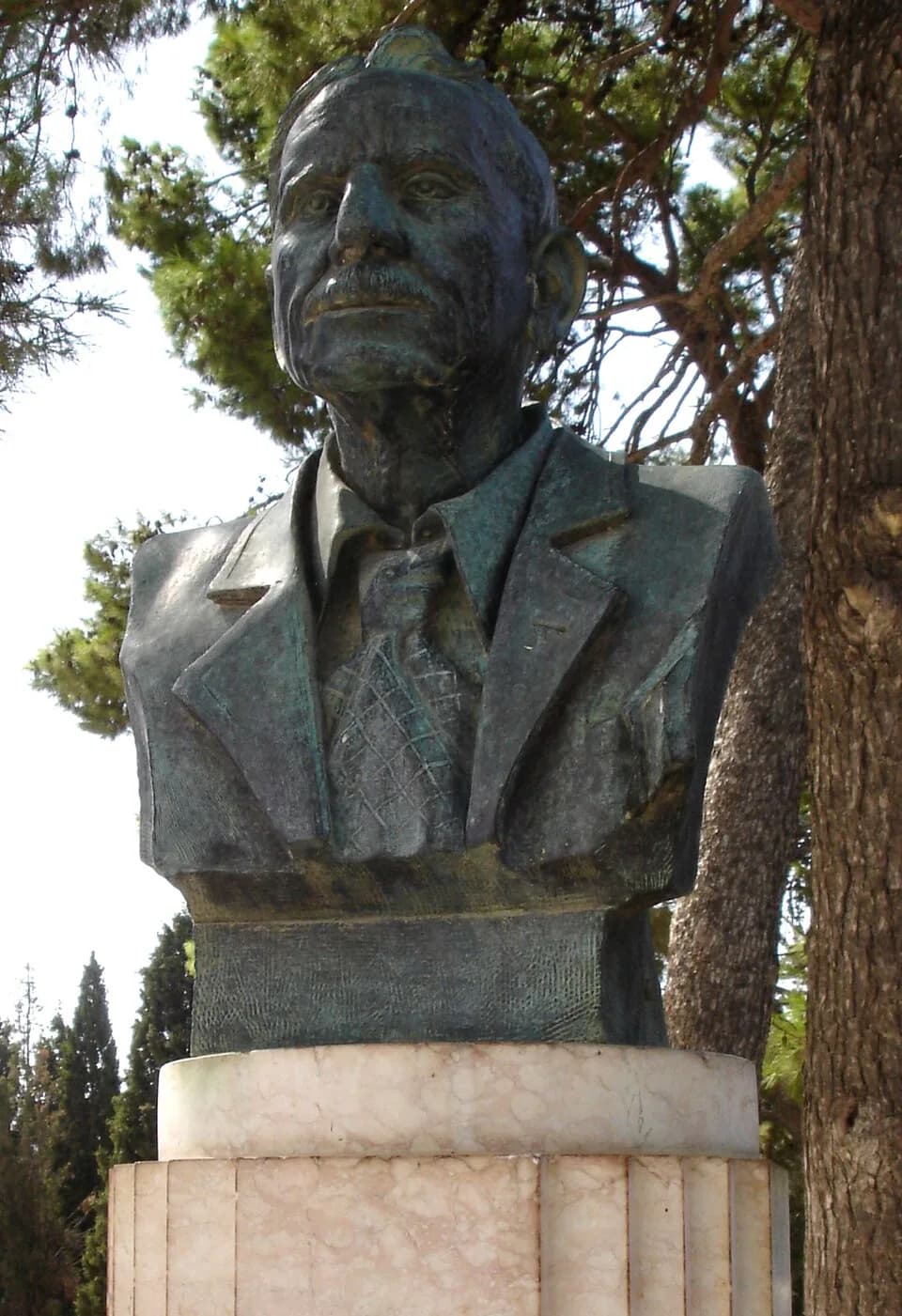
Sura
Sura za maisha
Sura 1 · 1851· Sura 1 ya 7
Early Life and Origins
Arthur Evans was born on July 8, 1851, in Nash Mills, a small village in Hertfordshire, England. Growing up in Victorian Britain, he was exposed to the intellectual currents of his time that emphasized classical education and archaeological inquiry. His formative years were spent in an environment that valued scholarly pursuit and historical research, laying the foundation for his future career in archaeology and ancient studies.
Sura 2· Sura 2 ya 7
Career Beginnings
Evans began his professional journey as a scholar with interests spanning multiple disciplines including art history, numismatics, and anthropology. His early work demonstrated a particular fascination with ancient civilizations and their material culture. He developed expertise in studying coins, artifacts, and historical documents, skills that would prove invaluable in his later archaeological endeavors. His scholarly approach combined rigorous academic methods with a keen eye for artistic and cultural details.
Sura 3· Sura 3 ya 7
Major Achievements and Career Highlights
Evans' most significant contribution to archaeology was his pioneering study of Aegean civilization during the Bronze Age. His meticulous excavations and research methodology set new standards for archaeological practice in the early 20th century. He became recognized as a leading authority on ancient Mediterranean cultures, earning a knighthood for his scholarly achievements. His work bridged the gap between classical archaeology and emerging anthropological approaches, establishing him as a central figure in British academic circles.
Sura 4· Sura 4 ya 7
Notable Works and Contributions
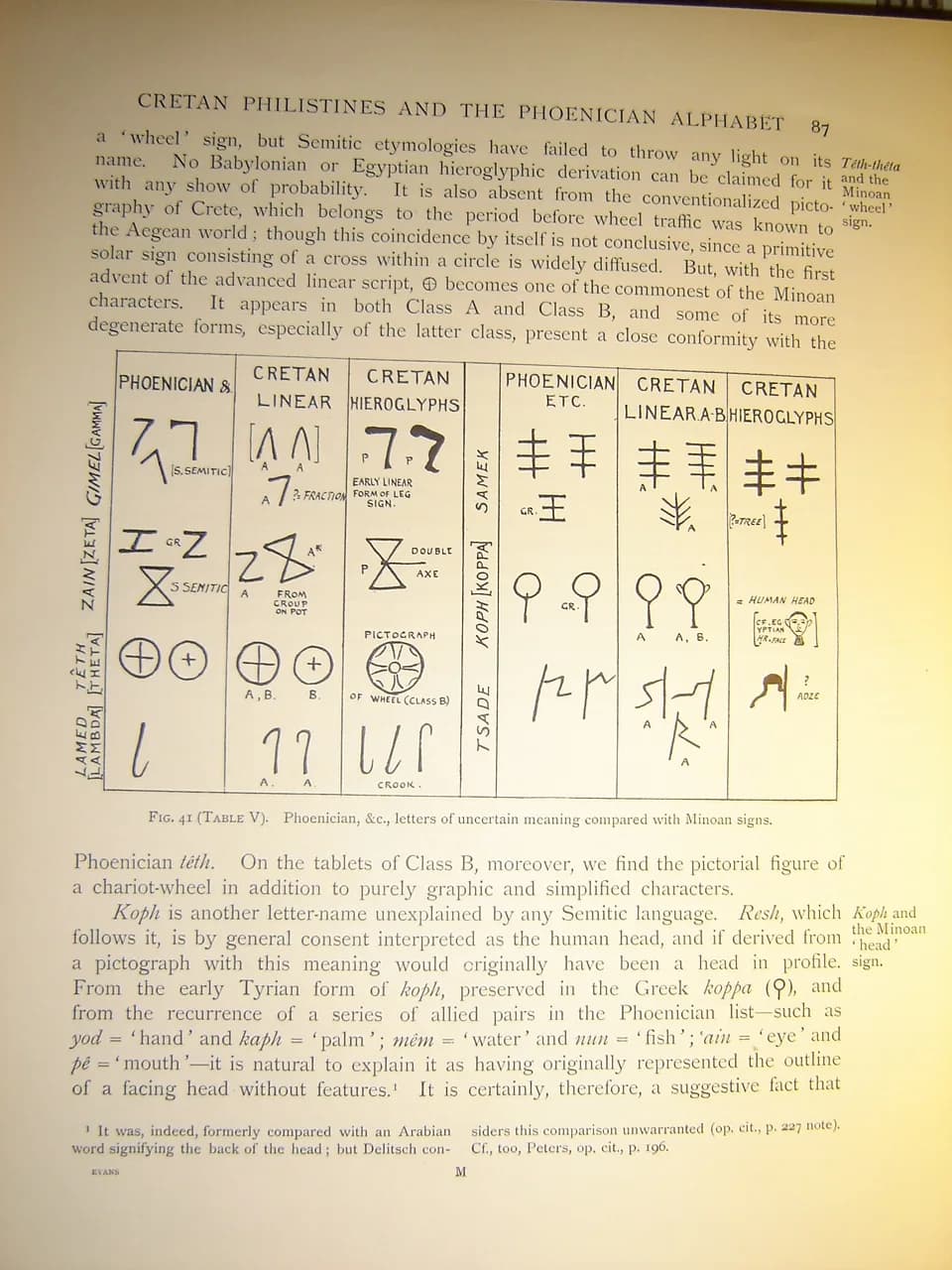
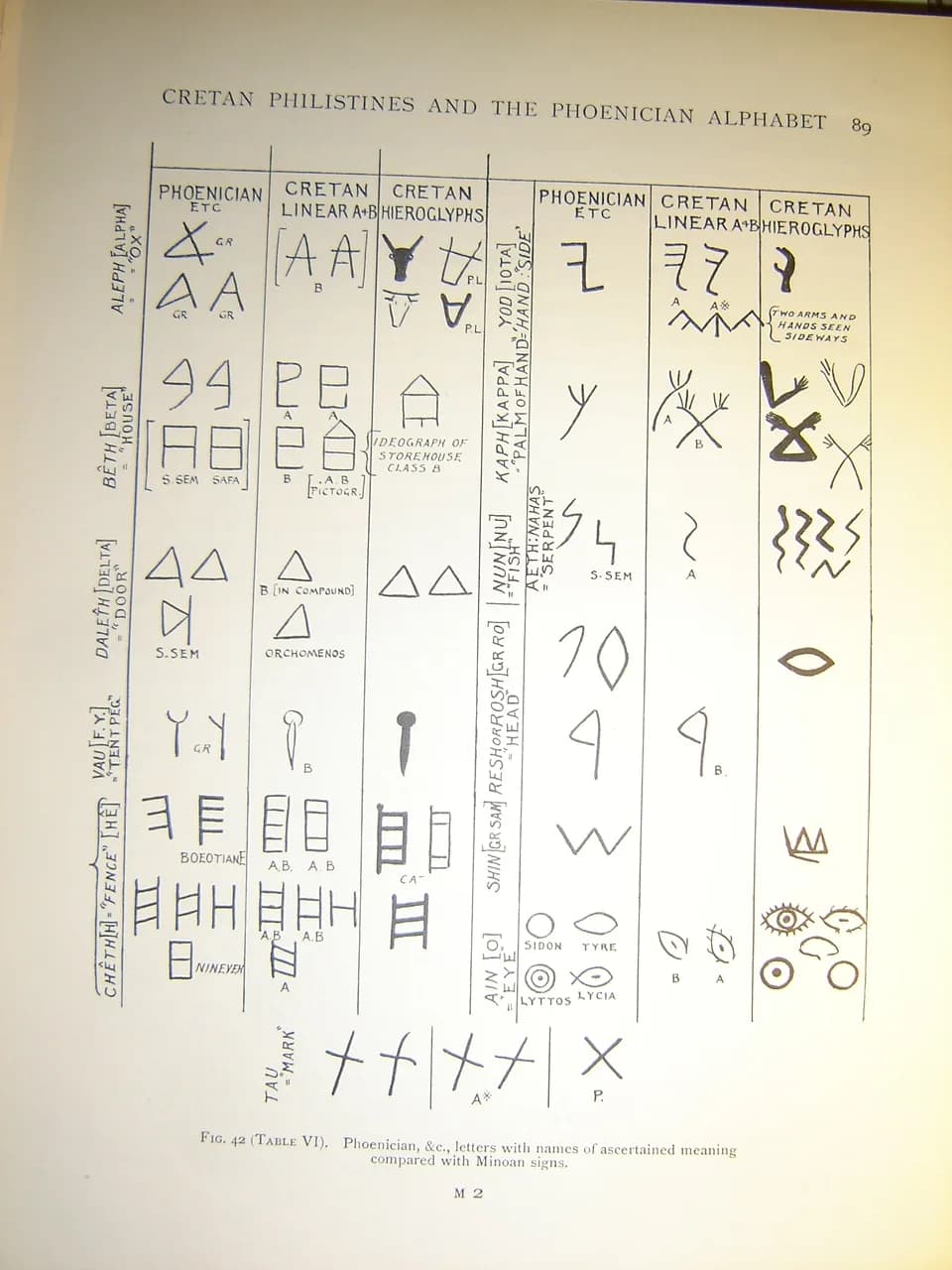
Among Evans' most important publications was "The Palace of Minos at Knossos," a comprehensive study that documented his archaeological findings and interpretations of Minoan civilization. He also authored "The Place of Minos at Knossos," further cementing his reputation as the foremost expert on this ancient culture. His academic papers, including "Anthropology and the Classics," demonstrated his ability to connect archaeological evidence with broader cultural and historical contexts. Additionally, he contributed to literature and historical studies with works such as "Lay of Kossovo" and "After Victory."
Sura 5· Sura 5 ya 7
Personal Life and Interests
Evans maintained his residence at Youlbury House in the United Kingdom, where he continued his research and writing throughout his later years. His personal interests extended beyond archaeology to include literature, poetry, and contemporary political affairs. He remained actively engaged with academic communities and continued to publish scholarly work well into his advanced age, demonstrating a lifelong commitment to learning and intellectual growth.
Sura 6 · 1941· Sura 6 ya 7
Later Years and Final Period
In his final decades, Evans continued to refine his theories about ancient Aegean civilizations and mentor younger scholars in archaeological methods. He remained productive as a writer and researcher, contributing to academic conferences and scholarly publications. His work gained increasing recognition within international archaeological circles, solidifying his position as one of Britain's most respected antiquarians. Evans passed away on July 11, 1941, at his home in Youlbury House, just three days after his 90th birthday.
Sura 7· Sura 7 ya 7
Legacy and Impact
Sir Arthur Evans' scholarly legacy extends far beyond his individual discoveries and publications. His methodical approach to archaeological excavation and documentation established protocols that influenced generations of researchers. His work on Bronze Age Aegean civilizations opened new avenues for understanding ancient Mediterranean cultures and their interconnections. Today, his contributions continue to inform archaeological practice and historical scholarship, ensuring his place among the most influential British scholars of the late 19th and early 20th centuries.
Maswali
Yanayoulizwa mara kwa mara
Arthur Evans alikufa lini?
Arthur Evans alikufa tarehe 11 Julai 1941 huko Youlbury House, United Kingdom, akiwa na umri wa miaka 90.
Arthur Evans alizaliwa wapi?
Arthur Evans alizaliwa Nash Mills, United Kingdom tarehe 8 Julai 1851.
Arthur Evans anajulikana zaidi kwa nini?
Arthur Evans anajulikana zaidi kwa British archaeologist and scholar.
Arthur Evans alikuwa na umri gani alipokufa?
Arthur Evans alikuwa na umri wa miaka 90 alipokufa.
Arthur Evans alikuwa wa utaifa gani?
Arthur Evans alitoka United Kingdom.
Ratiba
Maisha kwa muhtasari
Matunzio ya picha
Maisha katika picha
Bofya polaroid yoyote kupanua · picha 22
Msimbo wa QR
Shiriki Wasifu Huu
Chapisha na Shiriki
Skani kutembelea ukurasa huu wa wasifu. Chapisha kwa hafla, maonyesho, au nyenzo za kielimu.