Рођен
October 6, 1914
Larvik, Norway
Преминуо
April 18, 2002
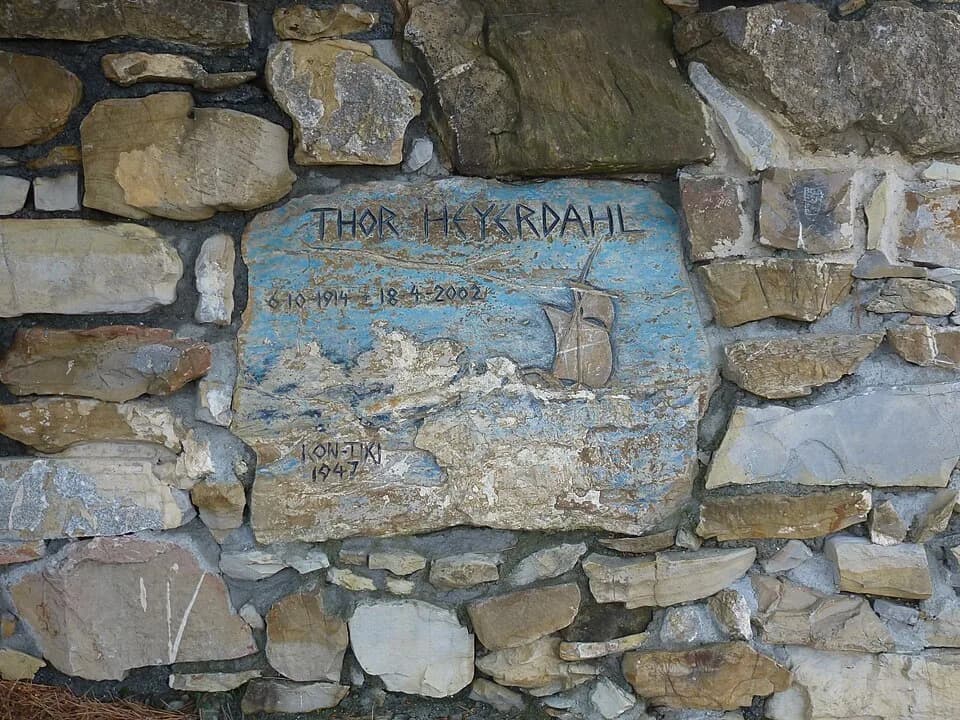
Colla Micheri, Italy
Познат по
Norwegian anthropologist and adventurer
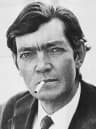
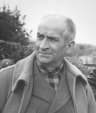
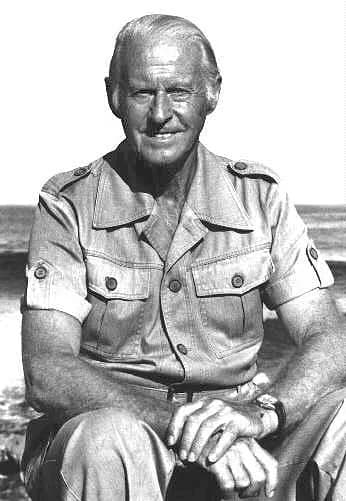
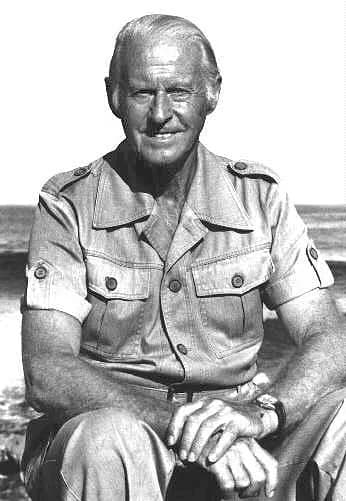
Thor Heyerdahl (1914–2002) was Norway best known for Norwegian anthropologist and adventurer.
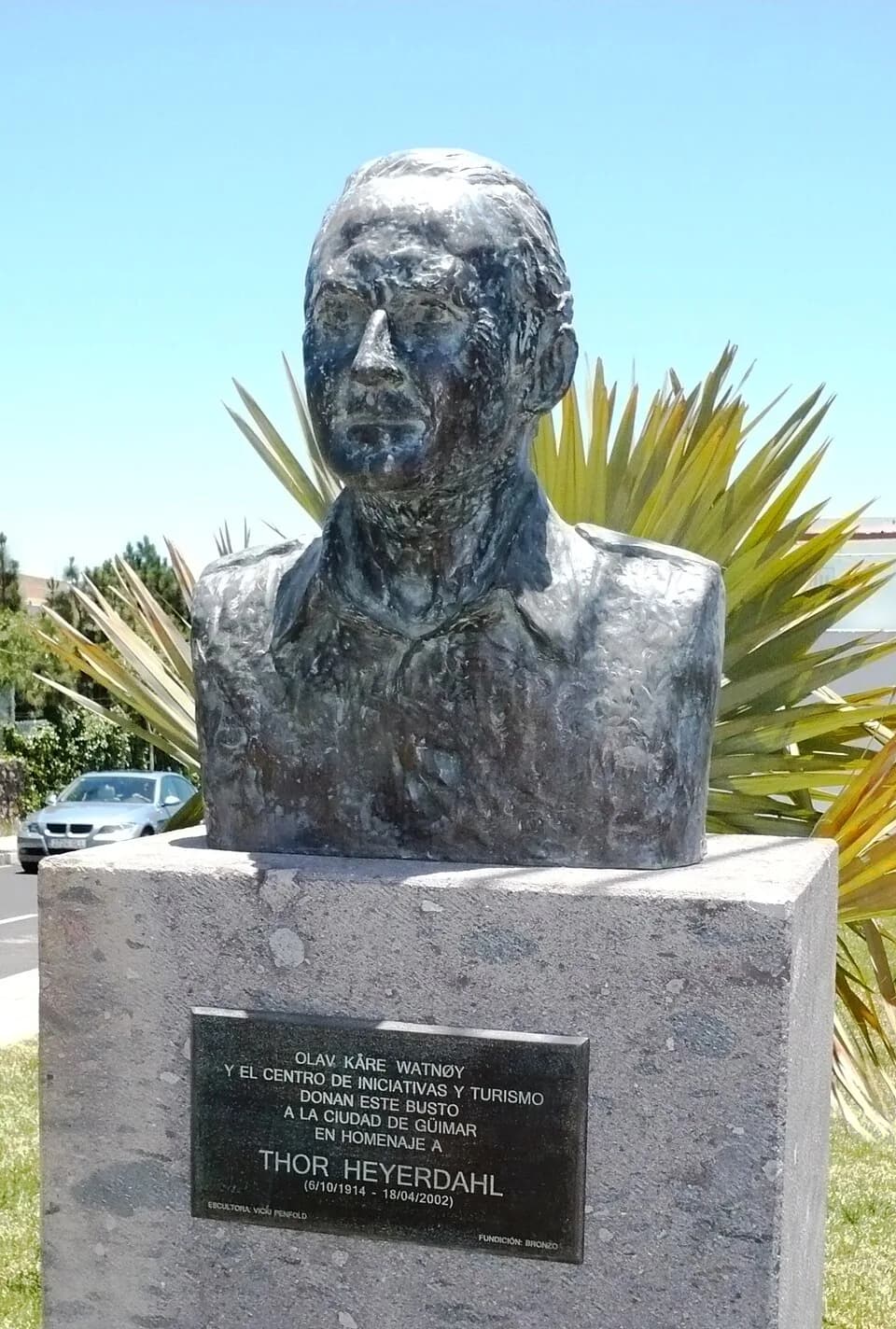
Thor Heyerdahl (October 6, 1914 – April 18, 2002) was a Norwegian anthropologist and adventurer. He famously led the Kon-Tiki expedition to demonstrate ancient transoceanic voyages. His work profoundly influenced understanding of global cultural diffusion and early seafaring.
Поглавље
Поглавља живота
Поглавље 1· Поглавље 1 од 6
Early Life and Origins
Thor Heyerdahl’s formative years in Larvik, Norway, undoubtedly instilled in him an early fascination with the sea and the boundless possibilities of global connection. His academic foundation was robust and interdisciplinary, built upon a strong background in biology with meticulous specializations in zoology, botany, and geography. This comprehensive scientific training provided him with an acute observational ability and a rigorous analytical framework, skills that would prove instrumental in his later adventurous pursuits and groundbreaking theories.
From an early age, Heyerdahl exhibited an insatiable curiosity about the natural world and the intricate patterns of human history and cultural development. This foundational period nurtured his scientific perspective, enabling him to approach complex questions about ancient civilizations and their migrations with both academic precision and an open, adventurous mind. His Norwegian roots, steeped in a rich maritime heritage, perhaps fostered an innate connection to the ocean, setting the stage for his future as a celebrated sailor, explorer, and marine biologist.
Поглавље 2· Поглавље 2 од 6
Career Beginnings
Transitioning from his academic studies, Thor Heyerdahl carved out a unique career path that defied conventional boundaries, establishing himself early on as a distinguished ethnographer. His initial work focused intently on understanding human cultures through direct observation and detailed description, particularly concerning the potential for ancient peoples to undertake long-distance transoceanic voyages. He questioned prevailing archaeological dogmas, proposing that ancient mariners possessed far greater capabilities for open-ocean travel than previously assumed, sparking new avenues of research.
His professional life swiftly evolved into a remarkable blend of scholarly research and daring, hands-on experimentation, making him a true pioneer in several fields. Beyond his ethnographic work, he embraced roles as a historian, researcher, writer, and film director, consistently seeking to bridge the gap between theoretical knowledge and practical verification. This interdisciplinary approach, characteristic of Heyerdahl’s unique genius, laid the groundwork for his most famous expeditions, transforming abstract theories into tangible, lived experiences for himself and the world.
Поглавље 3 · 1947· Поглавље 3 од 6
Major Achievements and Career Highlights
The Kon-Tiki expedition of 1947 stands as Thor Heyerdahl’s most iconic and celebrated achievement, a testament to his bold scientific methodology and indomitable spirit. This extraordinary journey involved sailing a meticulously constructed balsa wood raft, replicating ancient South American designs, across the vast expanse of the Pacific Ocean from Peru to the Tuamotu Islands. The expedition, which spanned 101 days and over 4,300 nautical miles, aimed to prove the feasibility of transoceanic contact between pre-Columbian South American cultures and the Polynesian islands, challenging prevailing academic theories regarding Polynesian settlement and expanding historical possibilities.
Following the resounding success of Kon-Tiki, Heyerdahl embarked on another audacious endeavor: the Ra expeditions, designed to demonstrate the possibility of ancient Egyptian and Mediterranean civilizations crossing the Atlantic. In 1969 and 1970, he led two voyages using papyrus reed boats, Ra I and Ra II, the latter successfully completing the journey from Safi, Morocco, to Barbados. Documented in his compelling work Expedition Ra. Im Papyrusboot über Den Atlantik, these expeditions provided further powerful evidence for his theories on early maritime capabilities and global cultural diffusion, establishing Heyerdahl as a world-renowned authority on ancient seafaring.
Beyond his epoch-making expeditions, Thor Heyerdahl also left a significant mark on the world of film as a director and screenwriter, bringing his adventures to a broader audience. He directed the 1960 film Aku-Aku, a cinematic portrayal of his groundbreaking archaeological research and discoveries on Easter Island, earning critical acclaim and further popularizing his work and theories. His creative contributions also extended to projects like the 1975 film Pippi in the South Seas, demonstrating his diverse talents and his desire to share the wonders of exploration through various narrative forms and media.
Поглавље 4 · 1947· Поглавље 4 од 6
Notable Works or Contributions
Thor Heyerdahl's prolific literary output forms a cornerstone of his lasting legacy, captivating millions with his detailed accounts of adventure and scientific discovery. His seminal book, Expedicion de la Kon-Tiki, offered readers an intimate and thrilling narrative of his epic 1947 Pacific voyage, translating complex ethnographic theories into an accessible and compelling story. This work, alongside titles such as kontiki across the pacific by raft and KON -TIKI EXPEDITION, became an international bestseller, inspiring countless readers with the spirit of human resilience and ingenuity.
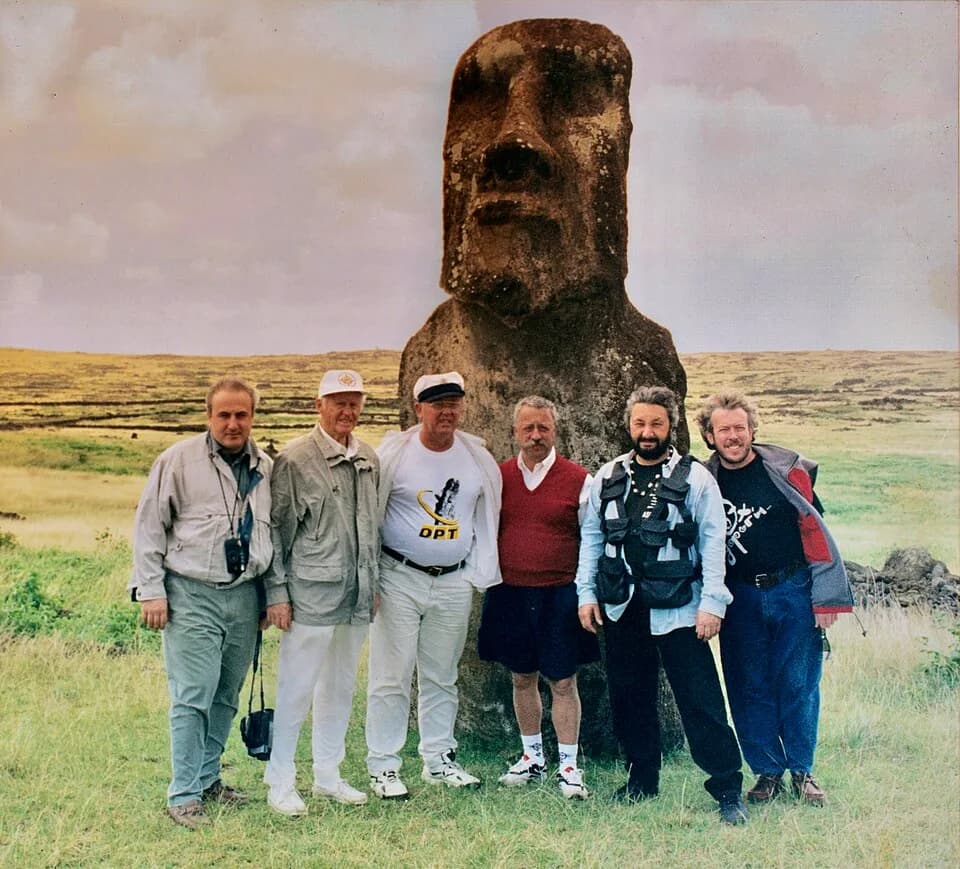
Another profoundly influential work was Aku-Aku, which emerged from his comprehensive archaeological studies and personal experiences on Easter Island. In this book, Heyerdahl presented his controversial yet meticulously researched theories about the island's enigmatic statues and its Polynesian inhabitants, inviting readers to reconsider the origins of ancient Pacific cultures and their connections. This book, like his others, demonstrated his remarkable ability to blend scientific rigor with evocative storytelling, creating a rich tapestry of historical inquiry.
His bibliography further includes Expedition Ra. Im Papyrusboot über Den Atlantik, a compelling account of his ambitious Atlantic crossings on reed boats, which provided crucial evidence for his theories on ancient maritime technology and intercultural contact. Other significant publications such as Easter Island offered deeper insights into his archaeological findings and ethnographic interpretations of the Pacific’s most mysterious island, further cementing his reputation as a leading authority. Even works like Green Was the Earth on the Seventh Day (Pod) B and Prentice Hall Literature -- Gold showcase the breadth of his literary reach, extending his influence beyond purely scientific circles and into general education. Academically, Heyerdahl contributed to the scholarly discourse, evidenced by his h-index of 1 and three published papers, including Kon-Tiki (2021, 4 citations), 50 ans après le Kon-Tiki (1997, 0 citations), and Le Kon-Tiki à Papeete (1997, 0 citations). These publications, though few in number according to the h-index, stimulated important ongoing discussions about ancient migration patterns and human ingenuity.
Поглавље 5· Поглавље 5 од 6
Later Years
In his later years, Thor Heyerdahl continued his tireless dedication to research, writing, and advocating for his unique perspectives on human history and exploration. Though his most celebrated expeditions were behind him, his intellectual curiosity remained undimmed, and he continued to engage actively with new archaeological discoveries and scientific debates. He maintained his role as a prominent global voice for cultural understanding and the preservation of ancient knowledge, inspiring many with his enduring passion for discovery.
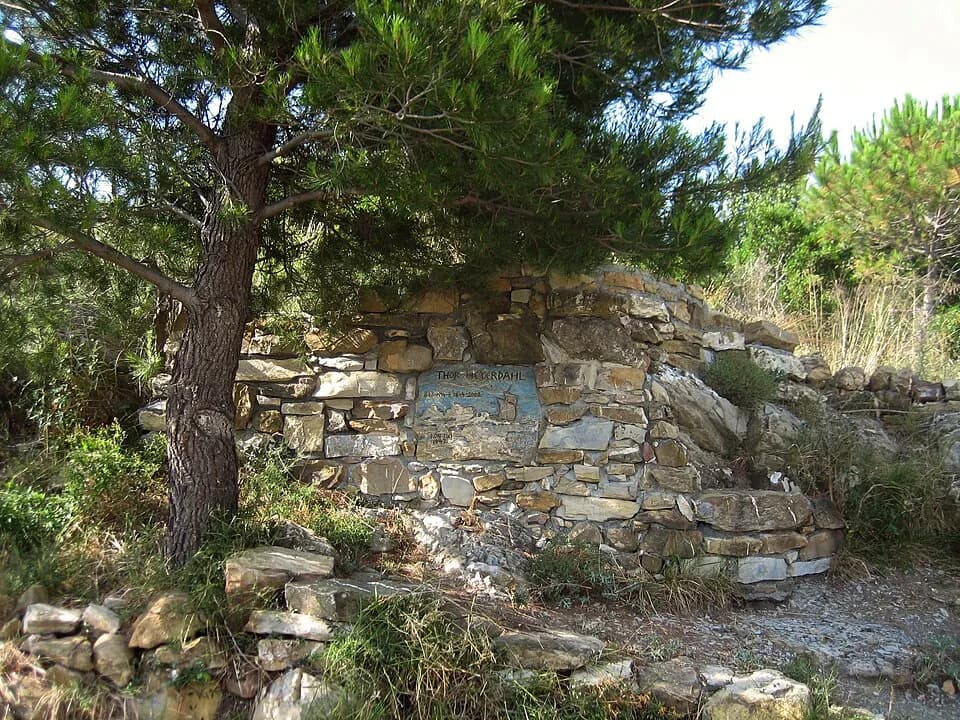
His final chapter unfolded in the serene and historic village of Colla Micheri, Italy, where he resided until his passing on April 18, 2002. This peaceful retreat offered him a space for reflection, continued writing, and sustained intellectual engagement, allowing him to consolidate the vast experiences of a life lived at the forefront of exploration. Even in his later decades, Heyerdahl remained an inspiration, embodying the spirit of lifelong learning and adventure, leaving a profound impact on those who followed.
Поглавље 6· Поглавље 6 од 6
Legacy and Impact
Thor Heyerdahl's legacy is immense and deeply influenced the fields of anthropology, archaeology, and the public's perception of ancient history. He was instrumental in demonstrating the incredible seafaring capabilities of early civilizations, effectively broadening the scope of what was considered historically possible for ancient peoples to achieve. His adventurous, hands-on approach to research inspired countless scholars and enthusiasts to adopt a more empirical and experiential method of inquiry, fostering a new generation of explorers.
As an explorer, ethnographer, archaeologist, marine biologist, and world traveler, Heyerdahl transcended traditional academic roles, becoming a compelling advocate for intercultural understanding and environmental awareness. His expeditions, vividly documented in his books and films, fostered a global fascination with ancient cultures and their ingenious solutions to monumental challenges. Through his work, he ensured that the questions of human origin and connection would be explored with renewed vigor and imagination for generations to come, leaving a lasting mark on our collective understanding of human history.
Живот у тренуцима
Тренуци који су обликовали живот
Питања
Често постављана
Када је умро/ла Thor Heyerdahl?
Thor Heyerdahl је умро/ла 18. април 2002. у Colla Micheri, Italy у 87. години живота.
Где је рођен/а Thor Heyerdahl?
Thor Heyerdahl је рођен/а у Larvik, Norway 6. октобар 1914..
По чему је Thor Heyerdahl најпознатији/а?
Thor Heyerdahl је најпознатији/а по Norwegian anthropologist and adventurer.
Колико је Thor Heyerdahl имао/ла година у тренутку смрти?
Thor Heyerdahl је имао/ла 87 година у тренутку смрти.
Које националности је био/ла Thor Heyerdahl?
Thor Heyerdahl је био/ла из Norway.
Временска линија
Живот на први поглед
Галерија фотографија
Живот у сликама
Кликните на било који полароид за увећање · 46 фотографија
QR код
Поделите ову биографију
Штампај и подели
Скенирајте да посетите ову биографску страницу. Штампајте за догађаје, изложбе или образовне материјале.