Биографија · German statesman and Chancellor

5 min read · 1,069 words

Otto von Bismarck

1815 · 1898

Године живота
83
Фотографије
25
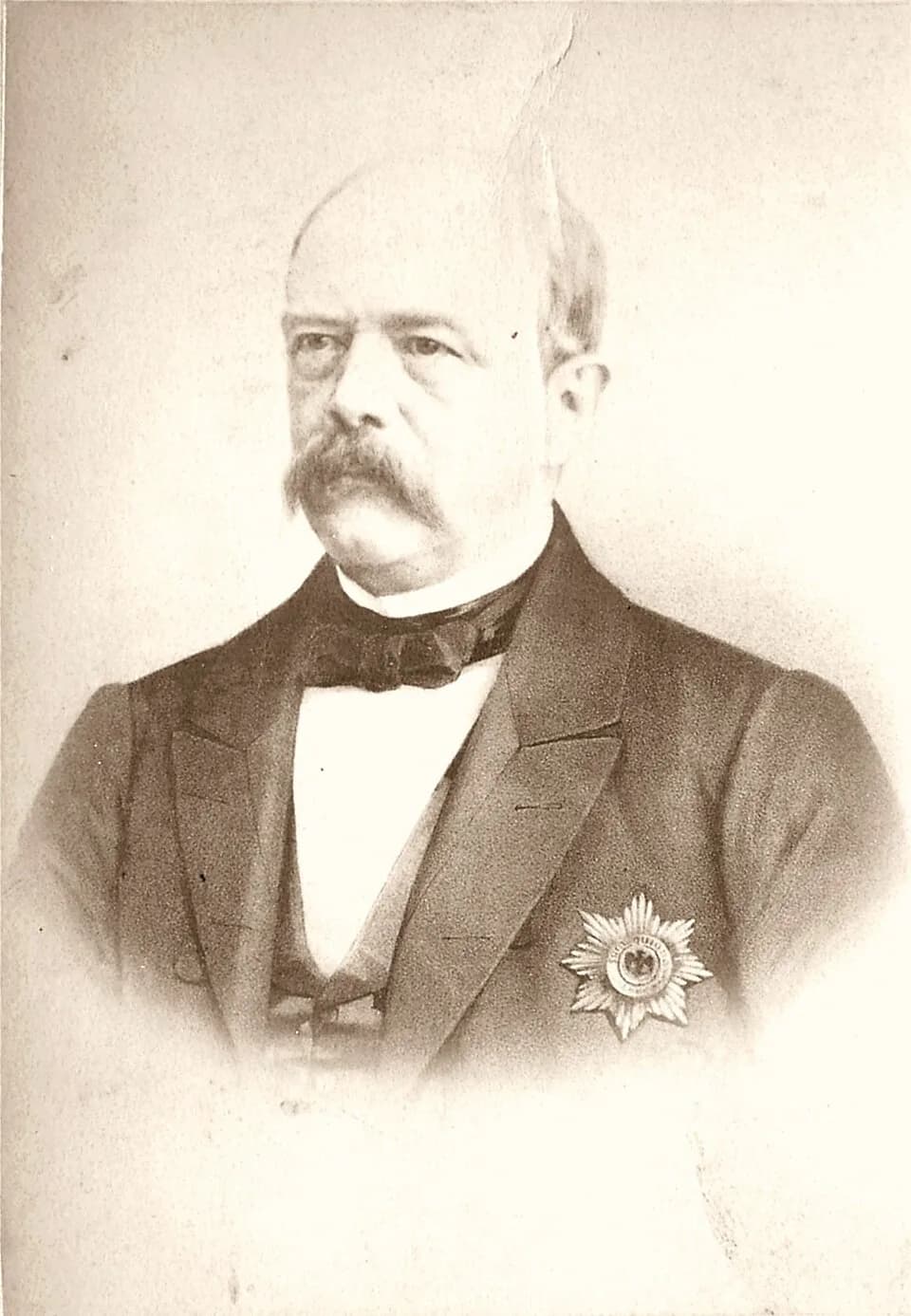
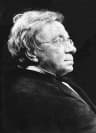
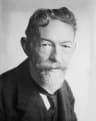
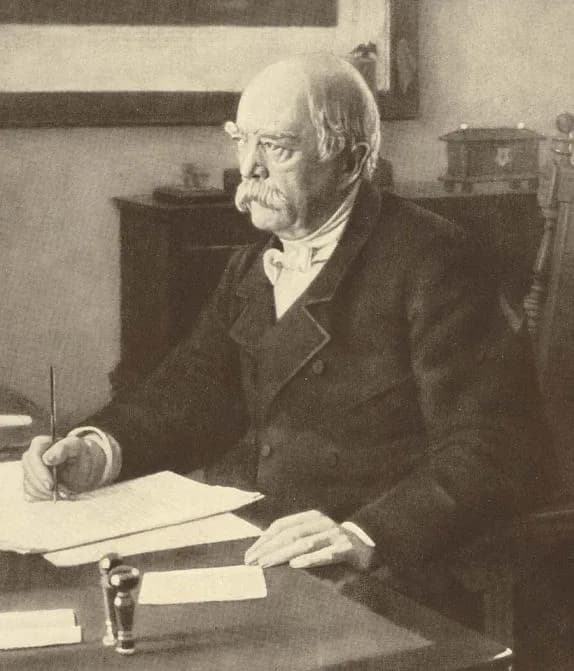
Otto von Bismarck portrait

Рођен

April 1, 1815

Schönhausen (Elbe), Germany

Преминуо

July 30, 1898

Friedrichsruh, Germany

Познат по

German statesman and Chancellor

Otto von Bismarck (1815–1898) was Germany best known for German statesman and Chancellor.

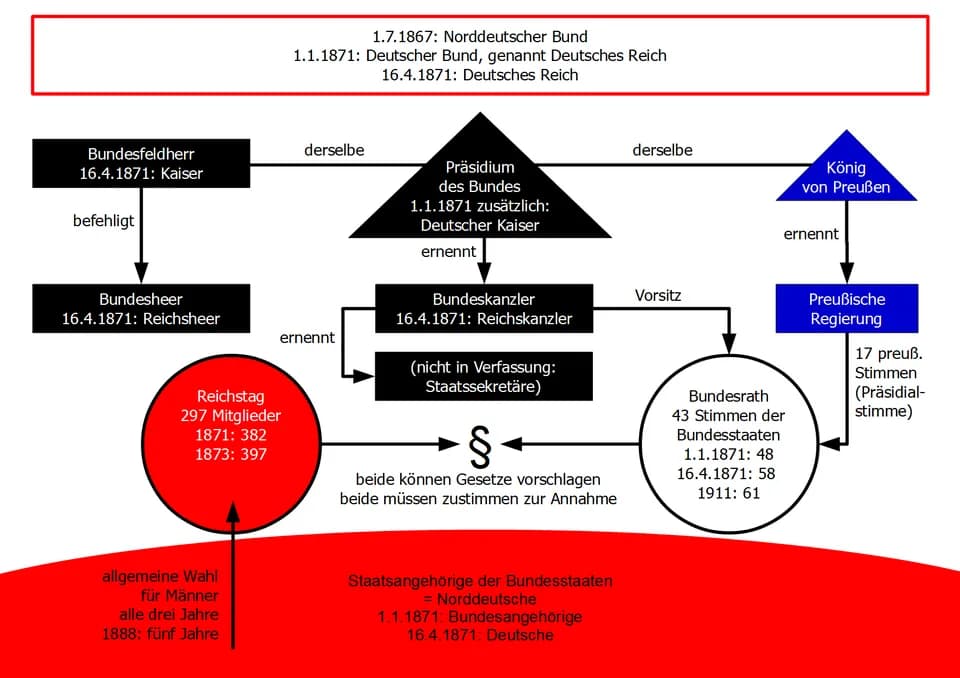
Otto Eduard Leopold, Prince of Bismarck (April 1, 1815 – July 30, 1898) was a German statesman and Chancellor. He famously oversaw the unification of Germany and served as its first chancellor from 1871 to 1890. Bismarck's Realpolitik and firm governance shaped a new era in Europe.

Живот у тренуцима

Тренуци који су обликовали живот
Написано на English

Поглавље

Поглавља живота

Поглавље 1· Поглавље 1 од 7

Early Life and Origins

The life of Otto von Bismarck commenced on April 1, 1815, in the tranquil setting of Schönhausen (Elbe), Germany, a place that would forever be part of his heritage and identity. Growing up within the Prussian Junker aristocracy, he inherited the responsibilities and traditions associated with being a lord of the manor, a status that shaped his worldview. His early education prepared him for the demanding profession of a jurist, instilling in him a deep understanding of legal frameworks and state administration. This academic foundation was complemented by practical experience; Bismarck undertook a period of service as a volunteer for one year, providing him with direct exposure to the discipline and structure of the military. Later, he formally held the profession of a military officer, further honing his appreciation for order and strategic planning. These formative years, rooted in his birth place of Schönhausen, cultivated the disciplined intellect and resolute character that would define his later political career.

Поглавље 2· Поглавље 2 од 7

Career Beginnings

Bismarck’s initial foray into public service marked the beginning of a truly significant career, seeing him quickly establish himself as an astute politician. His early work involved extensive duties as a diplomat, where he navigated the complex and often turbulent context of 19th-century European international relations. These critical assignments abroad allowed him to develop the formidable negotiation skills and insights into foreign policy that would become his trademarks. His political philosophy, famously known as Realpolitik, emphasized pragmatic considerations and the pursuit of national interests above all else, often disregarding idealistic or moralistic approaches. This practical and unyielding strategy, combined with his background as an author and a well-trained jurist, set him apart from many of his contemporaries. His diverse professional experiences, including early military exposure, provided a comprehensive toolkit for his political ascent and effectiveness.

Поглавље 3· Поглавље 3 од 7

Major Achievements and Career Highlights

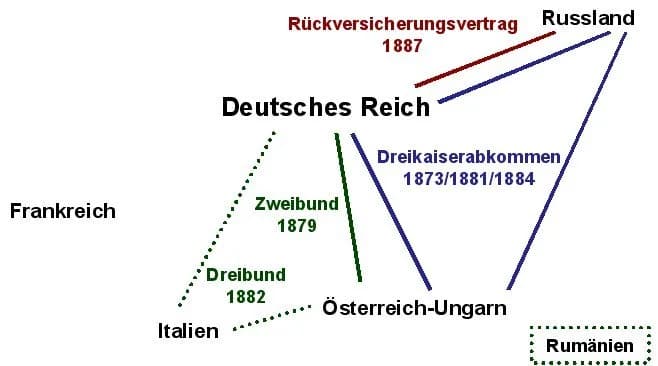
The most enduring and epoch-making achievement of Otto von Bismarck's lengthy career was undoubtedly his masterful oversight of the unification of Germany, a complex process that fundamentally altered the political map of Europe. This monumental task culminated in the creation of a unified German Empire, a goal he pursued with relentless determination and strategic brilliance. Following this historic event, he served with distinction as Germany's first chancellor, holding the position from 1871 until 1890. Throughout his two decades as chancellor, Bismarck's governance was characterized by a firm and unyielding resolve, earning him the legendary nickname 'Iron Chancellor.' This title perfectly encapsulated his strong will and his capacity to make difficult decisions for the perceived benefit of the nascent German state. His period in office saw the consolidation of German power and the establishment of a sophisticated system of alliances designed to maintain peace and German security in Europe.

Поглавље 4· Поглавље 4 од 7

Personal Life

While the public sphere was dominated by Otto von Bismarck’s activities as a statesman, glimpses into his personal world reveal a man connected to family and land. The existence of works like 'Fürst Bismarcks Briefe an seine Braut und Gattin,' carefully selected and edited by Eduard von der Hellen, provides a rare window into his more private thoughts and relationships, including his marriage. As a lord of the manor, a profession he held throughout his life, he was intrinsically linked to his estates and the people who lived and worked on them, demonstrating a connection to traditional aristocratic life that balanced his political modernity.

Поглавље 5· Поглавље 5 од 7

Notable Works or Contributions

Beyond his esteemed political and diplomatic career, Otto von Bismarck was also a prolific author, leaving behind a rich collection of writings that continue to illuminate his thoughts and strategies. These literary contributions serve as vital primary sources for understanding the political landscape and intellectual currents of his era. Among his notable published works are 'Neue briefe,' offering fresh perspectives and insights from his extensive correspondence. His personal life and relationships are touched upon in 'Fürst Bismarcks Briefe an seine Braut und Gattin / ausgewählt und mit einem erläuternden Anhang herausgegeben von Eduard von der Hellen,' providing intimate details about his private reflections. 'Bismarck-Brevier' likely serves as a concise compilation of his wisdom, while 'Fürst Bismarck, La république de Bismarck' explores his political philosophy and its perceived implications for governance. These texts highlight his intellectual engagement beyond direct statecraft. Further enriching his bibliography are 'Aus Bismarcks politischem Briefwechsel,' which meticulously documents his political correspondence, revealing the intricate web of his diplomatic interactions. 'Bismarck, Neue tischgespräche und interviews' captures his spontaneous thoughts and opinions as expressed in less formal settings, offering a unique personal dimension. The books 'Der Kanzler' and 'Bismarck-Portefeuille' undoubtedly explore various aspects of his chancellorship and collected papers, ensuring his detailed contributions are preserved for posterity.

Поглавље 6· Поглавље 6 од 7

Later Years

Otto von Bismarck concluded his long and impactful tenure as Germany’s first Chancellor in 1890, marking the close of nearly two decades at the helm of the newly unified nation. His departure from the highest political office did not diminish his historical stature, though it ushered in a period of significant political transition for Germany. Even out of power, his legacy and pronouncements continued to command attention and influence political discourse. His final years were spent away from the direct seat of power, in Friedrichsruh, Germany, the place where he ultimately passed away on July 30, 1898. During this time, he was able to reflect on a life spent shaping the destiny of a nation, from its fragmented beginnings to its emergence as a major European power. His passing at Friedrichsruh brought to an end the life of a statesman whose shadow loomed large over 19th-century Europe.

Поглавље 7· Поглавље 7 од 7

Legacy and Impact

The legacy of Otto von Bismarck is fundamentally intertwined with the very existence of a unified Germany, a nation he meticulously crafted through strategic political and military maneuvers. His pioneering application of Realpolitik established a new paradigm for international relations, prioritizing practical outcomes and national strength. Bismarck's strategic acumen created a robust and cohesive German state, irrevocably altering the balance of power across the European continent for decades. He remains historically recognized as the 'Iron Chancellor,' a figure whose resolute leadership and unparalleled diplomatic skills forged the foundations of a modern and powerful Germany. His lasting contributions extend beyond pure statecraft, as his published works provide historians and political scientists with invaluable insights into the political thought and challenges of the 19th century. Bismarck's enduring impact continues to be analyzed and understood, serving as a critical cornerstone for comprehending European history and the complex dynamics of nation-building.

Питања

Често постављана

  • Када је умро/ла Otto von Bismarck?

    Otto von Bismarck је умро/ла 30. јул 1898. у Friedrichsruh, Germany у 83. години живота.

  • Где је рођен/а Otto von Bismarck?

    Otto von Bismarck је рођен/а у Schönhausen (Elbe), Germany 1. април 1815..

  • По чему је Otto von Bismarck најпознатији/а?

    Otto von Bismarck је најпознатији/а по German statesman and Chancellor.

  • Колико је Otto von Bismarck имао/ла година у тренутку смрти?

    Otto von Bismarck је имао/ла 83 година у тренутку смрти.

  • Које националности је био/ла Otto von Bismarck?

    Otto von Bismarck је био/ла из Germany.

Галерија фотографија

Живот у сликама

Кликните на било који полароид за увећање · 25 фотографија

QR код

Поделите ову биографију

Штампај и подели

Скенирајте да посетите ову биографску страницу. Штампајте за догађаје, изложбе или образовне материјале.