Рођен
September 6, 1729
Dessau, Germany
Преминуо
January 4, 1786
Berlin, Margraviate of Brandenburg
Познат по
German-Jewish philosopher and theologian
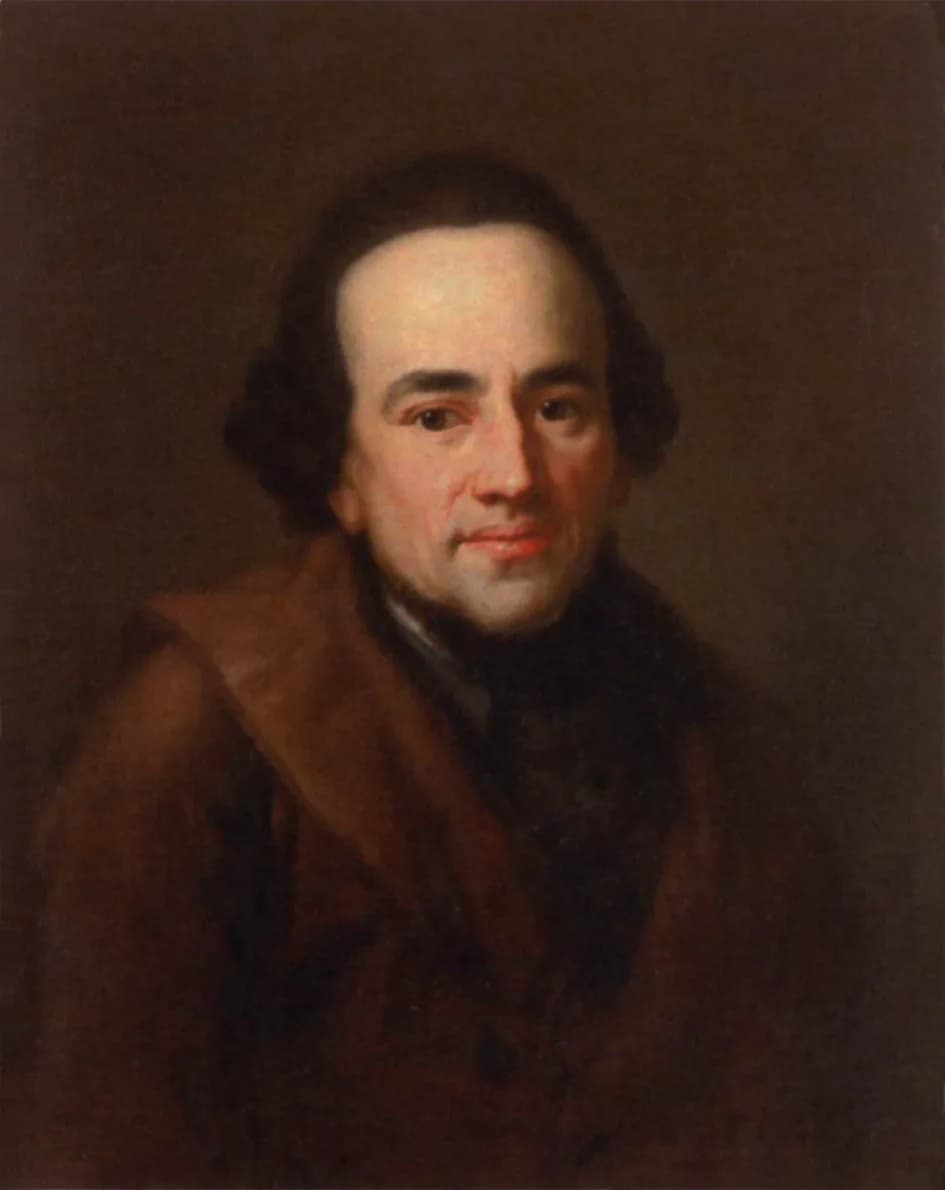
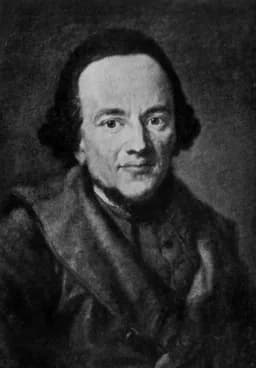
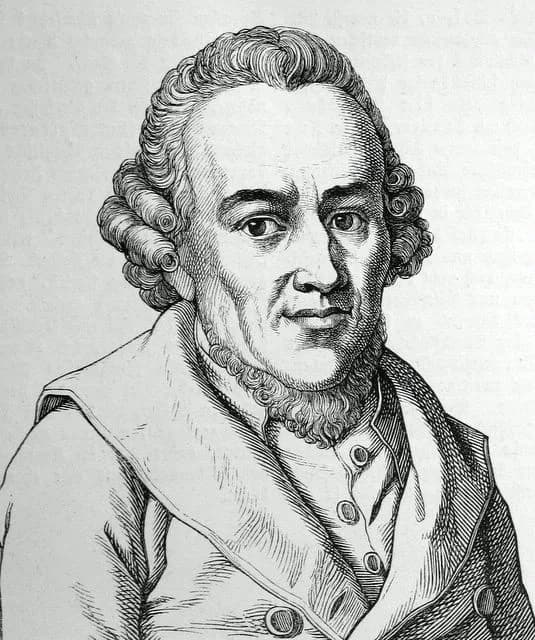
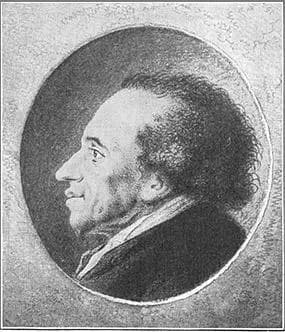
Moses Mendelssohn (1729–1786) was Germany best known for German-Jewish philosopher and theologian.
Moses Mendelssohn (September 6, 1729 – January 4, 1786) was a German-Jewish philosopher and theologian from Dessau, Germany. He was a central figure in the development of the Haskalah, or 'Jewish Enlightenment,' through his writings on Jewish identity and religion. His legacy continues to influence philosophical and theological discourse.
Поглавље
Поглавља живота
Поглавље 1· Поглавље 1 од 6
Early Life and Origins
Born into a modest Jewish family in Dessau, then part of the Principality of Anhalt, Moses Mendelssohn's early life was marked by humble beginnings. He was initially expected to pursue a rabbinical career, a traditional path within his community. Despite these expectations and his family's circumstances, Mendelssohn embarked on an impressive journey of self-education, diligently studying German thought and literature.
His intellectual curiosity led him beyond the confines of religious scholarship to engage with the broader philosophical and literary movements of his era. This early dedication to learning outside traditional boundaries set the stage for his later unique contributions. His personal commitment to rigorous study allowed him to bridge different intellectual worlds, a skill that would define his public life.
Поглавље 2· Поглавље 2 од 6
Career Beginnings
Mendelssohn's early intellectual pursuits quickly blossomed into a distinguished public career. Through his insightful writings on philosophy and religion, he began to garner widespread attention across German-speaking Europe. These early works established him as an important voice, respected by both Christian and Jewish intellectuals.
Beyond his philosophical endeavors, Mendelssohn also found professional success in the Berlin textile industry. This business acumen provided a stable foundation for his family. This practical involvement in commerce contrasted with his academic life, yet it allowed him the independence to pursue his intellectual passions without constraint.
Поглавље 3· Поглавље 3 од 6
Major Achievements and Career Highlights
Moses Mendelssohn achieved recognition as a leading cultural figure of his time, influencing diverse audiences far beyond his immediate community. He was widely respected for his ability to articulate complex philosophical and religious ideas in an accessible manner. His role was crucial in fostering intellectual discourse between Jewish and Christian communities in Germany.
His contributions to the development of the Haskalah represent a key highlight of his career. Mendelssohn advocated for the integration of Jewish people into modern European society while preserving their religious identity. This vision helped to redefine Jewish thought and identity during a period of significant social change, setting a new course for future generations.
Поглавље 4· Поглавље 4 од 6
Notable Works or Contributions
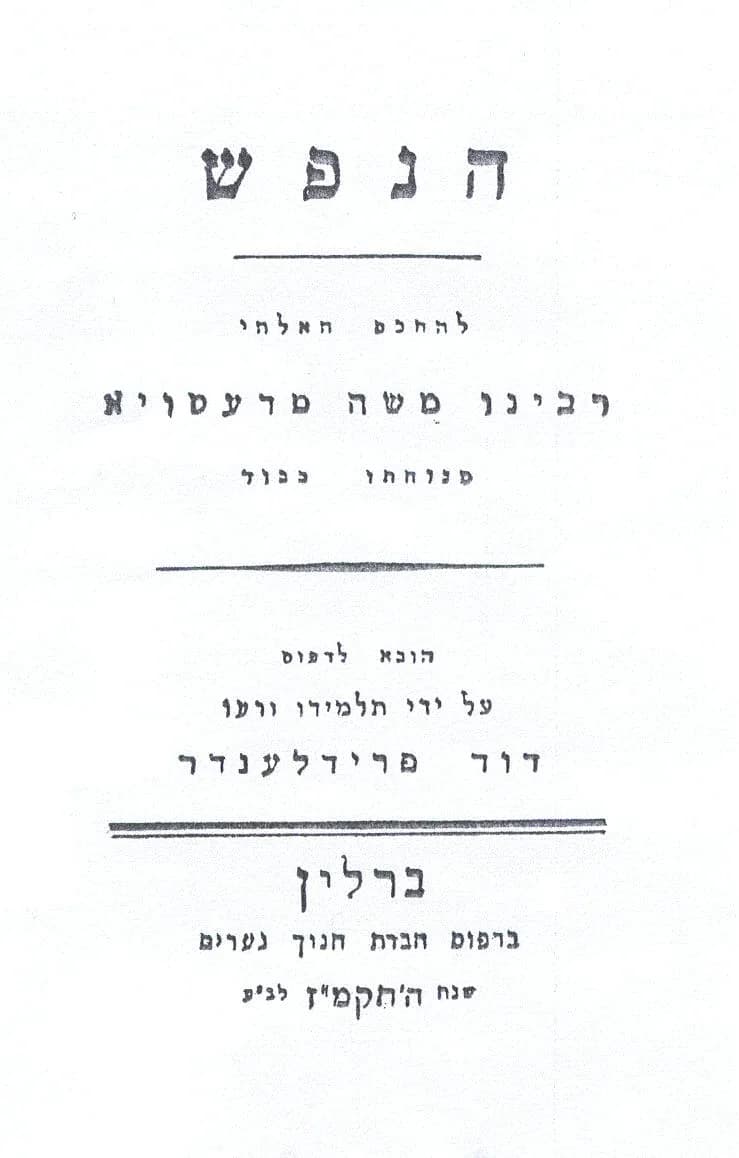
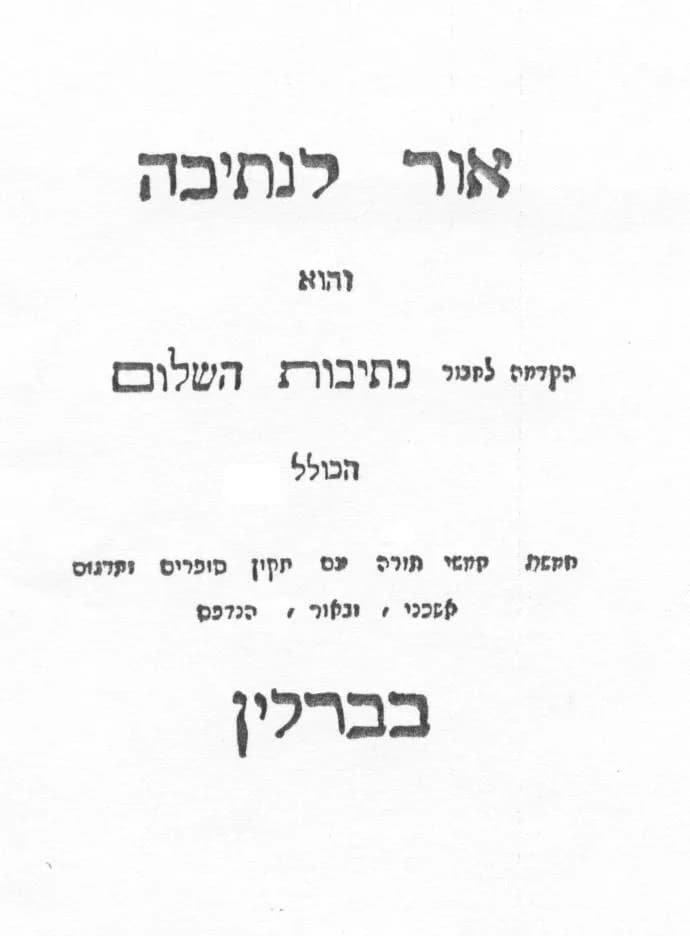
Mendelssohn's prolific output included several influential works that left a lasting mark on philosophy and theology. Among his most celebrated is 'Jerusalem, oder, Über religiöse Macht und Judentum,' a seminal text that discusses the relationship between state and religion and advocates for religious tolerance. Another significant work, 'Phädon oder über die Unsterblichkeit der Seele,' explored the immortality of the soul, drawing inspiration from Plato but offering his own distinct insights.
He was also known for 'Morgenstunden' (Morning Hours), a series of lectures on the existence of God, and his 'Kleine philosophische Schriften' (Small Philosophical Writings) which showcased his diverse intellectual interests. Mendelssohn’s complete works were compiled posthumously as 'Moses Mendelssohns saemmtliche Werke.' His important work extended to Bible translation, which significantly impacted how Jewish texts were understood and integrated into modern German culture. Other notable contributions include 'Abhandlung über das Kommerz zwischen Seele und Körper,' 'Über die Empfindungen,' and 'Beʼur melekhet ha-Higayon.'
Поглавље 5 · 1783· Поглавље 5 од 6
Later Years
In his later years, Moses Mendelssohn continued to dedicate himself to writing and philosophical inquiry, despite increasing challenges. His work 'Jerusalem, oder, Über religiöse Macht und Judentum' was published in 1783, just three years before his death, demonstrating his sustained intellectual vigor. This period saw him solidify his reputation as a thoughtful advocate for Jewish emancipation and enlightenment within broader European society.
His health declined in the mid-1780s, but his mind remained active, continually engaging with the critical issues of his day. Mendelssohn passed away in Berlin, Margraviate of Brandenburg, on January 4, 1786, leaving behind a body of work that would continue to inspire for centuries. His final days reflected a life lived in service of intellectual and communal progress.
Поглавље 6· Поглавље 6 од 6
Legacy and Impact
The legacy of Moses Mendelssohn is deeply embedded in the history of both Jewish and German thought. He is widely recognized as the father of the Haskalah, the movement that sought to modernize Jewish education and culture while integrating Jews into European society. His efforts helped to bridge the gap between traditional Jewish life and the emerging intellectual currents of the Enlightenment.
Mendelssohn’s philosophical writings continue to be studied for their insights into religious tolerance, the nature of belief, and the relationship between faith and reason. His unwavering commitment to intellectual freedom and his role in fostering dialogue between different cultures ensures his enduring influence. His life serves as an inspiration for cultural understanding and philosophical inquiry, a testament to the power of ideas in shaping society.
Живот у тренуцима
Тренуци који су обликовали живот
Питања
Често постављана
Када је умро/ла Moses Mendelssohn?
Moses Mendelssohn је умро/ла 4. јануар 1786. у Berlin, Margraviate of Brandenburg у 56. години живота.
Где је рођен/а Moses Mendelssohn?
Moses Mendelssohn је рођен/а у Dessau, Germany 6. септембар 1729..
По чему је Moses Mendelssohn најпознатији/а?
Moses Mendelssohn је најпознатији/а по German-Jewish philosopher and theologian.
Колико је Moses Mendelssohn имао/ла година у тренутку смрти?
Moses Mendelssohn је имао/ла 56 година у тренутку смрти.
Које националности је био/ла Moses Mendelssohn?
Moses Mendelssohn је био/ла из Germany.
Временска линија
Живот на први поглед
- 1783
Later Years
Галерија фотографија
Живот у сликама
Кликните на било који полароид за увећање · 45 фотографија
QR код
Поделите ову биографију
Штампај и подели
Скенирајте да посетите ову биографску страницу. Штампајте за догађаје, изложбе или образовне материјале.