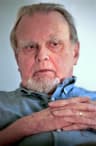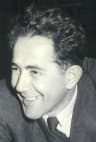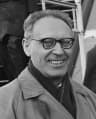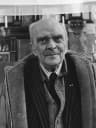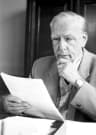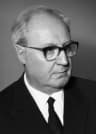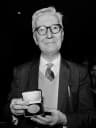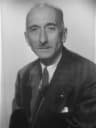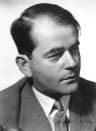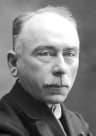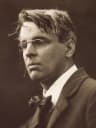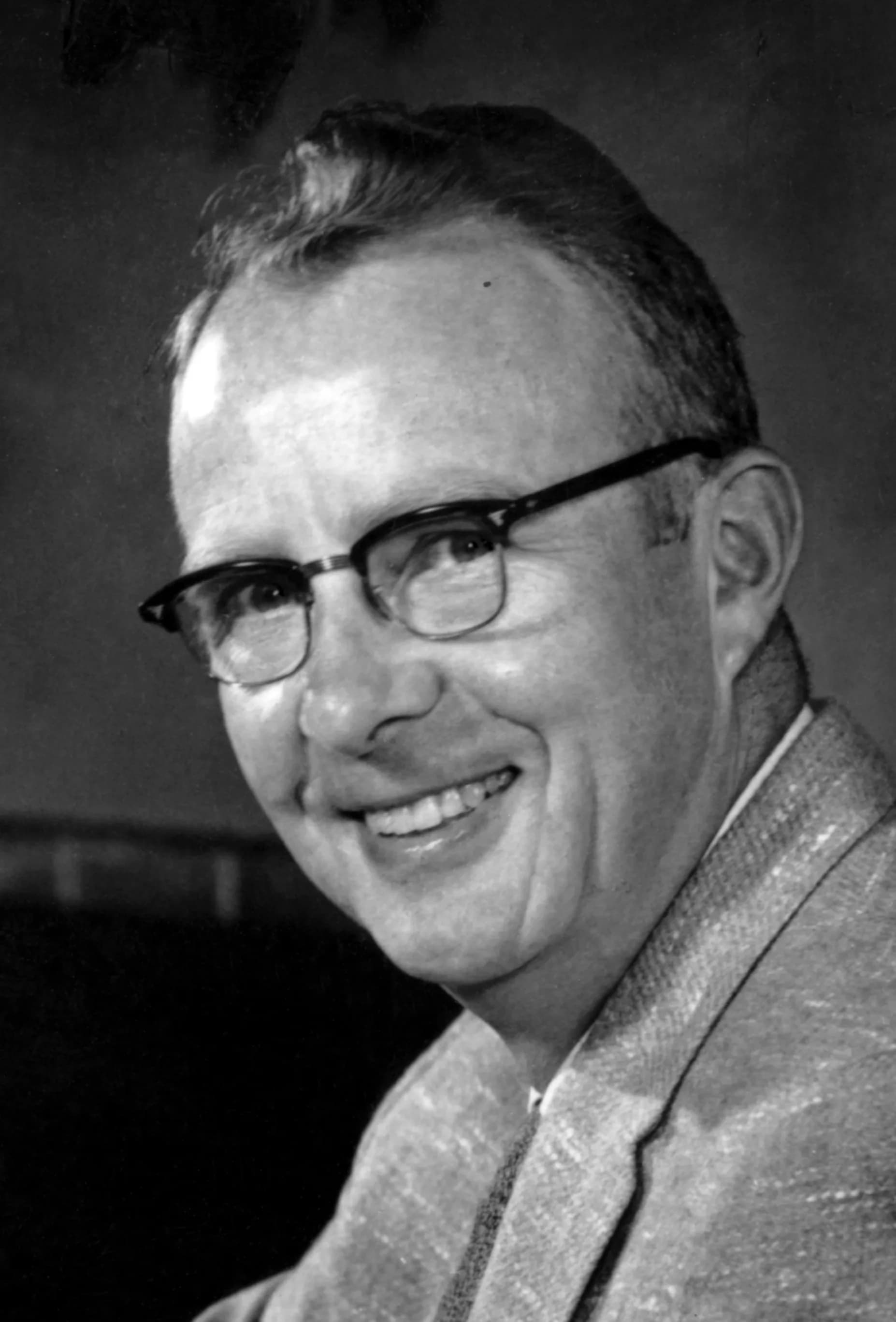
Рођен
June 13, 1911
San Francisco, United States
Преминуо
September 1, 1988
Berkeley, United States
Познат по
American experimental physicist, inventor, and professor
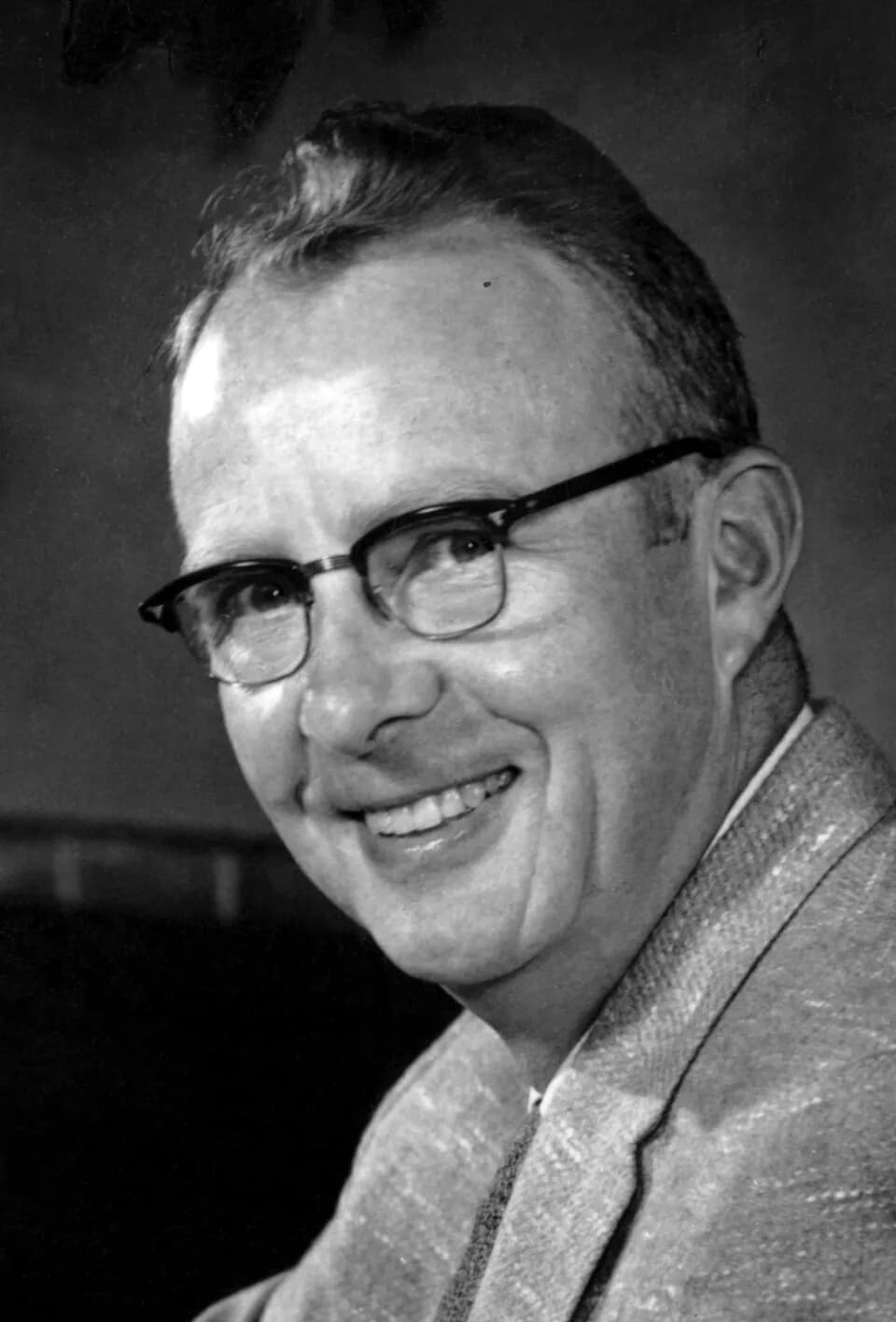
Luis Walter Alvarez (1911–1988) was United States best known for American experimental physicist, inventor, and professor.
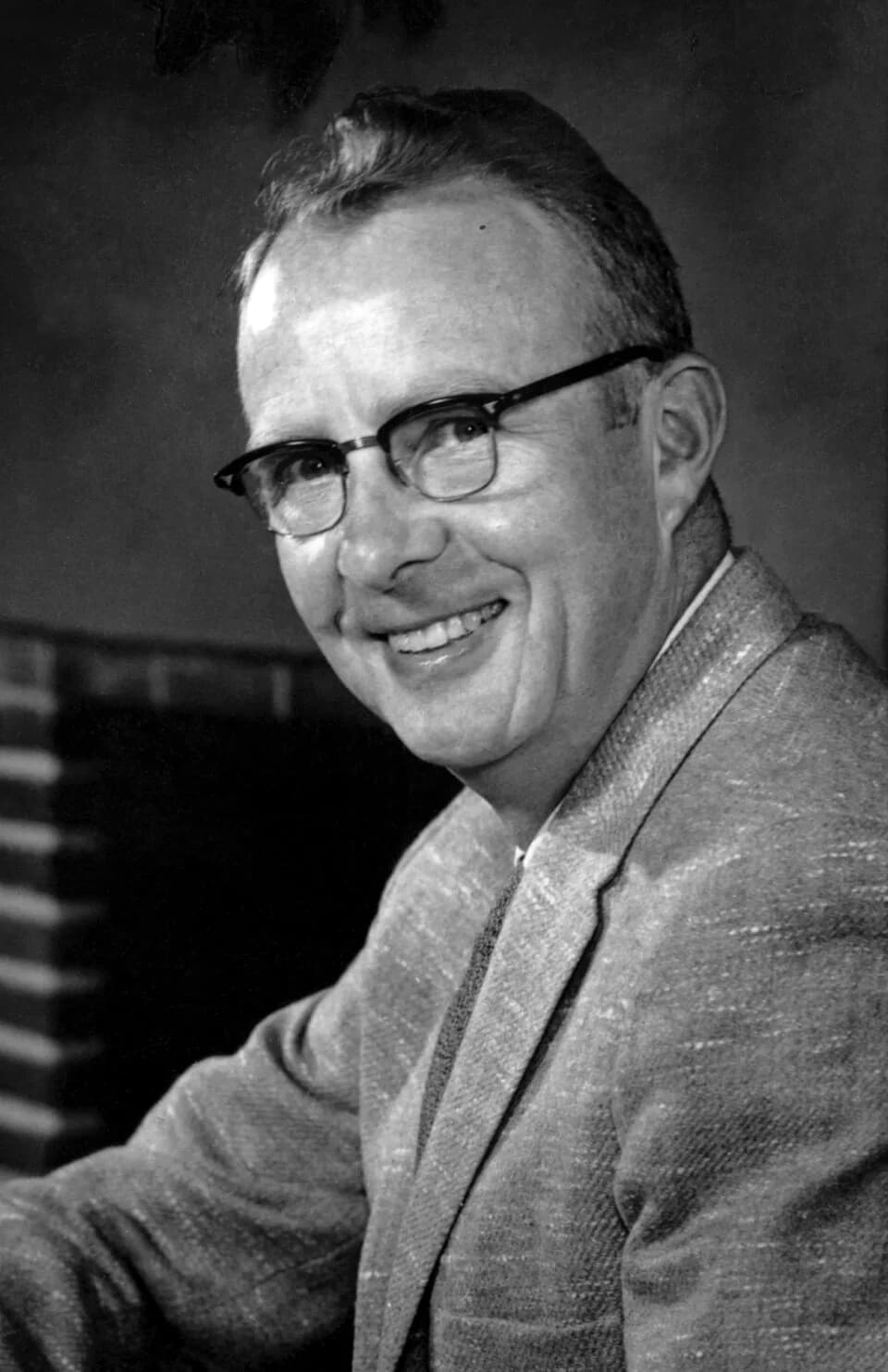
Luis Walter Alvarez (June 13, 1911 – September 1, 1988) was an American experimental physicist, inventor, and professor from San Francisco, United States. He received the 1968 Nobel Prize in Physics for his discovery of resonance states using the hydrogen bubble chamber, a significant advancement in particle physics. Alvarez is remembered as one of the twentieth century's most brilliant physicists.
Поглавље
Поглавља живота
Поглавље 1 · 1911· Поглавље 1 од 6
Early Life and Origins
Luis Walter Alvarez was born on June 13, 1911, in the vibrant city of San Francisco, located in the United States. His formative years in this dynamic environment likely set the stage for a life dedicated to scientific inquiry and discovery. Growing up in the United States during the early 20th century provided a unique backdrop for a budding scientist.
His journey through life culminated in Berkeley, United States, where he passed away on September 1, 1988. Both his birth and death places tie him firmly to the rich scientific heritage of California, a region that became a hub for innovation and academic excellence in the sciences.
Поглавље 2· Поглавље 2 од 6
Career Beginnings
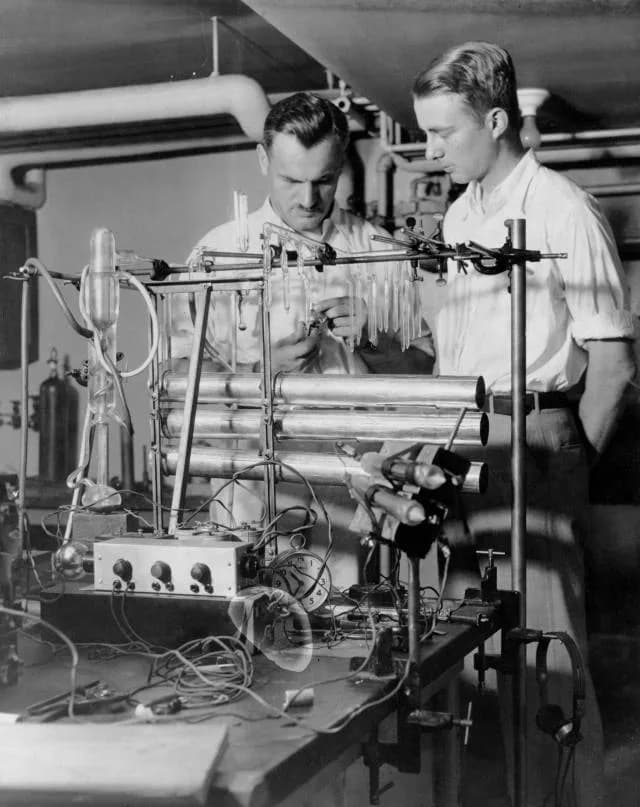
From an early stage, Luis Walter Alvarez demonstrated a profound affinity for the natural world and its underlying physical laws. His professional trajectory saw him embrace diverse roles, including that of an astronomer, a physicist, and an inventor. He also dedicated a significant portion of his career to education, serving as a university teacher.
His work as a nuclear physicist further broadened his expertise, delving into the intricacies of atomic structures and forces. This combination of roles indicates a curious mind, always seeking to explore and understand different facets of the physical universe, from the stars above to the fundamental particles within matter.
Поглавље 3 · 1968· Поглавље 3 од 6
Major Achievements and Career Highlights
The pinnacle of Luis Walter Alvarez's career was undoubtedly the award of the Nobel Prize in Physics in 1968. This esteemed recognition honored his decisive contributions to elementary particle physics, a field focused on the smallest known constituents of matter and radiation. His work significantly advanced the collective knowledge in this complex area.
Specifically, Alvarez was lauded for his discovery of a large number of resonance states, which are short-lived subatomic particles that decay almost immediately. These discoveries provided crucial insights into the fundamental forces and structures of the universe. He achieved these breakthroughs through his pioneering development of the technique of using the hydrogen bubble chamber and subsequent sophisticated data analysis methods.
The hydrogen bubble chamber itself represented a significant technological leap in experimental physics. It allowed scientists to visualize the tracks of electrically charged particles, making it possible to detect and study these elusive resonance states. Alvarez's ingenuity in developing both the experimental apparatus and the analytical tools cemented his place as a leading figure in 20th-century physics.
Поглавље 4· Поглавље 4 од 6
Notable Works or Contributions
Beyond the Nobel Prize-winning work, Luis Walter Alvarez left a substantial legacy of specific contributions and academic publications. His development of the hydrogen bubble chamber stands as a monumental achievement, not merely a tool but a catalyst for numerous discoveries in particle physics. This invention enabled a generation of physicists to explore the subatomic world with unprecedented clarity.
His academic output reflects a wide range of interests and intellectual pursuits. Among his notable works is "Electrical Detection of Artificially Produced Mesons," published in 1950, which had 1 citation, indicating its specific relevance at the time. This publication highlights his involvement in the early experimental detection of fundamental particles.
Alvarez also ventured into more unconventional topics, evidenced by his 1965 papers, "A Pseudo Experience in Parapsychology" and "A Pseudo Experience in Parapsychology.," both garnering 5 citations each. Another related work from the same year, "Parapsychology and Spontaneous Cases," received 1 citation. These works illustrate his willingness to apply a scientific approach to a diverse array of phenomena.
Another publication listed among his works is "Non-equilibrium polymeric complex fluids," from 2011, with 2 citations. This demonstrates a continued association with scholarly output, extending well beyond his lifetime and suggesting a lasting influence or perhaps a collaborative effort with later researchers, or a publication attributed to him posthumously.
Поглавље 5· Поглавље 5 од 6
Later Years
Luis Walter Alvarez continued his distinguished career as a university teacher and a leader in scientific research throughout his life. Even after receiving the Nobel Prize, his dedication to physics and invention remained unwavering. He contributed significantly to the academic environment, sharing his vast knowledge and inspiring future generations of scientists.
His later years were spent in Berkeley, United States, the very place where he passed away in 1988. This period likely involved continued mentorship and intellectual engagement, reinforcing his role as a cornerstone of the scientific community. His presence in such a prominent academic setting allowed his influence to spread widely among students and colleagues.
Поглавље 6· Поглавље 6 од 6
Legacy and Impact
The legacy of Luis Walter Alvarez is defined by his profound and lasting impact on the field of elementary particle physics. His Nobel Prize-winning work on resonance states, facilitated by the hydrogen bubble chamber, fundamentally altered how scientists investigated the subatomic realm. This methodology became a standard for future experimental designs.
His unique combination of roles as an experimental physicist, inventor, and university teacher ensured his contributions were both theoretical and practical, directly advancing the capabilities of scientific discovery. He fostered a culture of meticulous experimentation and rigorous analysis, leaving behind a clear path for others to follow.
As acknowledged by the American Journal of Physics in 2007, Luis Walter Alvarez truly was "one of the most brilliant and productive experimental physicists of the twentieth century." His innovative spirit and dedication to unlocking the secrets of the universe continue to inspire physicists and researchers across the globe, solidifying his place in the annals of science.
Живот у тренуцима
Тренуци који су обликовали живот
Питања
Често постављана
Када је умро/ла Luis Walter Alvarez?
Luis Walter Alvarez је умро/ла 1. септембар 1988. у Berkeley, United States у 77. години живота.
Где је рођен/а Luis Walter Alvarez?
Luis Walter Alvarez је рођен/а у San Francisco, United States 13. јун 1911..
По чему је Luis Walter Alvarez најпознатији/а?
Luis Walter Alvarez је најпознатији/а по American experimental physicist, inventor, and professor.
Колико је Luis Walter Alvarez имао/ла година у тренутку смрти?
Luis Walter Alvarez је имао/ла 77 година у тренутку смрти.
Које националности је био/ла Luis Walter Alvarez?
Luis Walter Alvarez је био/ла из United States.
Временска линија
Живот на први поглед
Галерија фотографија
Живот у сликама
Кликните на било који полароид за увећање · 21 фотографија
QR код
Поделите ову биографију
Штампај и подели
Скенирајте да посетите ову биографску страницу. Штампајте за догађаје, изложбе или образовне материјале.