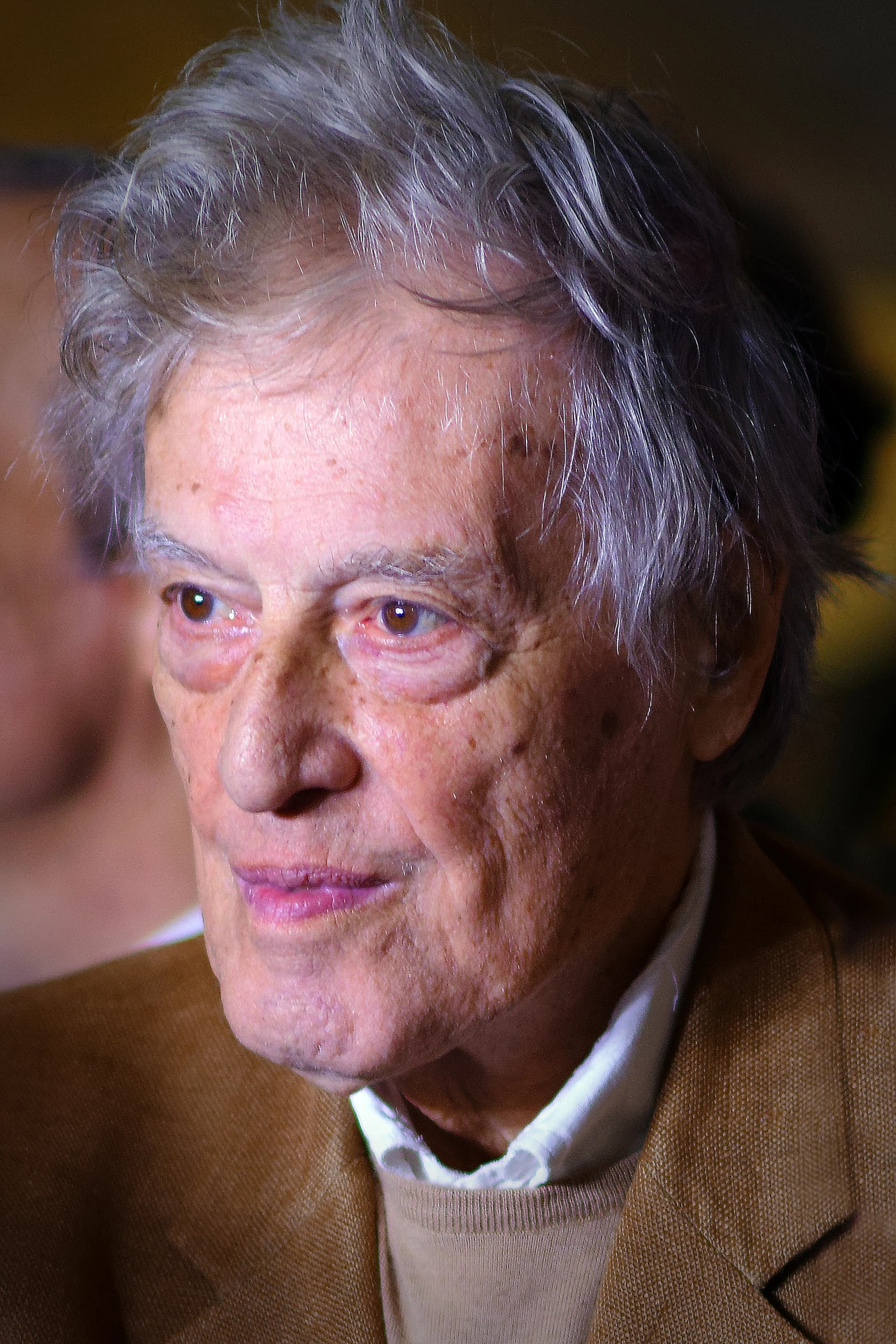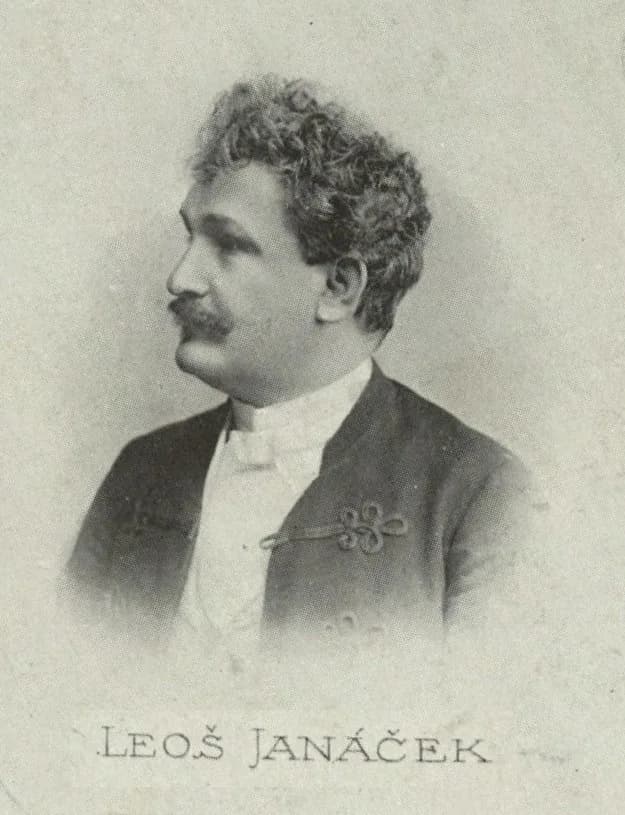
Рођен
July 3, 1854
Hukvaldy, Czech Republic
Преминуо
August 12, 1928
Ostrava, Czech Republic
Познат по
Czech composer
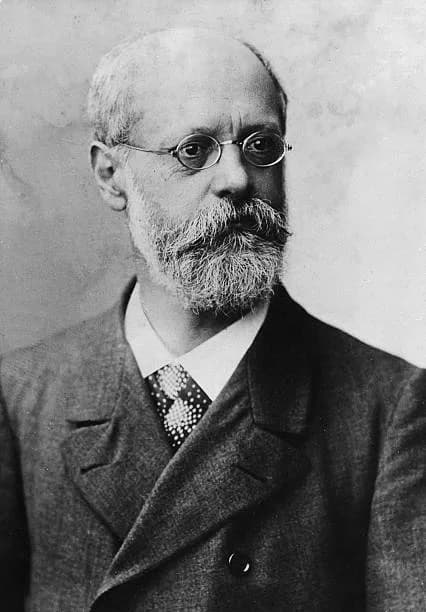
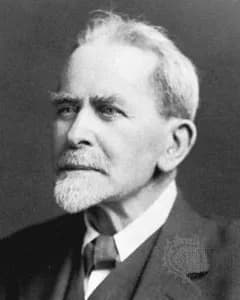
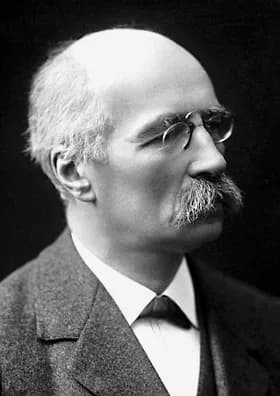
Leoš Janáček (1854–1928) was Czech Republic best known for Czech composer.
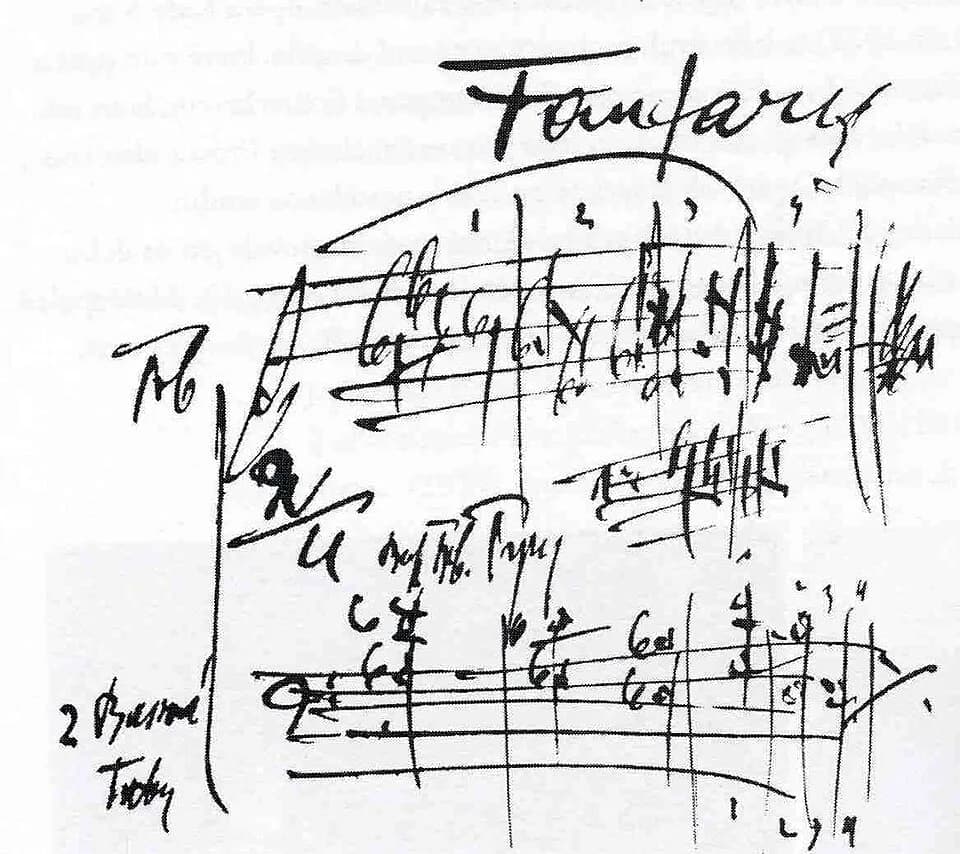
Leoš Janáček (July 3, 1854 – August 12, 1928) was a Czech composer from Hukvaldy. He pioneered an original, modern musical style inspired by Moravian and other Slavic folk music, distinguishing him in classical music. His works like "Sinfonietta" and "Glagolitic Mass" are celebrated globally.
Живот у тренуцима
Тренуци који су обликовали живот
Поглавље
Поглавља живота
Поглавље 1 · 1854· Поглавље 1 од 7
Early Life and Origins
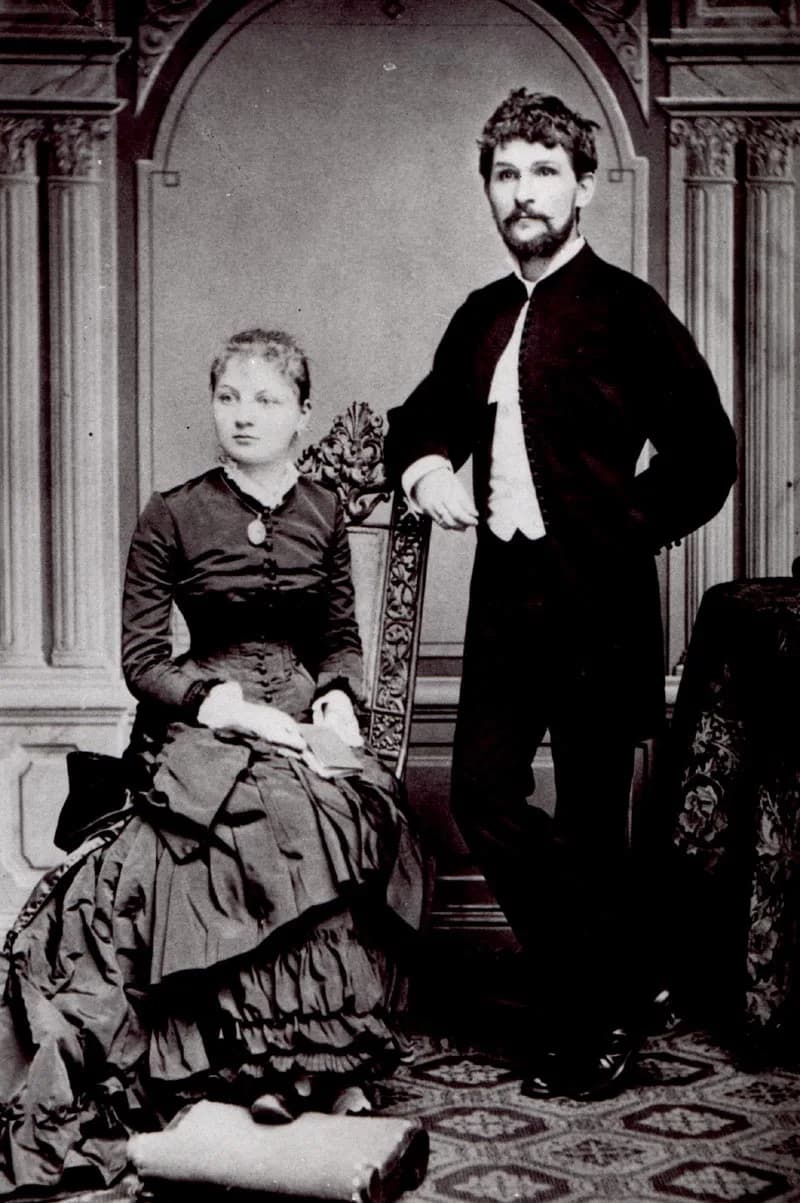
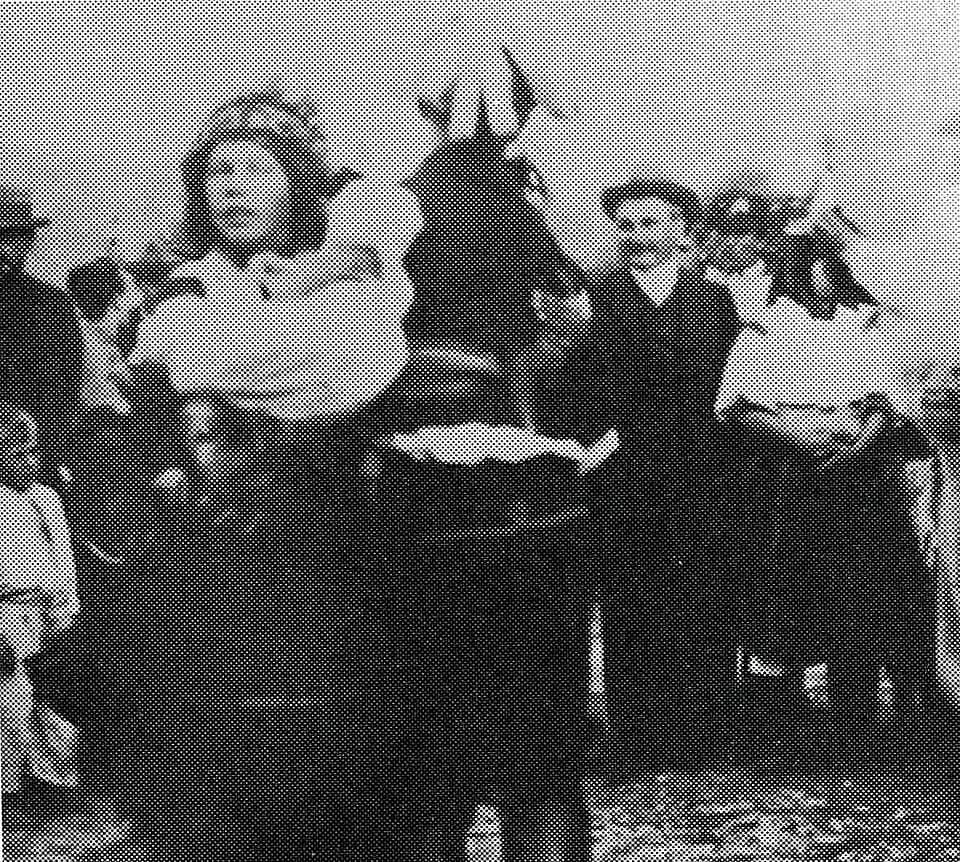
Leoš Janáček was born on July 3, 1854, in Hukvaldy, a picturesque village located within the Czech Republic. This specific geographic and cultural setting in Moravia played a fundamental role in shaping his artistic sensibilities from an early age. The rich folk traditions and distinctive melodies of his homeland became a foundational source of inspiration. His early years fostered an environment where music was not just an academic pursuit but a living, breathing part of daily life.
Поглавље 2· Поглавље 2 од 7
Career Beginnings
Janáček's musical journey commenced with a strong practical engagement in the world of music. He initially established himself as an organist, demonstrating early mastery of the instrument and its extensive repertoire. Concurrently, he took on the demanding role of a choir director, which allowed him to refine his conducting skills and deep understanding of vocal music. These early positions provided him with invaluable hands-on experience in leading musical ensembles and understanding intricate choral arrangements, laying the groundwork for his future compositional prowess.
Поглавље 3· Поглавље 3 од 7
Major Achievements and Career Highlights
Throughout his illustrious career, Janáček transcended the role of a mere composer, becoming a respected music theorist, a perceptive music critic, and a dedicated folklorist. His most significant achievement lay in his creation of an original, modern musical style, drawing heavily from Moravian and other Slavic music, including Eastern European folk idioms. This unique stylistic synthesis set his work apart, making him a truly pioneering figure in classical music. He also contributed significantly as a publicist and an editing staff member, influencing public discourse and musical scholarship.
Поглавље 4· Поглавље 4 од 7
Personal Life
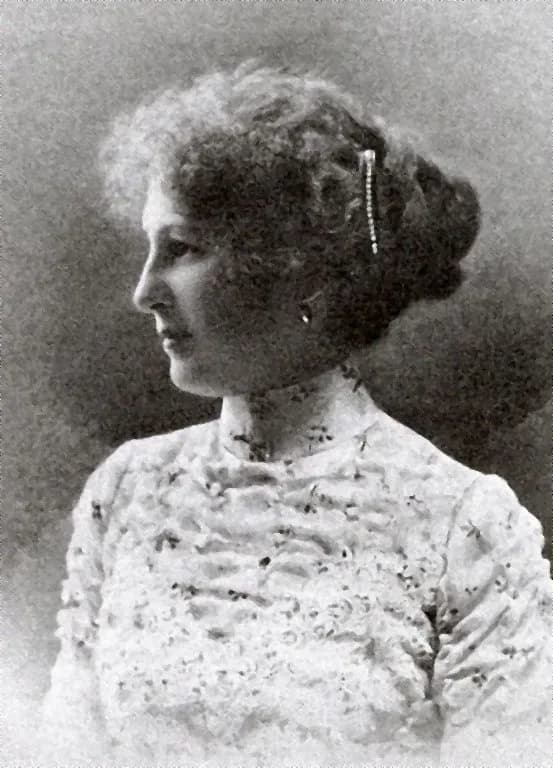
While specific intimate details regarding Leoš Janáček's family life and personal relationships are not extensively documented in the provided information, his creative endeavors offer glimpses into his character. His work as a librettist suggests a keen dramatic sense and an appreciation for narrative. Furthermore, his deep engagement with folklore indicates a strong intellectual and emotional connection to his cultural heritage and the human experience. These aspects underscore a life dedicated to artistic expression and cultural exploration.
Поглавље 5 · 2000· Поглавље 5 од 7
Notable Works or Contributions
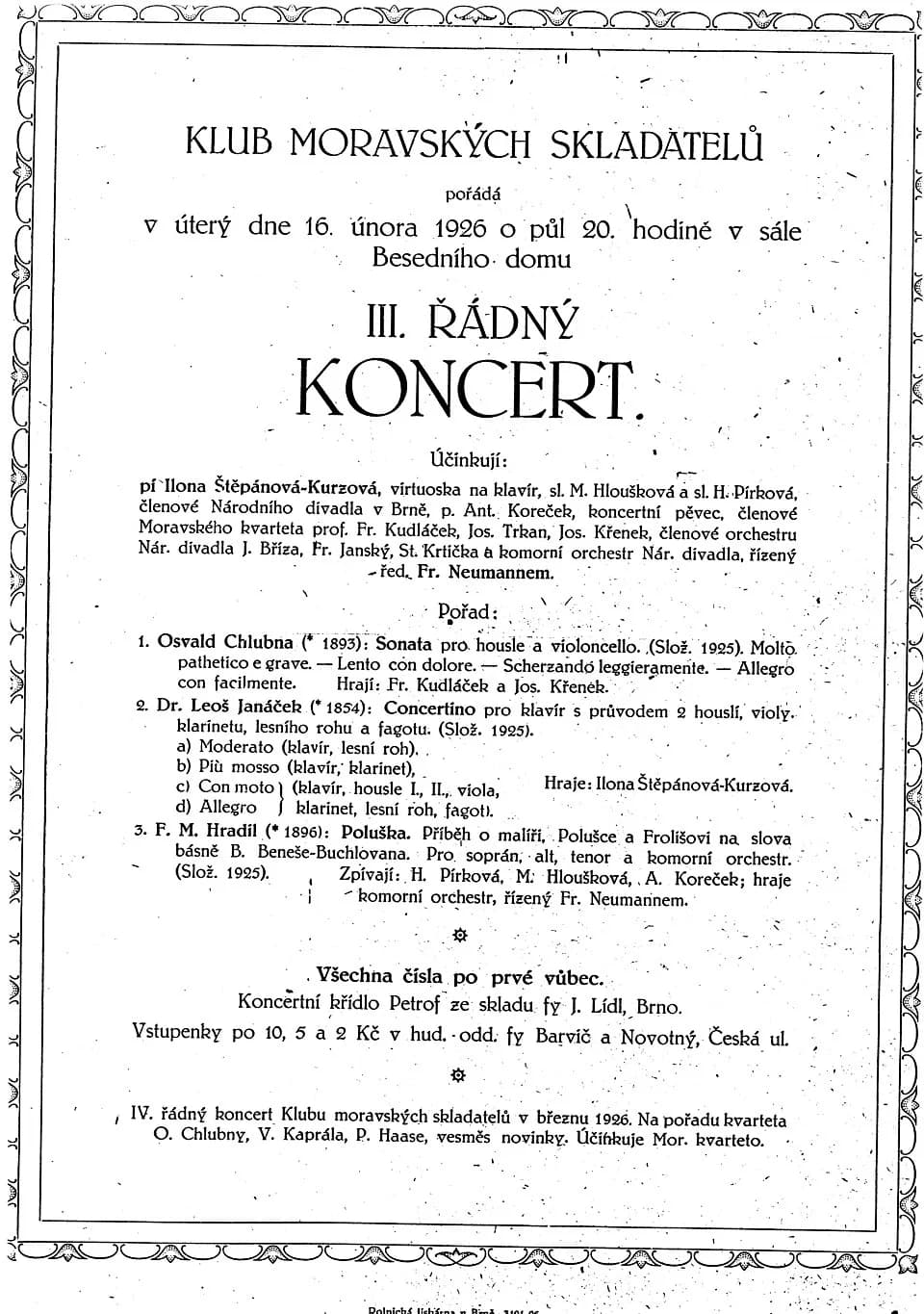
Janáček's extensive body of work includes numerous compositions that are central to the classical repertoire, showcasing his distinctive voice. His contributions to the "Marlboro Music Festival: 50th Anniversary" in 2000 highlight his lasting relevance. Among his most celebrated chamber pieces are the "String Quartets Nos. 1 and 2," famously recorded in 1964. The "Sinfonietta" stands as one of his most iconic orchestral works, featured across multiple recordings in 1965, 1966, 1969, and 1971, demonstrating its enduring appeal.
His sacred music includes the powerful "Glagolitic Mass" (Glagolská mše), with significant recordings released in 1966 and 1976. Other notable contributions to his discography include "Умница / Симфониетта" from 1965, and a shared album "Bartók: Concerto for Orchestra / Janáček: Sinfonietta" from 1966. He also created "Leoš Janáček: Amarus / Josef Suk: Under The Apple-Tree" in 1976 and the "Male Choruses" in 1978, further illustrating his versatility across various classical forms and genres.
Поглавље 6 · 1928· Поглавље 6 од 7
Later Years
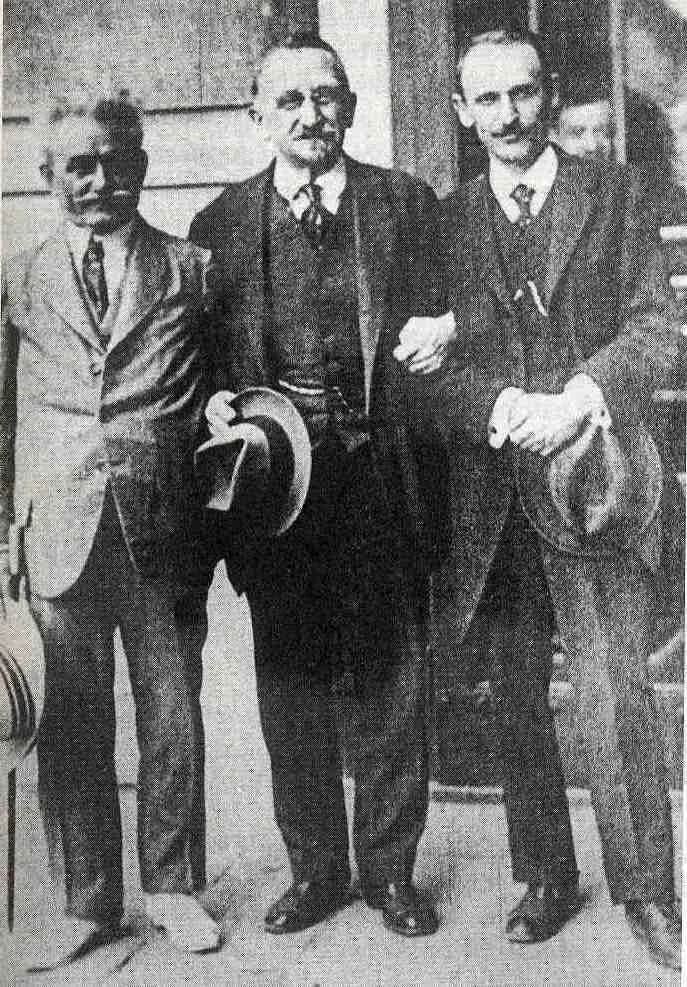
Leoš Janáček remained actively engaged in his creative pursuits and musical scholarship during his later years. He continued to refine his unique compositional language, solidifying his stature as an essential figure in 20th-century music. His commitment to exploring and integrating folk music into classical forms remained a defining characteristic of his output. Janáček passed away on August 12, 1928, in Ostrava, Czech Republic, leaving behind a complete artistic legacy that resonates to this day.
Поглавље 7· Поглавље 7 од 7
Legacy and Impact
The enduring legacy of Leoš Janáček stems from his singular ability to fuse the raw energy of Moravian and Eastern European folk music with modern classical techniques. He forged a path that inspired countless future composers, demonstrating how regional traditions could inform and enrich a contemporary musical style. His work as a composer, music theorist, folklorist, and music educator collectively ensured his lasting impact, making him a foundational figure in Czech classical music. Janáček's compositions continue to be performed, studied, and revered globally, affirming his permanent place in musical history.
Питања
Често постављана
Када је умро/ла Leoš Janáček?
Leoš Janáček је умро/ла 12. август 1928. у Ostrava, Czech Republic у 74. години живота.
Где је рођен/а Leoš Janáček?
Leoš Janáček је рођен/а у Hukvaldy, Czech Republic 3. јул 1854..
По чему је Leoš Janáček најпознатији/а?
Leoš Janáček је најпознатији/а по Czech composer.
Колико је Leoš Janáček имао/ла година у тренутку смрти?
Leoš Janáček је имао/ла 74 година у тренутку смрти.
Које националности је био/ла Leoš Janáček?
Leoš Janáček је био/ла из Czech Republic.
Временска линија
Живот на први поглед
Галерија фотографија
Живот у сликама
Кликните на било који полароид за увећање · 23 фотографија
QR код
Поделите ову биографију
Штампај и подели
Скенирајте да посетите ову биографску страницу. Штампајте за догађаје, изложбе или образовне материјале.