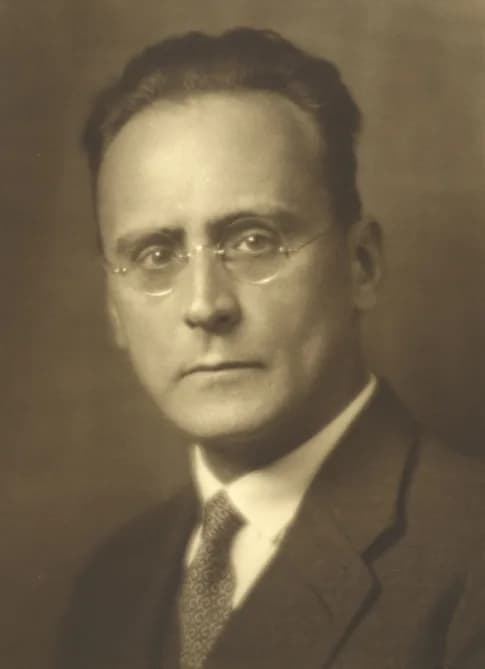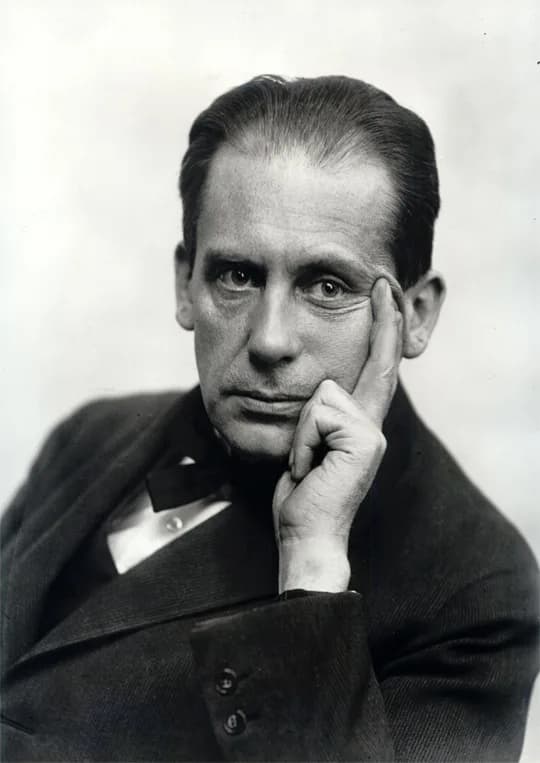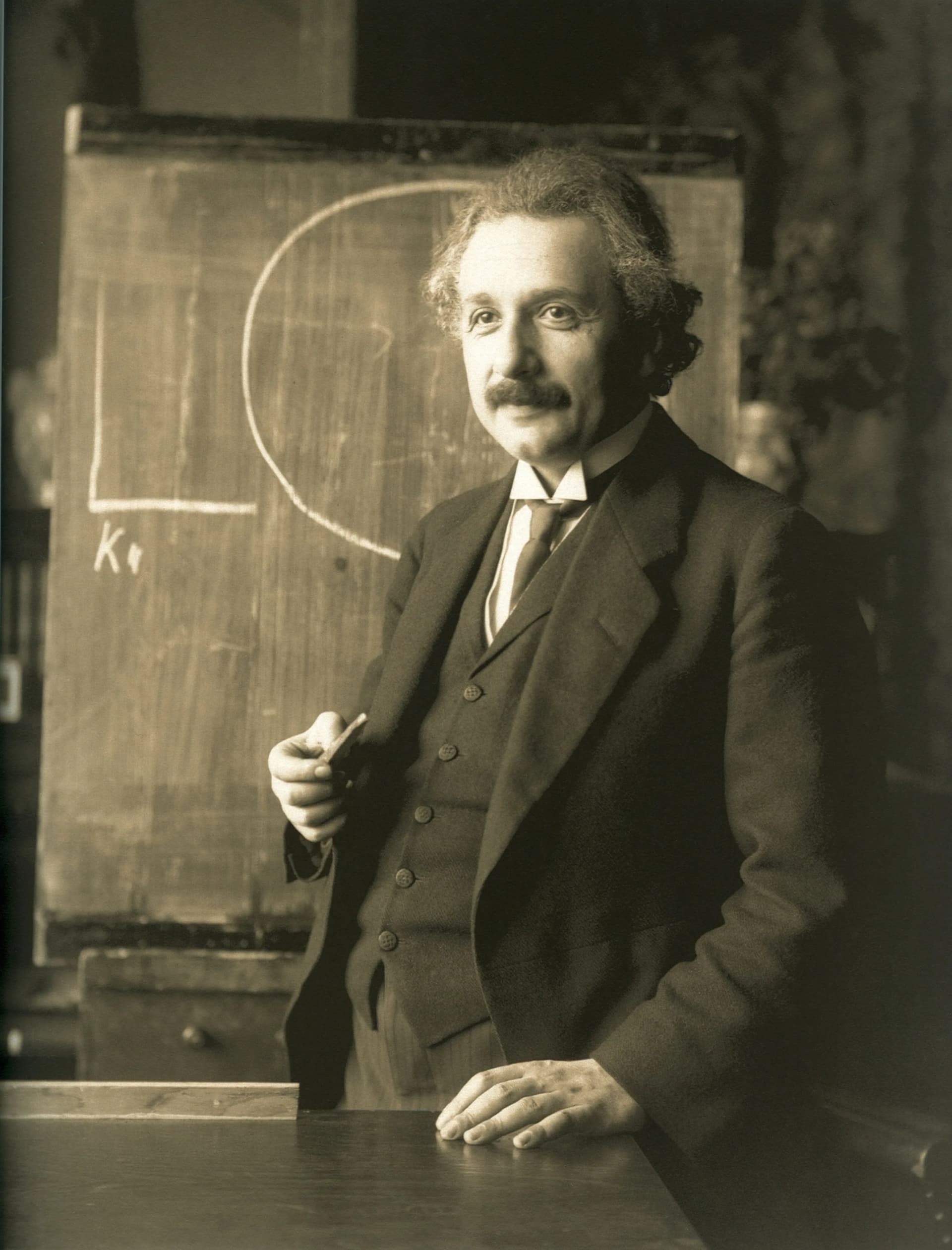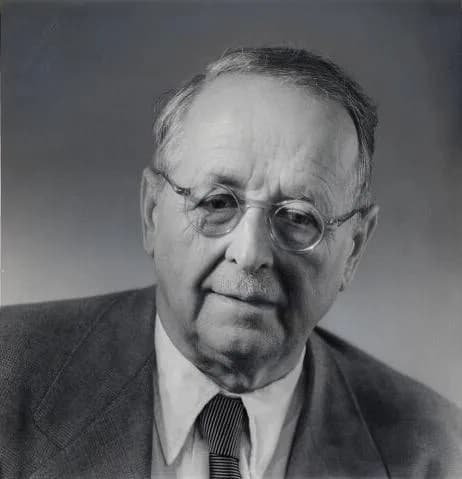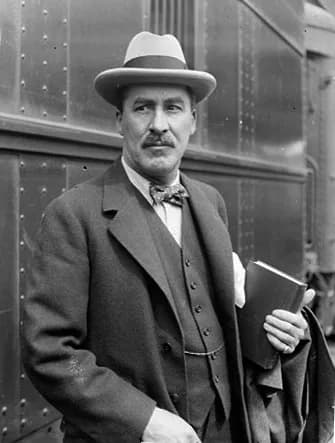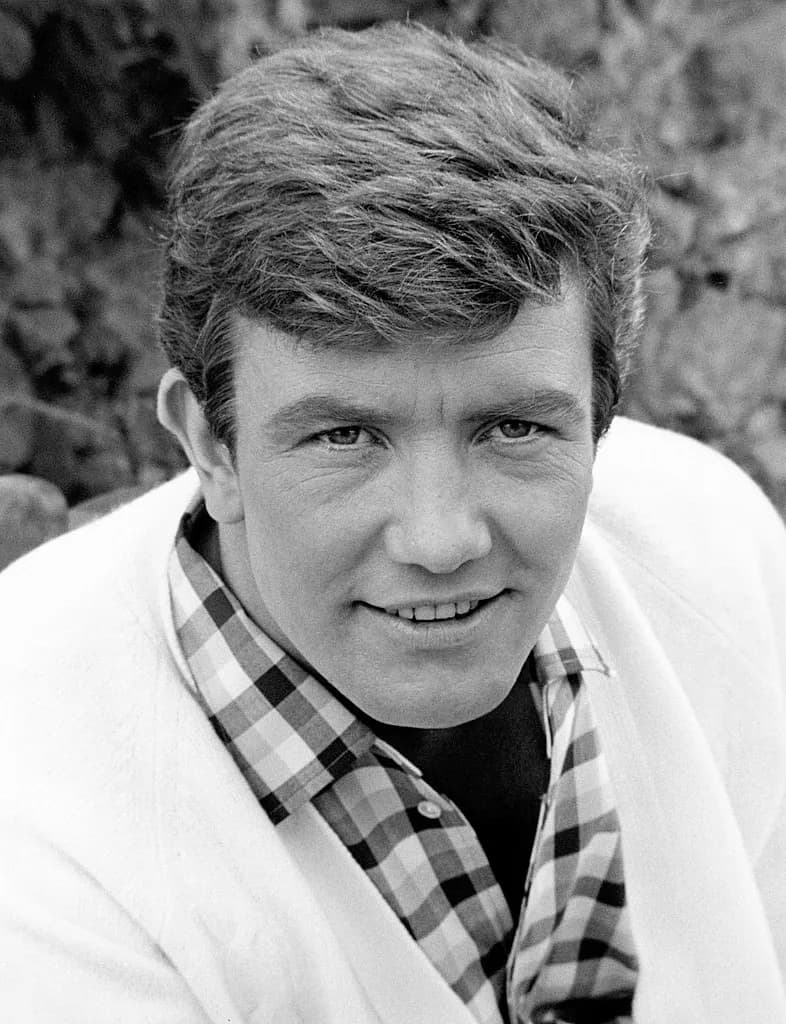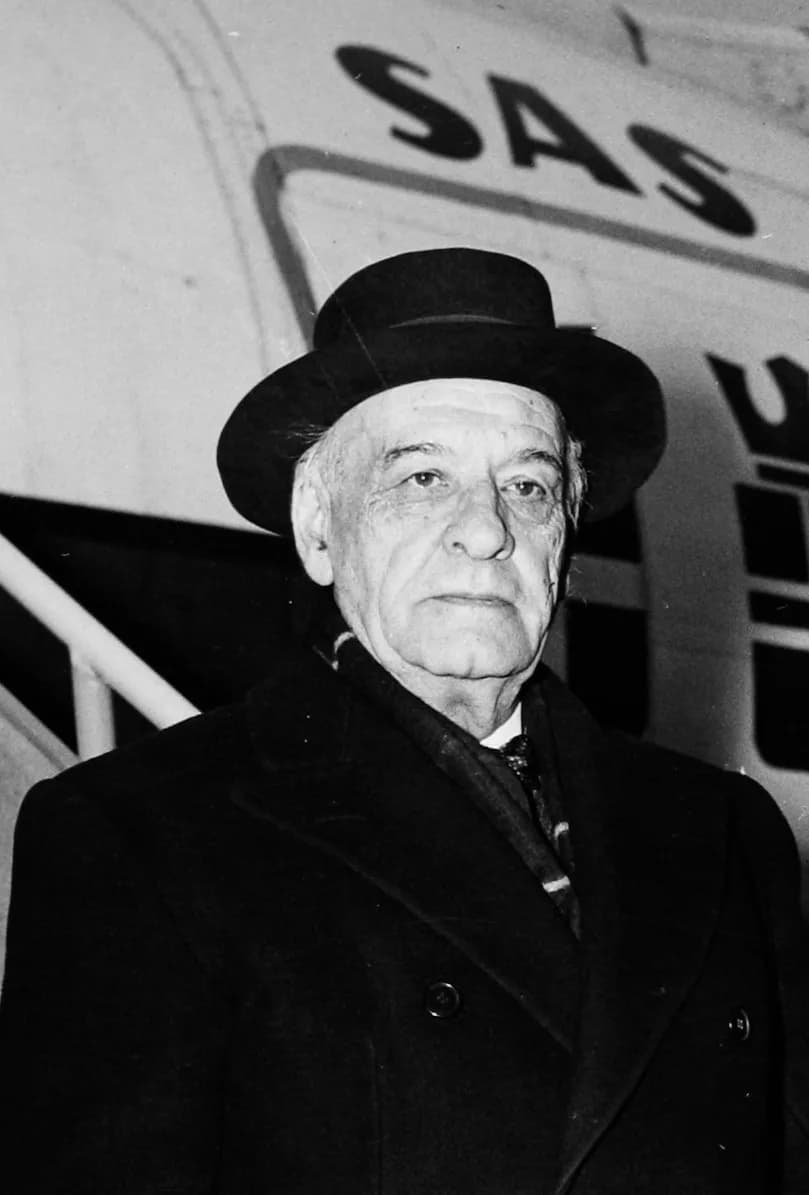
Рођен
May 9, 1883
Madrid, Spain
Преминуо
October 18, 1955
Madrid, Spain
Познат по
Spanish liberal philosopher and essayist
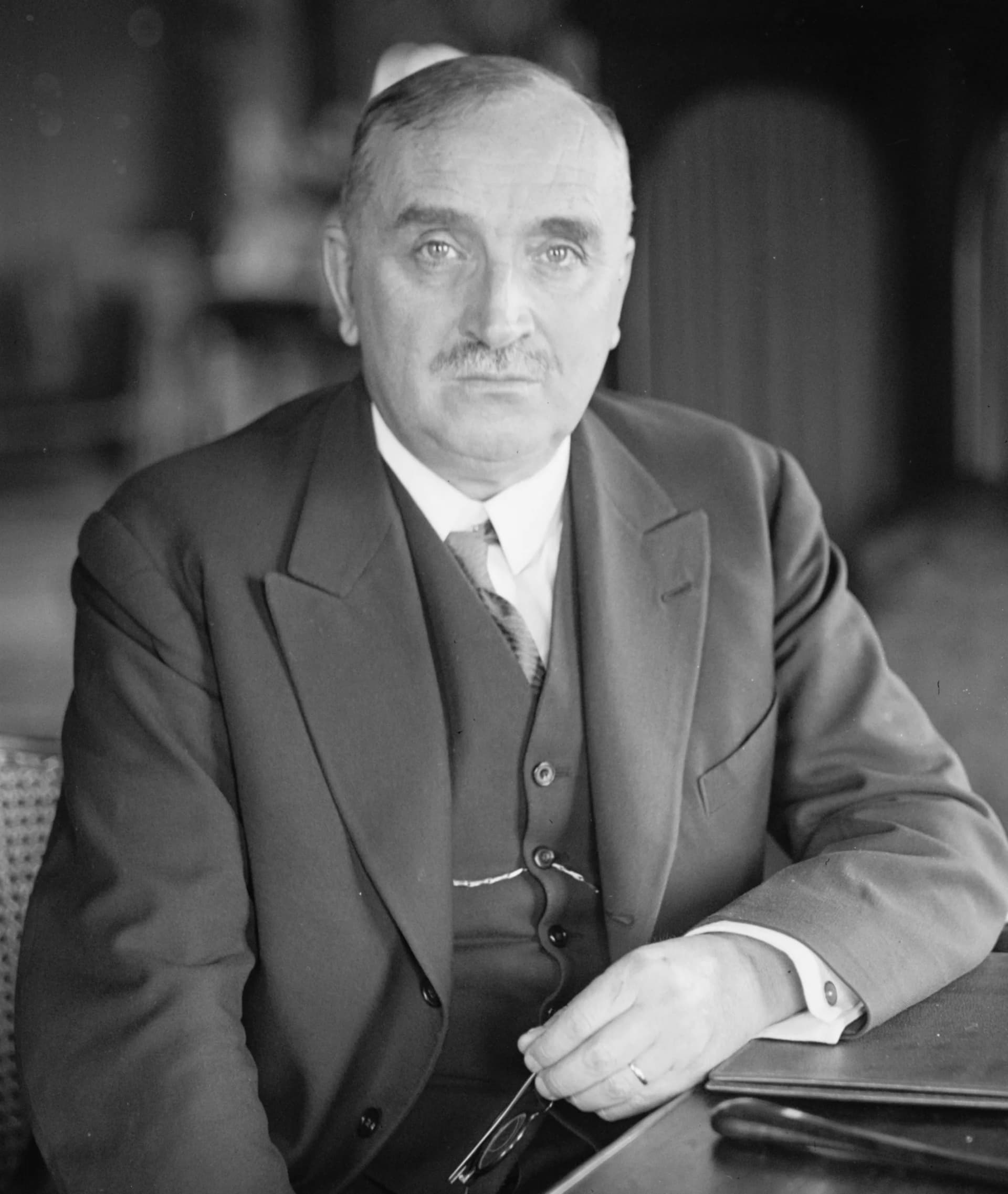
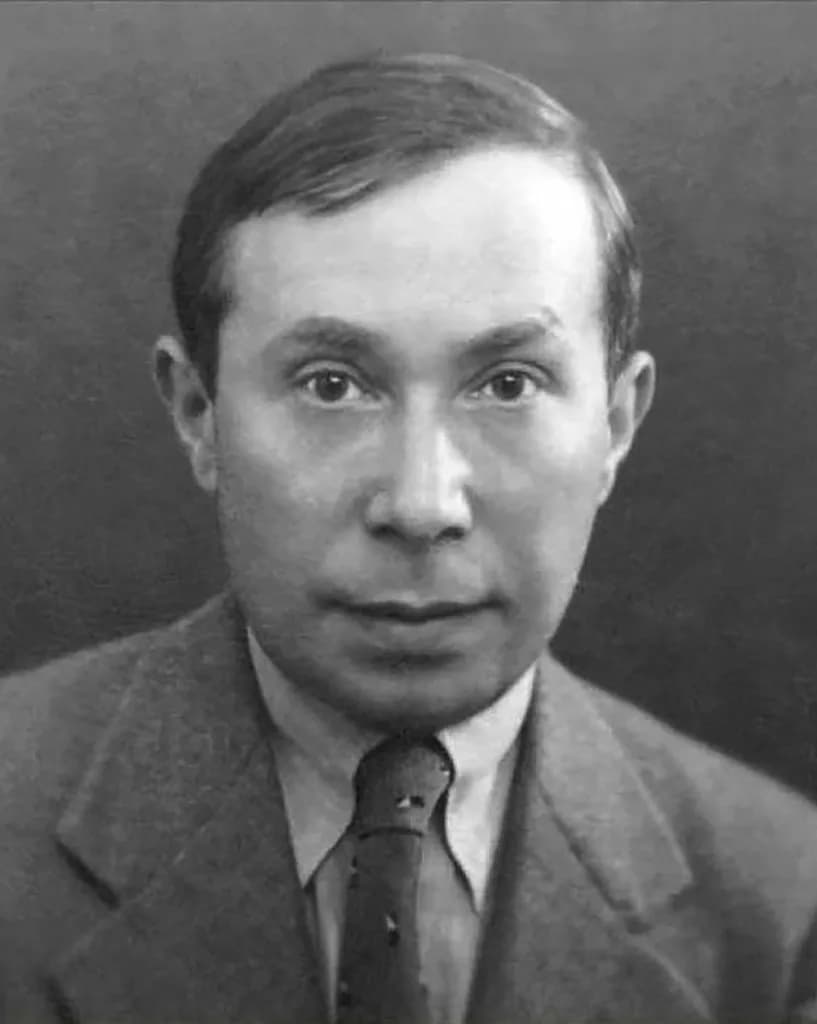
José Ortega y Gasset (1883–1955) was Spain best known for Spanish liberal philosopher and essayist.
José Ortega y Gasset (May 9, 1883 – October 18, 1955) was a Spanish liberal philosopher and essayist. He developed a "philosophy of life" synthesizing pragmatist metaphysics and realist phenomenology. His work profoundly influenced 20th-century thought on society, history, and existence.
Живот у тренуцима
Тренуци који су обликовали живот
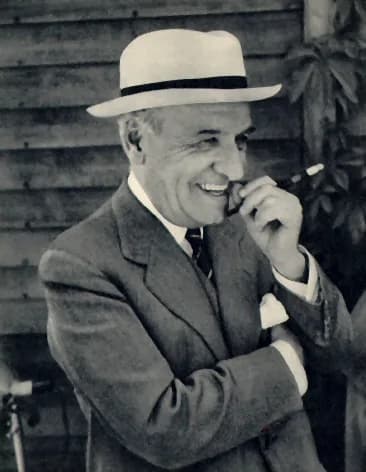
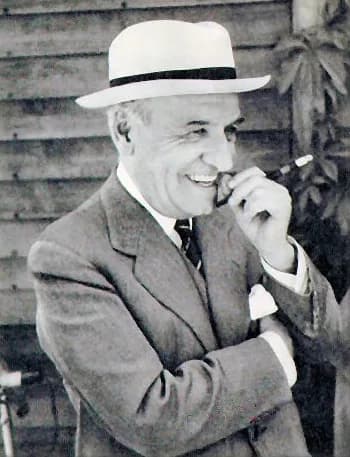
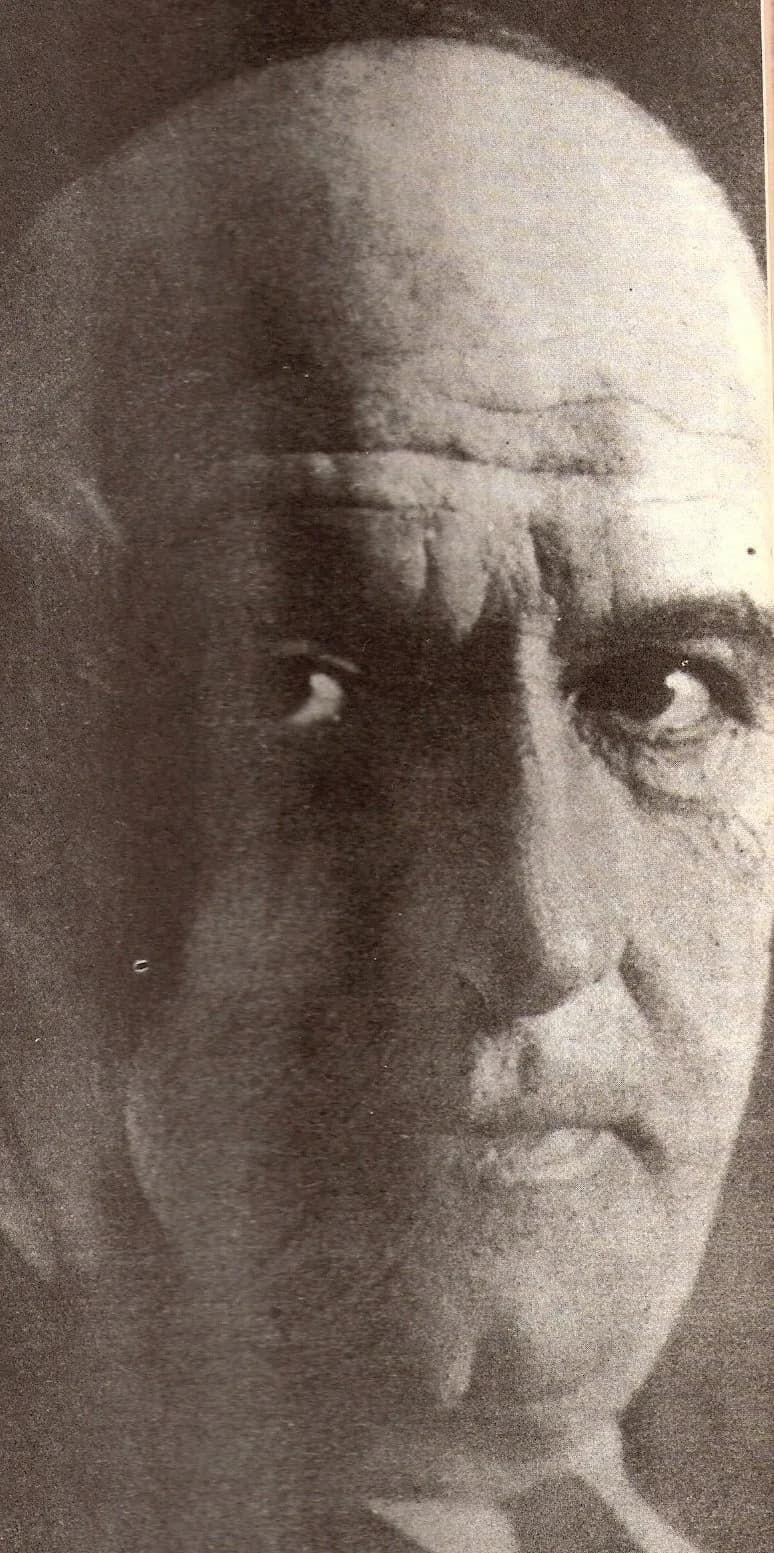
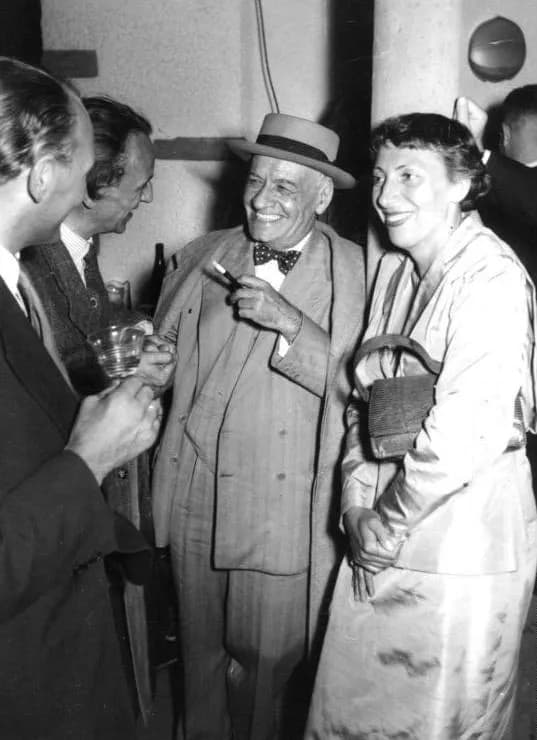
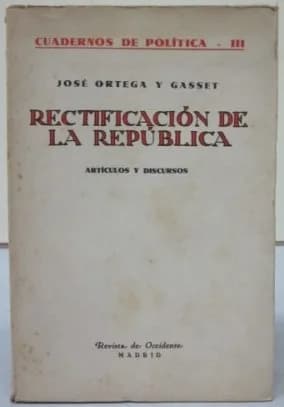
Поглавље
Поглавља живота
Поглавље 1 · 1883· Поглавље 1 од 7
Early Life and Origins
José Ortega y Gasset began his life in Madrid, Spain, where he was born on May 9, 1883, into a prominent intellectual family that fostered his early academic and literary inclinations. His upbringing in the nation's vibrant capital positioned him at the heart of Spanish cultural and political discourse from a young age. This foundational period in Madrid instilled in him a deep connection to Spanish identity and history, themes that would later become central to his expansive philosophical work.
His education, which included studies abroad, exposed him to a broad spectrum of European thought, laying the groundwork for his unique synthesis of philosophical traditions. The intellectual environment of late 19th and early 20th-century Spain, rich with debates about national identity and modernization, provided a fertile ground for the development of his critical perspectives. Ortega y Gasset's enduring ties to Madrid, where he also passed away on October 18, 1955, symbolize a life inextricably linked to the intellectual and cultural landscape of his native country.
Поглавље 2· Поглавље 2 од 7
Career Beginnings
Ortega y Gasset's professional career was characterized by its remarkable breadth and a steadfast commitment to intellectual and public service, reflecting his multifaceted talents and his dedication to shaping societal thought. Early in his career, he emerged as a prolific writer, penning numerous essays that explored complex philosophical ideas and social commentaries in an accessible manner, thereby reaching a broad readership. This initial foray into writing established him as a significant voice, capable of articulating nuanced arguments with clarity and persuasive power, a trait that would define his entire professional life.
Beyond his literary endeavors, he actively participated in the political arena, embodying the role of an intellectual deeply invested in the governance and direction of his nation. His engagement in politics during a period of intense ideological conflict in Spain highlighted his liberal convictions and his desire to contribute directly to the country's future. Concurrently, he served as a skilled translator, demonstrating his command of languages and his commitment to enriching the Spanish intellectual landscape by making foreign philosophical and literary works available to local audiences, thus fostering greater cultural exchange and intellectual growth.
His academic contributions began with his role as a university teacher, where he inspired countless students with his lectures and philosophical insights, cultivating a new generation of thinkers in Spain. This pedagogical commitment extended to his work as a pedagogue, where he likely influenced educational theory and practice, advocating for enlightened methods of instruction. Furthermore, his acute analytical skills were applied as a literary critic, evaluating contemporary and classical works with a philosopher’s eye for underlying themes and structural significance, thereby contributing to the development of Spanish literary theory.
Ortega y Gasset also distinguished himself as a sociologist, meticulously observing and analyzing the structures and dynamics of Spanish society, often providing insightful commentary on its challenges and opportunities. His role as an opinion journalist provided him with a direct platform to engage with current events, offering thoughtful critiques and philosophical perspectives on the pressing issues of the day to the general public. These diverse professional engagements—writer, politician, translator, university teacher, literary critic, pedagogue, sociologist, and opinion journalist—ultimately coalesced and deepened his identity as a preeminent philosopher and essayist, the professions for which he is most renowned today.
Поглавље 3· Поглавље 3 од 7
Major Achievements and Career Highlights
José Ortega y Gasset's philosophy is broadly characterized as a profound "philosophy of life," which sought to understand human existence not as an abstract concept but as a lived, historical, and dynamic reality. This approach diverged from purely theoretical philosophical systems by rooting its inquiries in the concrete experiences and circumstances of individuals within their specific historical contexts. His distinctive philosophical framework was built upon a rich intellectual tapestry, drawing significantly from two major European philosophical currents to forge his own original synthesis.
Central to his thought was "a long-hidden beginning in a pragmatist metaphysics inspired by William James," indicating an early and foundational influence that shaped his understanding of truth and reality. William James's pragmatism emphasized the practical consequences of ideas, the active role of human experience in shaping truth, and the dynamic interaction between individuals and their environment. For Ortega y Gasset, this pragmatist strain meant that philosophical concepts were not merely intellectual constructs but tools for living, with their validity tied to their efficacy in navigating the complexities of human existence. This perspective allowed him to focus on the human capacity for action and the instrumental value of ideas in the real world.
Furthermore, Ortega y Gasset developed his philosophical method using "a general method from a realist phenomenology imitating Edmund Husserl." Husserl's phenomenology advocated for a rigorous, descriptive examination of consciousness and the structures of experience, aiming to describe phenomena as they are given to consciousness without making prior assumptions. Ortega y Gasset adapted this approach to explore the direct, lived experience of reality, emphasizing the intentionality of consciousness and the way humans constitute their world. This phenomenological realism provided a methodical means to investigate the structures of life and the nature of human perception, allowing for a nuanced understanding of subjective experience within an objective world.
These two robust philosophical foundations—James's pragmatism and Husserl's phenomenology—served as crucial underpinnings for the development of both his "proto-existentialism" and his "realist historicism." His proto-existentialism, predating or running parallel to later explicit existentialist movements, explored themes of human freedom, individual responsibility, and the contingent, situated nature of existence. It posited that humans are not defined by a fixed essence but by their choices and actions within specific historical and social circumstances, continuously making themselves through their lives. This perspective resonated with the profound sense of individual agency and the challenges of self-definition in a rapidly changing world.
Simultaneously, his "realist historicism" emphasized that human reality is fundamentally historical, and that understanding any phenomenon, including human nature itself, requires grasping its development and embeddedness within specific historical conditions. This historicist view, which has been compared to the intellectual contributions of Wilhelm Dilthey and Benedetto Croce, asserted that human life is not static but is constantly evolving, shaped by its past and oriented towards its future. Ortega y Gasset’s historicism provided a critical lens through which to analyze cultural and political transformations, insisting on the contextual nature of truth and values. Throughout his career, during Spain's tumultuous 20th century, Ortega y Gasset's comprehensive philosophical system provided a penetrating framework to analyze the societal transformations, political upheavals, and cultural shifts of his time. His intellectual leadership and ability to synthesize diverse philosophical traditions, applying them to the pressing issues of his era, stands as a testament to his unique intellectual prowess and his profound engagement with the world.
Поглавље 4· Поглавље 4 од 7
Personal Life
While José Ortega y Gasset's public persona was that of a prolific philosopher, essayist, and political commentator, dedicated to intellectual pursuits, the provided information does not detail specifics of his private life, family dynamics, or individual interests beyond his expansive professional roles. His life's narrative, as captured in the available records, primarily highlights his profound contributions to philosophy and public discourse in Spain and beyond.
His enduring legacy is thus firmly rooted in his vast body of written work and his significant impact on intellectual thought rather than personal anecdotes or intimate relationships. The absence of such details in the historical summary suggests a life predominantly defined by his scholarly output and his public engagement during a complex period in European history.
Поглавље 5· Поглавље 5 од 7
Notable Works or Contributions
José Ortega y Gasset’s extensive bibliography showcases the remarkable range and depth of his intellectual curiosity, making him one of the most influential Spanish thinkers of the 20th century. His contributions spanned philosophical treatises, social critiques, literary analyses, and reflections on history and culture, each marked by his distinctive blend of analytical rigor and eloquent prose. These works collectively form a rich tapestry of thought that continues to resonate with readers and scholars alike.
Among his most globally recognized and profoundly impactful works is La rebelión de las masas (The Revolt of the Masses), published in 1930. This seminal text offered a trenchant critique of the rise of mass society and its implications for culture, politics, and individual liberty, provoking widespread debate across intellectual circles in Europe and the Americas. In this work, Ortega y Gasset explored the phenomenon of the "mass man" and the challenges posed to traditional liberal values by the homogenization of society, offering insights that remain acutely relevant in discussions about modernity and populism today.
Another cornerstone of his academic output, and indeed listed among his top works, is Meditaciones del Quijote (Meditations on Quixote), first published in 1914. This early masterpiece demonstrated his exceptional talent for philosophical reflection deeply rooted in literary and cultural themes. Using Miguel de Cervantes's iconic novel as a springboard, Ortega y Gasset delved into broader considerations of Spanish identity, European intellectual heritage, and the relationship between reality and illusion, thereby cementing his reputation as a profound cultural critic and philosopher.
His intellectual engagement with the arts is further exemplified by works such as Velázquez, suggesting a philosophical exploration of painting and aesthetics, likely analyzing the work of the renowned Spanish painter through a unique phenomenological lens. This interest in visual art indicates his belief in the profound philosophical insights that could be gleaned from artistic creation and interpretation. His commitment to understanding the trajectory of human civilization is evident in Toward a philosophy of history, a title that directly reflects his overarching interest in historicism and the structured development of human events, seeking to uncover the underlying patterns and meanings in historical processes.
The collection of works titled Tríptico points to a structured investigation of three interconnected themes, a characteristic approach that allowed him to explore complex ideas from multiple angles, demonstrating his methodical and systematic thought process. Within his broader Obras (Collected Works), specific volumes such as Del Imperio romano / Historia como sistema further elaborate on his deep engagement with historical analysis. Here, he examined the rise and fall of great civilizations, particularly the Roman Empire, and theorized history not as a mere sequence of events but as an intricate system governed by underlying principles and dynamics, linking his historicism to a broader philosophy of societal evolution.
His European consciousness found expression in Meditación de Europa (Meditation on Europe), a work that reflected his deep concern for the cultural and political future of the European continent. In this text, he likely offered insights into Europe’s unique challenges, its shared identity, and its role in the global arena, positioning him as a significant commentator on international relations and cultural unity. A more introspective critique of his own nation was Espanã invertebrada (Invertebrate Spain), which offered a probing diagnosis of Spain's perceived national weaknesses and historical struggles, proposing reforms and a path toward national regeneration by identifying a lack of cohesive national structure.
Ortega y Gasset’s intellectual curiosity extended to fundamental aspects of human relationships and gender dynamics, as shown in Vom Einfluss der Frau auf de Geschichte (On the Influence of Women on History) and Über die Liebe (On Love). These works highlight his interest in the social and existential dimensions of human interaction, exploring how personal relationships and gender roles shape historical processes and individual lives. Finally, Über die Jagd (On Hunting) reveals a distinct facet of his thought, possibly reflecting on human nature, instinct, civilization versus wilderness, or the philosophical implications of the human relationship with the natural world, demonstrating the wide scope of his intellectual pursuits.
Beyond these specific titles, Ortega y Gasset’s academic productivity was substantial, attested to by an impressive h-index of 21 across 216 distinct papers. This metric signifies a sustained and impactful contribution to academic scholarship over many decades, demonstrating the breadth and influence of his published research. Even in recent years, his intellectual legacy continues to be explored and published, as evidenced by works like "Lector" (2017) and several parts of his Notas de trabajo de la carpeta "Dilthey" (2018-2019). While some of these later or posthumously published works might have initially garnered fewer citations, their very existence underscores the ongoing scholarly engagement with his profound and multifaceted thought, ensuring his ideas remain a vibrant subject of contemporary study and discussion.
Поглавље 6· Поглавље 6 од 7
Later Years
José Ortega y Gasset remained intellectually active and engaged throughout his later years, continuing to write, teach, and contribute to public discourse, sustaining his profound commitment to philosophical inquiry. His intellectual vigor persisted despite the political upheavals that continued to define Spain during the mid-20th century. He consistently offered his perspectives on the evolving challenges facing his nation and the broader European continent, maintaining his role as a crucial liberal voice during a period marked by authoritarian tendencies.
His passing on October 18, 1955, in his beloved hometown of Madrid, Spain, marked the end of a life richly devoted to scholarship, education, and the articulation of a distinctive philosophy of life. Up until his death, Ortega y Gasset’s focus remained on intellectual pursuits, leaving behind a monumental body of work that continued to be published and studied for decades thereafter. His final years were a testament to an unwavering dedication to the pursuit of knowledge and its dissemination.
Поглавље 7· Поглавље 7 од 7
Legacy and Impact
The legacy of José Ortega y Gasset is undeniably profound, positioning him as one of the most seminal Spanish thinkers of the 20th century whose influence extended far beyond the Iberian Peninsula. His "philosophy of life," a sophisticated synthesis of pragmatist metaphysics and realist phenomenology, provided a powerful and original framework for understanding human existence, history, and society that continues to resonate with contemporary thought. He offered incisive critiques of modern culture and politics, particularly through his analysis of mass society, insights that remain remarkably pertinent in current discussions about social trends and the challenges to liberal democracy.
His contributions to what has been termed "proto-existentialism" and "realist historicism" continue to be rigorously studied and debated in philosophical circles, having influenced subsequent generations of philosophers, sociologists, and cultural theorists. The expansive scope of his intellectual work—encompassing philosophy, sociology, literary criticism, and political commentary—ensured that his ideas permeated a wide array of academic disciplines and informed public discourse across Europe and Latin America. Ortega y Gasset’s remarkable ability to articulate complex philosophical concepts in clear, accessible essays transformed him into a truly public philosopher, capable of shaping both national and international conversations on crucial issues.
The sheer volume and quality of his published works, evidenced by his extensive bibliography and an impressive h-index of 21 across 216 papers, attest to his enduring scholarly impact and the sustained relevance of his research. His intellectual output is not merely a historical artifact; it remains an active subject of contemporary academic study, with new analyses and interpretations emerging regularly. This ongoing engagement, highlighted by recent publications of his notes and analyses, ensures that his profound and multifaceted thought continues to be a vibrant source of inspiration and critical reflection for scholars today.
Fundamentally, José Ortega y Gasset shaped how Spain understood itself and its intricate place within Europe during a period of immense change, offering a critical mirror for national self-reflection. His ideas continue to provide invaluable tools for grappling with the complexities of the modern world, making him an indispensable figure in the history of ideas. His life and work serve as a potent reminder of the enduring power of philosophical inquiry to illuminate human experience, guide societal evolution, and foster a deeper understanding of our shared historical condition.
Питања
Често постављана
Када је умро/ла José Ortega y Gasset?
José Ortega y Gasset је умро/ла 18. октобар 1955. у Madrid, Spain у 72. години живота.
Где је рођен/а José Ortega y Gasset?
José Ortega y Gasset је рођен/а у Madrid, Spain 9. мај 1883..
По чему је José Ortega y Gasset најпознатији/а?
José Ortega y Gasset је најпознатији/а по Spanish liberal philosopher and essayist.
Колико је José Ortega y Gasset имао/ла година у тренутку смрти?
José Ortega y Gasset је имао/ла 72 година у тренутку смрти.
Које националности је био/ла José Ortega y Gasset?
José Ortega y Gasset је био/ла из Spain.
Временска линија
Живот на први поглед
Галерија фотографија
Живот у сликама
Кликните на било који полароид за увећање · 49 фотографија
QR код
Поделите ову биографију
Штампај и подели
Скенирајте да посетите ову биографску страницу. Штампајте за догађаје, изложбе или образовне материјале.