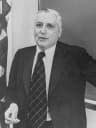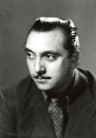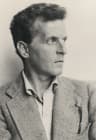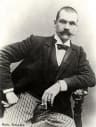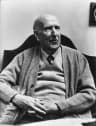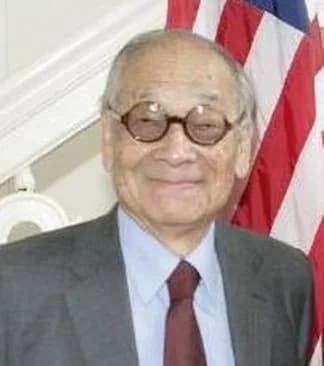
Рођен
April 26, 1917
Guangzhou, People's Republic of China
Преминуо
May 16, 2019
New York City, United States
Познат по
Chinese-American architect
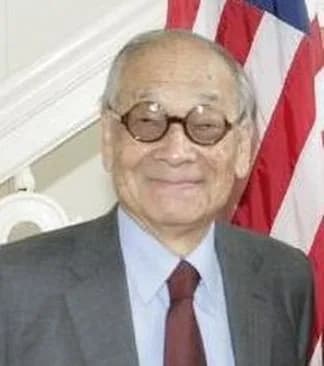
I. M. Pei (1917–2019) was People's Republic of China best known for Chinese-American architect.
Ieoh Ming Pei (1917–2019) was a Chinese-American architect who created iconic buildings including the National Gallery East Wing and Morton H. Myerson Symphony Center. His designs masterfully combined modernist principles with cultural sensitivity. His seven-decade career shaped American architecture through innovative use of light and space.
Поглавље
Поглавља живота
Поглавље 1 · 1917· Поглавље 1 од 6
Early Life and Origins
I. M. Pei was born on April 26, 1917, in Guangzhou, in what is now the People's Republic of China. His early years were spent in a rapidly changing China, where traditional values met modern influences from the West. This cultural duality would later become a defining characteristic of his architectural philosophy, blending Eastern sensibilities with Western modernist principles.
Growing up in a wealthy banking family, Pei was exposed to both Chinese traditional architecture and Western educational opportunities. His family's status afforded him access to quality education and exposure to international ideas that would prove crucial in shaping his future career. The combination of his Chinese heritage and early exposure to Western concepts created the foundation for his unique architectural perspective.
Поглавље 2· Поглавље 2 од 6
Career Beginnings
Pei's journey into architecture began with his immigration to the United States for his education. He pursued his architectural studies at American universities, where he was introduced to modernist principles and contemporary design theories. His early exposure to Western architectural education provided him with the technical skills and theoretical framework that would define his professional approach.
The transition from student to practicing architect marked the beginning of what would become one of the most distinguished careers in modern architecture. His early projects demonstrated a keen understanding of both structural engineering and aesthetic design, setting him apart from his contemporaries and establishing his reputation as an architect capable of handling complex, high-profile commissions.
Поглавље 3· Поглавље 3 од 6
Major Achievements and Career Highlights
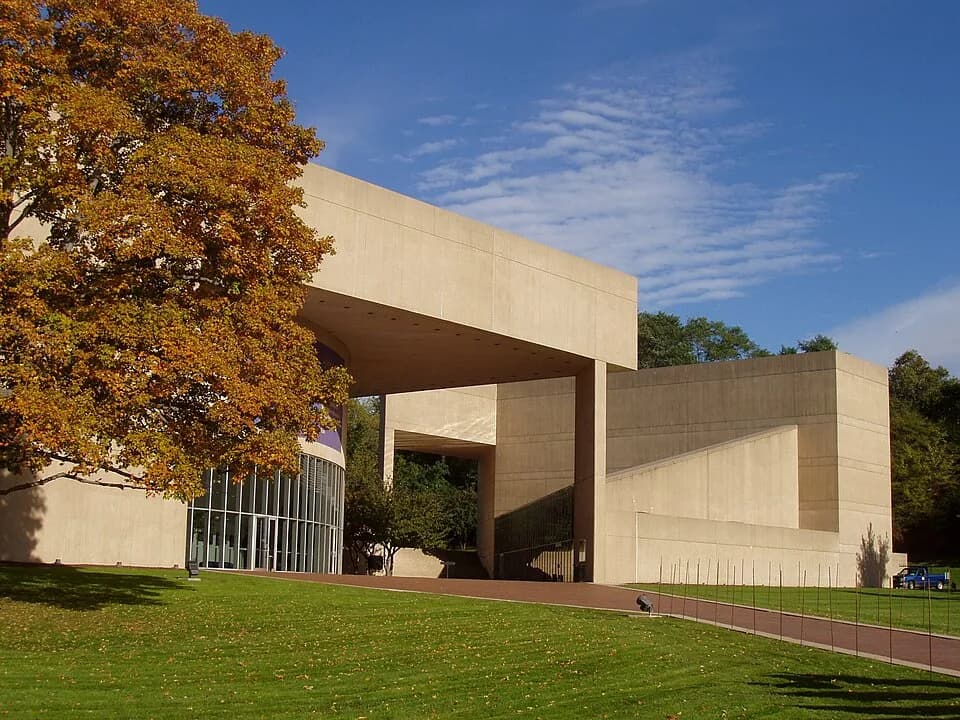
Throughout his career, Pei received numerous prestigious commissions that would cement his status as one of America's leading architects. His work was characterized by clean lines, geometric forms, and the innovative use of materials like concrete, steel, and glass. These elements combined to create buildings that were both functionally efficient and visually striking.
Pei's architectural philosophy emphasized the importance of light, space, and the relationship between buildings and their surrounding environment. His designs often featured dramatic interior spaces, skylights, and carefully planned sight lines that created dynamic experiences for visitors. This approach earned him recognition from both critics and the public, leading to increasingly important commissions throughout his career.
Поглавље 4 · 1969· Поглавље 4 од 6
Notable Works and Contributions
Among Pei's most significant contributions to American architecture was his work on the National Gallery of Art in Washington, DC. His Concept Sketch for the East Wing, created around 1969, demonstrates his approach to expanding one of the nation's premier cultural institutions. The project required careful consideration of both the existing classical architecture and the need for modern gallery spaces suitable for contemporary art.
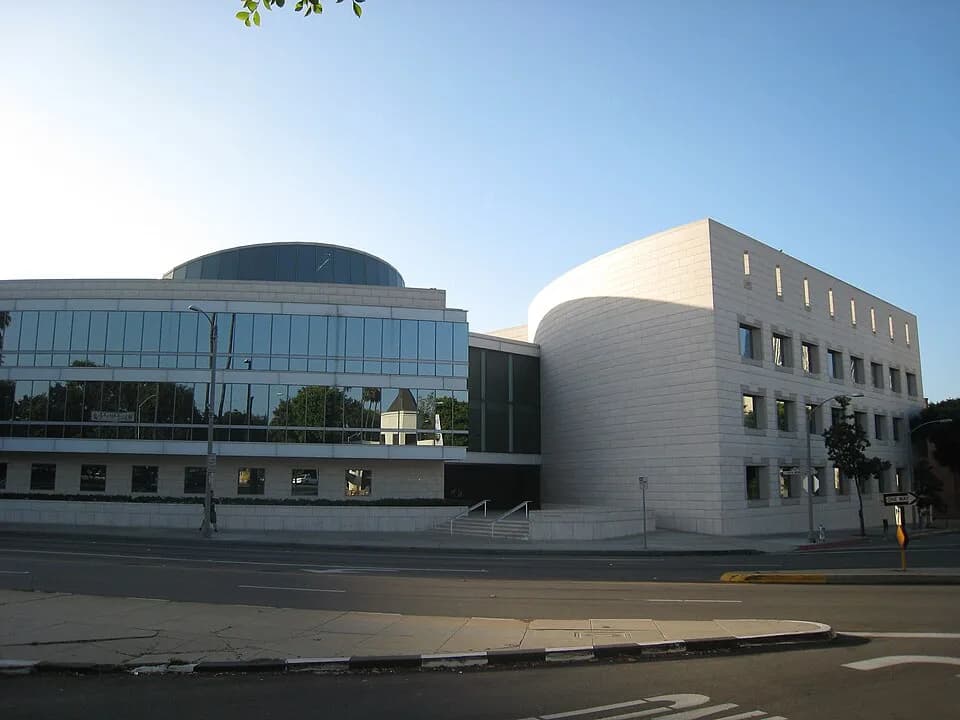
Another major work was the Morton H. Myerson Symphony Center in Dallas, Texas, designed around 1981. This project showcased Pei's ability to create spaces specifically designed for acoustic performance, combining his architectural expertise with the technical requirements of a world-class concert hall. The building became a landmark in Dallas and a model for other performing arts centers.
His design for the John F. Kennedy Library, particularly the Harvard Square Scheme from 1966, represented another significant achievement. This project required sensitivity to both the historical importance of the subject and the urban context of Cambridge, Massachusetts. Pei's approach balanced the memorial aspects of the building with its function as a research library and museum.
Поглавље 5· Поглавље 5 од 6
Later Years
As Pei entered the later phases of his career, he continued to take on challenging projects that pushed the boundaries of architectural design. His experience and reputation allowed him to be selective about his commissions, choosing projects that aligned with his architectural philosophy and offered opportunities for innovation.
Even in his advanced years, Pei remained active in the architectural community, mentoring younger architects and contributing to discussions about the future of architectural design. His longevity in the field allowed him to witness and influence the evolution of architectural practice over several generations, from the modernist movement through the digital age.
Поглавље 6· Поглавље 6 од 6
Legacy and Impact
I. M. Pei's influence on American and international architecture extends far beyond his individual projects. His approach to integrating buildings with their environments, his masterful use of natural light, and his ability to create spaces that serve both functional and symbolic purposes have inspired countless architects who followed in his footsteps.
The buildings he designed continue to serve their communities decades after their completion, demonstrating the enduring value of thoughtful architectural design. His work represents a bridge between Eastern and Western architectural traditions, showing how cultural diversity can enrich the built environment. Pei's death on May 16, 2019, in New York City marked the end of an era, but his contributions to architecture and urban design continue to influence new generations of designers and planners.
Живот у тренуцима
Тренуци који су обликовали живот



Питања
Често постављана
Када је умро/ла I. M. Pei?
I. M. Pei је умро/ла 16. мај 2019. у New York City, United States у 102. години живота.
Где је рођен/а I. M. Pei?
I. M. Pei је рођен/а у Guangzhou, People's Republic of China 26. април 1917..
По чему је I. M. Pei најпознатији/а?
I. M. Pei је најпознатији/а по Chinese-American architect.
Колико је I. M. Pei имао/ла година у тренутку смрти?
I. M. Pei је имао/ла 102 година у тренутку смрти.
Које националности је био/ла I. M. Pei?
I. M. Pei је био/ла из People's Republic of China.
Временска линија
Живот на први поглед
Галерија фотографија
Живот у сликама
Кликните на било који полароид за увећање · 42 фотографија
QR код
Поделите ову биографију
Штампај и подели
Скенирајте да посетите ову биографску страницу. Штампајте за догађаје, изложбе или образовне материјале.