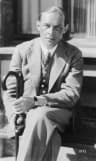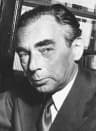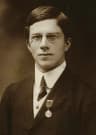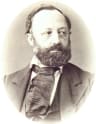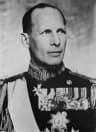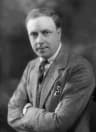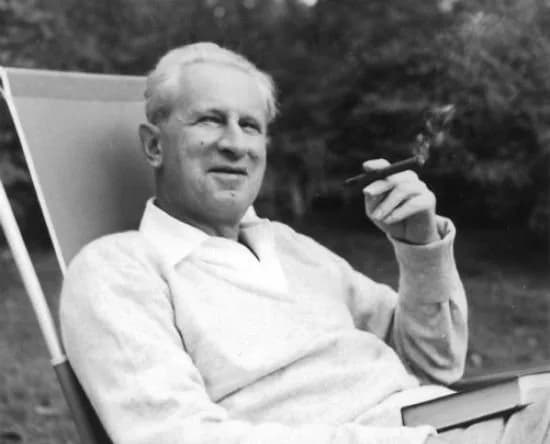
Рођен
July 19, 1898
Berlin, Margraviate of Brandenburg
Преминуо
July 29, 1979
Starnberg, Germany
Познат по
German philosopher, sociologist, and political theorist
Herbert Marcuse (1898–1979) was Margraviate of Brandenburg best known for German philosopher, sociologist, and political theorist.
Herbert Marcuse (July 19, 1898 – July 29, 1979) was a German and American philosopher, social critic, and political theorist associated with the Frankfurt School. He famously critiqued capitalism, modern technology, and popular culture as forms of social control. His influential work continues to shape critical theory and inspire discussions on societal transformation.
Поглавље
Поглавља живота
Поглавље 1 · 1898· Поглавље 1 од 6
Early Life and Origins
Herbert Marcuse was born on July 19, 1898, in Berlin, a vibrant intellectual and cultural center within the Margraviate of Brandenburg. His early life was set against a backdrop of significant historical change in Europe. He embarked on his higher education at the distinguished Friedrich Wilhelm University of Berlin, immersing himself in the philosophical currents of the era.
Later, he transferred to the University of Freiburg, a prominent academic institution known for its rigorous scholarship. It was at the University of Freiburg that Marcuse advanced his studies, diligently pursuing his intellectual interests. His dedication culminated in the successful completion of his doctoral degree, earning him a PhD and solidifying his academic foundations.
Поглавље 2· Поглавље 2 од 6
Career Beginnings
Marcuse’s career truly began to take shape with his pivotal involvement in the Frankfurt-based Institute for Social Research. This institution, which would later achieve global recognition as the Frankfurt School, became the primary intellectual home for a generation of critical theorists. His association with this influential group provided the fertile ground for the development of his unique philosophical perspective and social critique.
It was here that he joined a community of thinkers dedicated to understanding and challenging the prevailing societal norms and power structures. This early period was instrumental in shaping Marcuse into the profound social critic and political theorist he would become, laying the groundwork for his extensive later works.
Поглавље 3· Поглавље 3 од 6
Major Achievements and Career Highlights
Throughout his distinguished career, Herbert Marcuse established himself as a German and American philosopher, social critic, and political theorist of immense consequence. His intellectual contributions were inextricably linked with the Frankfurt School, where his voice was central to critical theory. Marcuse’s work extended beyond mere academic discourse, profoundly influencing student movements and countercultural thought in the mid-20th century.
He masterfully integrated various philosophical traditions to construct a comprehensive critique of modern industrial society. His unique ability to synthesize philosophical thought with sociological analysis became a hallmark of his distinguished career. Marcuse’s consistent engagement with contemporary societal issues positioned him as a vital intellectual figure across continents.
Поглавље 4· Поглавље 4 од 6
Notable Works or Contributions
Marcuse's intellectual output was characterized by a relentless critique of the forces he perceived as suppressing human freedom. In his extensive written works, he meticulously examined and argued that capitalism, modern technology, Soviet Communism, and popular culture functioned as new, subtle forms of social control. These systems, he contended, subtly integrated individuals into a repressive societal apparatus, hindering true liberation.
Among his notable academic publications, L'ontologie de Hegel et la théorie de l'historicité stands out, published in 1991 and accruing 6 citations, indicating its scholarly relevance. Another significant contribution was La fin de l’utopie, released in 1999, which garnered 5 citations and explored the potential for utopian thought in a seemingly post-utopian age. His critical eye also turned to economic structures in Industrialisation et capitalisme, published in 1992, receiving 1 citation. These works, among his 26 recorded papers, collectively represent an h-index of 7, testifying to the breadth and impact of his scholarly endeavors. Further contributions include Herbert Marcuse à Heidegger (1989, 1 citation) and CONTRIBUTION À UNE PHÉNOMÉNOLOGIE DUMATÉRIALISME HISTORIQUE1 (2022, 0 citations).
Поглавље 5· Поглавље 5 од 6
Later Years
Herbert Marcuse continued to be an active and influential thinker well into his later years. His philosophical engagements and social criticisms remained sharp and relevant, attracting both ardent followers and critics from various intellectual circles. He continued to lecture and publish, maintaining his commitment to critical thought and societal analysis.
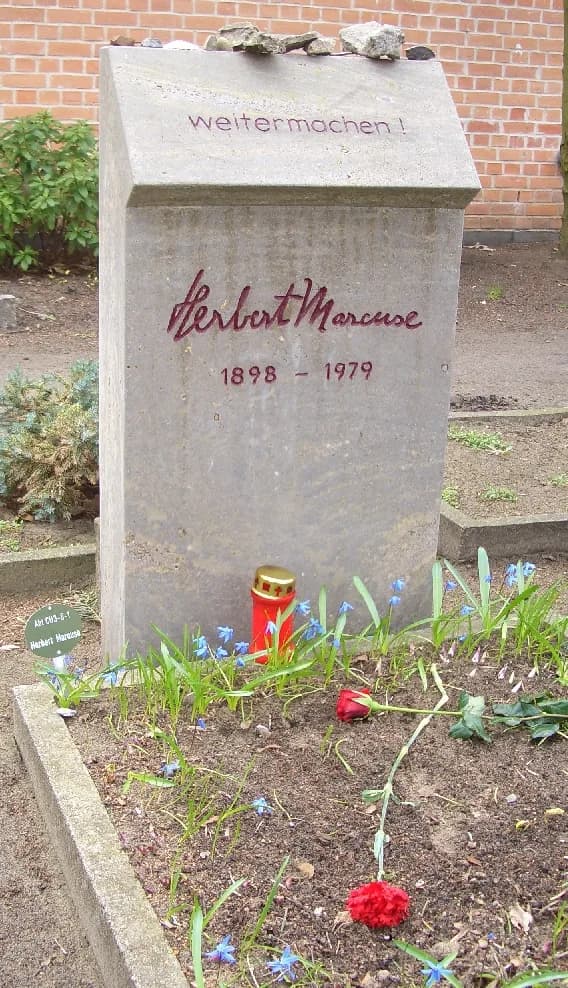
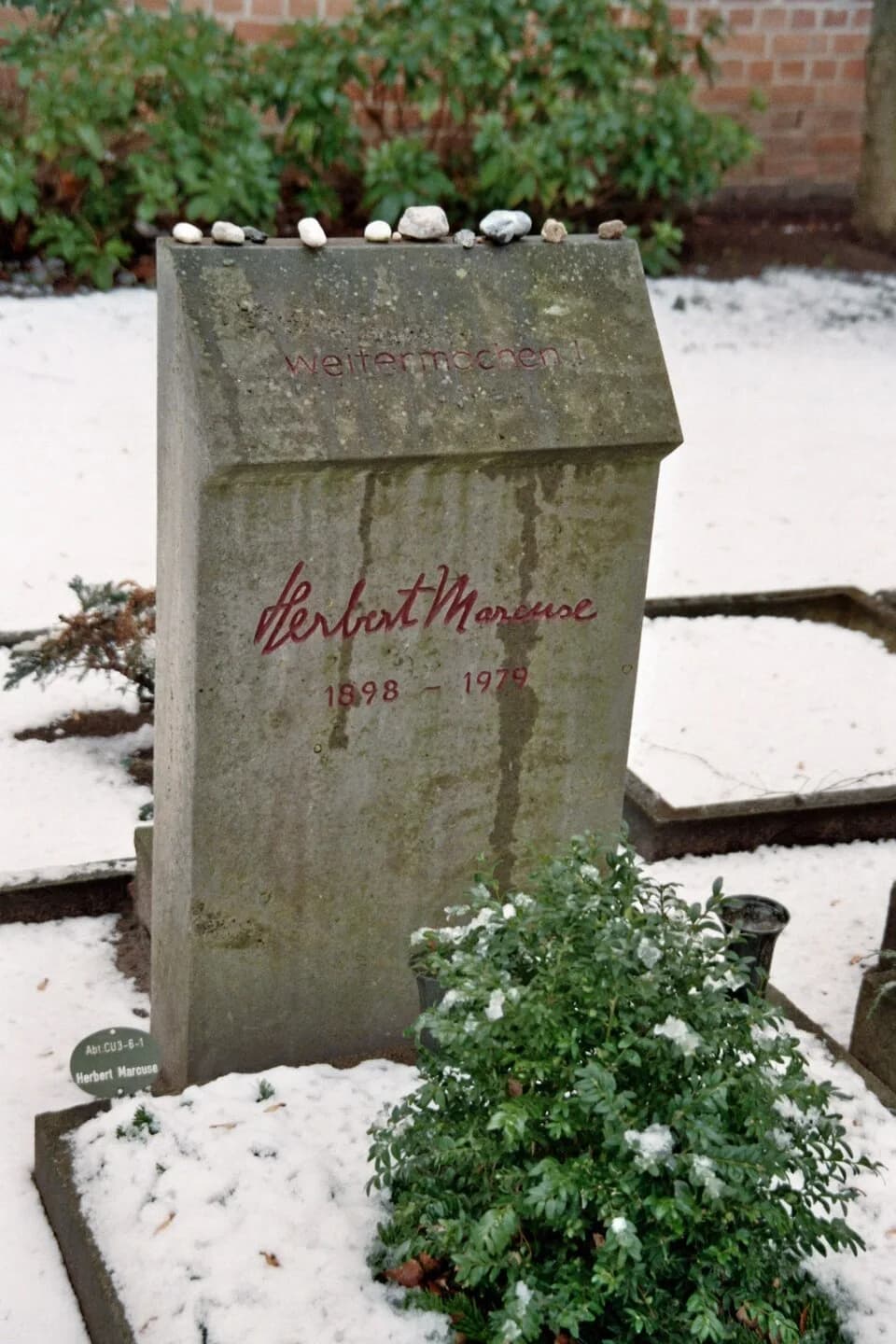
He passed away on July 29, 1979, in Starnberg, Germany, just a few days after celebrating his 81st birthday. His death marked the conclusion of a long and impactful career dedicated to critical thought and social justice. The ideas he cultivated and disseminated during his lifetime continued their journey, shaping intellectual and political discourse long after his passing.
Поглавље 6· Поглавље 6 од 6
Legacy and Impact
The legacy of Herbert Marcuse is deeply ingrained in the fields of philosophy, sociology, and political theory. As a central and defining figure of the Frankfurt School, he fundamentally reshaped critical approaches to understanding modern industrial society and its challenges. His incisive critiques of consumerism, technological rationality, and all forms of authoritarianism continue to offer vital analytical tools for contemporary thinkers.
Marcuse’s work consistently explored themes of alienation, liberation, and the potential for a more rational and humane society. His enduring influence is evident in how his ideas continue to inform and inspire new generations engaged in critical social analysis and the pursuit of social justice. His contributions remain a crucial reference point for anyone seeking to understand the complexities of power, freedom, and cultural criticism in the modern world.
Живот у тренуцима
Тренуци који су обликовали живот
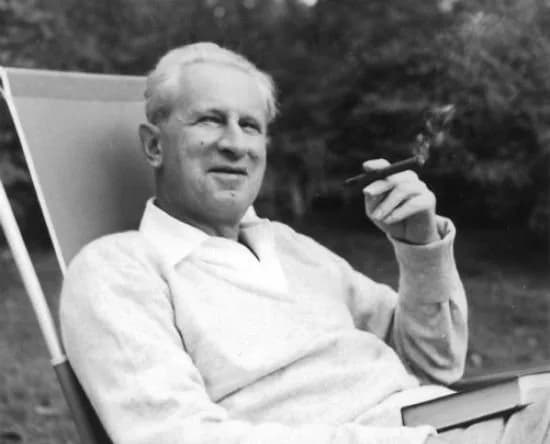
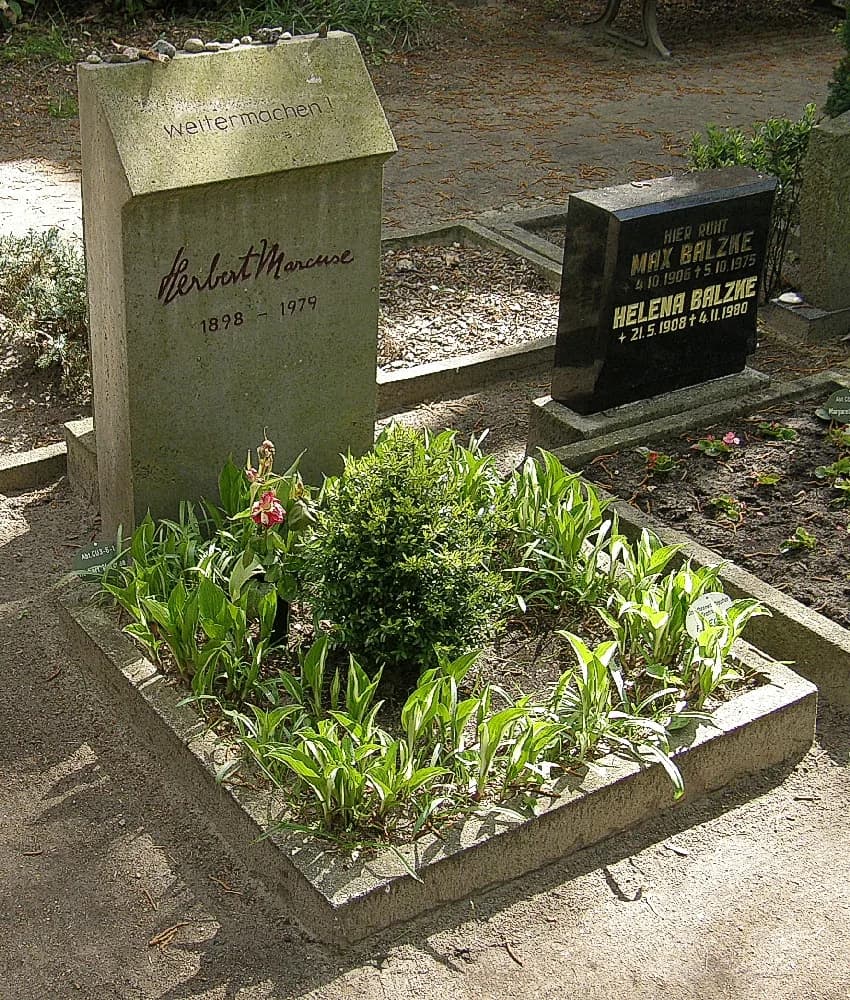
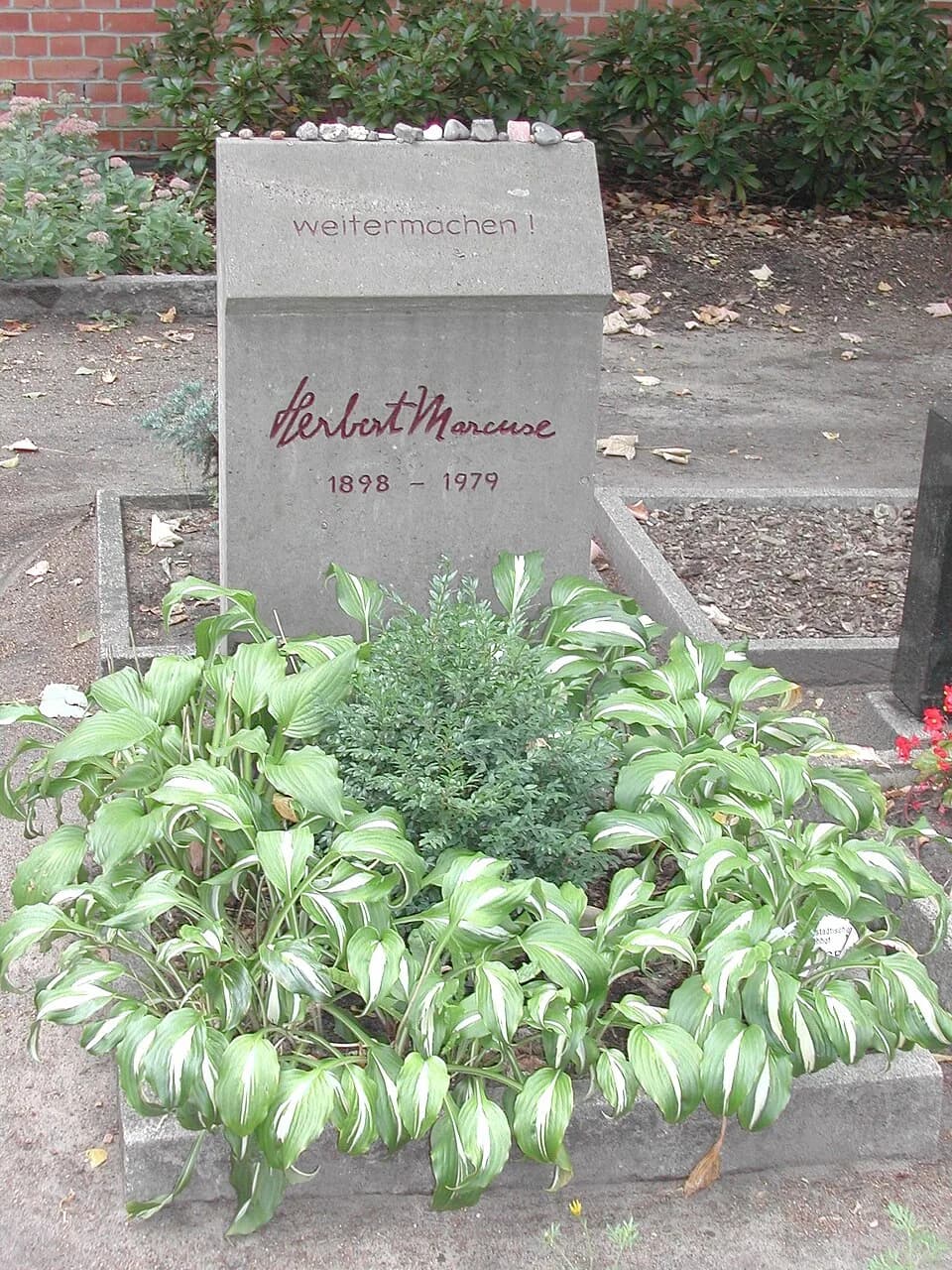
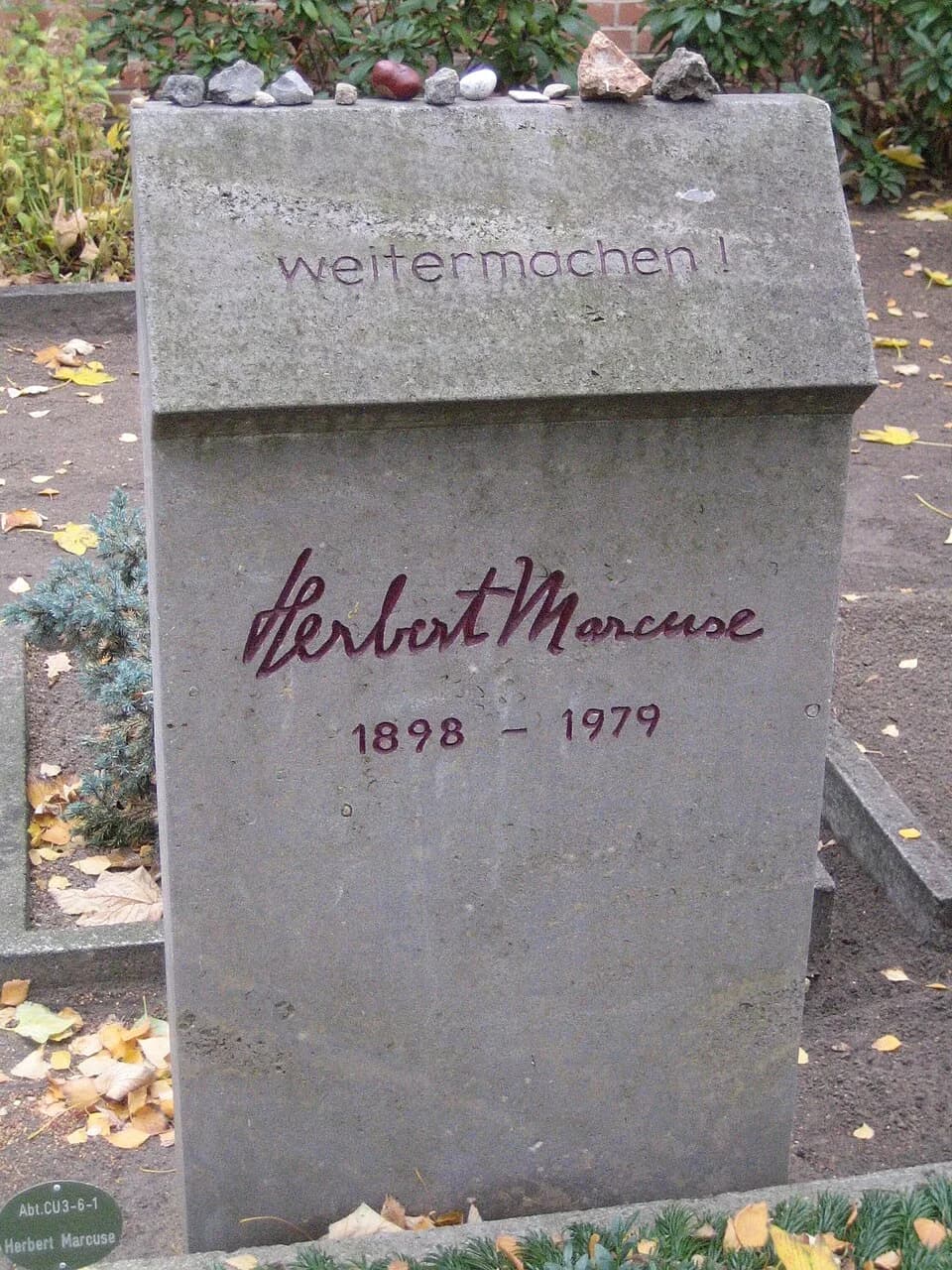
Питања
Често постављана
Када је умро/ла Herbert Marcuse?
Herbert Marcuse је умро/ла 29. јул 1979. у Starnberg, Germany у 81. години живота.
Где је рођен/а Herbert Marcuse?
Herbert Marcuse је рођен/а у Berlin, Margraviate of Brandenburg 19. јул 1898..
По чему је Herbert Marcuse најпознатији/а?
Herbert Marcuse је најпознатији/а по German philosopher, sociologist, and political theorist.
Колико је Herbert Marcuse имао/ла година у тренутку смрти?
Herbert Marcuse је имао/ла 81 година у тренутку смрти.
Које националности је био/ла Herbert Marcuse?
Herbert Marcuse је био/ла из Margraviate of Brandenburg.
Временска линија
Живот на први поглед
Галерија фотографија
Живот у сликама
Кликните на било који полароид за увећање · 47 фотографија
QR код
Поделите ову биографију
Штампај и подели
Скенирајте да посетите ову биографску страницу. Штампајте за догађаје, изложбе или образовне материјале.