Рођен
June 30, 1911
Šeteniai, Lithuania
Преминуо
August 14, 2004
Kraków, Poland
Познат по
Polish-American poet and Nobel laureate
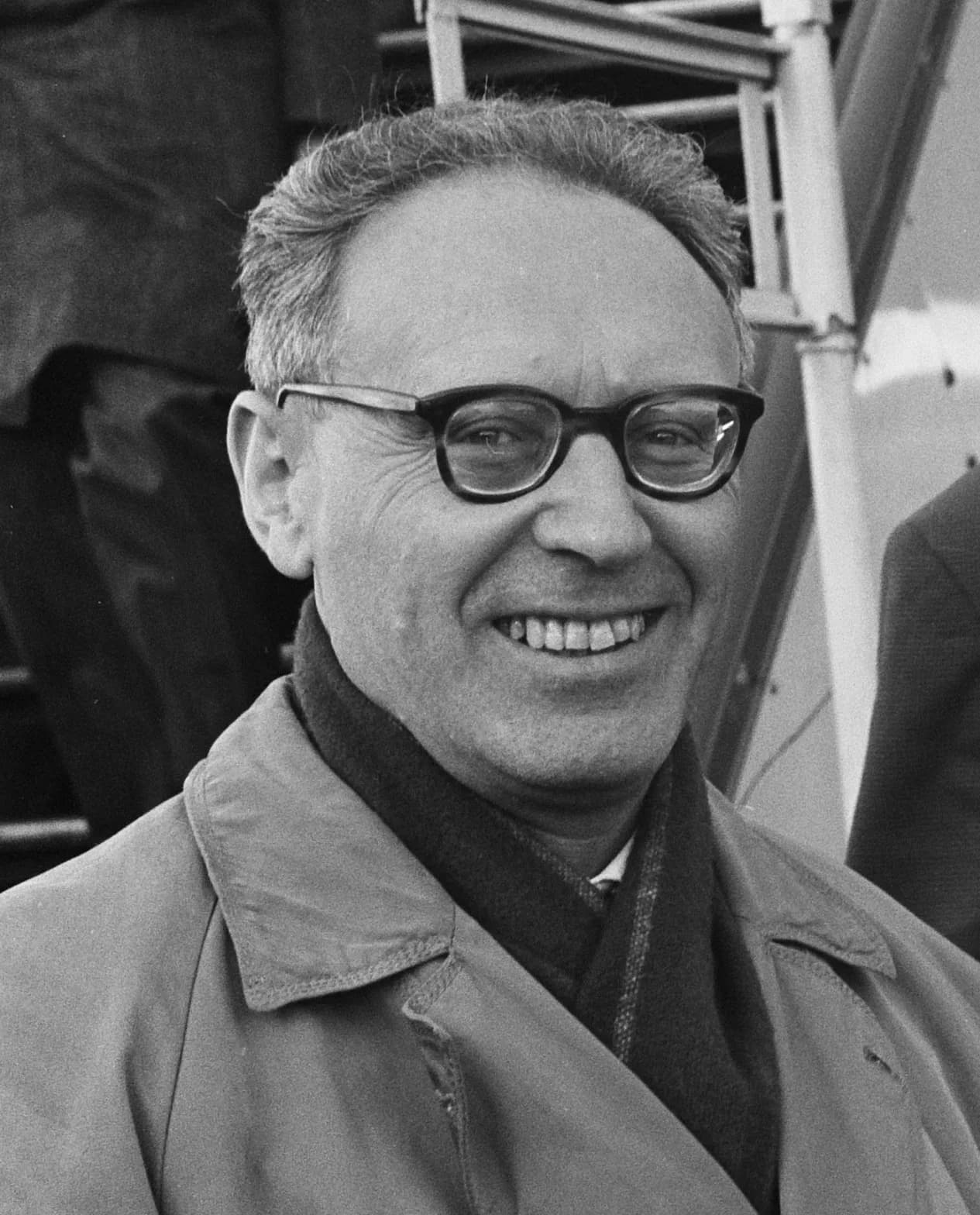
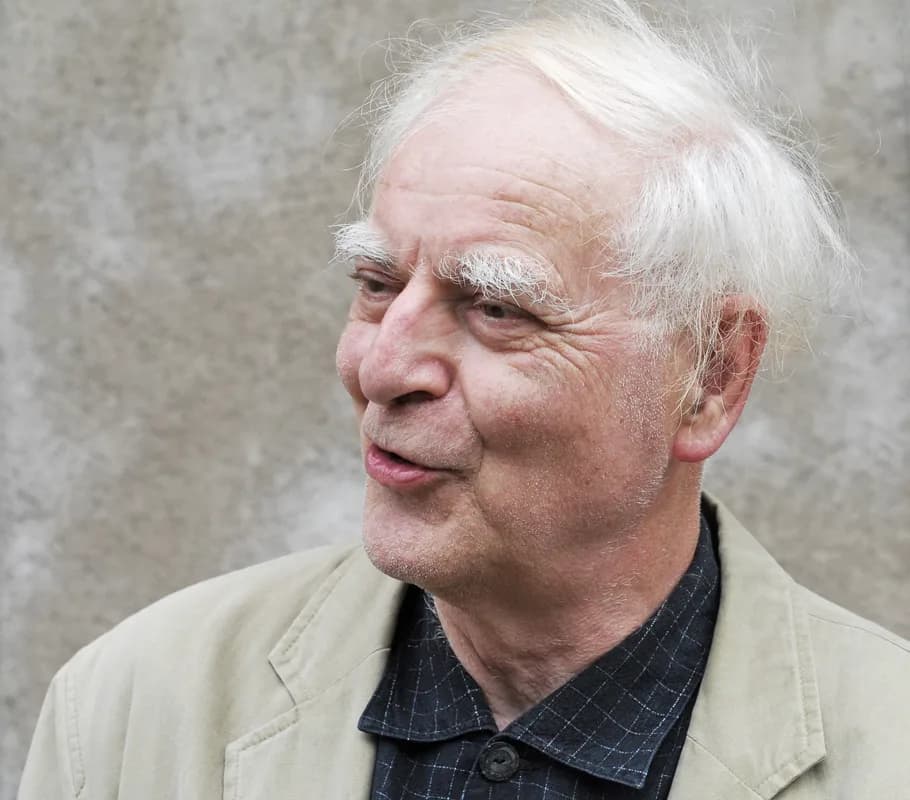
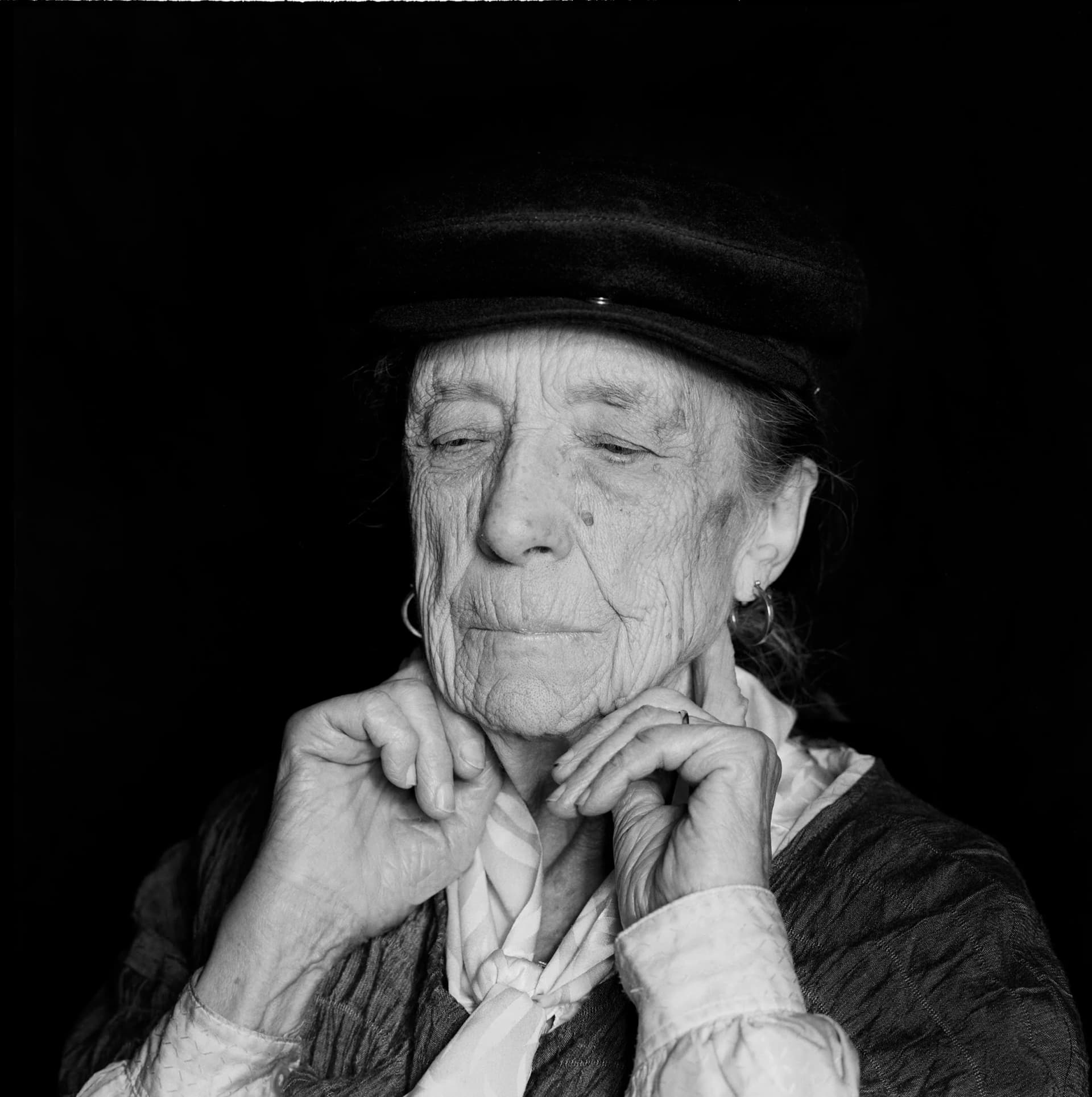
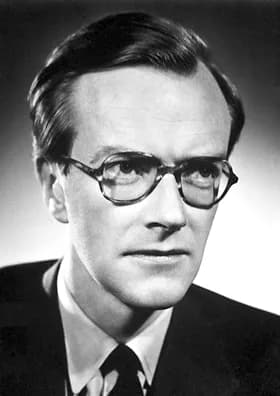
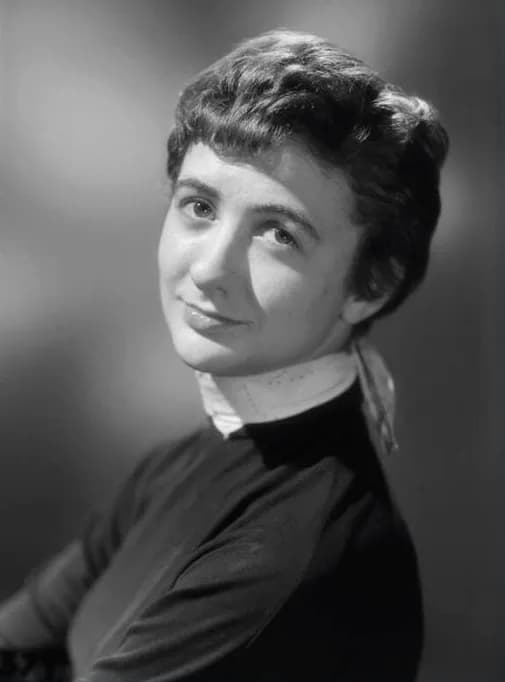
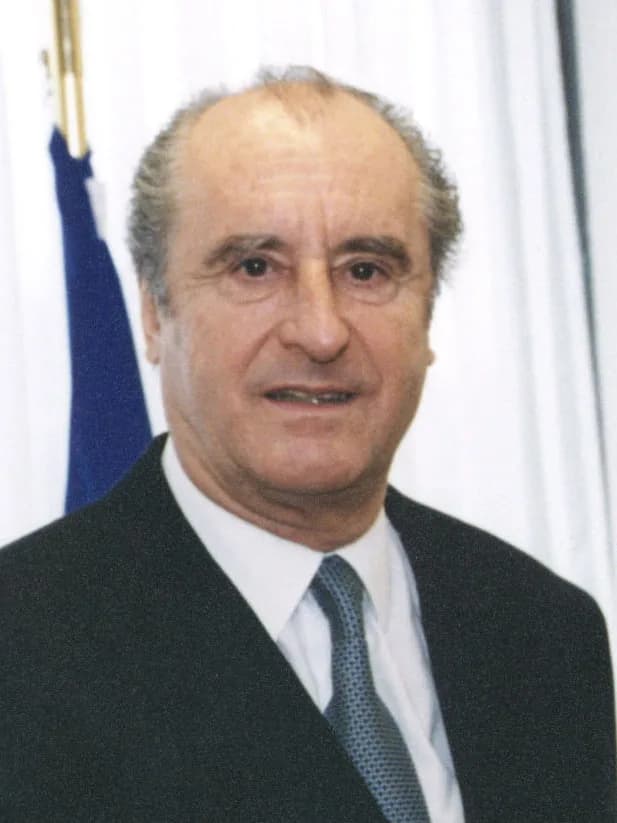
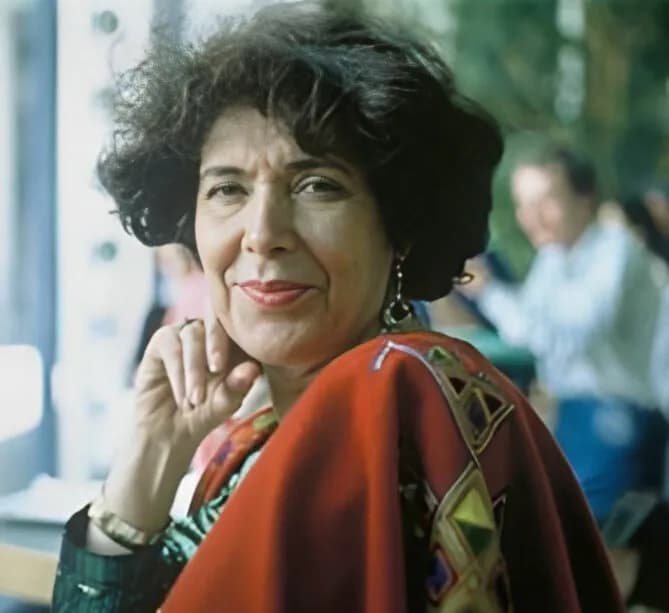
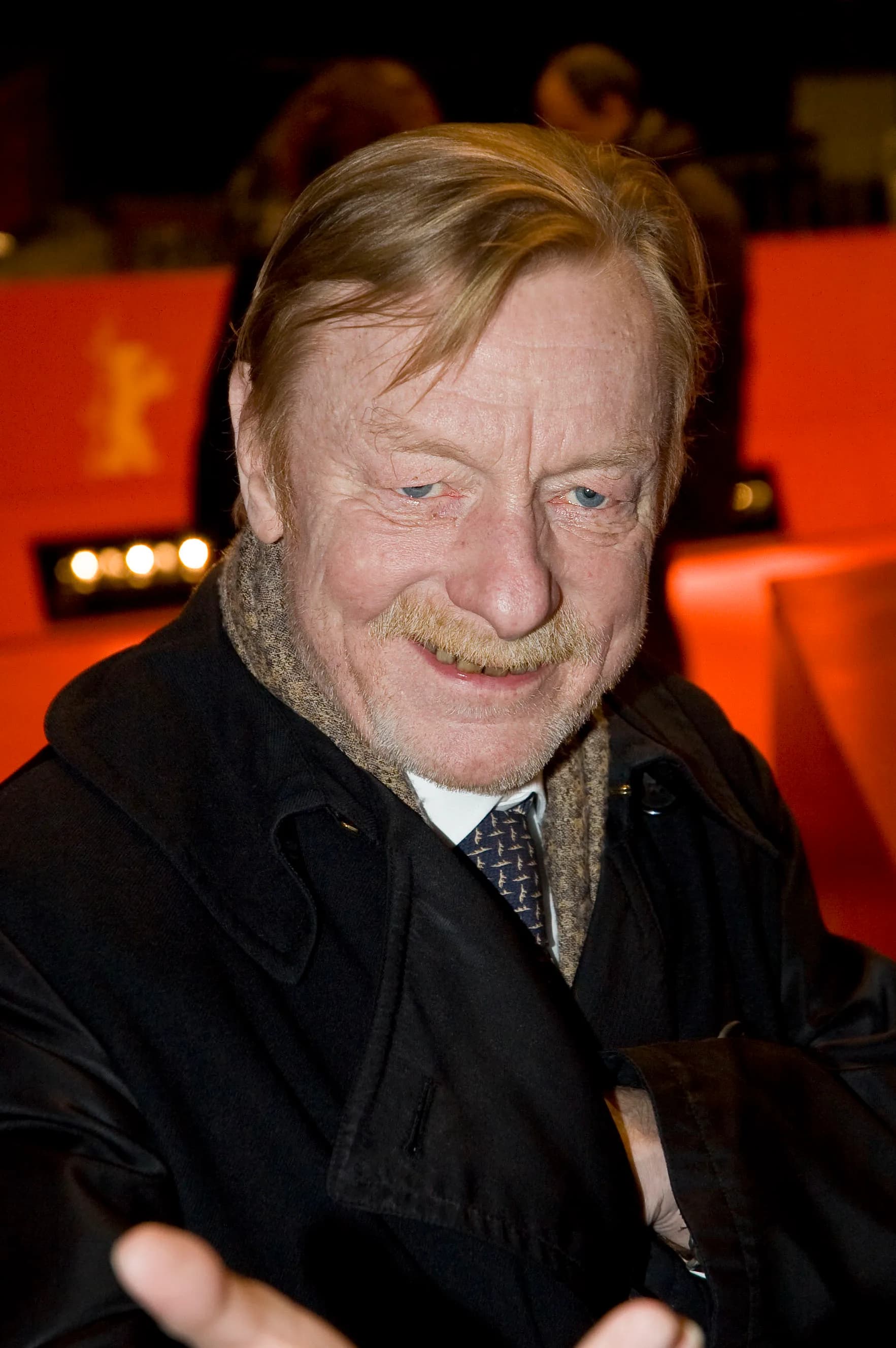
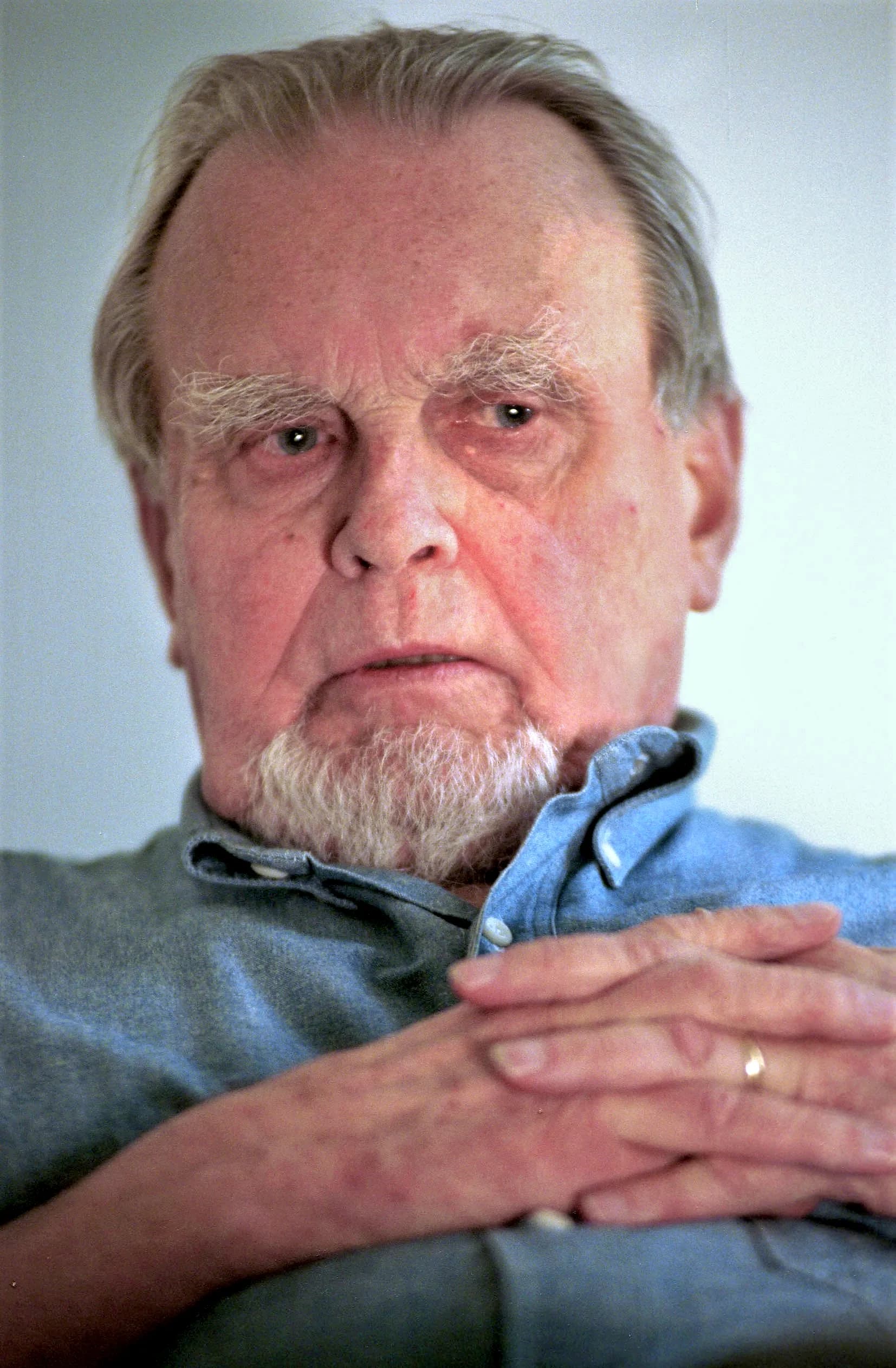
Czesław Miłosz (1911-2004) was a Polish-American poet, prose writer, translator, and diplomat from Lithuania. He won the Nobel Prize in Literature in 1980 for voicing humanity's condition amid global conflicts. His work bridged Eastern European experiences with universal themes.
Живот у тренуцима
Тренуци који су обликовали живот
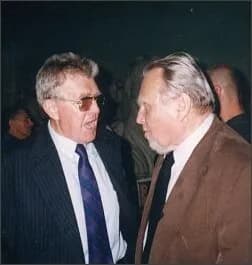
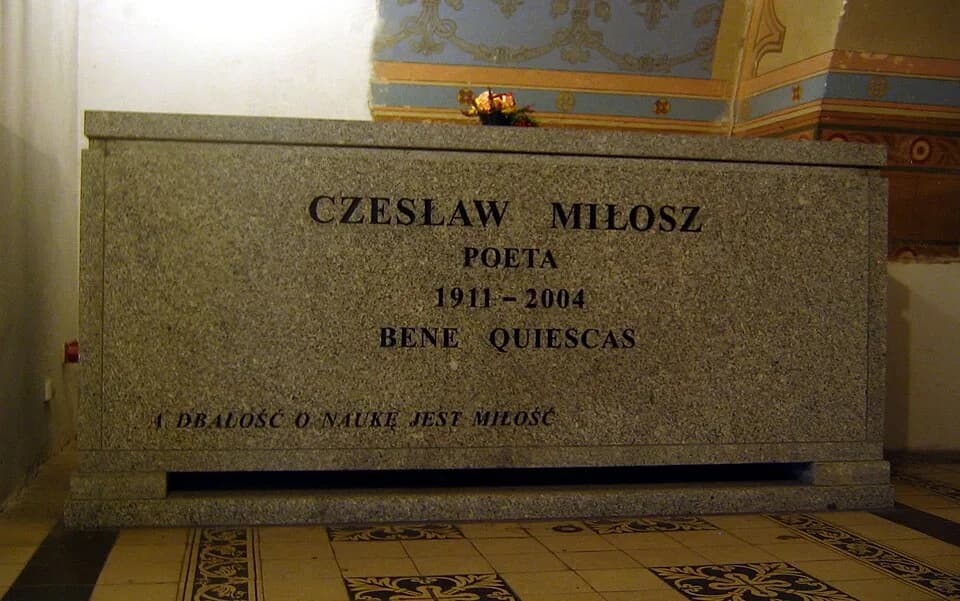
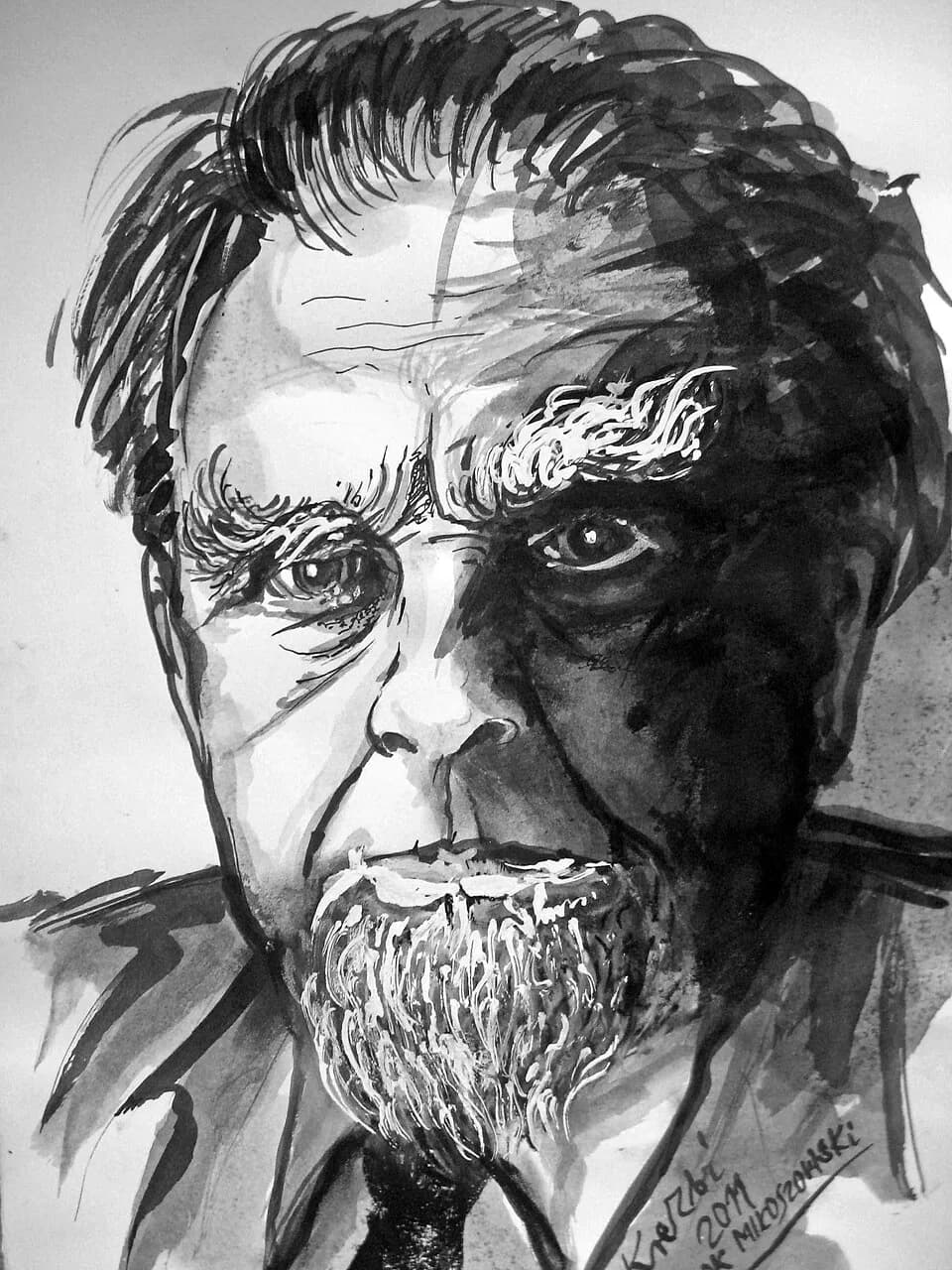
Поглавље
Поглавља живота
Поглавље 1 · 1911· Поглавље 1 од 6
Early Life and Origins
Czesław Miłosz was born on June 30, 1911, in Šeteniai, a small village in Lithuania, during a time when the region experienced significant political and cultural changes. Growing up in this border area between different cultures and languages, Miłosz was exposed early to the complexities of identity and belonging that would later permeate his literary work. His childhood in Lithuania provided him with a unique perspective on the intersection of Polish, Lithuanian, and broader Eastern European cultures.
The young Miłosz received a thorough education that would shape his future as both a scholar and creative writer. His academic background laid the foundation for his later roles as a university teacher, literary historian, and pedagogue. This educational experience in Eastern Europe during the early 20th century exposed him to the political tensions and cultural shifts that would become central themes in his poetry and prose.
Поглавље 2· Поглавље 2 од 6
Career Beginnings
Miłosz began his career with multiple pursuits that reflected his diverse intellectual interests and talents. His early professional life included work as a diplomat, which gave him firsthand experience of international politics and cultural exchange during some of the most turbulent decades of the 20th century. This diplomatic career provided him with insights into the "world of severe conflicts" that the Nobel Committee would later recognize in his literary work.
Simultaneously, Miłosz developed his skills as a translator, a role that would prove essential throughout his career. His translation work allowed him to bridge different linguistic and cultural worlds, bringing Polish literature to international audiences while also making foreign works accessible to Polish readers. This cross-cultural communication became a defining characteristic of his professional identity and artistic mission.
Поглавље 3 · 1980· Поглавље 3 од 6
Major Achievements and Career Highlights
The pinnacle of Miłosz's recognition came in 1980 when he received the Nobel Prize in Literature. The Swedish Academy's citation praised his "uncompromising clear-sightedness" in voicing humanity's vulnerable position amid global conflicts. This international recognition confirmed his status as one of the great poets of the 20th century and brought global attention to his decades of literary achievement.
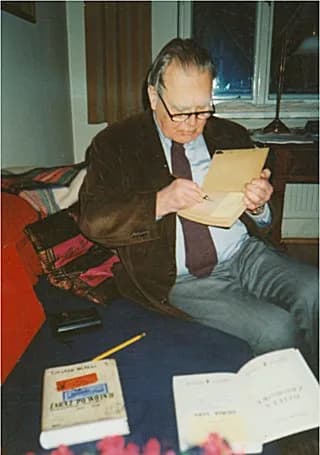
Throughout his career, Miłosz excelled as a university teacher and pedagogue, sharing his knowledge of literature and poetry with new generations of students. His academic work as a literary historian complemented his creative writing, allowing him to contribute to scholarship while continuing to produce original poetry and prose. This dual role as creator and educator enriched both aspects of his professional life and expanded his influence beyond his own creative works.
Поглавље 4· Поглавље 4 од 6
Notable Works and Contributions
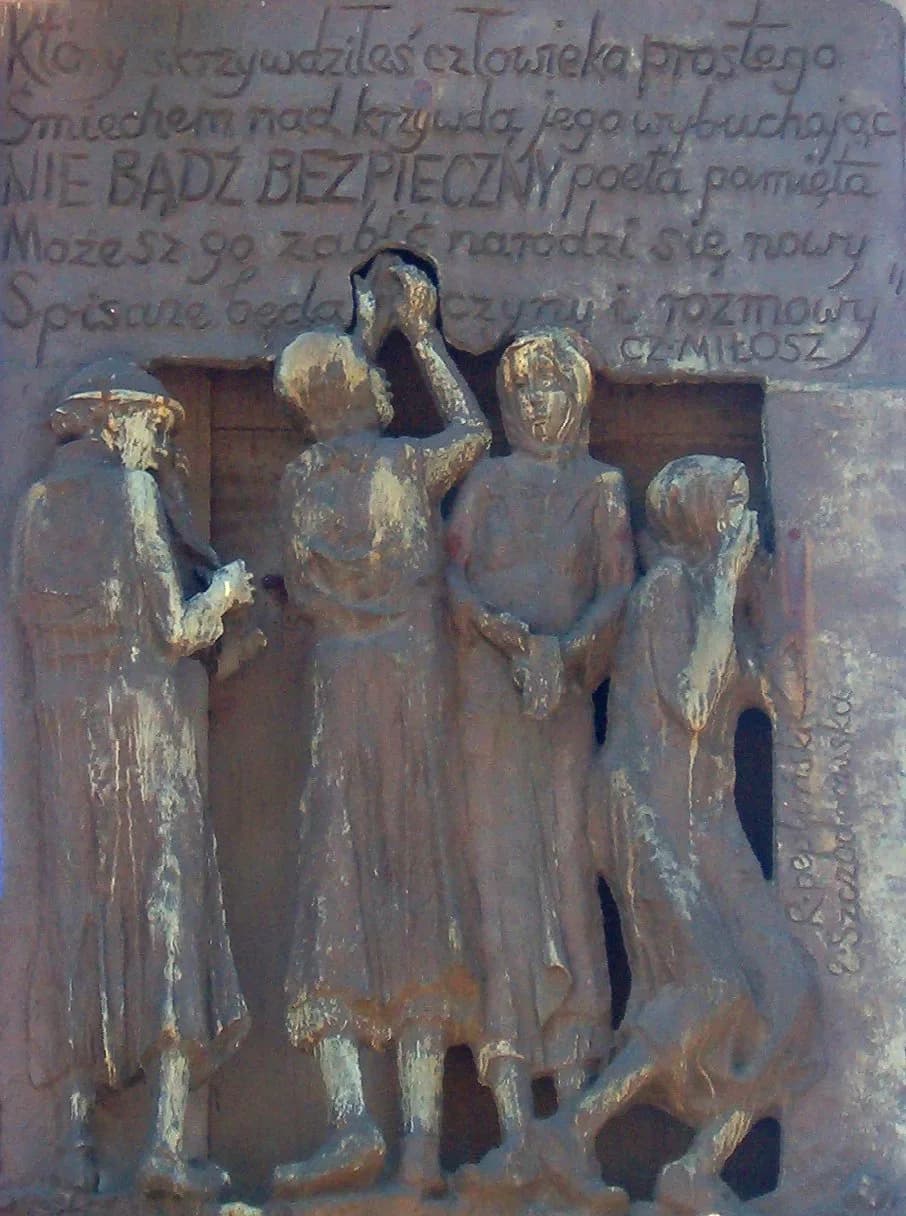
Miłosz's bibliography includes significant works that showcase the range of his literary talents and intellectual interests. Among his notable publications are "Rok myśliwego," "Murti-Bing," "Gucio zaczarowany," and "Polskie kontrasty." These works demonstrate his ability to write across different genres and explore various themes while maintaining his distinctive voice and perspective.
His work "Ziemia Ulro" represents another important contribution to his literary legacy, while "Ewangelia według Marka" shows his engagement with religious and philosophical themes. Additionally, his involvement with "Prentice Hall Literature--World Masterpieces" demonstrates his commitment to education and making great literature accessible to students. His international reach is evident in works like "Življenje na otokih" and "ʻAl gedat ha-nahar," which appeared in different linguistic contexts, reflecting his role as a bridge between cultures.
Поглавље 5· Поглавље 5 од 6
Later Years
In his later years, Miłosz continued to write and teach while maintaining his connection to both his Polish heritage and his adopted American home. His position as a Polish-American writer allowed him to serve as a cultural ambassador, interpreting Eastern European experiences for Western audiences while also bringing global perspectives to his work in Polish literature.
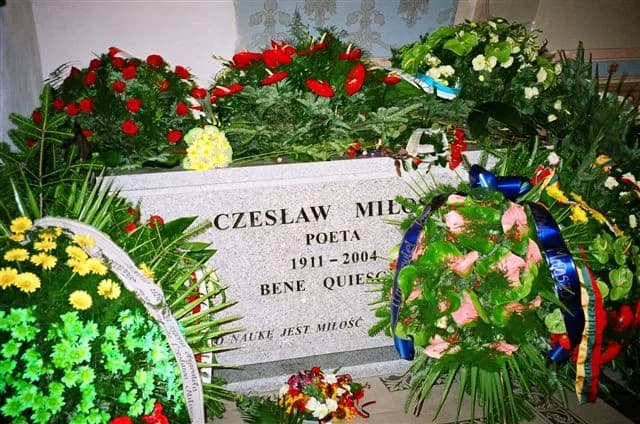
Miłosz spent his final years continuing to contribute to literature and scholarship until his death on August 14, 2004, in Kraków, Poland. His decision to return to Poland for his final years represented a meaningful connection to his cultural roots after decades of international living and working. This return to Kraków symbolized the completion of a life journey that had taken him from rural Lithuania through diplomatic service, academic careers, and international literary recognition.
Поглавље 6· Поглавље 6 од 6
Legacy and Impact
Miłosz's influence on 20th-century literature extends far beyond his Nobel Prize recognition. His work provides essential documentation of the Eastern European experience during decades of war, political upheaval, and social transformation. Through his poetry and prose, he gave voice to experiences of displacement, cultural conflict, and human resilience that resonated with readers worldwide.
His legacy as an educator and translator continues to influence how different cultures understand each other through literature. Miłosz demonstrated that a writer could maintain deep roots in a specific cultural tradition while addressing universal human concerns. His life and work serve as an example of how literature can transcend national boundaries while remaining authentically connected to particular places and experiences. The Swedish Academy's description of him as a voice for "man's exposed condition" captures the enduring relevance of his contribution to world literature.
Питања
Често постављана
Када је умро/ла Czesław Miłosz?
Czesław Miłosz је умро/ла 14. август 2004. у Kraków, Poland у 93. години живота.
Где је рођен/а Czesław Miłosz?
Czesław Miłosz је рођен/а у Šeteniai, Lithuania 30. јун 1911..
По чему је Czesław Miłosz најпознатији/а?
Czesław Miłosz је најпознатији/а по Polish-American poet and Nobel laureate.
Колико је Czesław Miłosz имао/ла година у тренутку смрти?
Czesław Miłosz је имао/ла 93 година у тренутку смрти.
Које националности је био/ла Czesław Miłosz?
Czesław Miłosz је био/ла из Lithuania.
Временска линија
Живот на први поглед
Галерија фотографија
Живот у сликама
Кликните на било који полароид за увећање · 38 фотографија
QR код
Поделите ову биографију
Штампај и подели
Скенирајте да посетите ову биографску страницу. Штампајте за догађаје, изложбе или образовне материјале.