Рођен
June 14, 1736
Angoulême, France
Преминуо
August 23, 1806
Paris, France
Познат по
French physicist
Charles-Augustin de Coulomb (1736–1806) was France best known for French physicist.
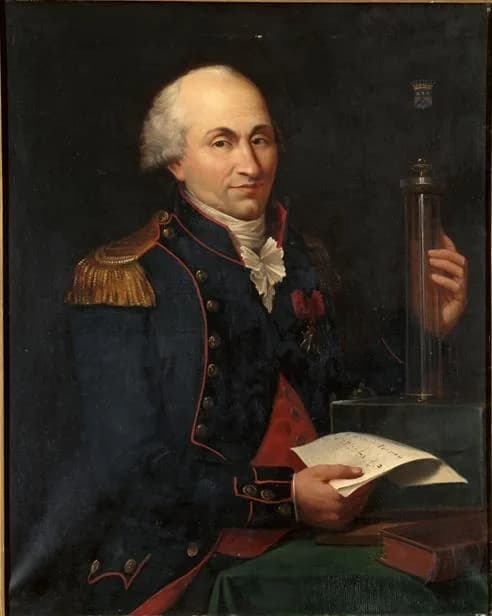
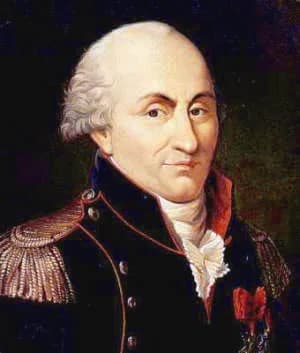
Charles-Augustin de Coulomb (June 14, 1736 – August 23, 1806) was a French physicist from Angoulême. He is celebrated for discovering Coulomb's law, describing electrostatic forces. His work also significantly influenced the fields of friction and soil mechanics, leaving a lasting scientific legacy.
Поглавље
Поглавља живота
Поглавље 1 · 1736· Поглавље 1 од 8
Opening Tribute
Charles-Augustin de Coulomb, a distinguished French physicist, engineer, and military officer, lived from June 14, 1736, to August 23, 1806. His brilliant mind and meticulous experimental work profoundly shaped our understanding of fundamental physical forces. He is primarily celebrated for his discovery of Coulomb's law, a cornerstone of electrostatics, which remains a fundamental principle in physics.
Поглавље 2 · 1736· Поглавље 2 од 8
Early Life and Origins
Charles-Augustin de Coulomb was born on June 14, 1736, in Angoulême, France. While detailed accounts of his early family life and specific upbringing are not extensively provided, his birthplace in Angoulême marks the beginning of a life dedicated to scientific inquiry and public service. His formative years likely laid the foundation for his later rigorous studies in mathematics and engineering, preparing him for a multifaceted career.
Поглавље 3· Поглавље 3 од 8
Career Beginnings
Coulomb embarked on a diverse professional journey, embodying several key roles throughout his life. He began his career as military personnel, a path that led him to become a distinguished engineer and military officer. This early engagement with practical engineering challenges and military service honed his analytical skills and provided a robust foundation for his later scientific pursuits. His experience as a soldier and military engineer undoubtedly influenced his pragmatic approach to scientific problems and experimental design.
Поглавље 4· Поглавље 4 од 8
Major Achievements and Career Highlights
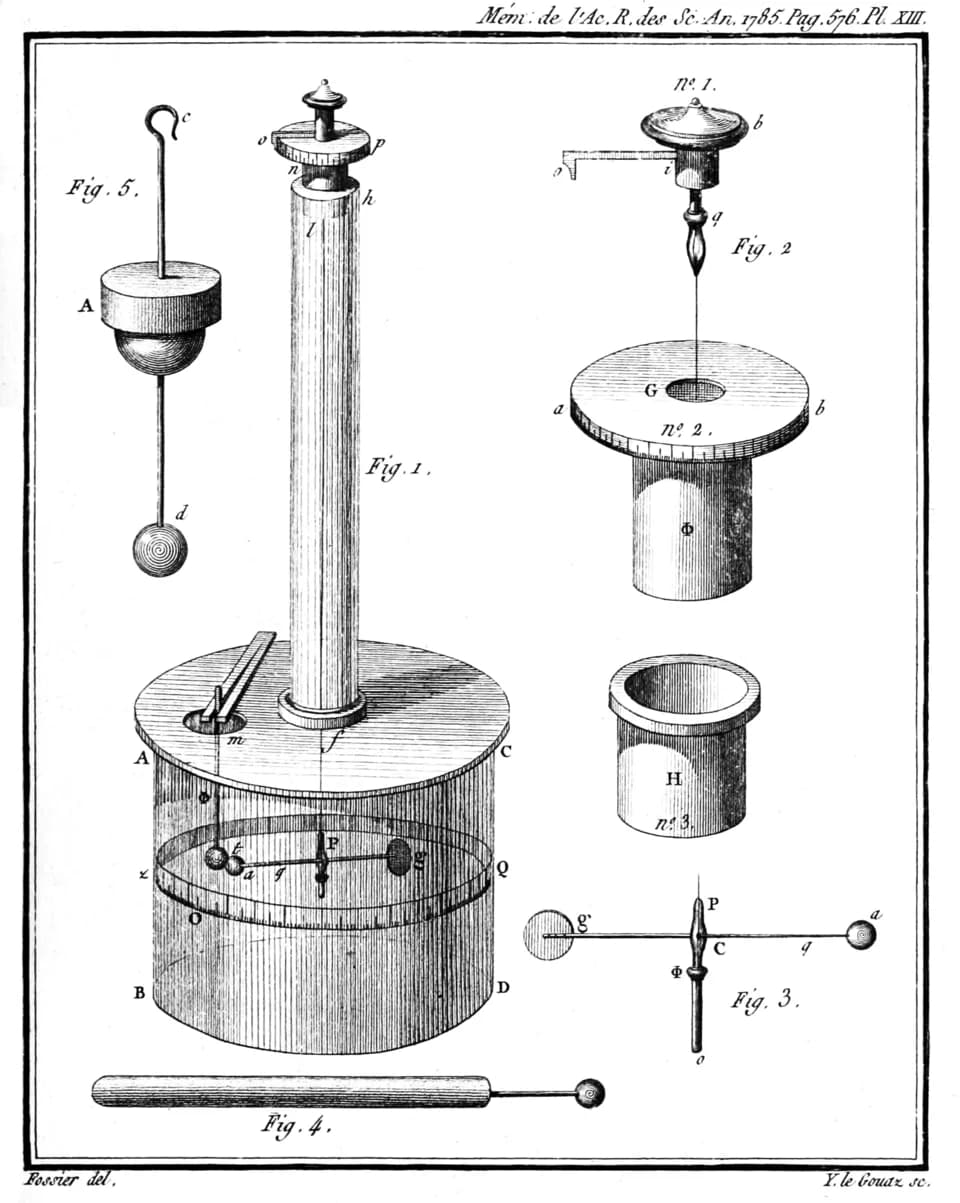
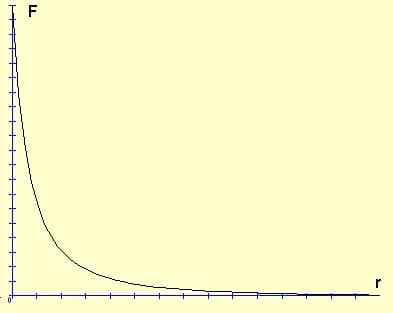
Charles-Augustin de Coulomb is widely recognized for several critical contributions to physics and engineering. His most famous achievement is the formulation of what is now known as Coulomb's law, which precisely describes the electrostatic force of attraction and repulsion between charged objects. This discovery provided a quantitative basis for understanding electricity and magnetism.
Beyond electrostatics, Coulomb also conducted important work on friction, a field crucial for understanding the mechanics of machines and materials. His pioneering work in this area provided foundational insights into how surfaces interact. Furthermore, his research on earth pressure laid fundamental principles that were later developed into the comprehensive science of soil mechanics, demonstrating the breadth of his intellectual curiosity and lasting impact across disciplines.
Поглавље 5· Поглавље 5 од 8
Personal Life
Information regarding Charles-Augustin de Coulomb's personal life, including details about family, relationships, or particular interests outside of his professional work, is not widely available in the provided records. His enduring legacy rests primarily on his significant scientific and engineering contributions and the profound influence they had on subsequent generations of researchers.
Поглавље 6 · 1968· Поглавље 6 од 8
Notable Works or Contributions
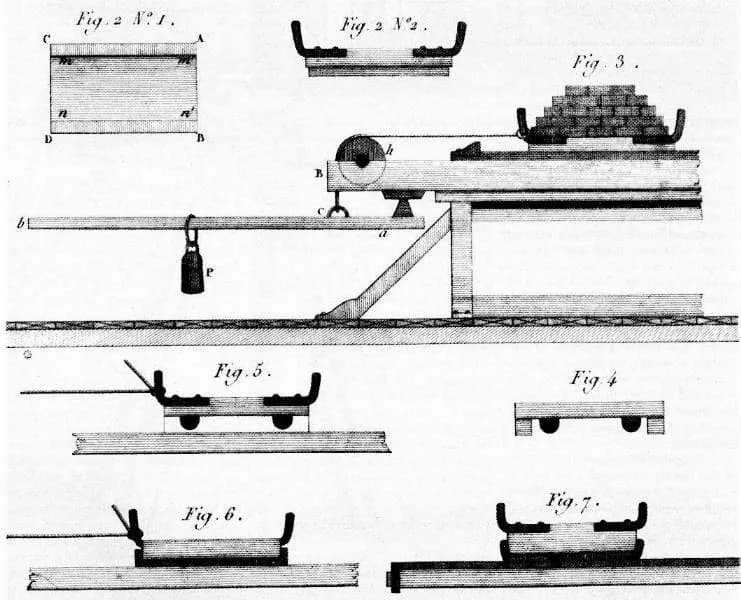
Charles-Augustin de Coulomb’s scientific output, though seemingly concise in volume, was profound in its impact. His most cited work, "Théorie des machines simples, en ayant égard au frottement de leurs parties et a la roideur des cordages," originally published significantly earlier but re-editioned in 1968, garnered substantial attention with 266 citations. This treatise highlighted his deep understanding of mechanical principles and practical applications.
A "Nouvelle édition" of "Théorie des machines simples," further detailing friction and rope stiffness, also received 40 citations, underscoring the enduring relevance of his mechanical research. The "Collection de mémoires relatifs à la physique, publiés par la Société française de physique. Tome I. Mémoires de Coulomb" collected some of his pivotal physical research, accumulating 5 citations. Even later works, like "Nanocomposites industriels simplifiés : analyse structurale et propriétés mécaniques," published in 2013, with 3 citations, demonstrate how his foundational ideas continue to be re-contextualized and applied in modern scientific contexts.
Поглавље 7 · 1806· Поглавље 7 од 8
Later Years
Charles-Augustin de Coulomb continued his scientific endeavors through his later life, consistently pushing the boundaries of knowledge. He passed away on August 23, 1806, in Paris, France, leaving behind a rich legacy of fundamental discoveries. His death in the heart of France's scientific community marked the end of a prolific career that advanced both theoretical physics and practical engineering significantly.
Поглавље 8· Поглавље 8 од 8
Legacy and Impact
The influence of Charles-Augustin de Coulomb's work continues to resonate through modern science and engineering. Coulomb's law remains a fundamental principle taught in physics worldwide, essential for understanding electromagnetism and electrical engineering. His meticulous studies on friction provided critical insights that are still applied in mechanical engineering, design, and materials science.
Moreover, his foundational work on earth pressure was instrumental in paving the way for the later development of soil mechanics, a vital field for civil engineering and construction today. His contributions established rigorous scientific methods in areas previously dominated by empirical observations, cementing his status as a titan whose discoveries laid cornerstones for vast scientific disciplines.
Живот у тренуцима
Тренуци који су обликовали живот
Питања
Често постављана
Када је умро/ла Charles-Augustin de Coulomb?
Charles-Augustin de Coulomb је умро/ла 23. август 1806. у Paris, France у 70. години живота.
Где је рођен/а Charles-Augustin de Coulomb?
Charles-Augustin de Coulomb је рођен/а у Angoulême, France 14. јун 1736..
По чему је Charles-Augustin de Coulomb најпознатији/а?
Charles-Augustin de Coulomb је најпознатији/а по French physicist.
Колико је Charles-Augustin de Coulomb имао/ла година у тренутку смрти?
Charles-Augustin de Coulomb је имао/ла 70 година у тренутку смрти.
Које националности је био/ла Charles-Augustin de Coulomb?
Charles-Augustin de Coulomb је био/ла из France.
Временска линија
Живот на први поглед
Галерија фотографија
Живот у сликама
Кликните на било који полароид за увећање · 39 фотографија
QR код
Поделите ову биографију
Штампај и подели
Скенирајте да посетите ову биографску страницу. Штампајте за догађаје, изложбе или образовне материјале.