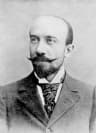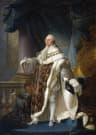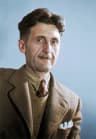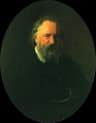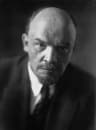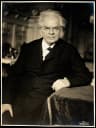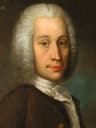
Рођен
December 8, 1723
Edesheim, Germany
Преминуо
January 21, 1789
Paris, France
Познат по
German-born French philosopher
Baron d'Holbach (1723–1789) was Germany best known for German-born French philosopher.
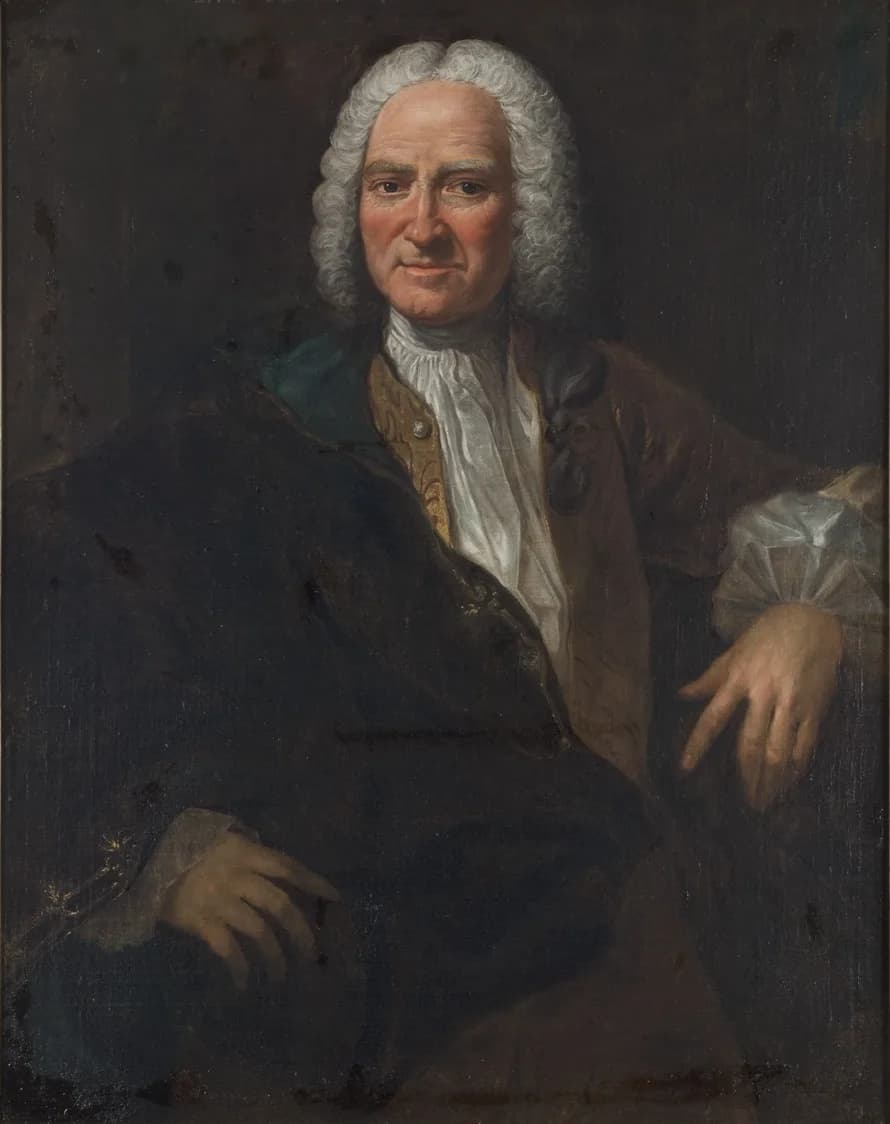
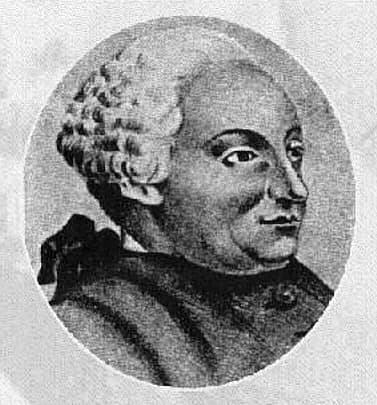
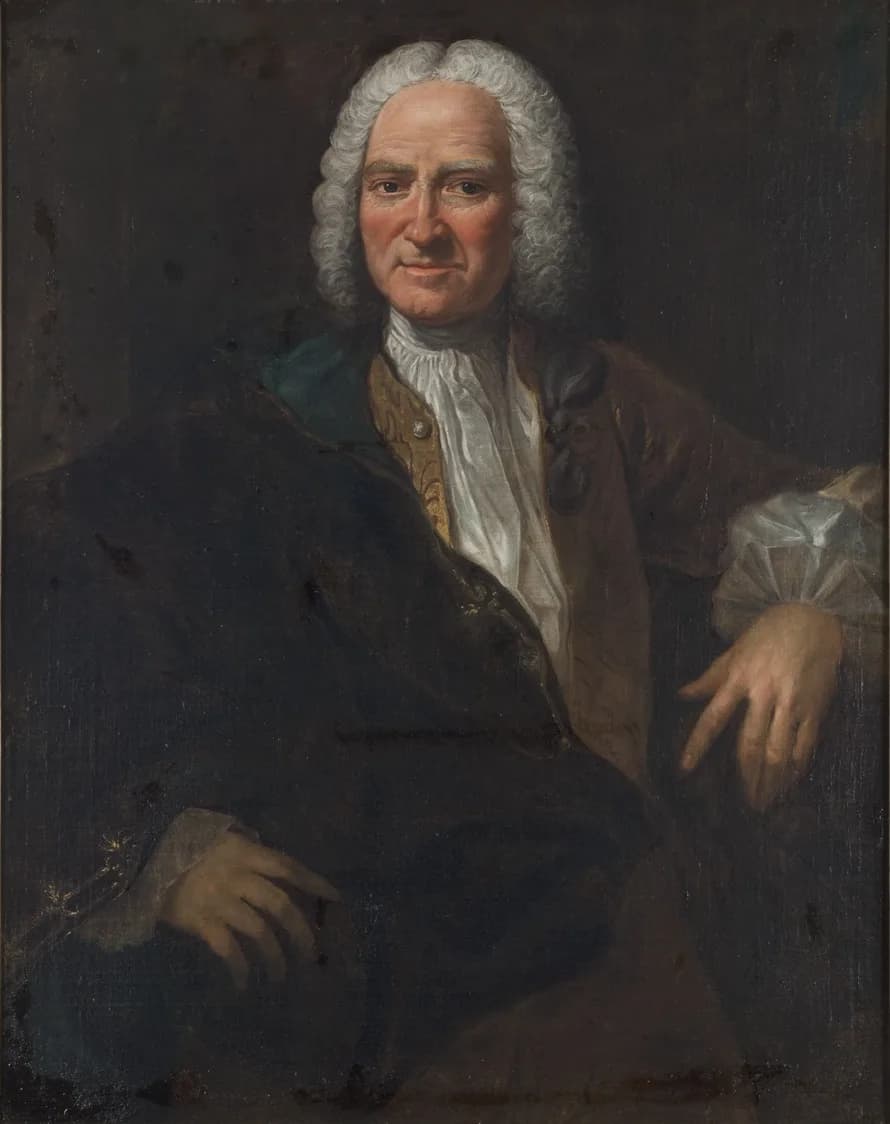
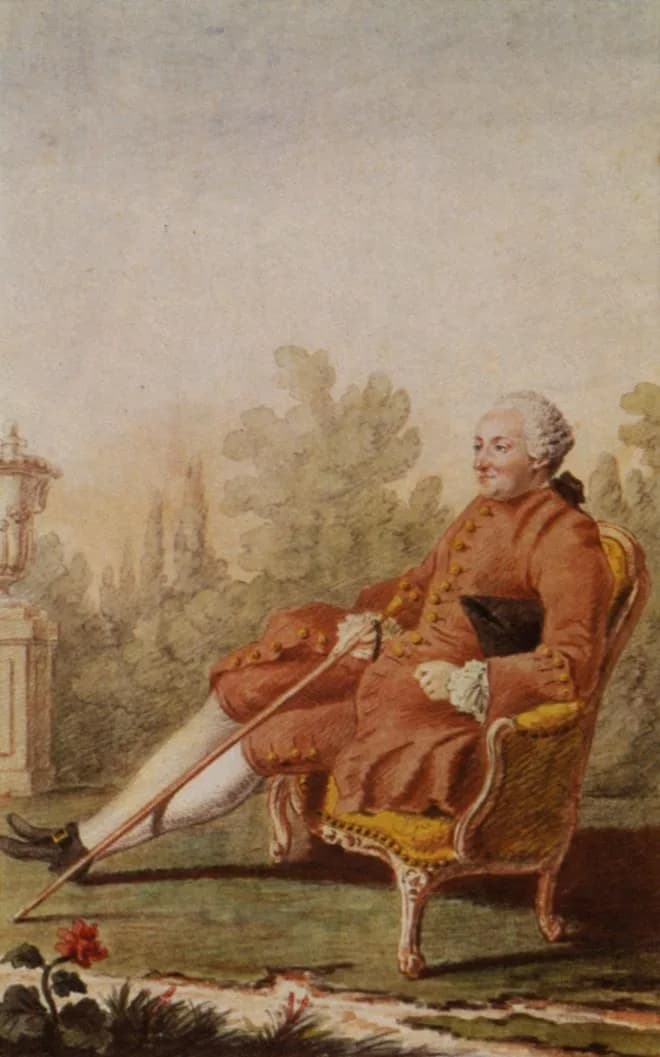
Paul Thiry, Baron d'Holbach (1723-1789) was a German-born French philosopher and key figure of the French Enlightenment. He became famous for his atheistic writings, particularly "The System of Nature" (1770), which challenged religious orthodoxy through materialist philosophy. His Paris salon served as a major center for Enlightenment intellectual exchange.
Поглавље
Поглавља живота
Поглавље 1 · 1723· Поглавље 1 од 7
Early Life and Origins
Born on December 8, 1723, in Edesheim, near Landau in the Rhenish Palatinate, Paul Thiry would later adopt the title Baron d'Holbach. The Rhenish Palatinate region, with its complex political and religious landscape, provided young d'Holbach with early exposure to diverse intellectual traditions. His German origins would later influence his role in spreading Protestant and German thought throughout France, particularly in scientific fields.
Though details of his early education remain limited from available records, d'Holbach's later multilingual abilities as a translator suggest a solid classical education. His move from the German territories to France represented more than just a change of residence—it marked the beginning of a life dedicated to bridging intellectual traditions across national boundaries.
Поглавље 2· Поглавље 2 од 7
Career Beginnings
D'Holbach's early career in Paris encompassed multiple disciplines, reflecting the Renaissance ideal of the universal scholar. He worked as a lawyer while pursuing interests in chemistry and translation. His linguistic skills proved valuable in an age when scientific and philosophical works often needed translation to reach broader audiences. This multilingual competence would later serve him well as he helped disseminate German and Protestant intellectual traditions in Catholic France.
His role as an encyclopédiste connected him with the ambitious project of Denis Diderot and Jean le Rond d'Alembert's Encyclopédie. This massive undertaking aimed to compile and organize human knowledge, and d'Holbach's contributions helped spread scientific understanding to educated French society. His involvement in this project established his reputation among Paris intellectuals and positioned him at the center of Enlightenment discourse.
Поглавље 3 · 1770· Поглавље 3 од 7
Major Achievements and Career Highlights
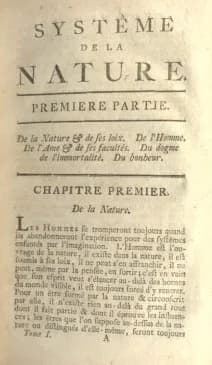
D'Holbach's most significant achievement was his philosophical challenge to religious orthodoxy through systematic atheistic writings. His masterwork, "The System of Nature" (1770), presented a materialist view of the universe that denied supernatural explanations for natural phenomena. This work caused considerable controversy by arguing that everything in existence could be explained through natural laws and material processes, eliminating the need for divine intervention.
"The Universal Morality" (1776) continued his philosophical project by proposing ethical systems based on reason rather than religious doctrine. These works positioned d'Holbach as one of the most radical thinkers of his era, going further than many contemporary philosophers who, while critical of organized religion, still maintained belief in a divine creator. His willingness to embrace complete atheism set him apart from contemporaries like Voltaire, who maintained deistic beliefs.
Поглавље 4· Поглавље 4 од 7
Personal Life
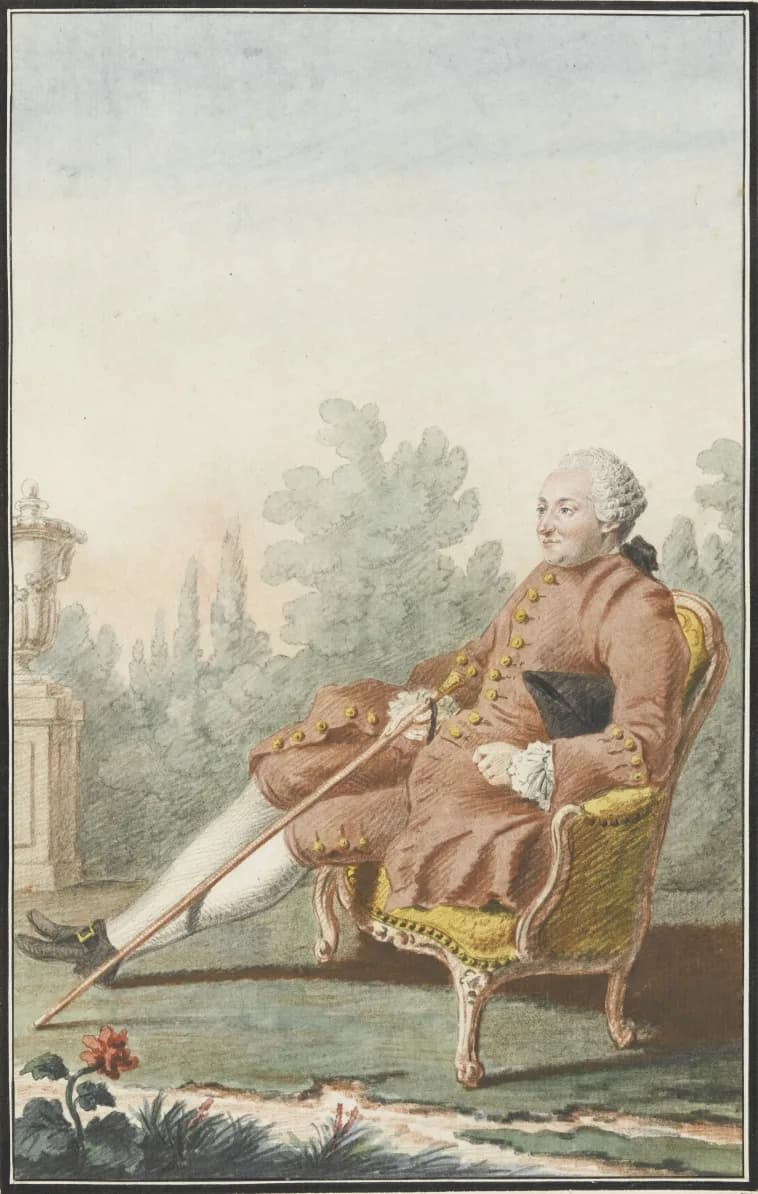
D'Holbach maintained a famous salon in Paris, which became a gathering place for leading intellectuals of the Enlightenment. As a salonnière, he facilitated discussions among philosophers, scientists, and writers, creating a space where controversial ideas could be debated freely. His salon attracted figures from across Europe, making his home a center of international intellectual exchange.
His role as both host and participant in these gatherings demonstrated his commitment to the Enlightenment ideal of open intellectual discourse. The salon tradition allowed him to influence thought not just through his writings but through direct personal interaction with other leading minds of his time.
Поглавље 5· Поглавље 5 од 7
Notable Works and Contributions
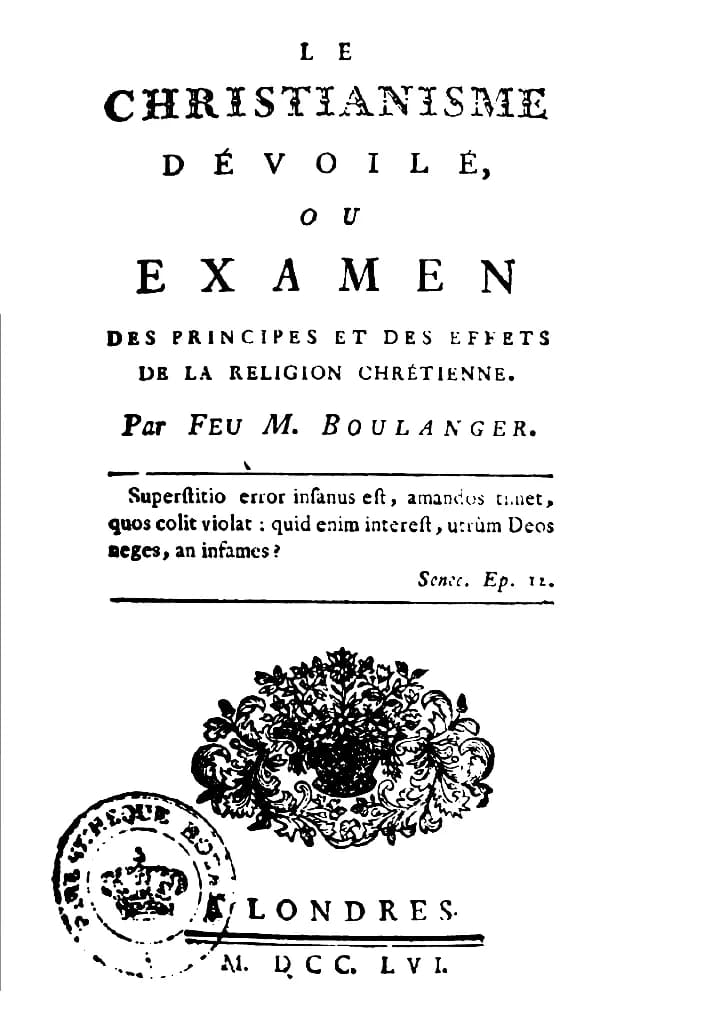
Beyond his major philosophical treatises, d'Holbach produced an extensive body of work addressing various aspects of religion, politics, and social organization. "Good Sense, or Natural Ideas Opposed to Supernatural" challenged religious thinking by advocating for rational approaches to understanding the world. His "Ecce homo! or, A Critical Inquiry into the History of Jesus Christ" applied historical criticism to religious texts, questioning traditional Christian narratives.
His political writings included "La politique naturelle, ou, Discours sur les vrais principes du gouvernement" and "Systême social. Ou Principes naturels de la morale et de la politique," which outlined his views on governance and social organization based on naturalistic principles rather than divine authority. "Essai sur les préjugés" examined how opinions and prejudices influence human behavior and social happiness, demonstrating his interest in practical applications of philosophical thinking.
D'Holbach also translated and promoted the work of other thinkers, including "Der gesunde Menschenverstand von Pfarrer Jean Meslier," helping to spread radical religious criticism across linguistic boundaries. His "Pocket Theology" provided accessible critiques of religious doctrine for general readers, showing his commitment to public education on philosophical matters.
Поглавље 6· Поглавље 6 од 7
Later Years
Throughout his later career, d'Holbach continued his intellectual activities despite the controversial nature of his ideas. His writings faced censorship and condemnation from religious authorities, but he persisted in developing and refining his philosophical positions. The salon he maintained remained active, providing a consistent forum for Enlightenment discourse even as political tensions grew in pre-revolutionary France.
His influence extended beyond his immediate circle through the circulation of his works, many of which were published anonymously or pseudonymously due to their controversial content. This period saw the development of his most systematic thinking about society, morality, and human nature, building upon his earlier critiques of religion to construct positive alternatives.
Поглавље 7 · 1789· Поглавље 7 од 7
Legacy and Impact
Baron d'Holbach died on January 21, 1789, just months before the French Revolution would transform the society in which he had worked for decades. His atheistic materialism and critiques of religious authority anticipated many of the anti-clerical attitudes that would emerge during the Revolution. His emphasis on reason and natural law over traditional authority contributed to the intellectual foundation for revolutionary change.
His influence on subsequent philosophical development proved lasting, particularly in the areas of materialism and atheistic thought. Later thinkers drew upon his systematic rejection of supernatural explanations and his attempts to ground ethics in natural rather than divine law. His work helped establish atheism as a legitimate philosophical position rather than mere religious rebellion, contributing to the secularization of European intellectual life that would continue through the 19th and 20th centuries.
Живот у тренуцима
Тренуци који су обликовали живот
Питања
Често постављана
Када је умро/ла Baron d'Holbach?
Baron d'Holbach је умро/ла 21. јануар 1789. у Paris, France у 65. години живота.
Где је рођен/а Baron d'Holbach?
Baron d'Holbach је рођен/а у Edesheim, Germany 8. децембар 1723..
По чему је Baron d'Holbach најпознатији/а?
Baron d'Holbach је најпознатији/а по German-born French philosopher.
Колико је Baron d'Holbach имао/ла година у тренутку смрти?
Baron d'Holbach је имао/ла 65 година у тренутку смрти.
Које националности је био/ла Baron d'Holbach?
Baron d'Holbach је био/ла из Germany.
Временска линија
Живот на први поглед
Галерија фотографија
Живот у сликама
Кликните на било који полароид за увећање · 45 фотографија
QR код
Поделите ову биографију
Штампај и подели
Скенирајте да посетите ову биографску страницу. Штампајте за догађаје, изложбе или образовне материјале.