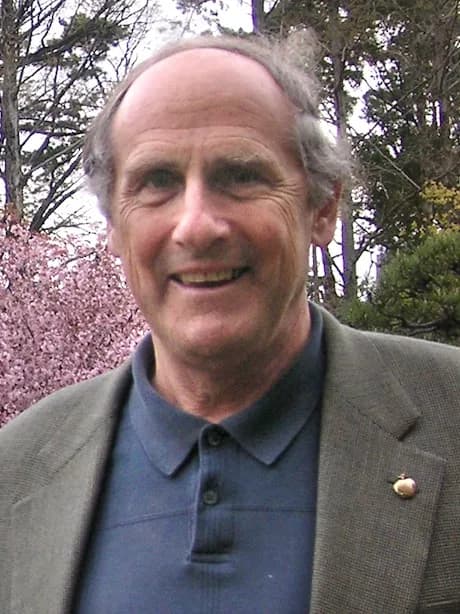
Narodený(á)
January 14, 1943
Montreal, Canada
Zomrel(a)
September 30, 2011
Manhattan, United States
Známy(a) ako
Canadian immunologist and cell biologist
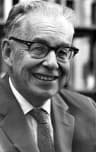
Ralph Steinman (1943–2011) was Canada best known for Canadian immunologist and cell biologist.
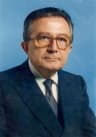
Ralph Marvin Steinman (January 14, 1943 – September 30, 2011) was a Canadian immunologist and cell biologist. He discovered dendritic cells in 1973, a pivotal contribution to understanding the immune system. His pioneering work earned him a posthumous 2011 Nobel Prize in Physiology or Medicine.
Kapitola
Životné kapitoly
Kapitola 1 · 1943· Kapitola 1 z 8
Opening
Ralph Steinman, born January 14, 1943, and passed away on September 30, 2011, was a distinguished Canadian immunologist and cell biologist whose foundational research significantly advanced medical understanding. He dedicated his professional life as a physician, professor, biologist, researcher, and immunologist to uncovering the secrets of the human body's defense mechanisms. His most celebrated achievement was the discovery and naming of dendritic cells in 1973, an accomplishment that revolutionized the field and earned him a share of the 2011 Nobel Prize in Physiology or Medicine.
Kapitola 2 · 1943· Kapitola 2 z 8
Early Life and Origins
Ralph Marvin Steinman began his journey in Montreal, Canada, where he was born on January 14, 1943. While specific details of his upbringing are not widely documented, his early life in Montreal undoubtedly laid the groundwork for his intellectual curiosity and future scientific pursuits. This period of his life fostered an environment conducive to academic excellence and a deep interest in the biological sciences, ultimately guiding him towards a path of medical research and discovery.
Kapitola 3 · 1973· Kapitola 3 z 8
Career Beginnings
Steinman's academic and professional path led him to the prestigious Rockefeller University, where he began his career as a medical researcher. It was during his tenure as a postdoctoral fellow in the laboratory of Zanvil A. Cohn that he embarked on the research that would define his legacy. This crucial period, starting in 1973, marked the inception of his work on immune cells and the fundamental mechanisms governing immunity. His early investigations were meticulous, setting the stage for one of immunology's most significant discoveries.
Kapitola 4 · 1973· Kapitola 4 z 8
Major Achievements and Career Highlights
The year 1973 stands as a landmark in Ralph Steinman's career and in the history of immunology. While working diligently at Rockefeller University, he meticulously identified and named a previously uncharacterized type of immune cell: the dendritic cell. This discovery was truly groundbreaking because these cells were found to be critical initiators of adaptive immune responses, essentially serving as "sentinels" that alert the rest of the immune system to threats.
This revelation profoundly impacted the understanding of immune regulation, vaccine development, and the pathology of various diseases. His discovery established how the immune system could recognize and respond to foreign invaders, acting as a crucial bridge between innate and adaptive immunity. Throughout his career, Steinman continued to elaborate on the function and significance of dendritic cells, publishing numerous papers that detailed their roles in immune activation and tolerance.
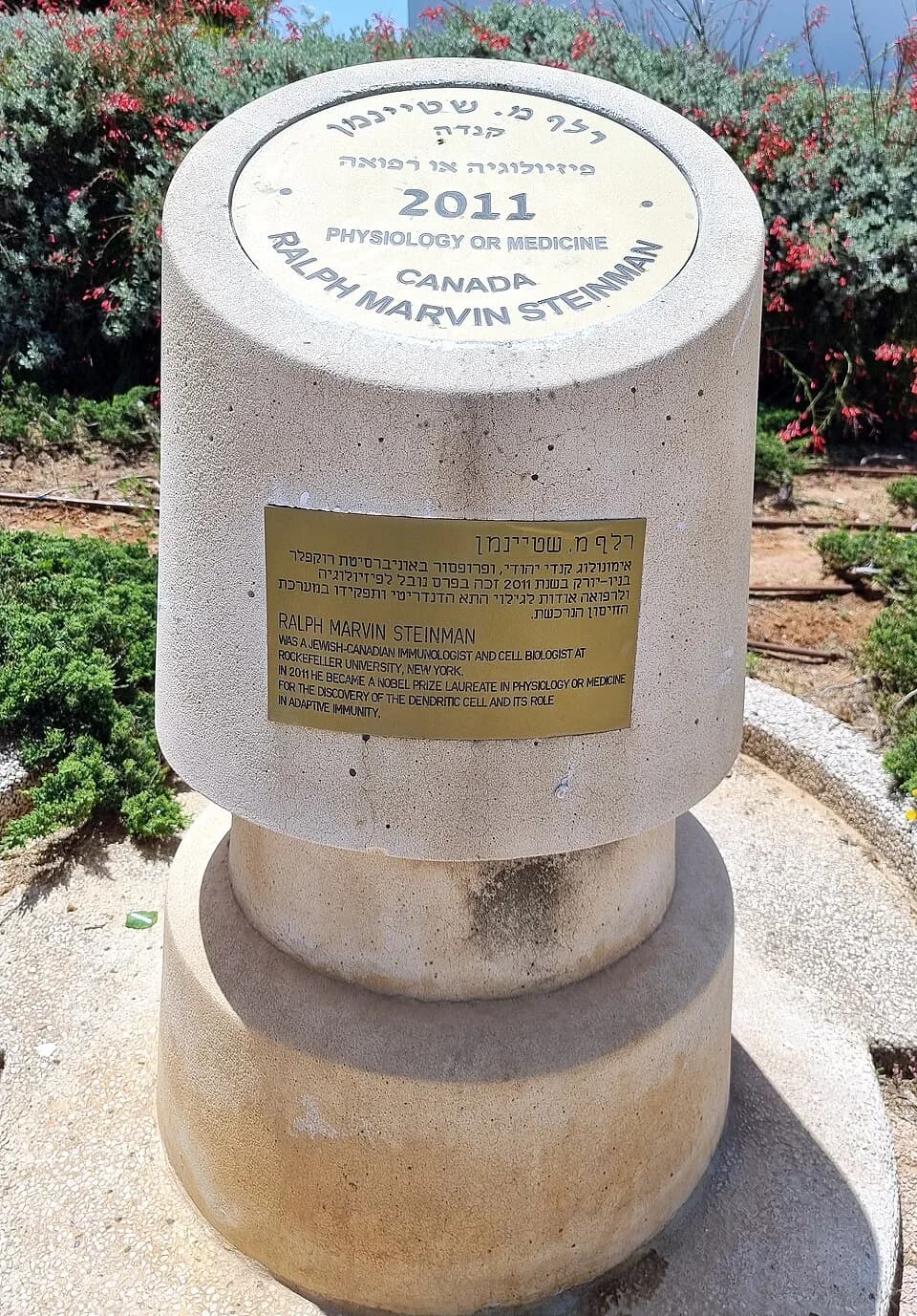
His lifelong dedication to unraveling the mysteries of the immune system culminated in the remarkable recognition of being one of the recipients of the 2011 Nobel Prize in Physiology or Medicine. This posthumous award specifically honored his pivotal work on dendritic cells and their role in adaptive immunity. The Nobel committee's decision underscored the immense and lasting scientific value of his contributions to global health and biological understanding.
Kapitola 5· Kapitola 5 z 8
Personal Life
The biographical information available for Ralph Steinman primarily highlights his significant professional and academic contributions to science. Details regarding his personal life, family dynamics, specific hobbies outside of his research, or intimate relationships are not extensively provided within the available records. It is clear, however, that his scientific endeavors and his role as a dedicated physician, professor, and researcher formed the central focus of his existence, driving his pursuit of knowledge and discovery. His commitment to research was a defining characteristic, leaving behind a legacy rooted deeply in his professional accomplishments.
Kapitola 6 · 1996· Kapitola 6 z 8
Notable Works or Contributions
Ralph Steinman's academic output demonstrates a consistent engagement with cutting-edge immunological and medical research, reflected in his h-index of 3 across 6 papers. His most highly cited work, "Langerhans cell (eosinophilic) granulomatosis. A clinicopathologic study encompassing 50 years," published in 1996, garnered an impressive 280 citations. This particular study showcased his expertise in clinicopathologic analysis and its application to understanding rare diseases.
Early in his career, in 1975, he co-authored "Self-inoculation with milk as a cause of recurrent cellulitis," which received 20 citations, demonstrating his broad clinical interests and early engagement in practical medical problems. Furthermore, his collaborative efforts included "15 – The Immunologic Properties of Epidermal Langerhans Cells" in 1988 with 5 citations, deepening the understanding of specific immune cell functions within the skin. These works collectively illustrate his commitment to disseminating scientific knowledge.
His research extended to diverse areas, as evidenced by his contributions to papers like "Group specific component (Gc) and HIV diseases" in 1988, receiving 2 citations. Additionally, "Disseminated gonorrhea: diagnosis through contact tracing," published in 1975 with 2 citations, highlighted his engagement with public health challenges. These varied publications underscore his versatile expertise as a researcher across different facets of medicine and biology.
Kapitola 7 · 2011· Kapitola 7 z 8
Later Years
Throughout his later professional life, Ralph Steinman remained an active and influential figure at Rockefeller University, continuing his roles as a physician, professor, and researcher. His sustained commitment to immunological research meant he was still contributing actively to his field in the years leading up to his passing. He died on September 30, 2011, in Manhattan, United States, a mere three days before the announcement that he would share the Nobel Prize. This posthumous recognition underscored the enduring value and scientific accuracy of his life's work.
Kapitola 8· Kapitola 8 z 8
Legacy and Impact
The legacy of Ralph Steinman is undeniably immense within the scientific community, particularly in immunology and medicine. His seminal discovery of dendritic cells provided a crucial missing piece in the puzzle of how the adaptive immune system is activated, enabling targeted responses against pathogens and diseases. This fundamental understanding has opened doors to numerous therapeutic advancements, including the development of immunotherapies for cancer, novel vaccine strategies, and treatments for autoimmune conditions.
His work continues to serve as a cornerstone for current and future research into immune responses, marking him as a truly transformative figure whose insights continue to shape global health initiatives. Countless studies and medical applications have been inspired by his pioneering research, demonstrating the far-reaching influence of his early findings. The scientific community widely recognizes his profound influence on modern immunology and his contributions remain central to ongoing immunological breakthroughs.
Život v okamihoch
Okamihy, ktoré formovali život


Časté otázky
Často sa pýtajú
Kedy zomrel(a) Ralph Steinman?
Ralph Steinman zomrel(a) 30. septembra 2011 v Manhattan, United States vo veku 68 rokov.
Kde sa narodil(a) Ralph Steinman?
Ralph Steinman sa narodil(a) v Montreal, Canada 14. januára 1943.
Čím je Ralph Steinman najznámejší(ia)?
Ralph Steinman je najznámejší(ia) vďaka Canadian immunologist and cell biologist.
Koľko mal(a) Ralph Steinman v čase smrti?
Ralph Steinman mal(a) v čase smrti 68 rokov.
Akú národnosť mal(a) Ralph Steinman?
Ralph Steinman pochádzal(a) z Canada.
Časová os
Život v skratke
Fotogaléria
Život v obrazoch
Kliknite na ľubovoľný polaroid pre zväčšenie · 16 fotografií
QR kód
Zdieľať tento životopis
Vytlačiť a zdieľať
Naskenujte pre návštevu tejto stránky životopisu. Vytlačte si pre podujatia, výstavy alebo vzdelávacie materiály.