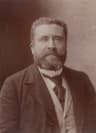
Narodený(á)
May 15, 1859
Paris, France
Zomrel(a)
April 19, 1906
Paris, France
Známy(a) ako
French physicist
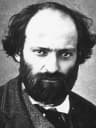
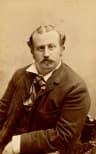
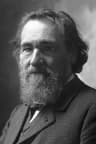
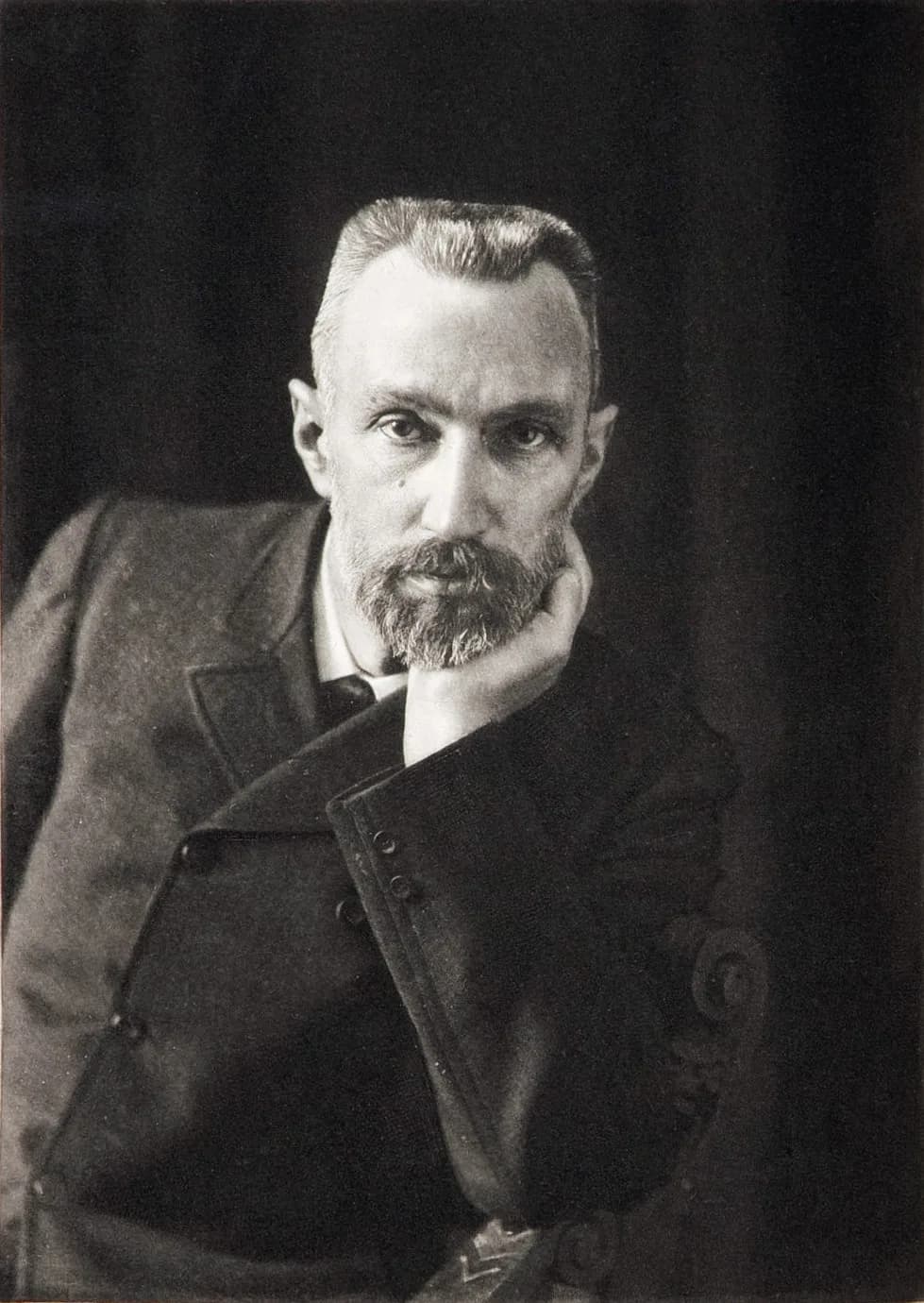
Pierre Curie (1859–1906) was France best known for French physicist.
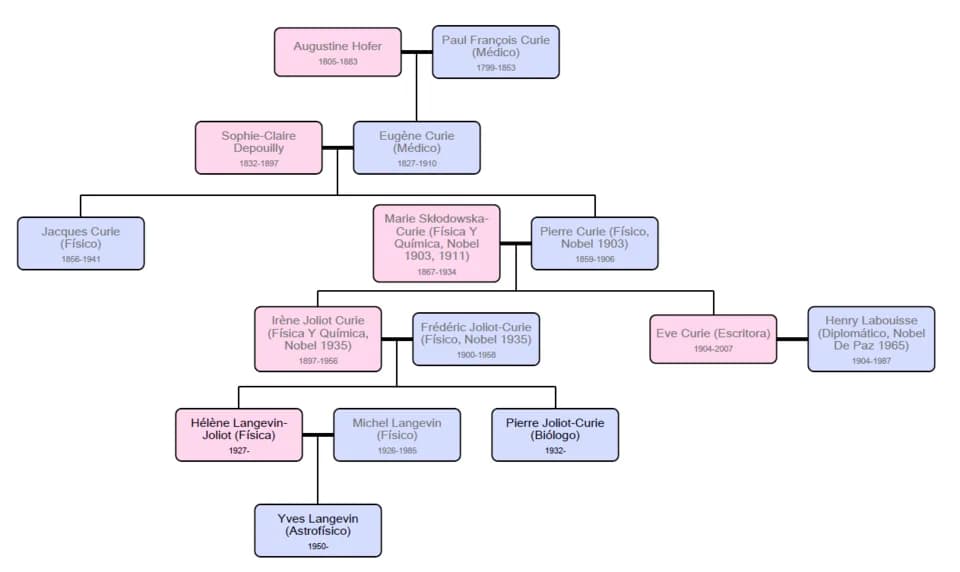
Pierre Curie (May 15, 1859 – April 19, 1906) was a French physicist and chemist from Paris, France. He shared the 1903 Nobel Prize in Physics with his wife, Marie Curie, for their pioneering work on radioactivity. Their collaboration launched a family legacy of five Nobel Prizes.
Kapitola
Životné kapitoly
Kapitola 1 · 1859· Kapitola 1 z 8
Early Life and Origins
Pierre Curie began his remarkable journey in Paris, France, where he was born on May 15, 1859. While detailed records of his early family life and specific upbringing are not extensively provided, his formative years unfolded within the intellectually vibrant and academically rich atmosphere of 19th-century Parisian society. This stimulating environment undoubtedly played a crucial role in cultivating his nascent scientific curiosity and setting the trajectory for his future dedication to physics and chemistry.
Kapitola 2· Kapitola 2 z 8
Career Beginnings and Early Explorations
From the early stages of his professional life, Pierre Curie demonstrated a keen aptitude for scientific investigation across various disciplines. He swiftly established himself as a diligent researcher in crystallography, the systematic study of crystal formation, structure, and properties. Concurrently, his early career saw him making substantial contributions to the complex field of magnetism, where his fundamental investigations helped to elucidate the behaviors of magnetic materials and forces. These initial ventures into crystallography and magnetism laid a solid intellectual foundation for his later, more widely recognized work.
Kapitola 3· Kapitola 3 z 8
Pioneering Work on Radioactivity
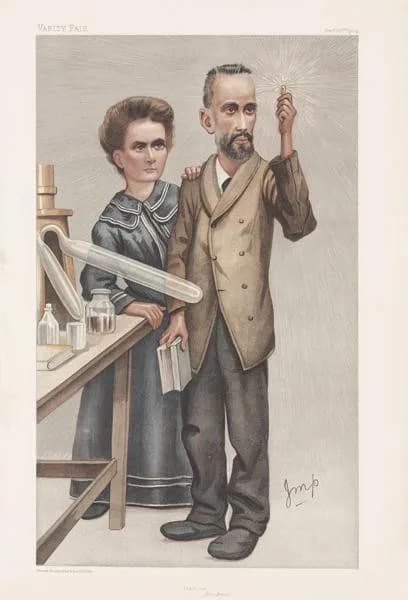
Pierre Curie's most celebrated scientific endeavors were inextricably linked to his extraordinary collaboration with his wife, Marie Curie, focusing on the newly identified radiation phenomena. Their joint research efforts went far beyond mere observation, investigating the precise nature and characteristics of these mysterious emissions. This partnership proved incredibly fruitful, pushing the boundaries of what was known about atomic structure and energy. Their shared commitment to scientific exploration illuminated previously unseen aspects of the physical world.
Kapitola 4 · 1903· Kapitola 4 z 8
Major Achievements and Career Highlights
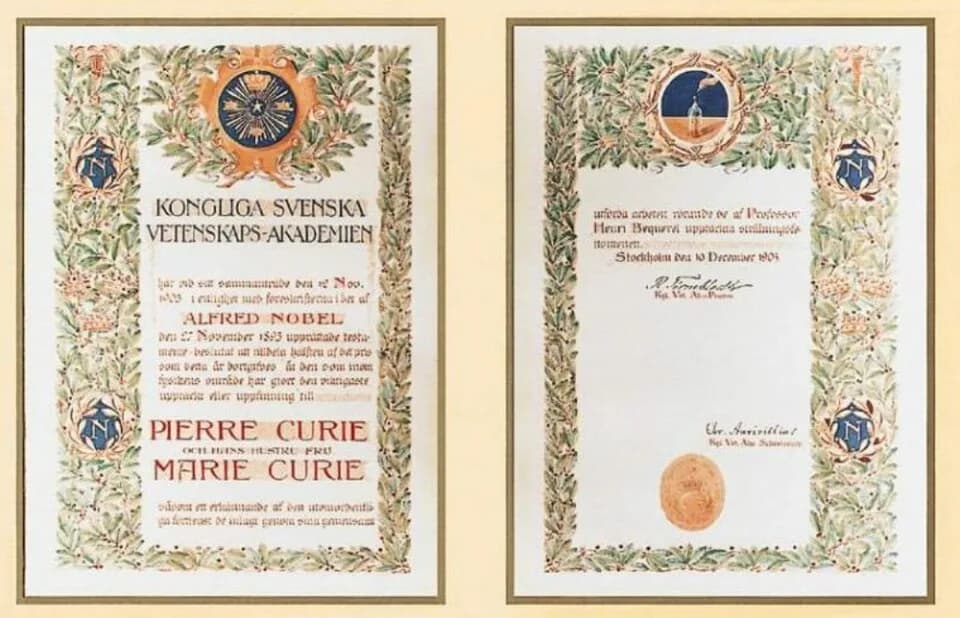
The pinnacle of Pierre Curie's professional acclaim arrived with the recognition of his and Marie's pioneering work. In 1903, they were jointly awarded one half of the prestigious Nobel Prize in Physics, an honor bestowed in recognition of the extraordinary services they had rendered by their joint researches on the radiation phenomena, initially discovered by Professor Henri Becquerel. This momentous award not only cemented their places in scientific history but also marked them as the first married couple ever to receive a Nobel Prize. This pioneering achievement initiated a distinguished scientific dynasty, launching the extraordinary Curie family legacy, which would ultimately encompass an impressive total of five Nobel Prizes awarded across subsequent generations.
Kapitola 5· Kapitola 5 z 8
Personal Life and Collaborative Spirit
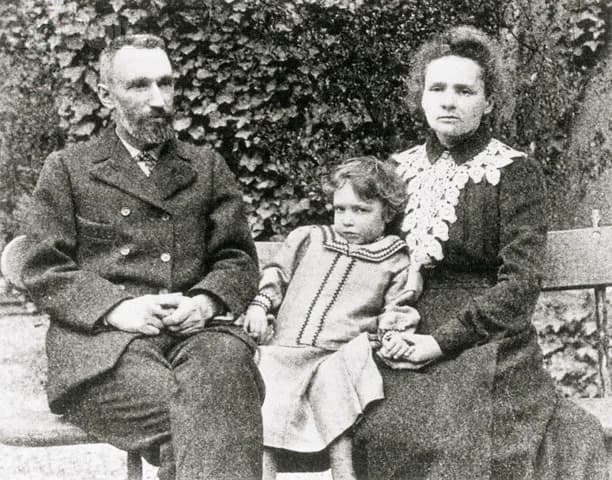
Pierre Curie's personal existence was deeply interwoven with his professional identity, most notably through his profound and scientifically productive marriage to Marie Curie. Their relationship transcended conventional personal bonds, evolving into an unparalleled scientific partnership characterized by mutual respect, shared intellectual rigor, and an unwavering commitment to discovery. This powerful synergy allowed them to tackle complex scientific problems together, achieving breakthroughs that might have been impossible individually. Their life together was a testament to the power of collaborative scientific inquiry.
Kapitola 6 · 1900· Kapitola 6 z 8
Academic Contributions and Publications
Throughout his active career, Pierre Curie formalized and disseminated his scientific findings through various academic publications. These works served as vital contributions to the scientific discourse of his era, sharing his meticulous research with the broader academic community. Notable among his academic output are titles such as "Ueber das Atomgewicht des Radiums," published in 1900, reflecting his focused interest in the fundamental properties of elements. Additionally, his work "Radioaktive Untersuchungen" appeared in 1934, and "Verbesserungen von Wagen" was published in 1890, showcasing his diverse range of scientific and technical investigations across his career.
Kapitola 7 · 1906· Kapitola 7 z 8
Later Years and Enduring Influence
Pierre Curie's dedicated life of scientific inquiry continued until his untimely death on April 19, 1906, which occurred in his birthplace of Paris, France. His later years were marked by significant international recognition, most prominently the shared 1903 Nobel Prize, which underscored the significant global influence of his and Marie’s discoveries. Despite his relatively short life, his intellectual contributions and pioneering spirit left a lasting mark on the scientific community and beyond. He remained actively engaged in scientific pursuits, contributing to a rapidly evolving understanding of the physical world.
Kapitola 8· Kapitola 8 z 8
Legacy and Lasting Impact
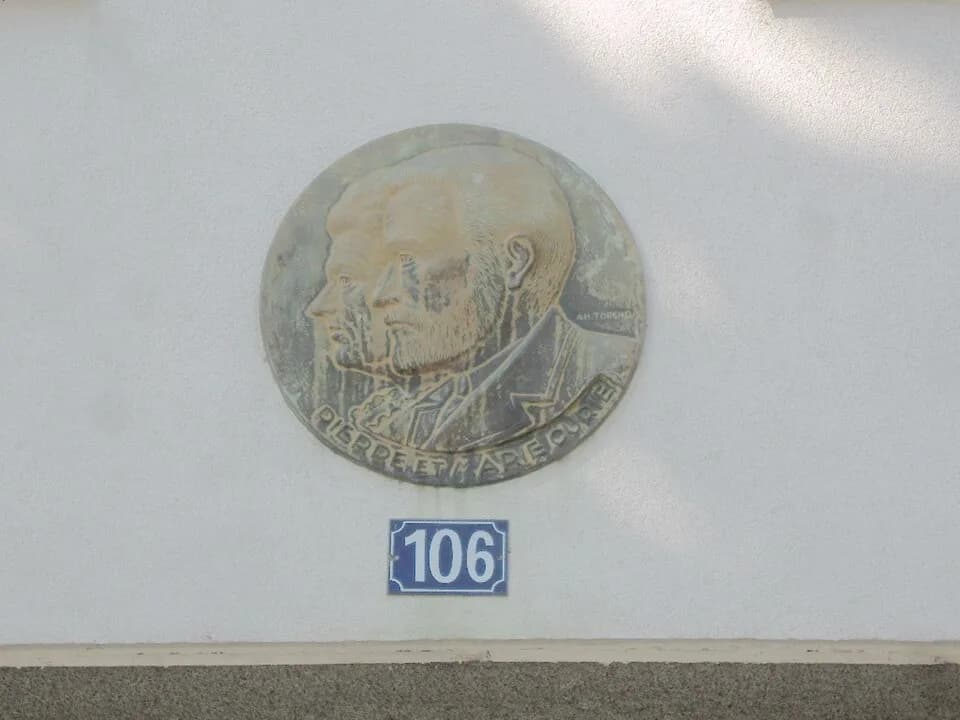
The legacy of Pierre Curie is truly monumental, fundamentally changing the trajectory of modern physics and chemistry. His pioneering and meticulously conducted research with Marie Curie not only established the entirely new scientific discipline of radioactivity but also laid crucial foundational principles for the emerging field of nuclear physics. The extraordinary achievement of five Nobel Prizes within the Curie family, commencing with Pierre and Marie's historic win, stands as a powerful and enduring symbol of their collective scientific excellence and lasting societal influence. Pierre Curie’s spirit of inquiry, his dedication to rigorous experimentation, and his pioneering discoveries continue to inspire generations of scientists and researchers worldwide to push the boundaries of knowledge and explore the fundamental mysteries of the universe.
Život v okamihoch
Okamihy, ktoré formovali život
Časté otázky
Často sa pýtajú
Kedy zomrel(a) Pierre Curie?
Pierre Curie zomrel(a) 19. apríla 1906 v Paris, France vo veku 46 rokov.
Kde sa narodil(a) Pierre Curie?
Pierre Curie sa narodil(a) v Paris, France 15. mája 1859.
Čím je Pierre Curie najznámejší(ia)?
Pierre Curie je najznámejší(ia) vďaka French physicist.
Koľko mal(a) Pierre Curie v čase smrti?
Pierre Curie mal(a) v čase smrti 46 rokov.
Akú národnosť mal(a) Pierre Curie?
Pierre Curie pochádzal(a) z France.
Časová os
Život v skratke
Fotogaléria
Život v obrazoch
Kliknite na ľubovoľný polaroid pre zväčšenie · 49 fotografií
QR kód
Zdieľať tento životopis
Vytlačiť a zdieľať
Naskenujte pre návštevu tejto stránky životopisu. Vytlačte si pre podujatia, výstavy alebo vzdelávacie materiály.