Narodený(á)
July 3, 1534
Nagoya Castle (16th century), Japan
Zomrel(a)
July 1, 1582
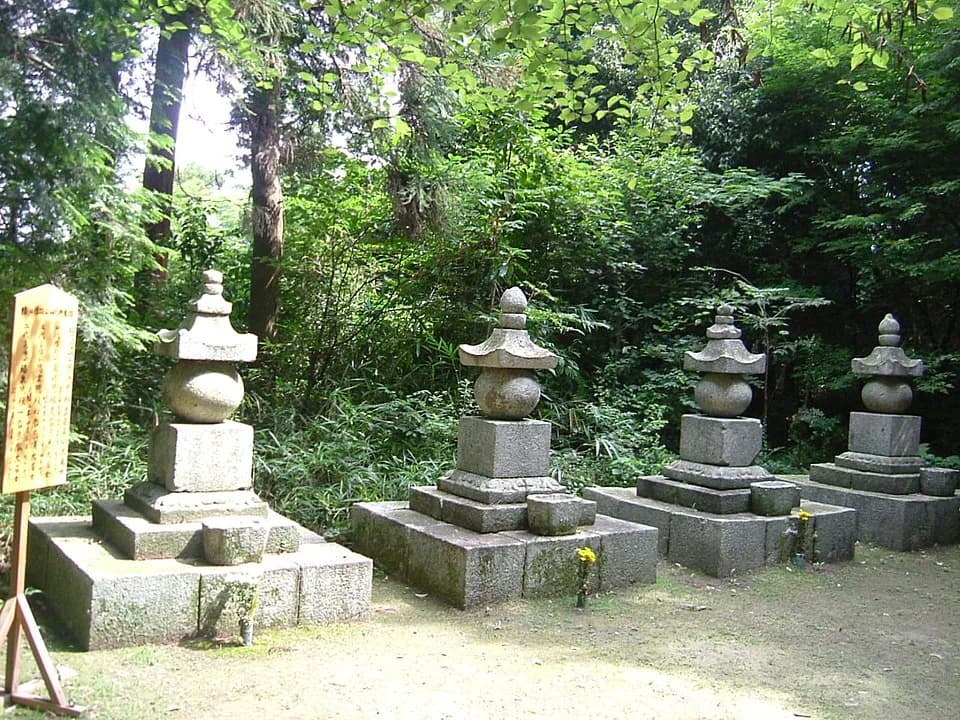
former site of Honnō-ji, Japan
Známy(a) ako
Japanese samurai and warlord
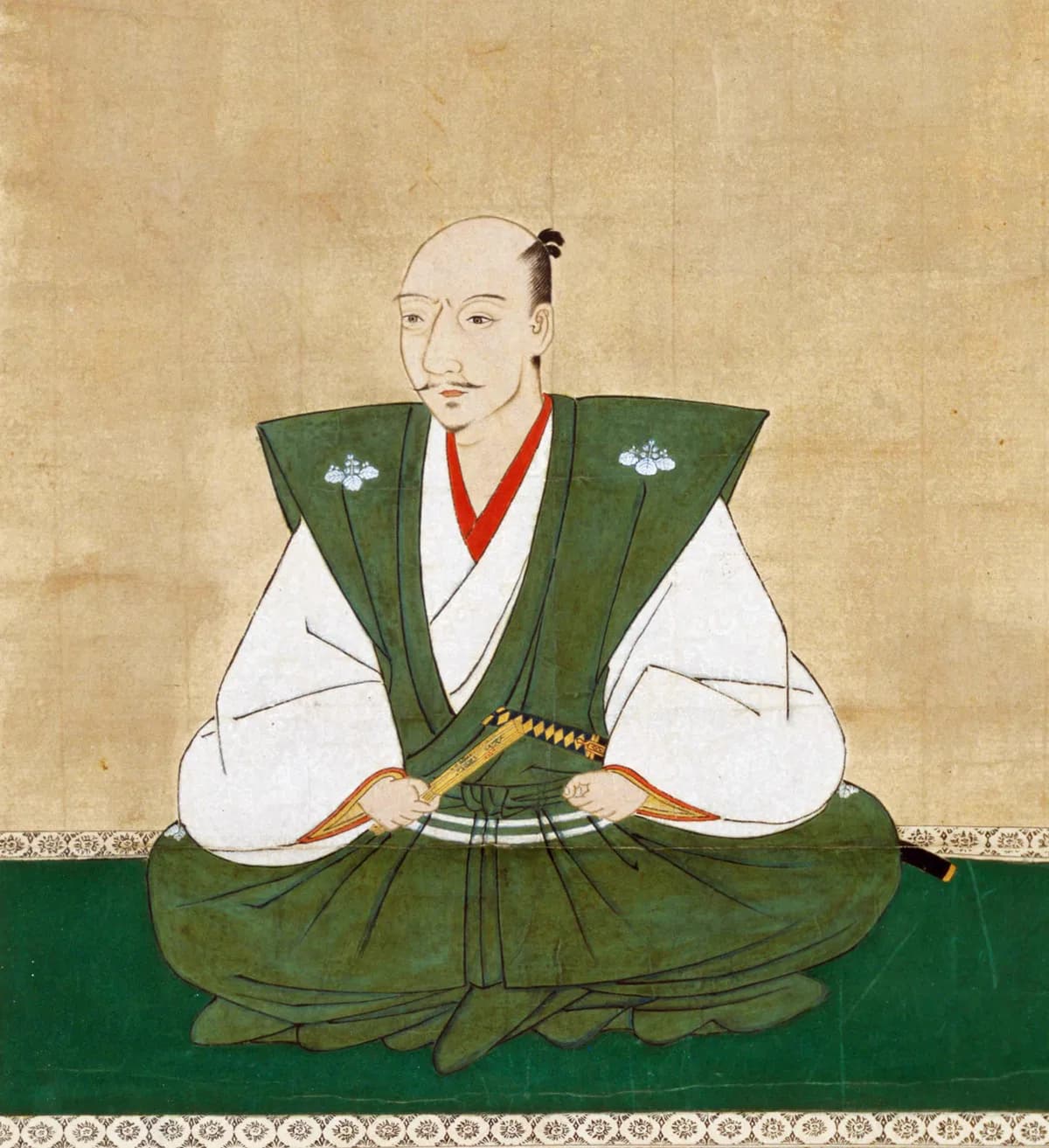
Oda Nobunaga (1534–1582) was Japan best known for Japanese samurai and warlord.
Oda Nobunaga (July 3, 1534 – July 1, 1582) was a Japanese samurai and daimyō from Nagoya Castle, Japan. He is celebrated as the first "Great Unifier" of Japan, whose military leadership and strategic reforms ended centuries of civil strife. His legacy profoundly shaped the nation's political landscape.
Kapitola
Životné kapitoly
Kapitola 1 · 1534· Kapitola 1 z 7
Early Life and Origins
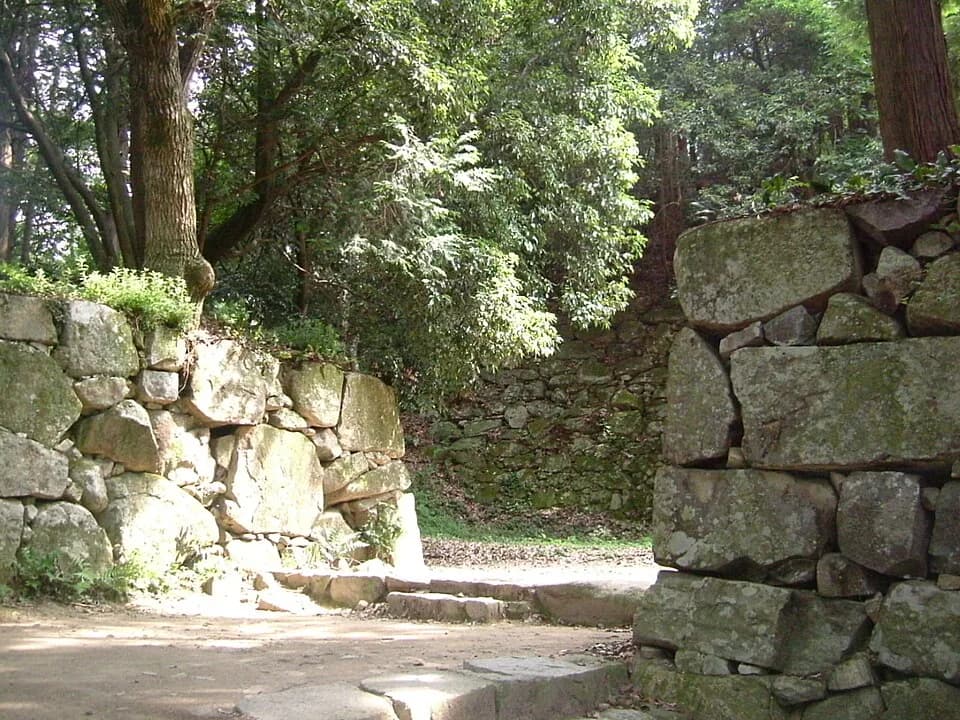
Oda Nobunaga was born on July 3, 1534, within the walls of Nagoya Castle, a significant stronghold in what was then a fragmented Japan. His birth into a powerful daimyō family destined him for a life intertwined with military leadership and regional governance. The 16th century was a period of intense civil strife, known as the Sengoku or 'Warring States' period, where the fate of clans and regions often hinged on the capabilities of their leaders.
As a young member of the Oda clan, Nobunaga was raised in an environment demanding both martial prowess and astute political understanding. His early years at Nagoya Castle likely exposed him to the complexities of maintaining power and expanding influence amidst rival factions. This early exposure to leadership within a strategic fortress would undoubtedly shape his future ambitions and methods.
Nagoya Castle, situated in a vital strategic location, served as the epicenter of his family’s power and provided a foundational understanding of territorial control. His upbringing prepared him to not only inherit the mantle of a daimyō but to redefine it through unprecedented ambition and a drive for national consolidation. The intricate political landscape of his youth instilled in him a unique perspective on the need for stability through strong leadership.
Kapitola 2· Kapitola 2 z 7
Career Beginnings
Nobunaga's early career as a daimyō began against a backdrop of constant warfare, where alliances shifted and territories were fiercely contested. He quickly established himself as a formidable military leader, demonstrating innovative tactics and a clear vision for expanding his clan's influence. His initial campaigns focused on consolidating power within his home province, often through swift and decisive military actions.
He was not content with merely holding his ancestral lands; Nobunaga harbored aspirations that extended far beyond the traditional boundaries of a regional daimyō. His reputation grew as he secured control over neighboring territories, strategically weakening opponents and absorbing their resources. These early successes proved his mettle and laid the groundwork for his eventual emergence as a national figure.
From these beginnings, Nobunaga started to distinguish himself from other warlords of the era through his willingness to embrace new military technologies and organizational structures. He understood that achieving greater unity required transcending conventional warfare and governance. His bold approach in these early years foreshadowed the dramatic changes he would bring to Japan.
Kapitola 3· Kapitola 3 z 7
Major Achievements and Career Highlights
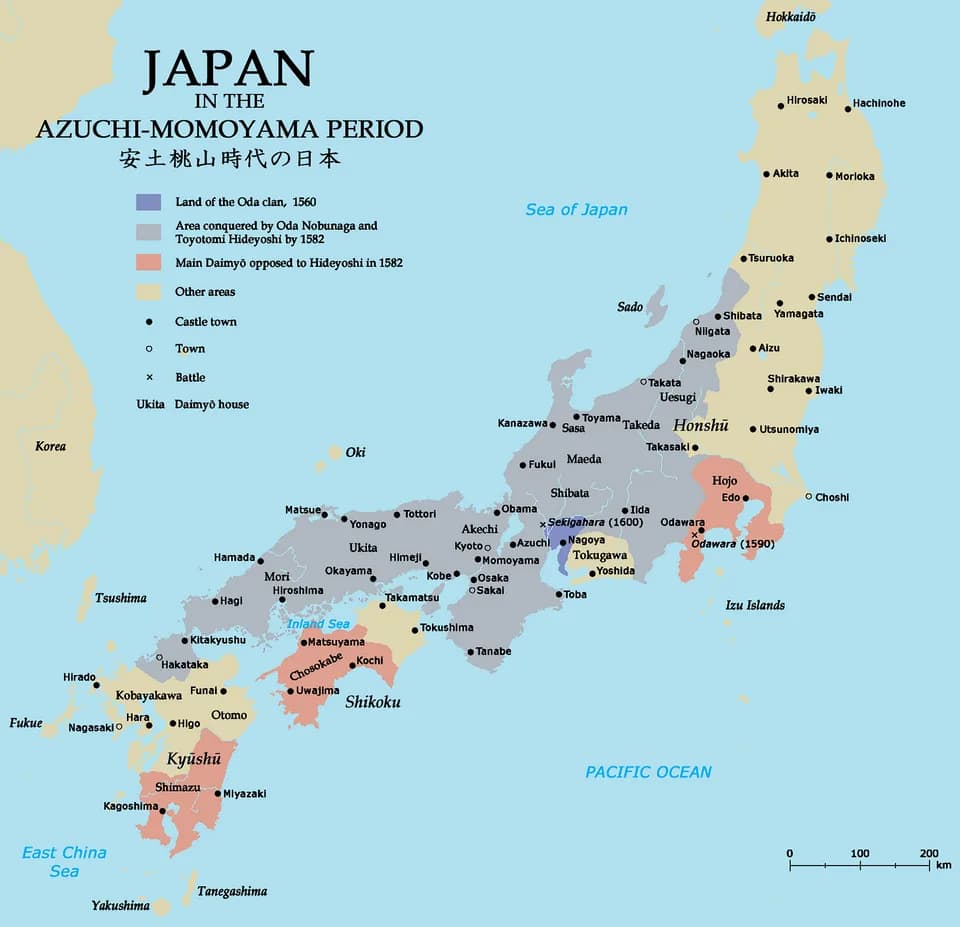
Oda Nobunaga’s most significant achievement was his role as the first 'Great Unifier' of Japan, a monumental task in an era defined by disunity. He systematically campaigned to bring disparate daimyō and their territories under a single, centralized authority. This relentless pursuit of unification marked a turning point in Japanese history, moving away from centuries of civil conflict.
As a Tenka-bito, a powerful figure effectively ruling the nation, Nobunaga commanded immense respect and fear. His military campaigns were characterized by speed, overwhelming force, and a keen understanding of strategy, which allowed him to overcome numerous powerful adversaries. He integrated new weaponry, particularly firearms, into his armies, giving him a distinct advantage over more traditional forces.
His administrative reforms paralleled his military successes, aimed at creating a more stable and prosperous society. He centralized power, standardized measurements, and promoted economic growth through various policies, dismantling old feudal structures that hindered national progress. These changes were fundamental to building a unified state, paving the way for future peaceful governance.
Kapitola 4· Kapitola 4 z 7
Personal Life
While the historical records primarily focus on his military and political prowess, Oda Nobunaga was also a complex individual behind his public persona. Known for his stern demeanor and sometimes ruthless methods, he earned epithets such as the 'Demon Daimyō' and 'Demon King of the Sixth Heaven.' These nicknames likely reflected his uncompromising will and the brutal efficiency with which he pursued his objectives.
These titles, though seemingly harsh, also spoke to his unparalleled dominance and the respect, albeit often fearful, he commanded among his contemporaries. They underscored his break from traditional norms and his willingness to challenge established religious and political powers. Nobunaga's singular focus on unification often demanded difficult choices, contributing to his formidable reputation.
Kapitola 5· Kapitola 5 z 7
Notable Works or Contributions
Oda Nobunaga's primary contributions were his visionary military leadership and his unparalleled efforts towards national unification. He was not merely a conqueror but a reformer who introduced policies that modernized Japan. His strategic use of military force was coupled with an understanding of economic and administrative integration, which was crucial for consolidating power.
His reforms included dismantling internal customs barriers to promote free trade, confiscating weapons from commoners in what was known as the 'Sword Hunt,' and introducing a new land survey system to improve tax collection. These measures laid the groundwork for a more stable and prosperous unified Japan. Nobunaga's foresight extended beyond immediate military gains to long-term national development.
Furthermore, his patronage of arts and culture, though less publicized than his military exploits, contributed to the cultural flourishing of the Azuchi-Momoyama period. He supported the construction of magnificent castles, symbolizing the new unified power, and encouraged innovation in various fields. Nobunaga’s impact on Japan was multifaceted, encompassing political, military, and even cultural spheres.
Kapitola 6· Kapitola 6 z 7
Later Years
As Oda Nobunaga approached the height of his power, he continued his relentless campaign to bring all of Japan under his control. His later years were marked by ongoing military expansion and administrative consolidation, pushing towards the final stages of national unification. He was widely recognized as the preeminent power in Japan, with few left to openly challenge his authority.
However, his life was cut short on July 1, 1582, at the former site of Honnō-ji, a temple in Kyoto. This tragic event, a betrayal by one of his trusted generals, brought an abrupt end to his grand vision. His death left a power vacuum, though the momentum for unification he had generated was unstoppable, soon to be completed by his successors.
The events at Honnō-ji remain a defining moment in Japanese history, symbolizing the unpredictable nature of power and ambition during the Sengoku period. Despite his untimely demise, Nobunaga had already set Japan on an irreversible course toward a unified and centralized state. His final years, though ending in tragedy, cemented his legacy as a force of monumental change.
Kapitola 7· Kapitola 7 z 7
Legacy and Impact
Oda Nobunaga's legacy is profound and enduring, firmly establishing him as one of the most significant figures in Japanese history. He shattered the old feudal order and initiated the long process of national unification, a vision that would be completed by Toyotomi Hideyoshi and Tokugawa Ieyasu. Without Nobunaga's initial, decisive steps, Japan's trajectory might have been entirely different.
His innovative military strategies, including the effective use of firearms and coordinated logistics, revolutionized warfare in Japan. Beyond the battlefield, his administrative and economic reforms provided a blueprint for a centralized state, promoting stability and growth. These changes continued to influence Japanese governance and society for centuries.
Nobunaga is remembered not only for his achievements but also for his complex character—a 'Demon Daimyō' whose ruthless efficiency was matched only by his visionary leadership. He stands as a towering figure whose actions laid the foundations for a unified Japan, bringing an end to the turbulent Sengoku period and ushering in an era of national peace and prosperity.
Život v okamihoch
Okamihy, ktoré formovali život
Časté otázky
Často sa pýtajú
Kedy zomrel(a) Oda Nobunaga?
Oda Nobunaga zomrel(a) 1. júla 1582 v former site of Honnō-ji, Japan vo veku 47 rokov.
Kde sa narodil(a) Oda Nobunaga?
Oda Nobunaga sa narodil(a) v Nagoya Castle (16th century), Japan 3. júla 1534.
Čím je Oda Nobunaga najznámejší(ia)?
Oda Nobunaga je najznámejší(ia) vďaka Japanese samurai and warlord.
Koľko mal(a) Oda Nobunaga v čase smrti?
Oda Nobunaga mal(a) v čase smrti 47 rokov.
Akú národnosť mal(a) Oda Nobunaga?
Oda Nobunaga pochádzal(a) z Japan.
Časová os
Život v skratke
Fotogaléria
Život v obrazoch
Kliknite na ľubovoľný polaroid pre zväčšenie · 48 fotografií
QR kód
Zdieľať tento životopis
Vytlačiť a zdieľať
Naskenujte pre návštevu tejto stránky životopisu. Vytlačte si pre podujatia, výstavy alebo vzdelávacie materiály.