Narodený(á)
January 5, 1938
Kamirithu, Kenya
Zomrel(a)
May 28, 2025
Buford, United States
Známy(a) ako
Kenyan writer
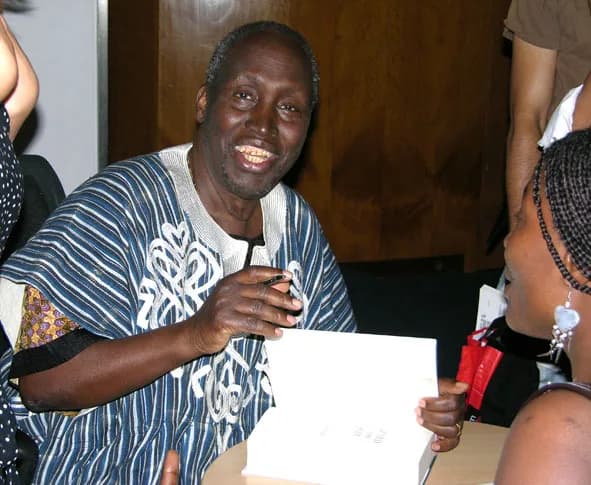
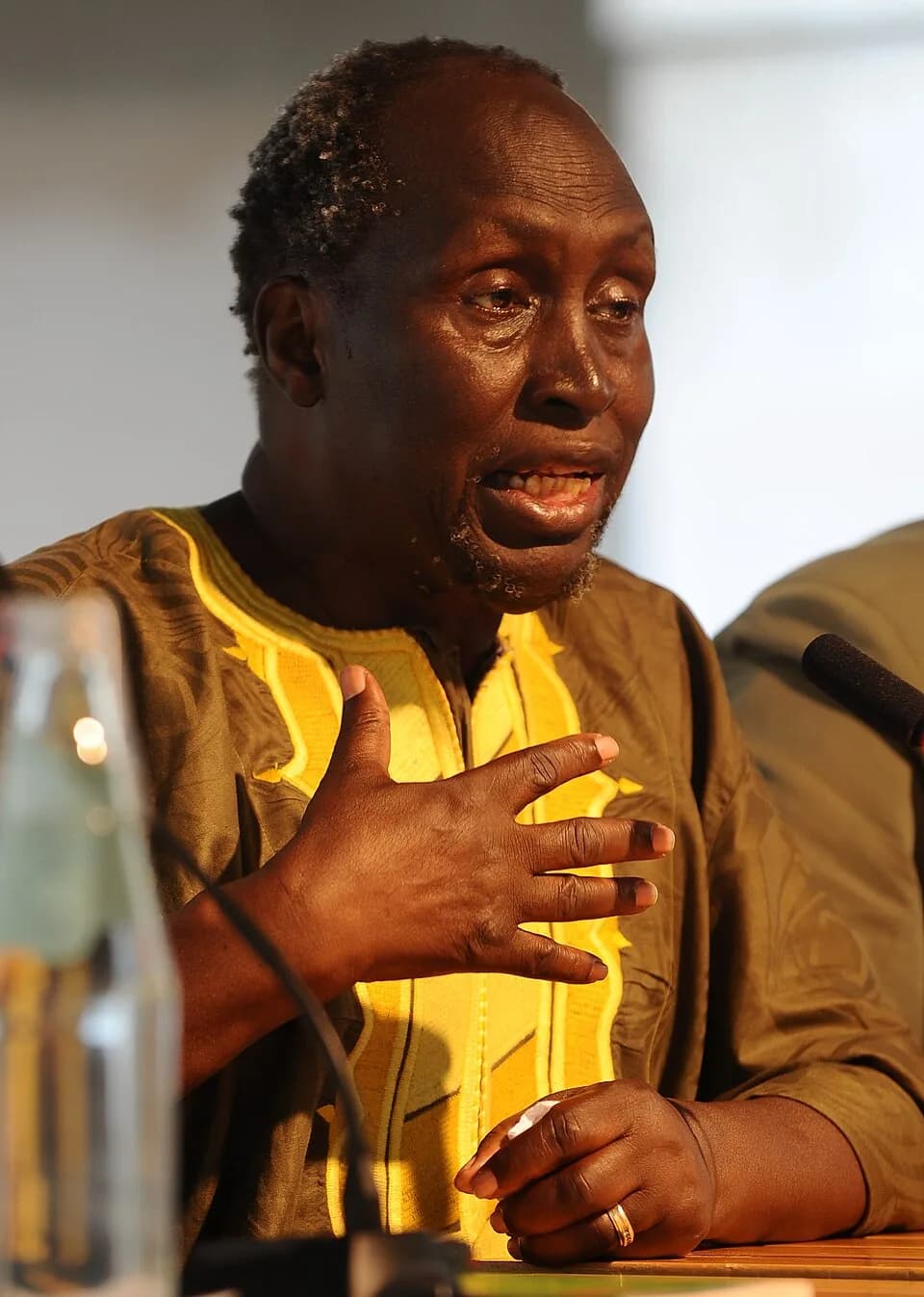
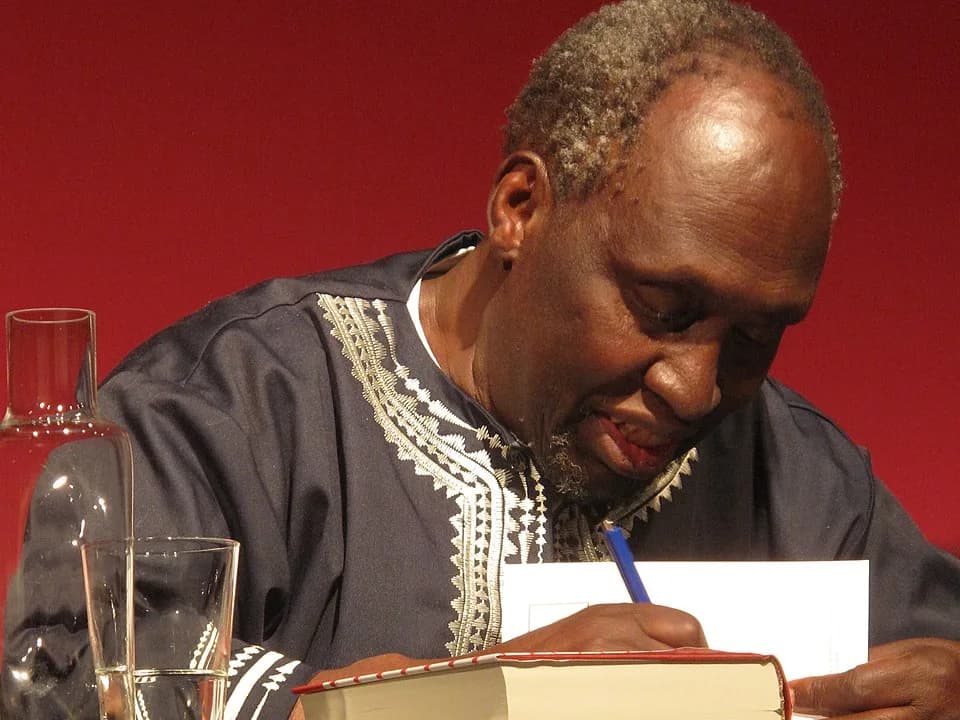
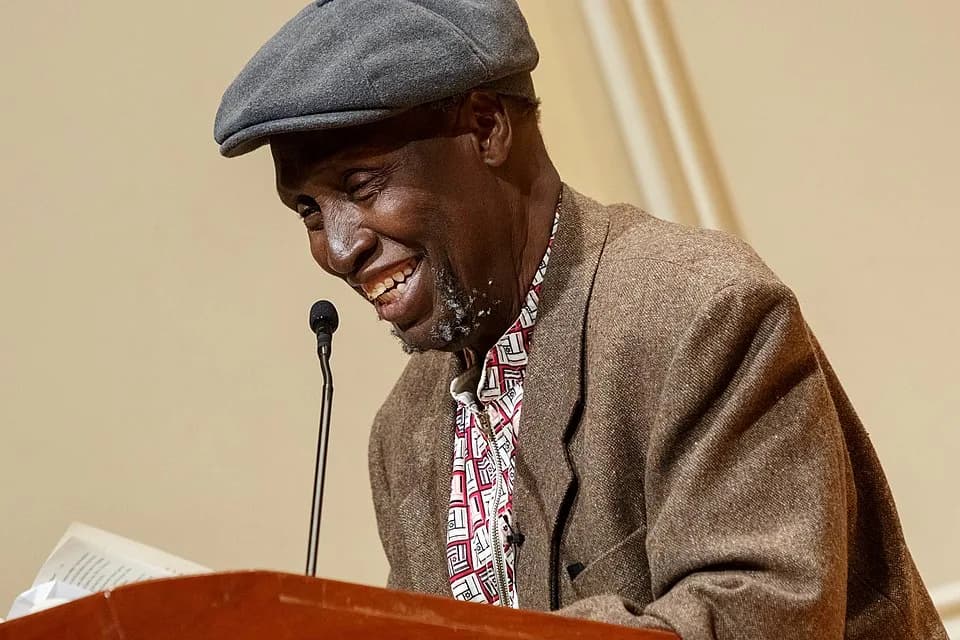
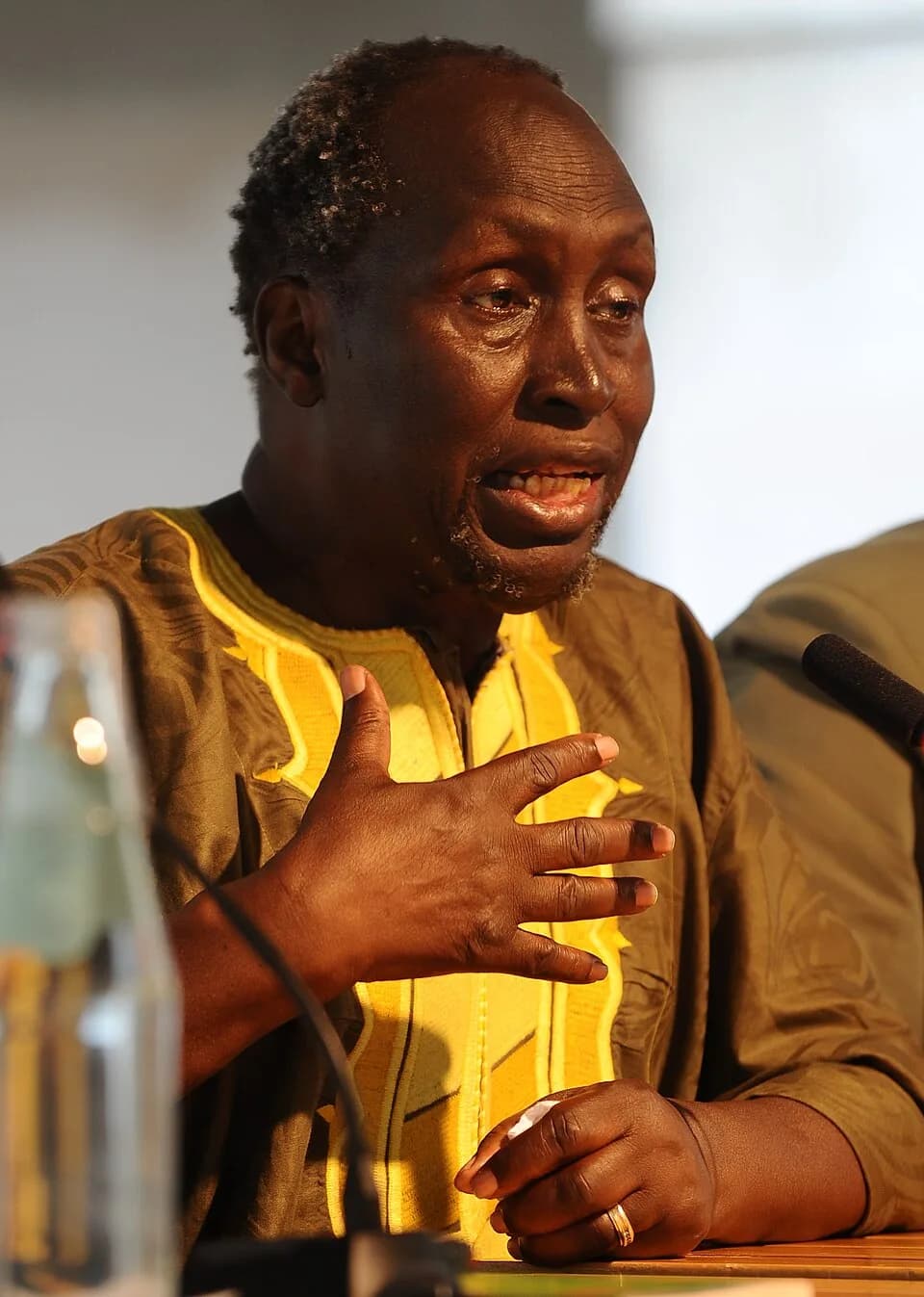
Ngũgĩ wa Thiong'o (1938-2025) was a Kenyan writer, playwright, and philosopher from Kamirithu. He authored the influential "Decolonizing the Mind" and championed African languages in literature. His work examining colonialism's effects established him as East Africa's leading novelist.
Život v okamihoch
Okamihy, ktoré formovali život
Kapitola
Životné kapitoly
Kapitola 1 · 1938· Kapitola 1 z 7
Early Life and Origins
Ngũgĩ wa Thiong'o was born on January 5, 1938, in Kamirithu, Kenya, during British colonial rule. Growing up in this small Kenyan village, he witnessed firsthand the cultural and linguistic suppression that would later fuel his literary mission. His early years in Kamirithu shaped his understanding of how colonialism affected rural communities. The experience of living under colonial administration in Kenya provided him with the foundation for his later critiques of imperial power structures.
Kapitola 2· Kapitola 2 z 7
Career Beginnings
Thiong'o began his writing career during Kenya's struggle for independence, when African voices were rarely heard in published literature. His early works explored the tension between traditional African society and colonial influence. As a young writer in Kenya, he started examining how colonial education systems affected African identity. These initial explorations would become central themes throughout his literary career.
Kapitola 3 · 1987· Kapitola 3 z 7
Major Achievements and Career Highlights
Thiong'o's academic work "Decolonizing the Mind," published in 1987, became his most influential contribution to postcolonial theory with 183 citations. This seminal work argued for the importance of African languages in literature and education. He also authored "Marxism and Literature in Kenya" in 1983 and "African Writing and Themes of Colonialism and Post-Independence Disillusionment" in 1978. His academic h-index of 1 across 3 papers reflects his focused but impactful scholarly contributions. Critics consistently recognized him as East Africa's leading novelist throughout his career.
Kapitola 4· Kapitola 4 z 7
Personal Life and Philosophy
As both a university teacher and philosopher, Thiong'o balanced academic life with creative writing throughout his career. His role as an educator allowed him to influence new generations of African writers and thinkers. Living between Kenya and the United States in his later years, he maintained strong connections to his Kamirithu roots. His personal philosophy centered on the belief that African languages deserved equal status with European languages in literature and academia.
Kapitola 5· Kapitola 5 z 7
Notable Works and Contributions
Among his many works, "In the house of the interpreter" stands as one of Thiong'o's notable publications. His bibliography spans novels, plays, and essays that consistently examined African identity in the postcolonial era. As a playwright, he created works that brought African stories to the stage using indigenous narrative techniques. His essays challenged Western literary traditions while advocating for authentic African storytelling methods. Each work contributed to his reputation as a leading voice in modern African literature.
Kapitola 6 · 2025· Kapitola 6 z 7
Later Years and Final Decade
Thiong'o continued writing and teaching well into his eighties, remaining active in literary circles until his final years. His move to the United States allowed him to reach international audiences while maintaining his focus on African themes. During his last decade, he continued advocating for the use of African languages in global literary discourse. He spent his final years in Buford, United States, where he died on May 28, 2025, at age 87.
Kapitola 7· Kapitola 7 z 7
Legacy and Impact
Thiong'o's influence on African literature extends far beyond his own writings to include his theoretical contributions to postcolonial studies. "Decolonizing the Mind" remains essential reading for students of African literature and postcolonial theory worldwide. His advocacy for writing in African languages inspired countless authors across the continent to embrace their native tongues. Future generations of Kenyan and African writers will continue building on the foundation he established for authentic African storytelling.
Časté otázky
Často sa pýtajú
Kedy zomrel(a) Ngũgĩ wa Thiong'o?
Ngũgĩ wa Thiong'o zomrel(a) 28. mája 2025 v Buford, United States vo veku 87 rokov.
Kde sa narodil(a) Ngũgĩ wa Thiong'o?
Ngũgĩ wa Thiong'o sa narodil(a) v Kamirithu, Kenya 5. januára 1938.
Čím je Ngũgĩ wa Thiong'o najznámejší(ia)?
Ngũgĩ wa Thiong'o je najznámejší(ia) vďaka Kenyan writer.
Koľko mal(a) Ngũgĩ wa Thiong'o v čase smrti?
Ngũgĩ wa Thiong'o mal(a) v čase smrti 87 rokov.
Akú národnosť mal(a) Ngũgĩ wa Thiong'o?
Ngũgĩ wa Thiong'o pochádzal(a) z Kenya.
Časová os
Život v skratke
Fotogaléria
Život v obrazoch
Kliknite na ľubovoľný polaroid pre zväčšenie · 28 fotografií
QR kód
Zdieľať tento životopis
Vytlačiť a zdieľať
Naskenujte pre návštevu tejto stránky životopisu. Vytlačte si pre podujatia, výstavy alebo vzdelávacie materiály.