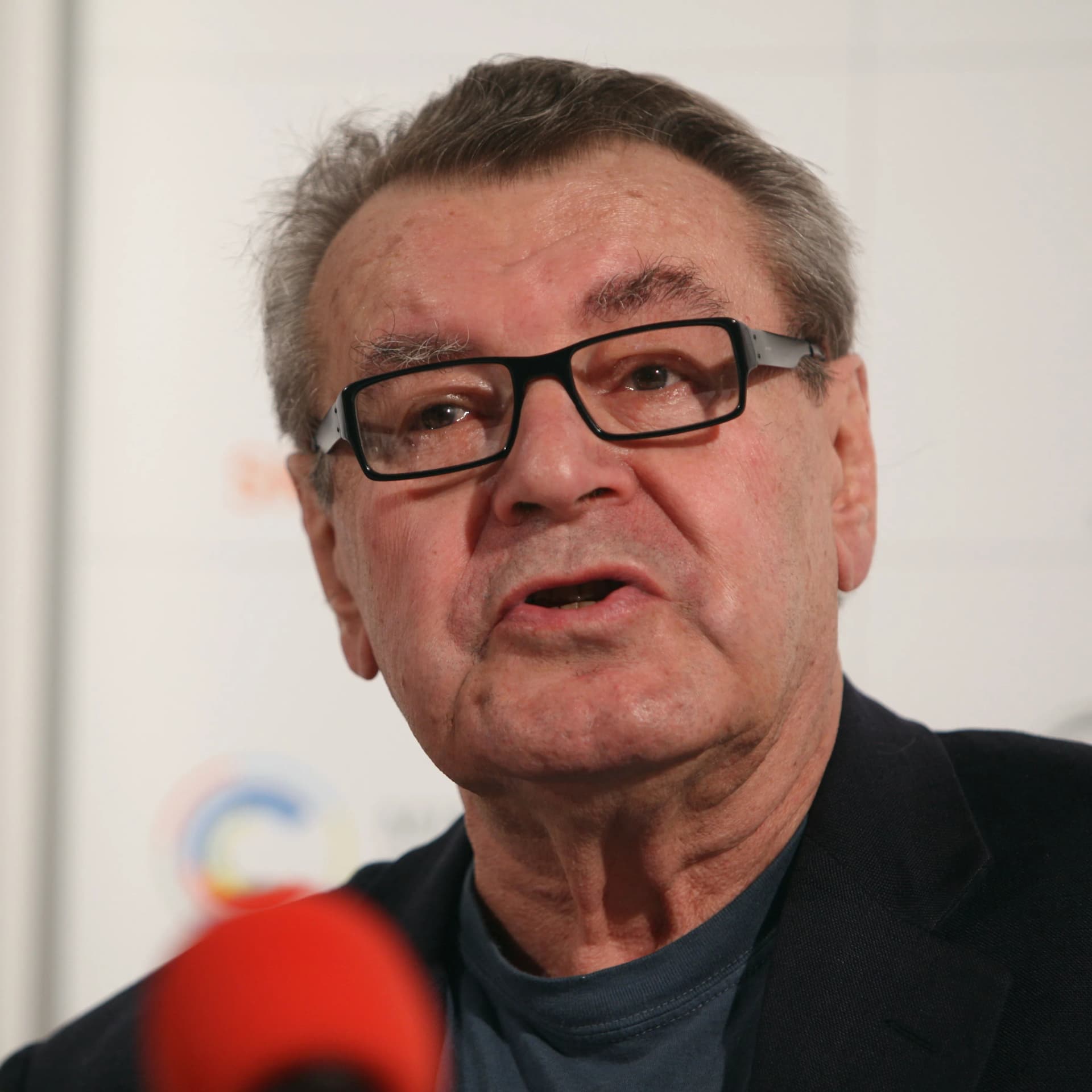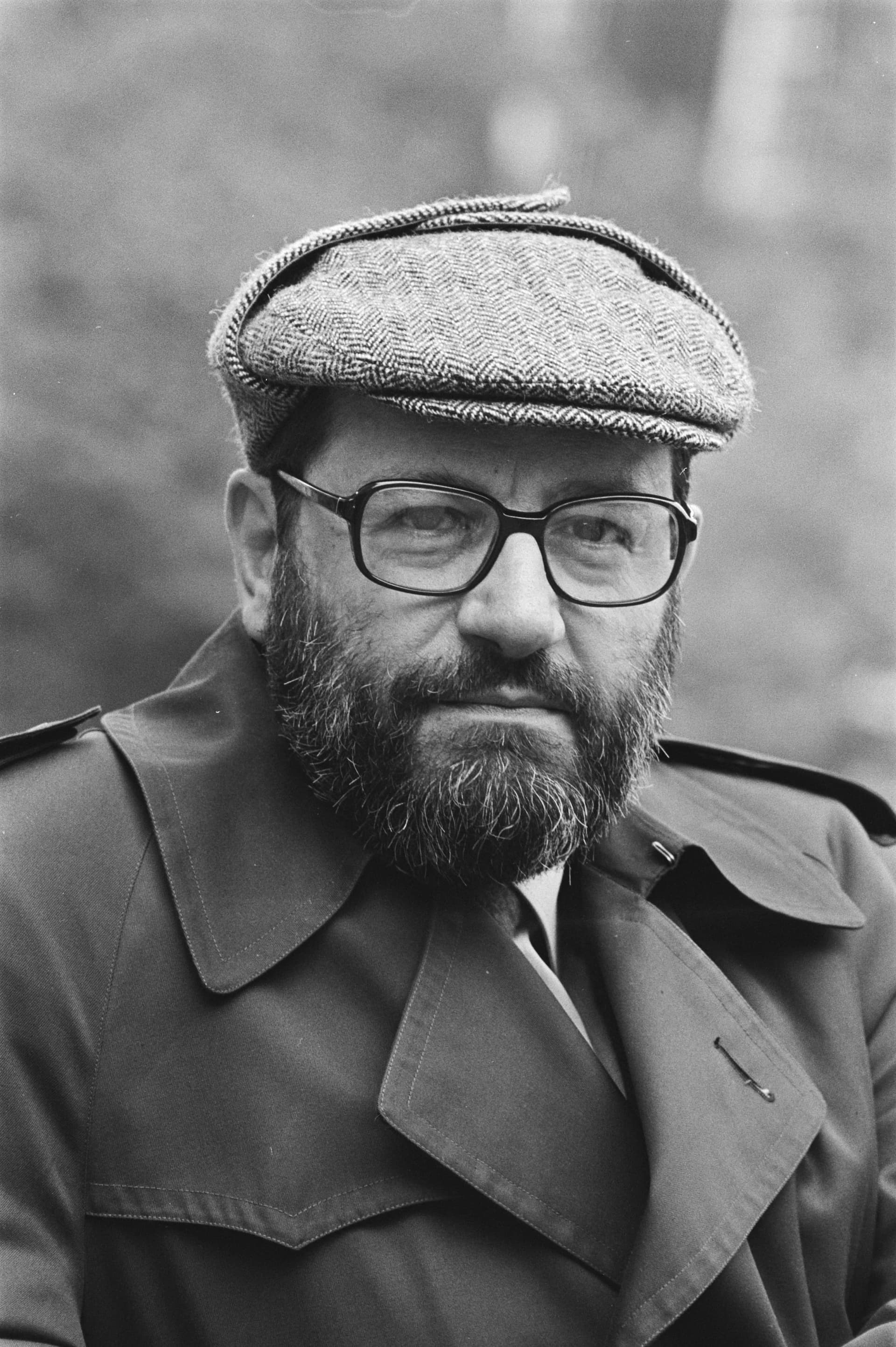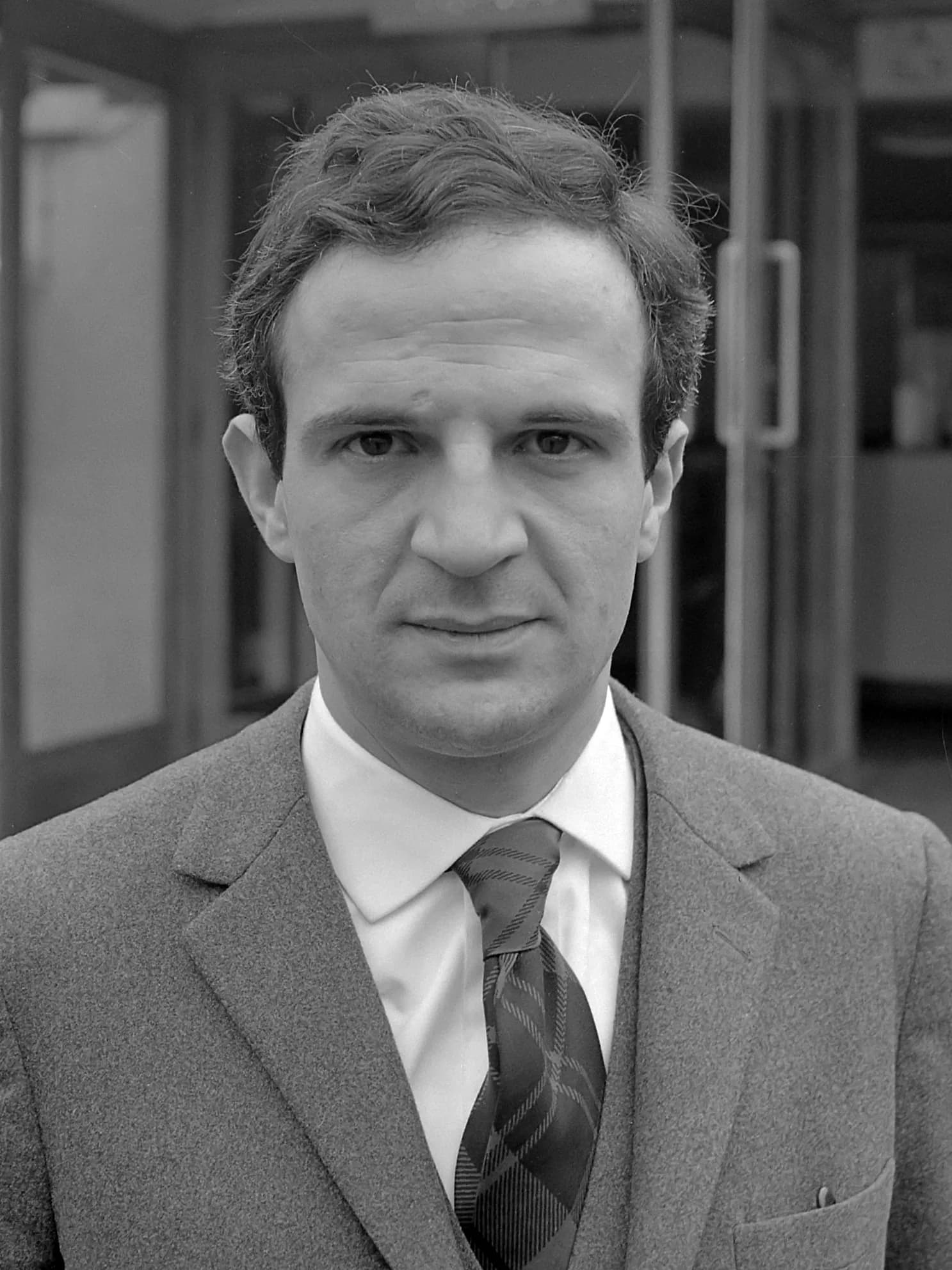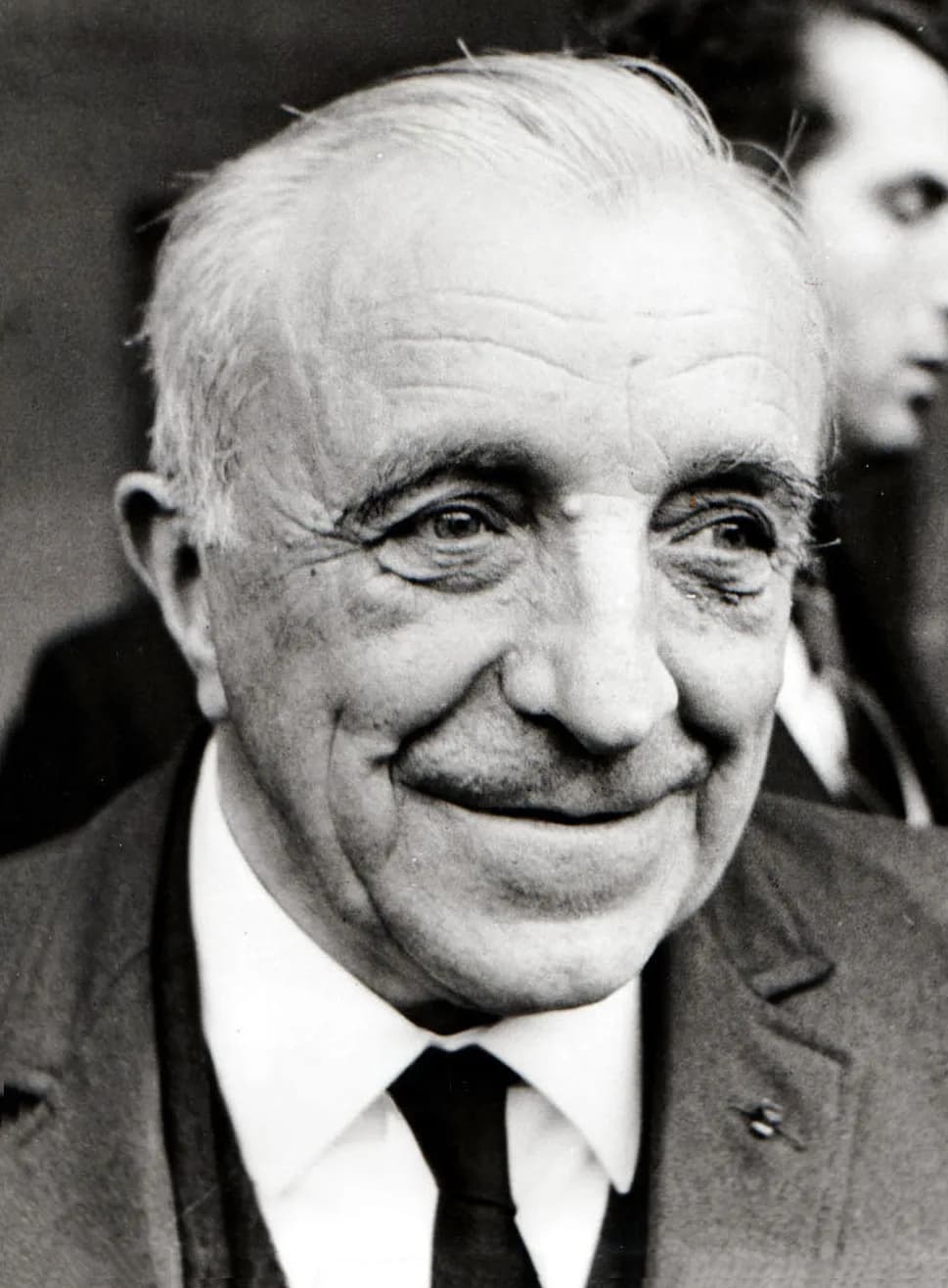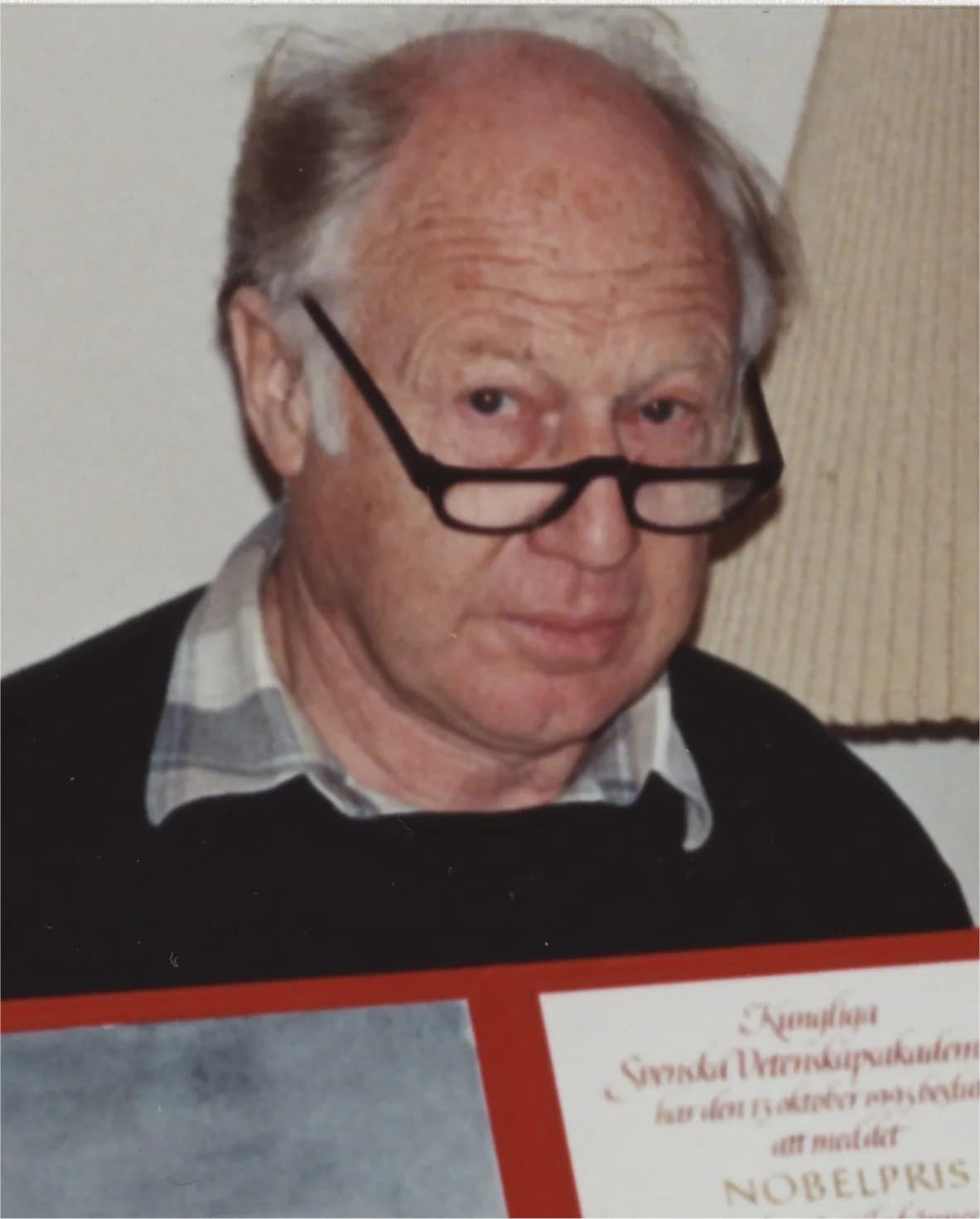
Narodený(á)
April 26, 1932
Blackpool, United Kingdom
Zomrel(a)
October 4, 2000
Vancouver, Canada
Známy(a) ako
Canadian Nobel laureate in chemistry
Michael Smith (1932–2000) was United Kingdom best known for Canadian Nobel laureate in chemistry.
Michael Smith (April 26, 1932 – October 4, 2000) was a British-Canadian biochemist and Nobel laureate. He shared the 1993 Nobel Prize in Chemistry for developing site-directed mutagenesis, a technique that revolutionized genetic engineering. His work continues to influence molecular biology.
Život v okamihoch
Okamihy, ktoré formovali život



Kapitola
Životné kapitoly
Kapitola 1 · 1932· Kapitola 1 z 6
Early Life and Origins
Born in Blackpool, United Kingdom, on April 26, 1932, Michael Smith's early life in Britain provided the initial context for his intellectual development. He embarked on a rigorous academic path, ultimately earning his PhD in 1956 from the University of Manchester, specializing in chemistry. This foundational education equipped him with the essential skills and knowledge that would later propel him to international scientific renown.
Kapitola 2 · 1966· Kapitola 2 z 6
Career Beginnings
Following his doctoral studies, Smith moved across the Atlantic to Canada, where he undertook crucial postdoctoral research. This period was spent collaborating with the eminent Har Gobind Khorana at the British Columbia Research Council in Vancouver, British Columbia, Canada, a partnership that significantly influenced his early scientific direction. Subsequently, he gained practical research experience at the Fisheries Research Board of Canada Laboratory, also located in Vancouver, before transitioning into a prominent academic role. In 1966, his expertise was recognized with an appointment as a professor of biochemistry in the UBC Faculty of Medicine, officially commencing his influential career in higher education.
Kapitola 3 · 1996· Kapitola 3 z 6
Major Achievements and Career Highlights
Michael Smith's tenure at the University of British Columbia was characterized by his pioneering leadership and scientific innovation. He was instrumental as the founding director of the UBC Biotechnology Laboratory, establishing a vital hub for advanced research. Further demonstrating his vision, Smith served as the founding scientific leader of the Protein Engineering Network of Centres of Excellence (PENCE), fostering interdisciplinary collaboration. His exceptional contributions were formally acknowledged in 1996 when he was designated Peter Wall Distinguished Professor of Biotechnology, a testament to his sustained academic excellence and impact.
Kapitola 4 · 1993· Kapitola 4 z 6
Notable Works or Contributions
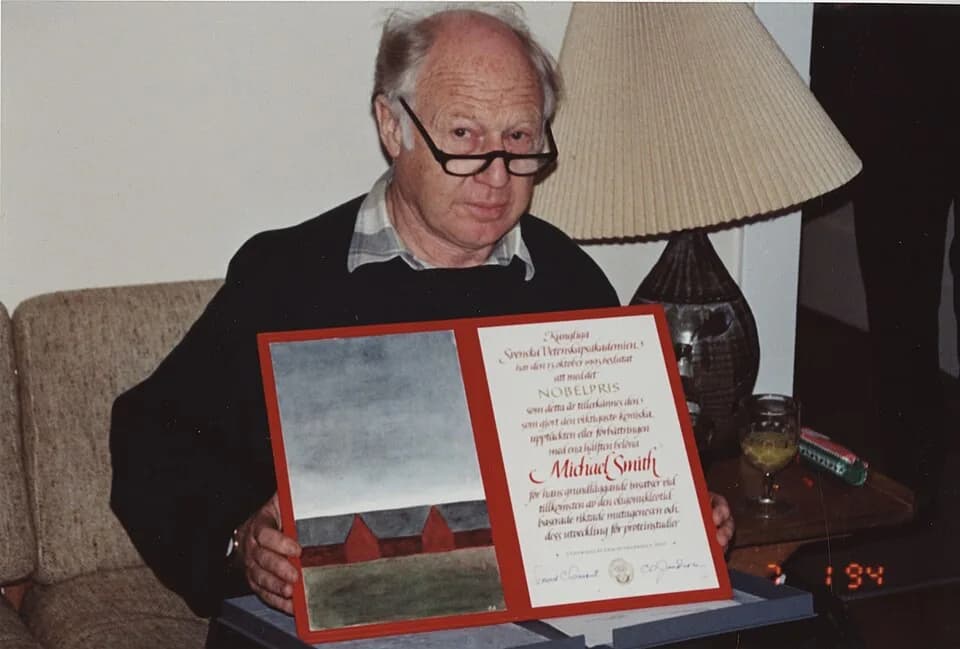
The cornerstone of Michael Smith's scientific legacy is his groundbreaking work on oligonucleotide-based, site-directed mutagenesis. This sophisticated technique allows researchers to introduce precise, targeted changes to a DNA sequence, thereby enabling the study of specific protein functions and structures. His revolutionary method provided an unparalleled tool for molecular biology. For this fundamental contribution, Smith was awarded the 1993 Nobel Prize in Chemistry, an honor he shared with Kary Mullis, for its development for protein studies.
Kapitola 5 · 2000· Kapitola 5 z 6
Later Years
In his later career, Michael Smith continued to drive significant advancements within the scientific infrastructure of Canada. He took on the vital role as the founding director of the Genome Sequencing Centre at the BC Cancer Research Centre, further expanding the nation's capabilities in genomic research. His dedication extended beyond personal discovery, focusing on building institutions that would support future generations of scientists. Michael Smith passed away on October 4, 2000, in Vancouver, Canada, leaving behind a robust framework for scientific exploration.
Kapitola 6· Kapitola 6 z 6
Legacy and Impact
Michael Smith's enduring legacy is intrinsically linked to his innovation in site-directed mutagenesis, a technique that remains indispensable across molecular biology and biotechnology. This method fundamentally altered how scientists investigate gene function and protein structure, accelerating progress in fields from medicine to agriculture. Beyond his direct scientific discoveries, his vision in establishing and leading major research institutions, such as the UBC Biotechnology Laboratory, cemented Canada's position as a leader in biotechnology. Smith's unwavering commitment to scientific inquiry and institutional development continues to inspire and shape modern biochemical research.
Časté otázky
Často sa pýtajú
Kedy zomrel(a) Michael Smith?
Michael Smith zomrel(a) 4. októbra 2000 v Vancouver, Canada vo veku 68 rokov.
Kde sa narodil(a) Michael Smith?
Michael Smith sa narodil(a) v Blackpool, United Kingdom 26. apríla 1932.
Čím je Michael Smith najznámejší(ia)?
Michael Smith je najznámejší(ia) vďaka Canadian Nobel laureate in chemistry.
Koľko mal(a) Michael Smith v čase smrti?
Michael Smith mal(a) v čase smrti 68 rokov.
Akú národnosť mal(a) Michael Smith?
Michael Smith pochádzal(a) z United Kingdom.
Časová os
Život v skratke
Fotogaléria
Život v obrazoch
Kliknite na ľubovoľný polaroid pre zväčšenie · 21 fotografií
QR kód
Zdieľať tento životopis
Vytlačiť a zdieľať
Naskenujte pre návštevu tejto stránky životopisu. Vytlačte si pre podujatia, výstavy alebo vzdelávacie materiály.