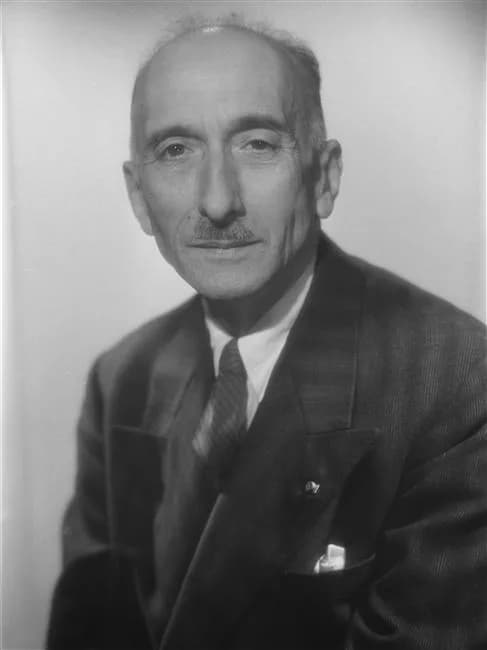
Narodený(á)
September 8, 1588
Oizé, France
Zomrel(a)
September 1, 1648
Paris, France
Známy(a) ako
French theologian, philosopher, mathematician and music theorist, often referred to as the "father of acoustics"
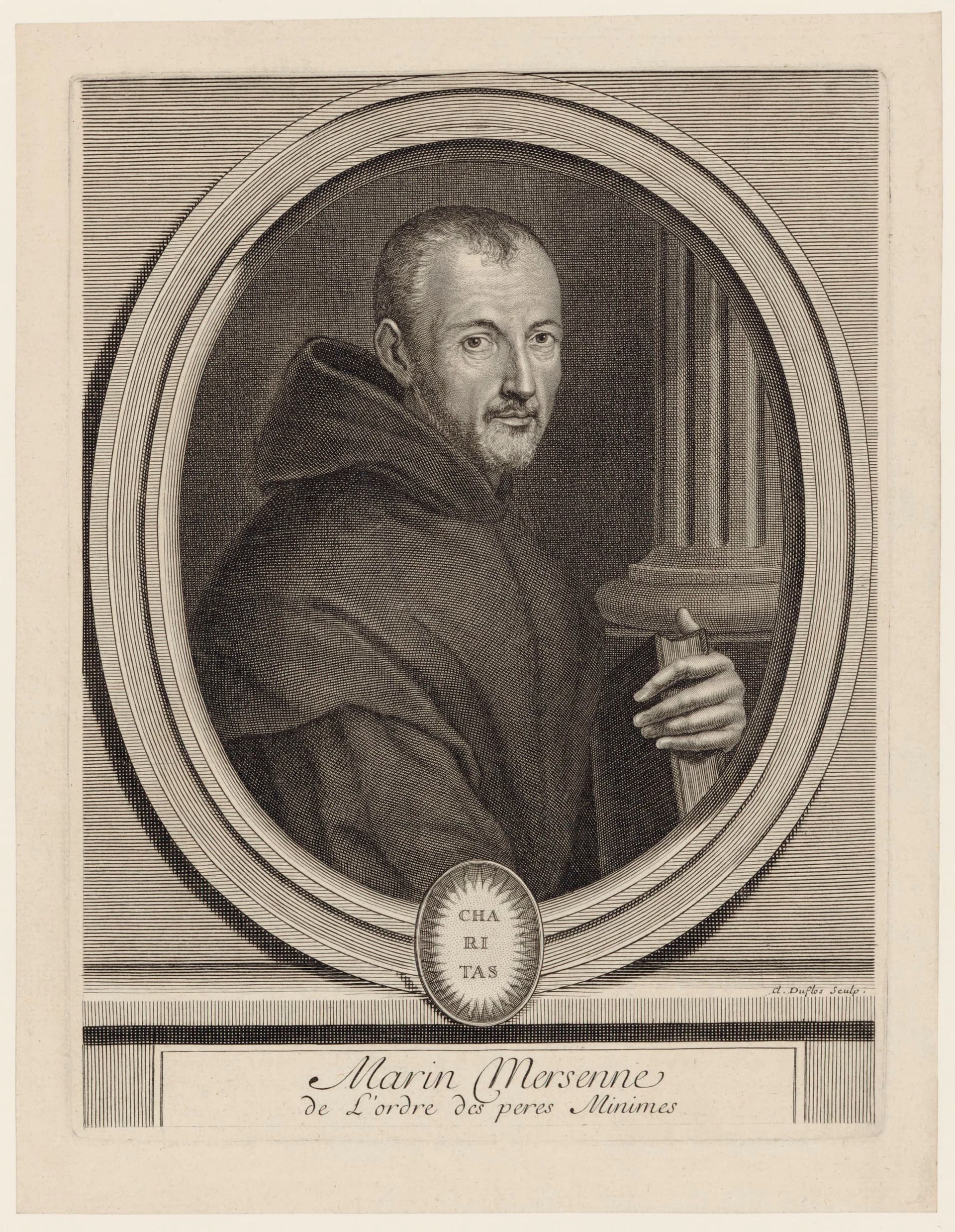
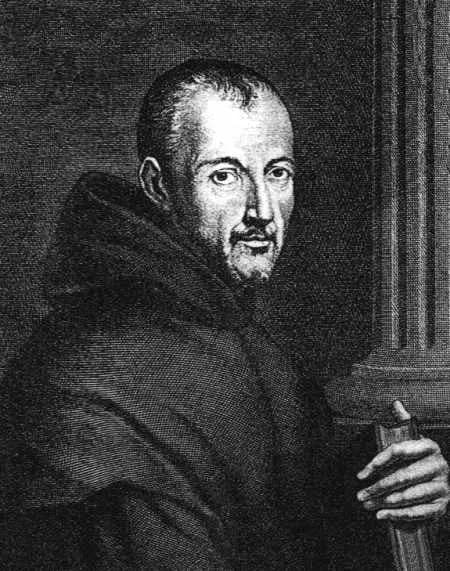
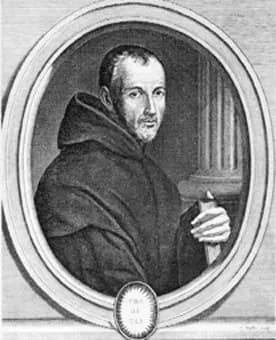
Marin Mersenne (1588–1648) was France best known for French theologian, philosopher, mathematician and music theorist, often referred to as the "father of acoustics".
Marin Mersenne (September 8, 1588 – September 1, 1648) was a French polymath and theologian. He is celebrated for his work on Mersenne prime numbers and for developing Mersenne's laws, which describe vibrating strings. Mersenne is often called the "father of acoustics" for his foundational contributions to music theory.
Život v okamihoch
Okamihy, ktoré formovali život
Kapitola
Životné kapitoly
Kapitola 1 · 1588· Kapitola 1 z 6
Early Life and Origins
Marin Mersenne was born on September 8, 1588, in Oizé, a commune nestled in the Sarthe department of France. Little is explicitly stated about his early family life, but his upbringing surely laid the groundwork for his later intellectual pursuits. His formative years were spent in a period of intense intellectual ferment in Europe.
He received his education at the Jesuit Collège Royal in La Flèche, where he was a contemporary and friend of René Descartes. This shared academic environment fostered connections that would prove significant in their adult lives, highlighting the intellectual camaraderie of the era.
Kapitola 2 · 1611· Kapitola 2 z 6
Career Beginnings
Mersenne joined the Minim order in 1611, taking holy orders in Paris in 1613, which grounded his intellectual life in a theological framework. He served as a lecturer of philosophy in Nevers from 1614 to 1618, where he began to bridge his religious vocation with his burgeoning scientific interests. This period marked the beginning of his prolific career as a scholar and a vital conduit of scientific communication.
Kapitola 3· Kapitola 3 z 6
Major Achievements and Career Highlights
Mersenne's intellectual achievements span numerous fields, earning him recognition as a polymath. Among mathematicians, he is famously associated with Mersenne prime numbers, a special class of prime numbers expressed in the form Mn = 2n − 1. His work significantly contributed to the study and understanding of these unique mathematical entities.
Beyond mathematics, Mersenne made foundational contributions to physics and music theory. He developed Mersenne's laws, which precisely describe the harmonics of a vibrating string. These laws were a major step forward in understanding the physical basis of musical sound, solidifying his role in the history of science.
Kapitola 4 · 1636· Kapitola 4 z 6
Notable Works or Contributions
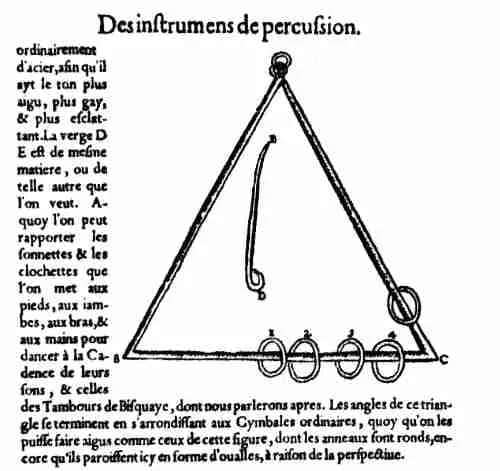
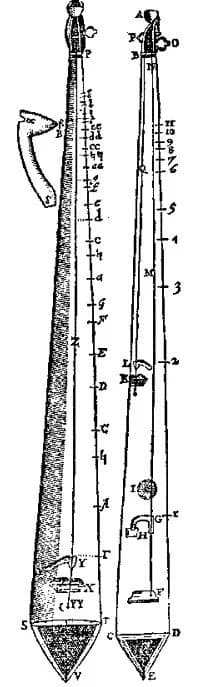
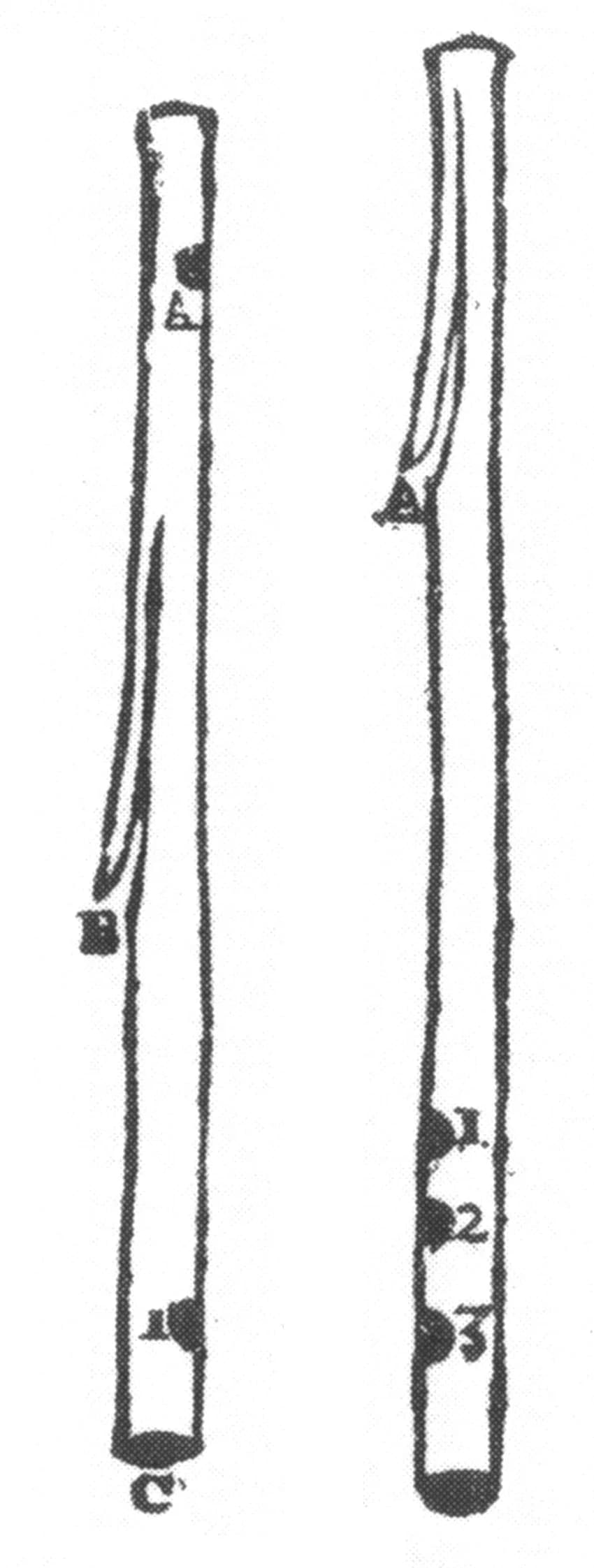
His seminal work, Harmonie universelle (published in 1636), stands as a monumental achievement in music theory, for which he is often referred to as the "father of acoustics." This comprehensive treatise explored the theory and practice of music, covering consonances, dissonances, genres, modes, composition, and a wide array of musical instruments. The breadth and depth of this work demonstrated his mastery of the subject.
Mersenne's other significant publications include Traité de l'harmonie universelle, cited in 2003, and L'usage de la raison, published in 2002. He also authored theological works like L'impiété des déistes (2005), reflecting his deep engagement with both scientific inquiry and religious thought. His 1979 publication, Harmonie vniverselle : contenant la theorie et la pratiqve de la mvsiqve, où il est traité des consonances, des dissonances, des genres, des modes, de la composition, de la voix, des chants, & de toutes sortes d'instrumens harmoniques, further illustrates his meticulous approach to musical scholarship.
Kapitola 5· Kapitola 5 z 6
Later Years
Marin Mersenne spent much of his later life in Paris, France, which served as a vibrant intellectual hub during the 17th century. He maintained an extensive network of correspondence with leading scientists, philosophers, and mathematicians across Europe, effectively acting as a central clearinghouse for scientific ideas. This crucial role facilitated the exchange of knowledge and fostered collaborative intellectual progress.
He passed away in Paris on September 1, 1648, just one week before his 60th birthday. His passing marked the end of a life dedicated to rigorous inquiry and the tireless pursuit of understanding across diverse disciplines. His contributions to the intellectual life of his time were immense, creating a lasting impact on how knowledge was shared and developed.
Kapitola 6· Kapitola 6 z 6
Legacy and Impact
Marin Mersenne's legacy is defined by his unique ability to synthesize knowledge across theology, philosophy, mathematics, and physics. His work on Mersenne prime numbers remains a cornerstone in number theory, continuing to fascinate mathematicians today. His laws of vibrating strings laid fundamental groundwork for the science of acoustics, shaping how we understand sound and music.
Beyond his specific scientific findings, Mersenne's role as an intellectual connector, fostering communication among the great minds of his era, was invaluable. He helped build the intellectual infrastructure that characterized the Scientific Revolution. His spirit of inquiry and commitment to the sharing of knowledge ensured his enduring influence in the annals of intellectual history.
Časté otázky
Často sa pýtajú
Kedy zomrel(a) Marin Mersenne?
Marin Mersenne zomrel(a) 1. septembra 1648 v Paris, France vo veku 59 rokov.
Kde sa narodil(a) Marin Mersenne?
Marin Mersenne sa narodil(a) v Oizé, France 8. septembra 1588.
Čím je Marin Mersenne najznámejší(ia)?
Marin Mersenne je najznámejší(ia) vďaka French theologian, philosopher, mathematician and music theorist, often referred to as the "father of acoustics".
Koľko mal(a) Marin Mersenne v čase smrti?
Marin Mersenne mal(a) v čase smrti 59 rokov.
Akú národnosť mal(a) Marin Mersenne?
Marin Mersenne pochádzal(a) z France.
Časová os
Život v skratke
Fotogaléria
Život v obrazoch
Kliknite na ľubovoľný polaroid pre zväčšenie · 25 fotografií
QR kód
Zdieľať tento životopis
Vytlačiť a zdieľať
Naskenujte pre návštevu tejto stránky životopisu. Vytlačte si pre podujatia, výstavy alebo vzdelávacie materiály.