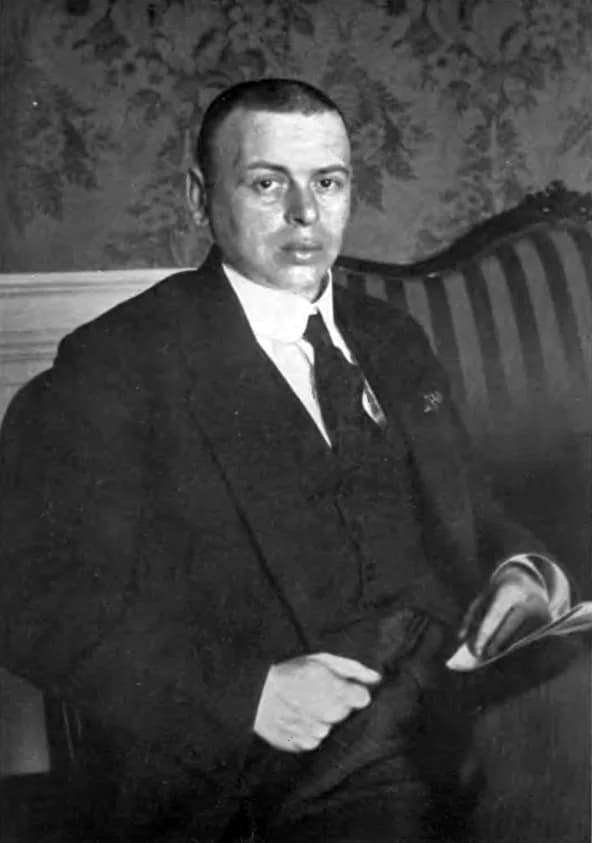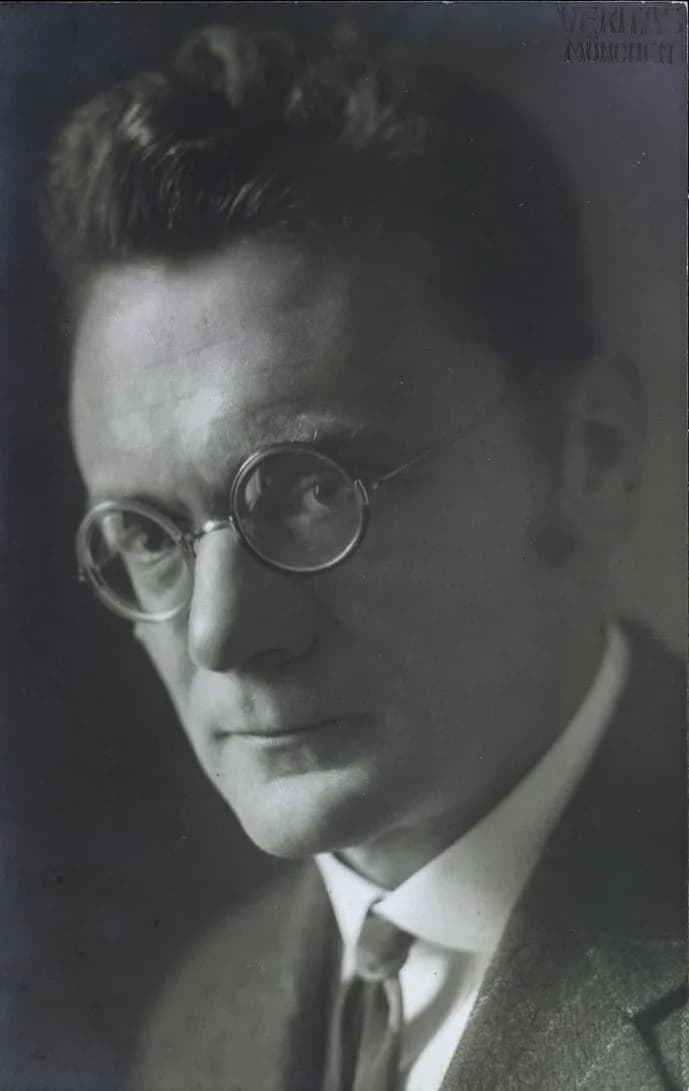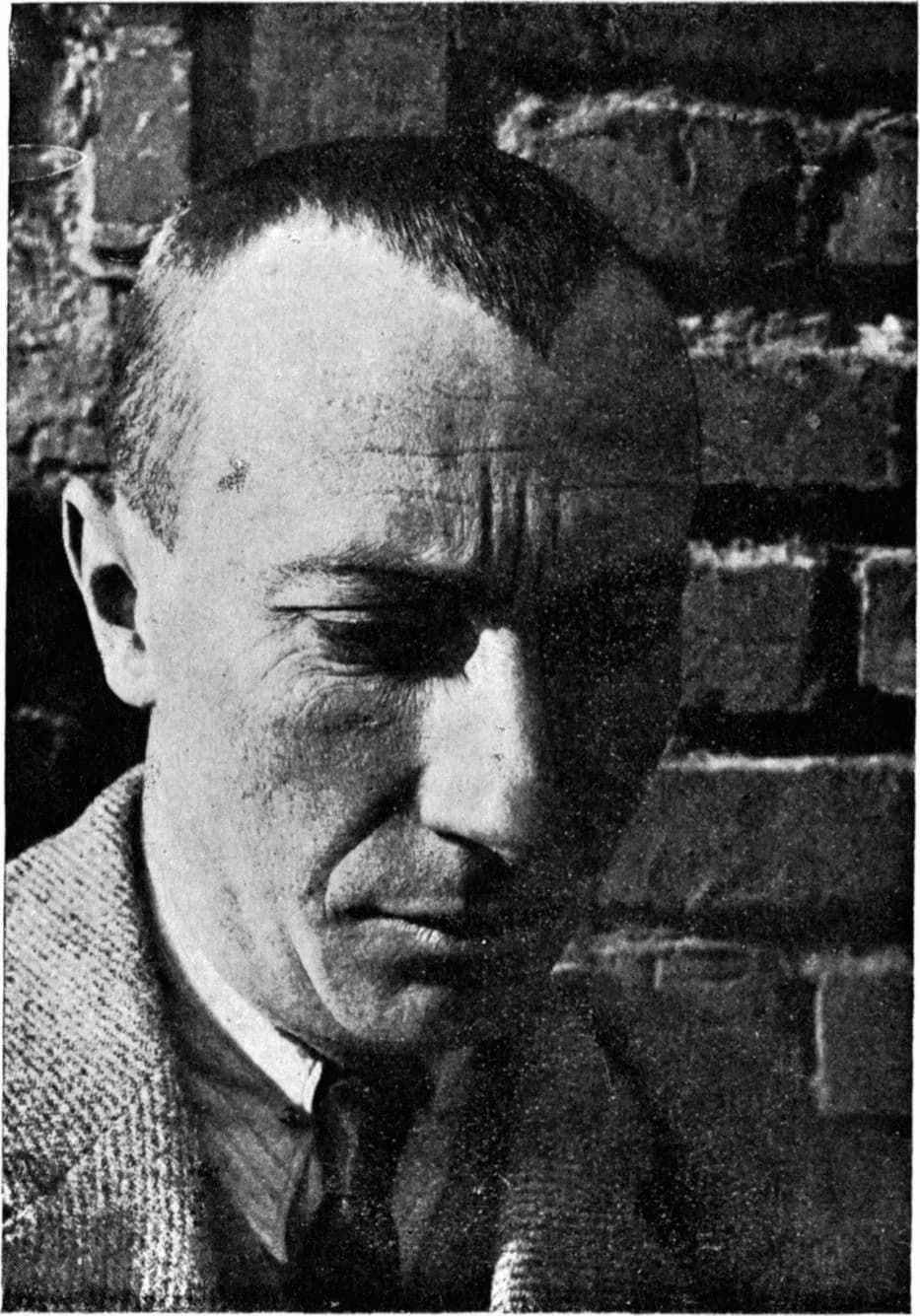
Narodený(á)
September 16, 1886
Strasbourg, France
Zomrel(a)
June 7, 1966
Basel, Switzerland
Známy(a) ako
Alsatian sculptor, painter, poet and abstract artist
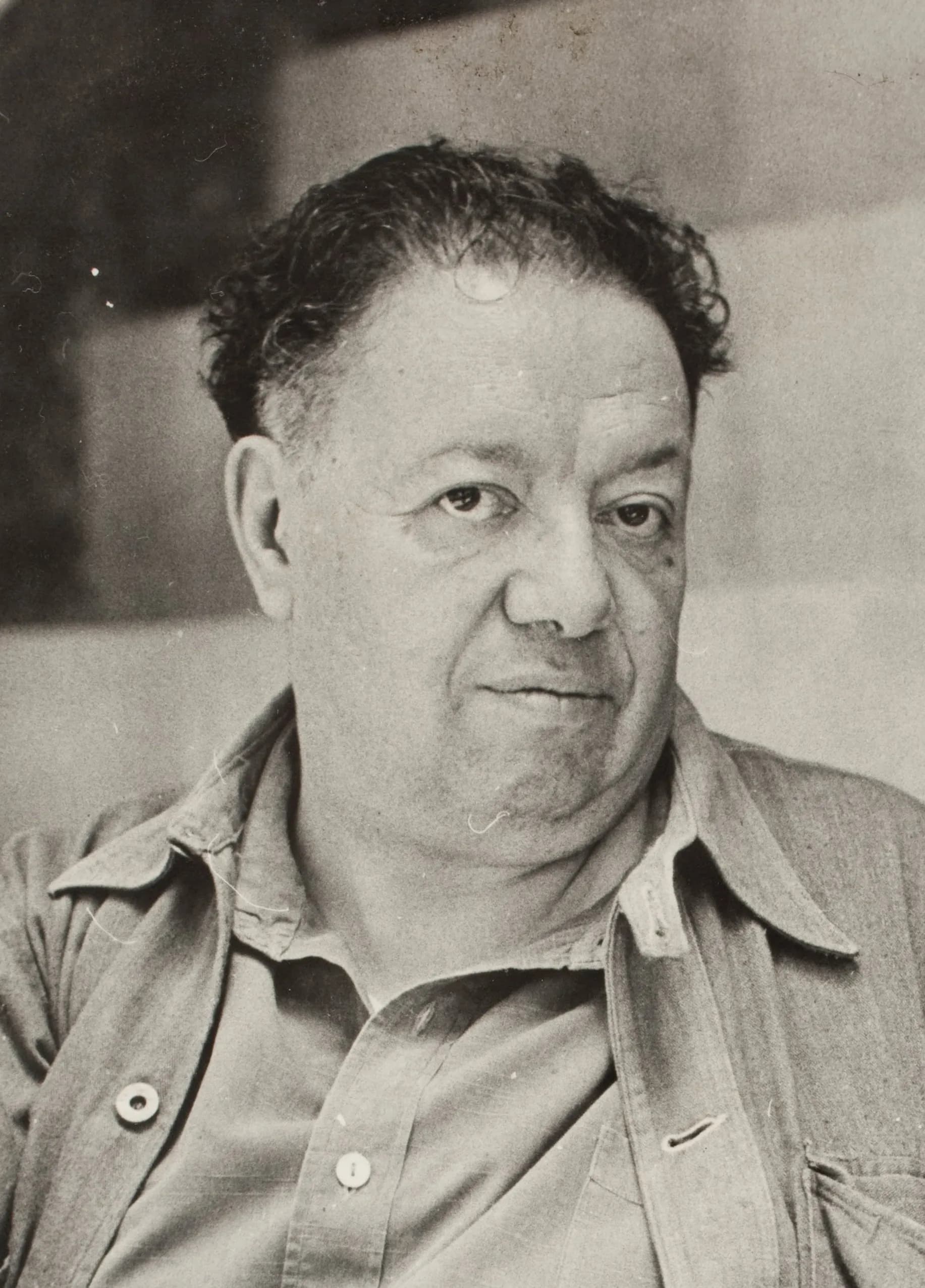
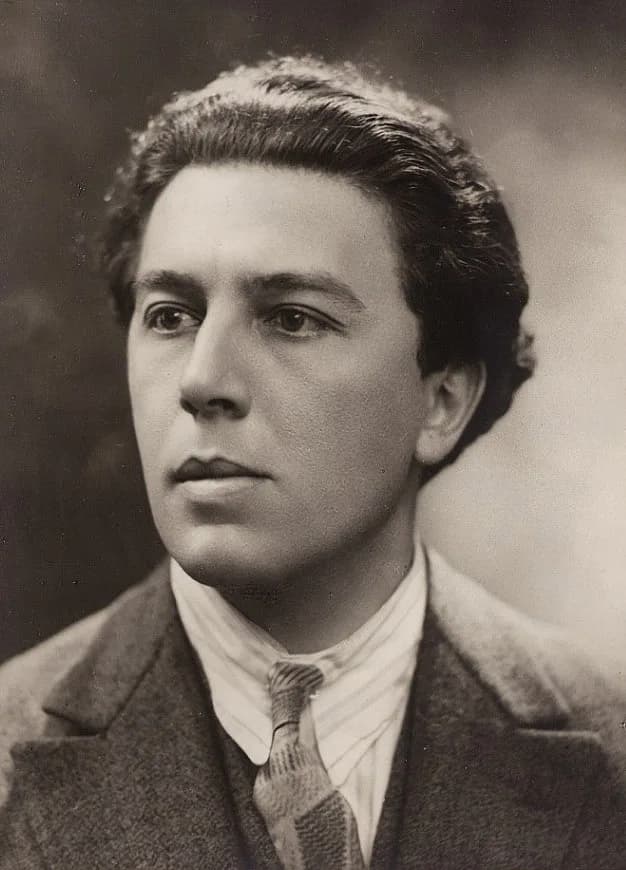
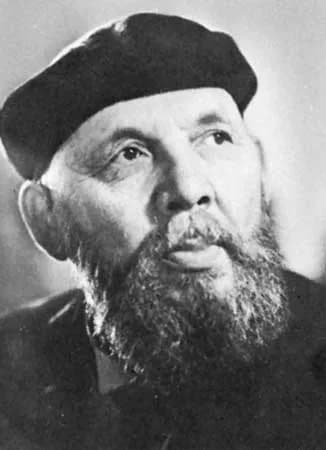
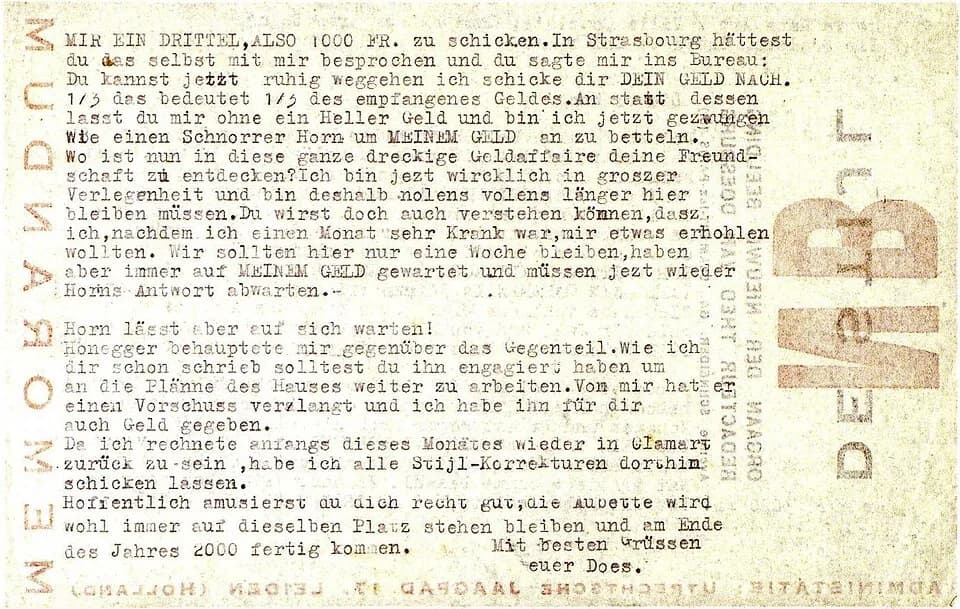
Jean Arp (1886–1966) was France best known for Alsatian sculptor, painter, poet and abstract artist.
Hans Peter Wilhelm Arp (September 16, 1886 – June 7, 1966), better known as Jean Arp, was a German-French sculptor, painter, and poet. He was a pioneering figure in both Dadaism and abstract art. Arp's versatile career left a lasting mark on 20th-century art through his innovative forms and expressions.
Život v okamihoch
Okamihy, ktoré formovali život
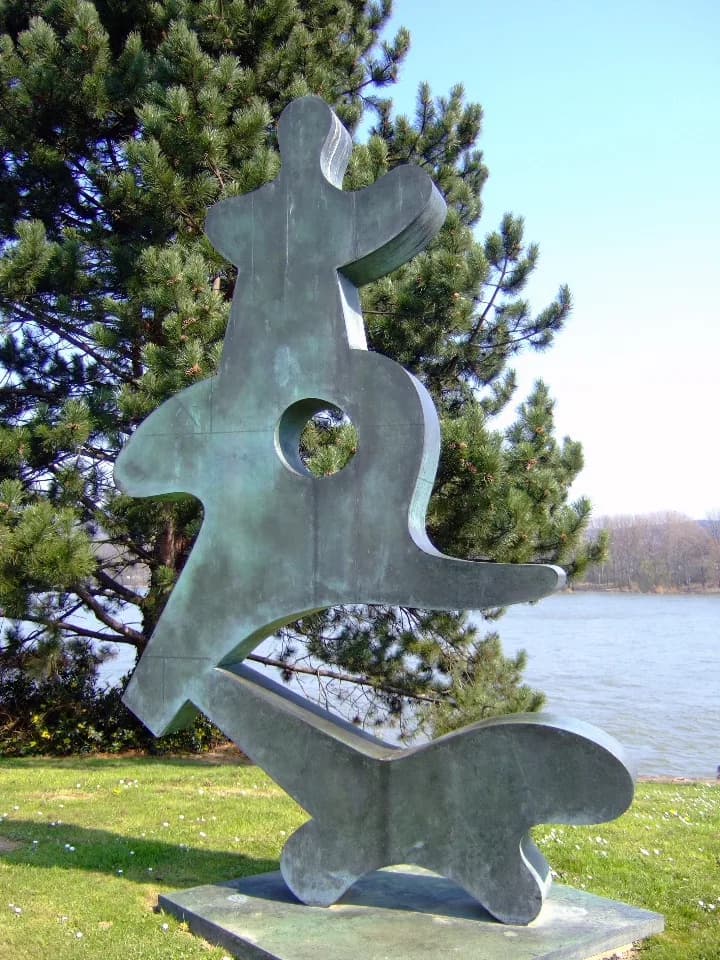
![Jean Arp - description: "Evocation of a Form: Human, Lunar, Spectral" by Hans Jean Arp — at the Hirshhorn Museum Sculpture Garden.
photographer: Jeff Kubina
photographer_url: [1]
flickr_url: [2]
taken](/_next/image?url=https%3A%2F%2Fcdn.whowasthisguy.com%2Fgallery_wikimedia_commons_1779972334479_1_0cee490a2a.webp&w=1920&q=75)
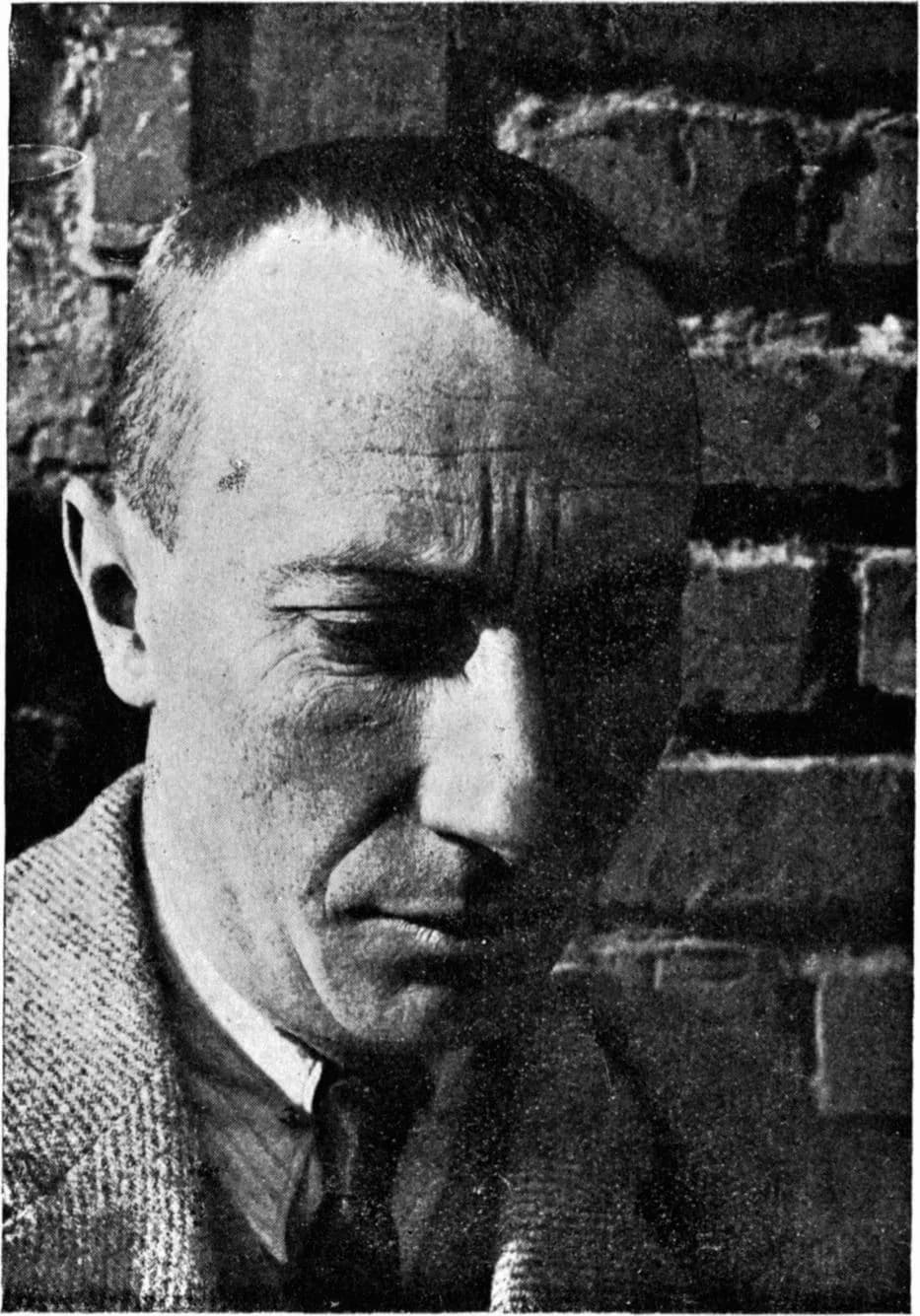
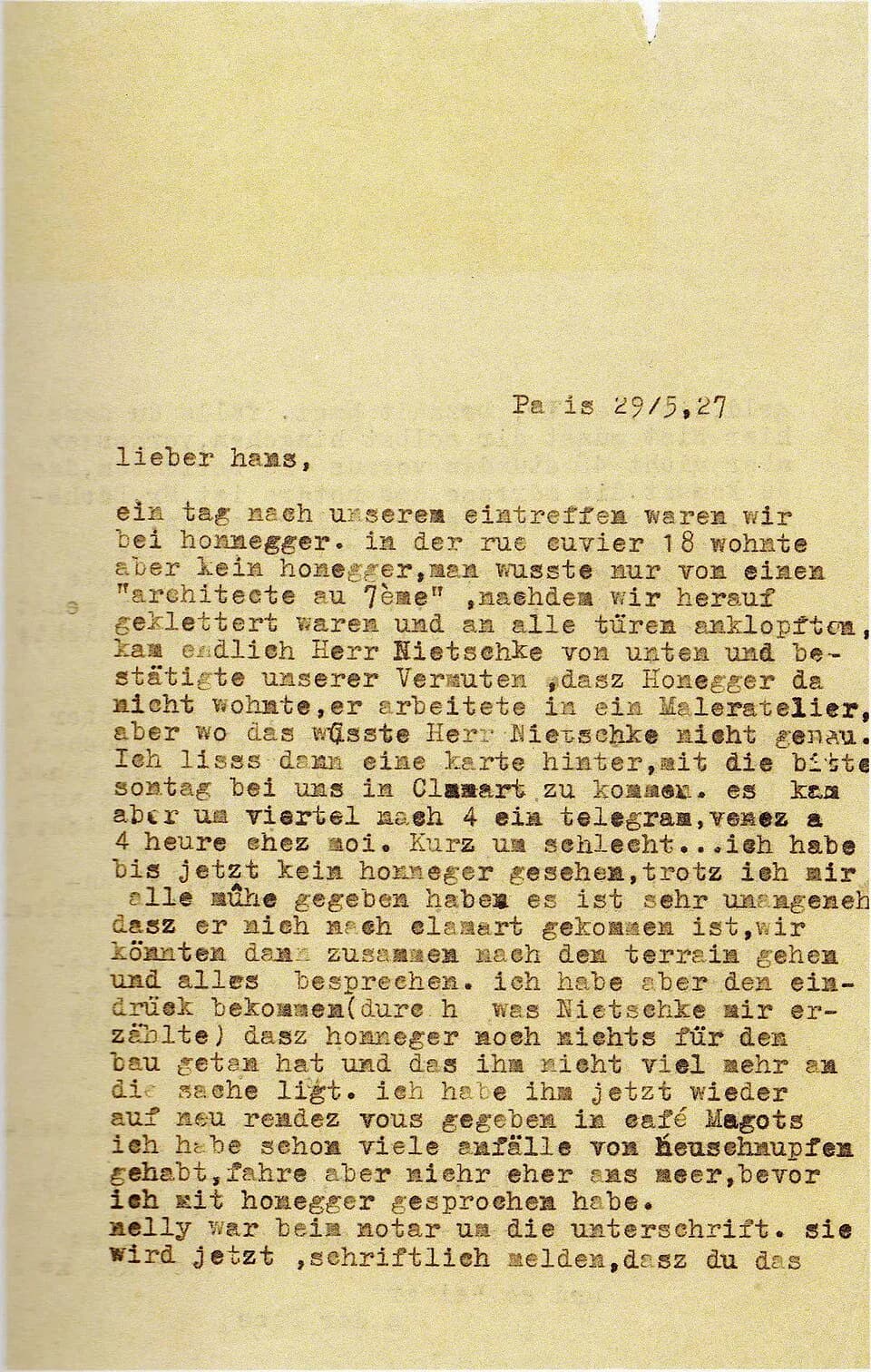
![Jean Arp - Theo van Doesburg. Memorandumpapier [met daarop brief aan Hans Arp, begin juli 1927?]. 1922. Drukwerk. 20,5 × 13,5 cm. Den Haag, Rijksbureau voor Kunsthistorische Documentatie.](/_next/image?url=https%3A%2F%2Fcdn.whowasthisguy.com%2Fgallery_wikimedia_commons_1779972336110_3_2c360ac255.webp&w=1920&q=75)
Kapitola
Životné kapitoly
Kapitola 1 · 1886· Kapitola 1 z 8
Opening
Hans Peter Wilhelm Arp, better known as Jean Arp, born on September 16, 1886, and who passed away on June 7, 1966, was a celebrated Alsatian sculptor, painter, and poet. He emerged as a truly defining force in 20th-century modern art. His significant legacy as a pioneering Dadaist and abstract artist continues to influence artistic expression and perception globally.
Kapitola 2 · 1886· Kapitola 2 z 8
Early Life and Origins
Jean Arp began his life in Strasbourg, France, on September 16, 1886. This birth city, situated at a crossroads of cultures, instilled in him a unique German-French heritage. This dual identity was often reflected in his work and in the use of both his given name, Hans, and the French equivalent, Jean.
Kapitola 3· Kapitola 3 z 8
Career Beginnings
Arp's artistic journey saw him deeply engaged in the avant-garde movements of his time. He quickly established himself as a central figure in the Dadaist movement, embracing its revolutionary spirit and its challenge to conventional art forms. This early involvement was crucial in shaping his distinctive path toward abstract art, where he explored new visual languages and forms.
Kapitola 4· Kapitola 4 z 8
Major Achievements and Career Highlights
Throughout his remarkable career, Jean Arp demonstrated an extraordinary range of artistic talents and creative outputs. Beyond his primary recognition as a sculptor, painter, and poet, he was also active as a photographer, writer, docent, and illustrator. His expansive practice further included roles as a graphic artist, jewelry designer, designer, and draftsperson, showcasing his versatility across numerous artistic disciplines. His groundbreaking contributions to Dadaism and his development of influential abstract art forms cemented his status as a major artist of the modern era.
Kapitola 5· Kapitola 5 z 8
Personal Life
While Jean Arp's professional and artistic life generated a vast body of influential work and public recognition, specific details regarding his personal relationships or private interests are not explicitly available in the provided biographical information. His extensive creative output remains the primary record of his artistic vision and personal journey.
Kapitola 6· Kapitola 6 z 8
Notable Works or Contributions
Jean Arp’s body of work encompasses both significant written publications and iconic visual artworks. His notable bibliographical contributions include "Dessins à lacunes à traits horizontaux," "Histoire naturelle," and his comprehensive "Collected French writings." He also authored "Die Engelsschrift," further establishing his voice in artistic and poetic discourse.
His innovative sculptures and relief works are held in prestigious collections around the world. The Met Museum features key pieces such as "Configuration in Serpentine Movements I" (1950), "Torso, Navel, Mustache-Flower" (1930), "Fruit Agressif" (1965–66), "Seuil-Configuration" (1959), and "Man Seen by a Flower" (1958). The Art Institute of Chicago also boasts a significant collection, including works like "Growth" (1938/60), "Configuration" (1952), "Manicured Relief" (1930), "Torso-Kore" (1958), "Extremity of a Mythical Wineskin" (1952), "Poupée-basset" (1965), "Ramure (Branches or Antlers)" (1950s), "Composition in a Circle" (1962), and "Composition Gris, Noir, Rouge (Composition Gray, Black, Red)" (1958), all showcasing his distinctive abstract style.
Kapitola 7 · 1966· Kapitola 7 z 8
Later Years
Jean Arp maintained his artistic output and influence into his later years, continually refining his aesthetic and expanding his expressive forms. He passed away on June 7, 1966, in Basel, Switzerland. His creative journey concluded having left an enduring mark on the art world through his unwavering commitment to innovation.
Kapitola 8· Kapitola 8 z 8
Legacy and Impact
Jean Arp's enduring impact on 20th-century art is undeniably significant. As a co-founder of the Dada movement, he helped redefine the boundaries of artistic expression and paved the way for new creative methodologies. His pioneering work in abstract art, characterized by organic, biomorphic forms, continues to inspire generations of artists and captivate audiences worldwide. His versatile contributions across sculpture, painting, and poetry cemented his reputation as a truly innovative and influential figure in modern art history.
Časté otázky
Často sa pýtajú
Kedy zomrel(a) Jean Arp?
Jean Arp zomrel(a) 7. júna 1966 v Basel, Switzerland vo veku 79 rokov.
Kde sa narodil(a) Jean Arp?
Jean Arp sa narodil(a) v Strasbourg, France 16. septembra 1886.
Čím je Jean Arp najznámejší(ia)?
Jean Arp je najznámejší(ia) vďaka Alsatian sculptor, painter, poet and abstract artist.
Koľko mal(a) Jean Arp v čase smrti?
Jean Arp mal(a) v čase smrti 79 rokov.
Akú národnosť mal(a) Jean Arp?
Jean Arp pochádzal(a) z France.
Časová os
Život v skratke
- 1886
Opening
- 1886
Early Life and Origins
- 1966
Later Years
Fotogaléria
Život v obrazoch
Kliknite na ľubovoľný polaroid pre zväčšenie · 25 fotografií
QR kód
Zdieľať tento životopis
Vytlačiť a zdieľať
Naskenujte pre návštevu tejto stránky životopisu. Vytlačte si pre podujatia, výstavy alebo vzdelávacie materiály.