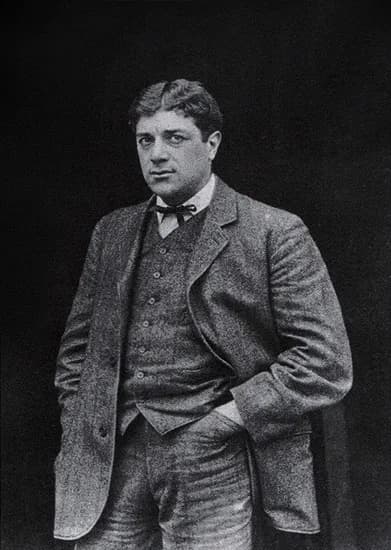
Narodený(á)
May 13, 1882
Argenteuil, France
Zomrel(a)
August 31, 1963
Paris, France
Známy(a) ako
French painter and sculptor
Georges Braque (1882–1963) was France best known for French painter and sculptor.
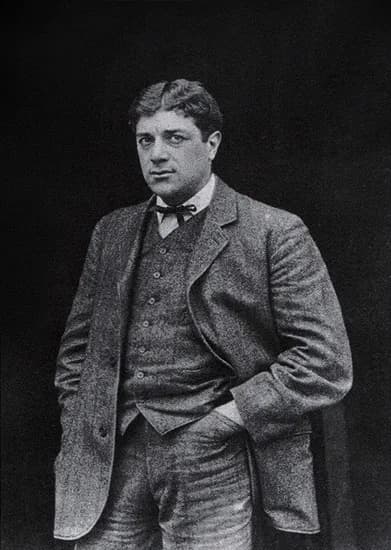
Georges Braque (May 13, 1882 – August 31, 1963) was a French painter and sculptor. He was a major figure in 20th-century art, known for his crucial role in developing Cubism alongside Pablo Picasso. His work greatly influenced modern artistic movements.
Kapitola
Životné kapitoly
Kapitola 1 · 1882· Kapitola 1 z 7
Early Life and Origins
Georges Braque was born in Argenteuil, France, on May 13, 1882. Details about his early family life and specific upbringing are not extensively provided in available records, but his origins in France placed him at the heart of a burgeoning artistic movement. This early exposure to the cultural environment of France likely fostered his innate artistic inclinations and set the stage for his future endeavors.
Kapitola 2 · 1905· Kapitola 2 z 7
Career Beginnings
Braque's career began with an alliance with Fauvism starting around 1905, marking his initial foray into modern artistic expression. This period saw him exploring vibrant colors and bold brushwork characteristic of the Fauvist movement. His early works from this time, like "House behind Trees" (1906–7) and "Landscape at L'Estaque" (1906), exemplify his engagement with contemporary artistic trends and a growing command of visual language.
Kapitola 3 · 1908· Kapitola 3 z 7
Major Achievements and Career Highlights
A defining achievement in Braque's career was his crucial role in the development of Cubism, an innovative art movement that revolutionized perspective and form. His work between 1908 and 1912 is particularly noted for its close association with his colleague Pablo Picasso. During this period, their respective Cubist works were so similar that they were often indistinguishable, representing a significant collaboration that redefined artistic representation.
Kapitola 4· Kapitola 4 z 7
Personal Life
While the provided information does not detail aspects of Georges Braque's personal life such as family or specific relationships, his quiet nature is mentioned in contrast to Pablo Picasso's fame. This suggests a focus on his artistic pursuits rather than public notoriety. His life was evidently dedicated to his extensive and varied professional roles as an artist and designer, contributing quietly but powerfully to the art world.
Kapitola 5 · 1910· Kapitola 5 z 7
Notable Works or Contributions
Braque produced a significant body of work across various mediums throughout his career. His notable artworks include "Candlestick and Playing Cards on a Table" (spring 1910), "Bottle of Rum" (Paris, spring 1914), and "Bottle, Glass, and Pipe (Violette de Parme)" (Paris, early 1914), showcasing his Cubist explorations. Later works like "The Billiard Table" (1944–52), "Wheatfield" (c. 1951), and "Ajax" (1949/54) demonstrate his continued evolution in style and subject matter. Other important pieces such as "Little Harbor in Normandy" (spring 1909), "Antwerp" (1906), "Still Life with Fruits and Stringed Instrument" (1938), and "Woman at an Easel (Green Screen)" (1936) further highlight his diverse contributions. He also created "Still Life with Glass, Dice, Newspaper and Playing Card" (1913), "Still Life" (1914), and "Bal (recto); Guitar (verso)" (1912), affirming his range as a painter and collagist.
Kapitola 6 · 1944· Kapitola 6 z 7
Later Years
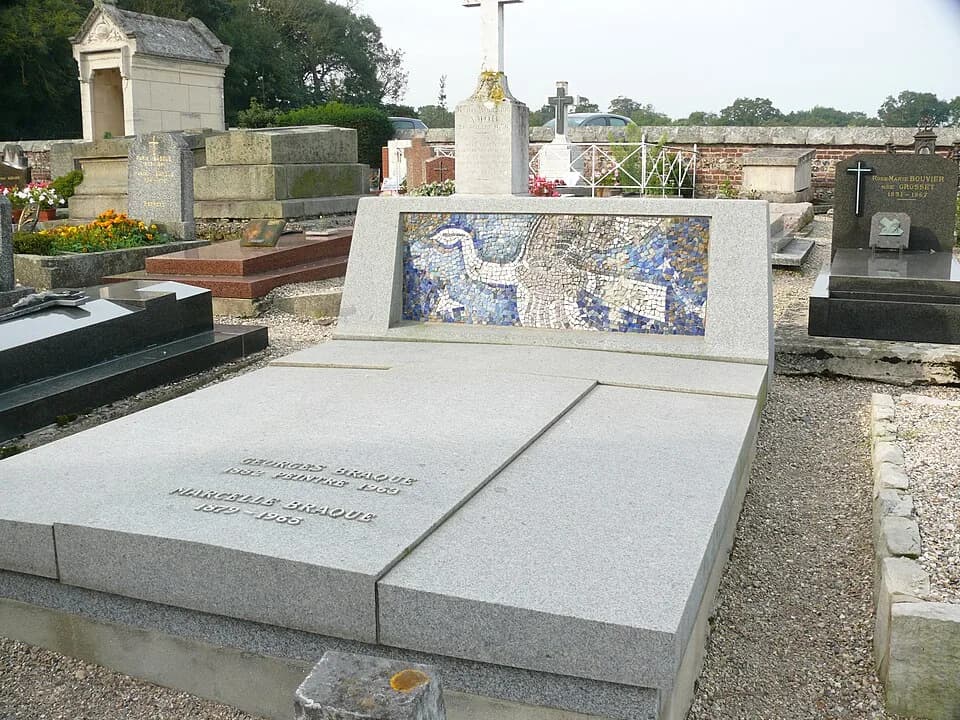
Georges Braque continued his prolific artistic output into his later years, creating significant works like "The Billiard Table" (1944–52) and "Wheatfield" (c. 1951). His dedication to art remained steadfast, with pieces such as "Ajax" (1949/54) emerging closer to the end of his life. He passed away in Paris, France, on August 31, 1963, leaving behind a rich legacy of innovation and artistic accomplishment.
Kapitola 7· Kapitola 7 z 7
Legacy and Impact
Georges Braque's influence on 20th-century art is immense, particularly through his co-founding of Cubism alongside Pablo Picasso. He redefined the possibilities of pictorial space and representation, fundamentally changing the course of modern painting and sculpture. Despite his quiet nature, his technical mastery and revolutionary approach to form and perspective ensured his lasting influence as a leading figure in modern art, inspiring generations of artists.
Život v okamihoch
Okamihy, ktoré formovali život
Časté otázky
Často sa pýtajú
Kedy zomrel(a) Georges Braque?
Georges Braque zomrel(a) 31. augusta 1963 v Paris, France vo veku 81 rokov.
Kde sa narodil(a) Georges Braque?
Georges Braque sa narodil(a) v Argenteuil, France 13. mája 1882.
Čím je Georges Braque najznámejší(ia)?
Georges Braque je najznámejší(ia) vďaka French painter and sculptor.
Koľko mal(a) Georges Braque v čase smrti?
Georges Braque mal(a) v čase smrti 81 rokov.
Akú národnosť mal(a) Georges Braque?
Georges Braque pochádzal(a) z France.
Časová os
Život v skratke
Fotogaléria
Život v obrazoch
Kliknite na ľubovoľný polaroid pre zväčšenie · 47 fotografií
QR kód
Zdieľať tento životopis
Vytlačiť a zdieľať
Naskenujte pre návštevu tejto stránky životopisu. Vytlačte si pre podujatia, výstavy alebo vzdelávacie materiály.