Narodený(á)
May 8, 1899
Vienna, Austria
Zomrel(a)
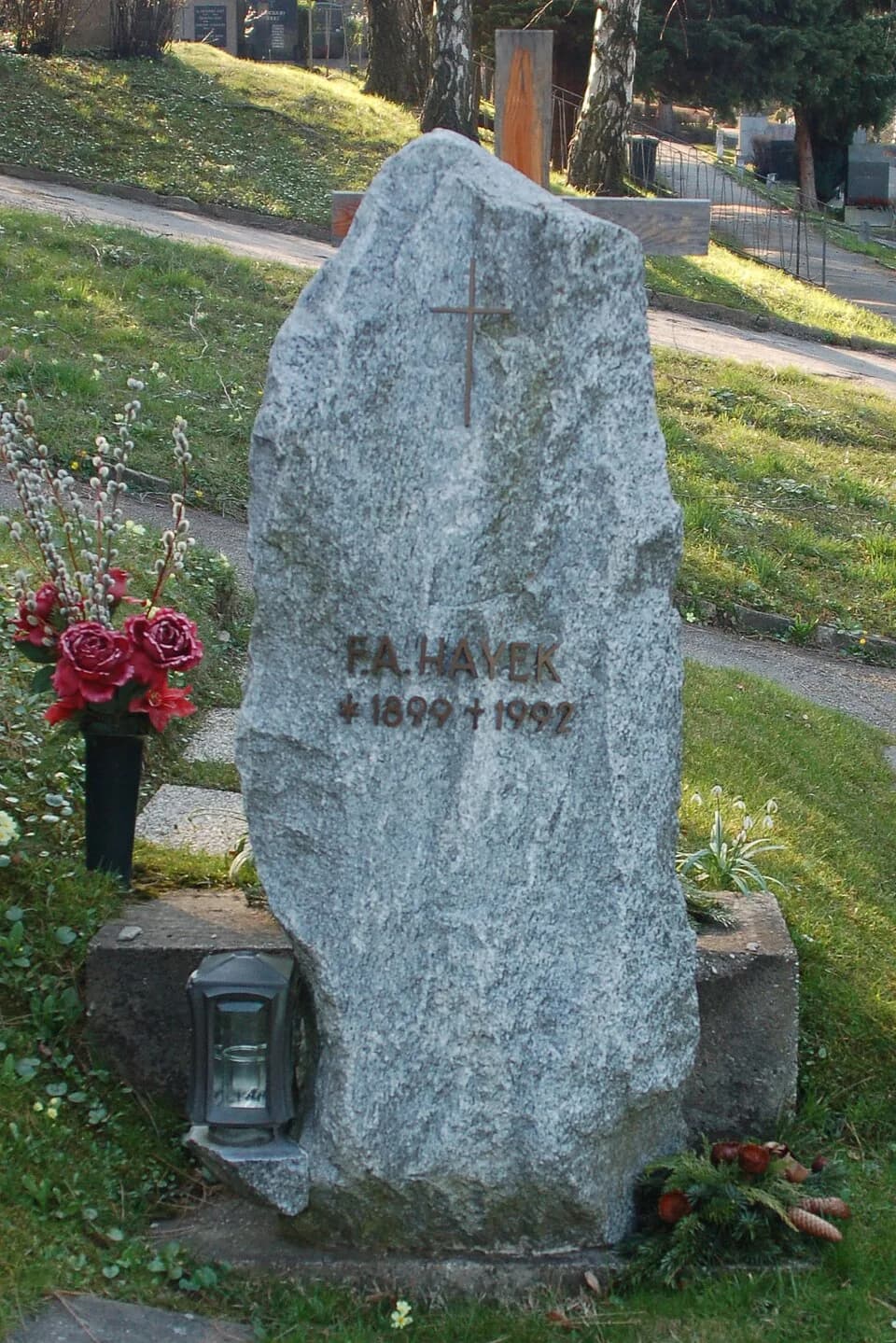
March 23, 1992
Freiburg im Breisgau, Germany
Známy(a) ako
Austrian and British economist
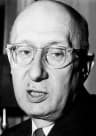
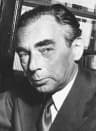
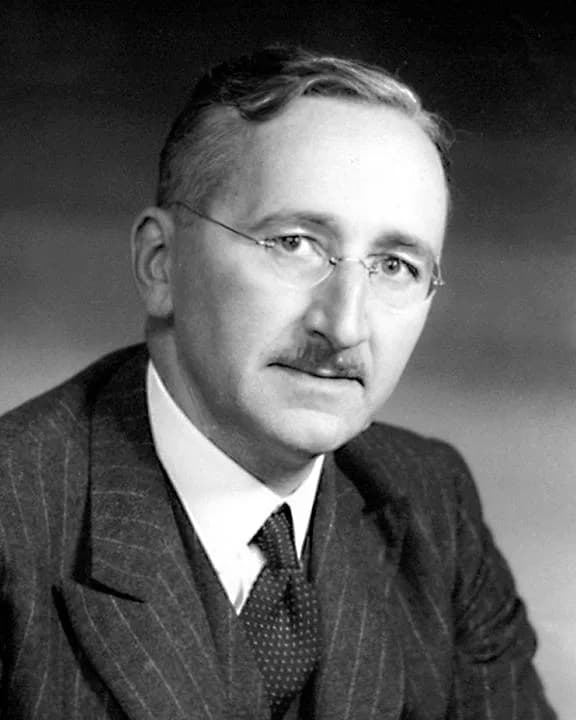
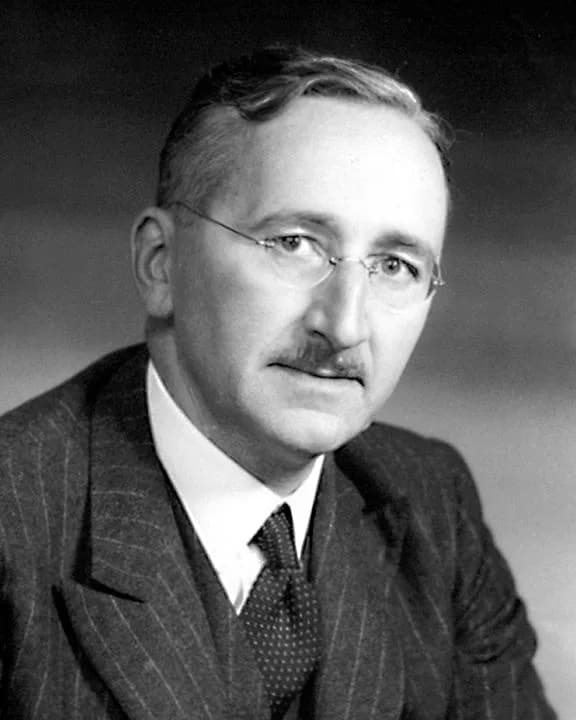
Friedrich Hayek (1899–1992) was Austria best known for Austrian and British economist.
Friedrich August von Hayek (May 8, 1899 – March 23, 1992) was an Austrian and British economist and philosopher. He shared the 1974 Nobel Memorial Prize for his work on economic fluctuations and the informational role of prices. His contributions to the Austrian school of economics shaped modern political economy.
Kapitola
Životné kapitoly
Kapitola 1 · 1899· Kapitola 1 z 7
Early Life and Origins
Friedrich Hayek was born in Vienna, Austria, on May 8, 1899, during a period of rich intellectual ferment in the city. His early life in Vienna undoubtedly set the stage for his academic pursuits and his contributions to the Austrian school of economics. While extensive details about his family and upbringing are not provided, his origins in this vibrant intellectual hub were foundational to his development as a scholar.
Kapitola 2· Kapitola 2 z 7
Career Beginnings
Friedrich Hayek embarked on a distinguished career that spanned multiple academic disciplines, showcasing his wide-ranging intellectual curiosity. He professionally engaged as an economist, historian, political scientist, and philosopher, demonstrating a comprehensive approach to understanding society. He also served as a university teacher, dedicating himself to the education of future generations and fostering new ideas.
Kapitola 3 · 1974· Kapitola 3 z 7
Major Achievements and Career Highlights
Hayek's career was marked by significant achievements, most notably his recognition with the 1974 Nobel Memorial Prize in Economic Sciences. He shared this prestigious award with Gunnar Myrdal for their separate but impactful work on money and economic fluctuations. The Nobel Committee specifically highlighted his exploration of the interdependence of economic, social, and institutional phenomena.
His insights into how prices effectively communicate crucial information within an economy are widely regarded as a major contribution that directly led to his Nobel recognition. He was also a major contributor to the Austrian school of economics, a school of thought known for its emphasis on individual action, decentralized knowledge, and spontaneous order. These contributions solidified his place as a leading figure in 20th-century economic thought.
Kapitola 4· Kapitola 4 z 7
Personal Life
The provided information does not offer specific details about Friedrich Hayek's personal life, family, relationships, or particular interests outside of his professional and academic pursuits. His public life was primarily defined by his profound intellectual contributions and his extensive body of scholarly work across various fields.
Kapitola 5· Kapitola 5 z 7
Notable Works or Contributions
Friedrich Hayek authored several influential works that left a lasting impression on economic and political thought. Among his notable publications were "LA TEORÍA PURA DEL CAPITAL" and "ESTUDIOS SOBRE EL ABUSO DE LA RAZÓN," which explored complex themes in capital theory and the limits of reason. These texts demonstrated his rigorous analytical approach and his commitment to deep intellectual inquiry.
His academic output also included numerous papers, with an h-index of 1 and 8 listed papers, showcasing his consistent engagement with scholarly discourse. These publications covered diverse topics, further illustrating the breadth of his intellectual curiosity and his continuous contribution to academic discussions.
Kapitola 6 · 1992· Kapitola 6 z 7
Later Years
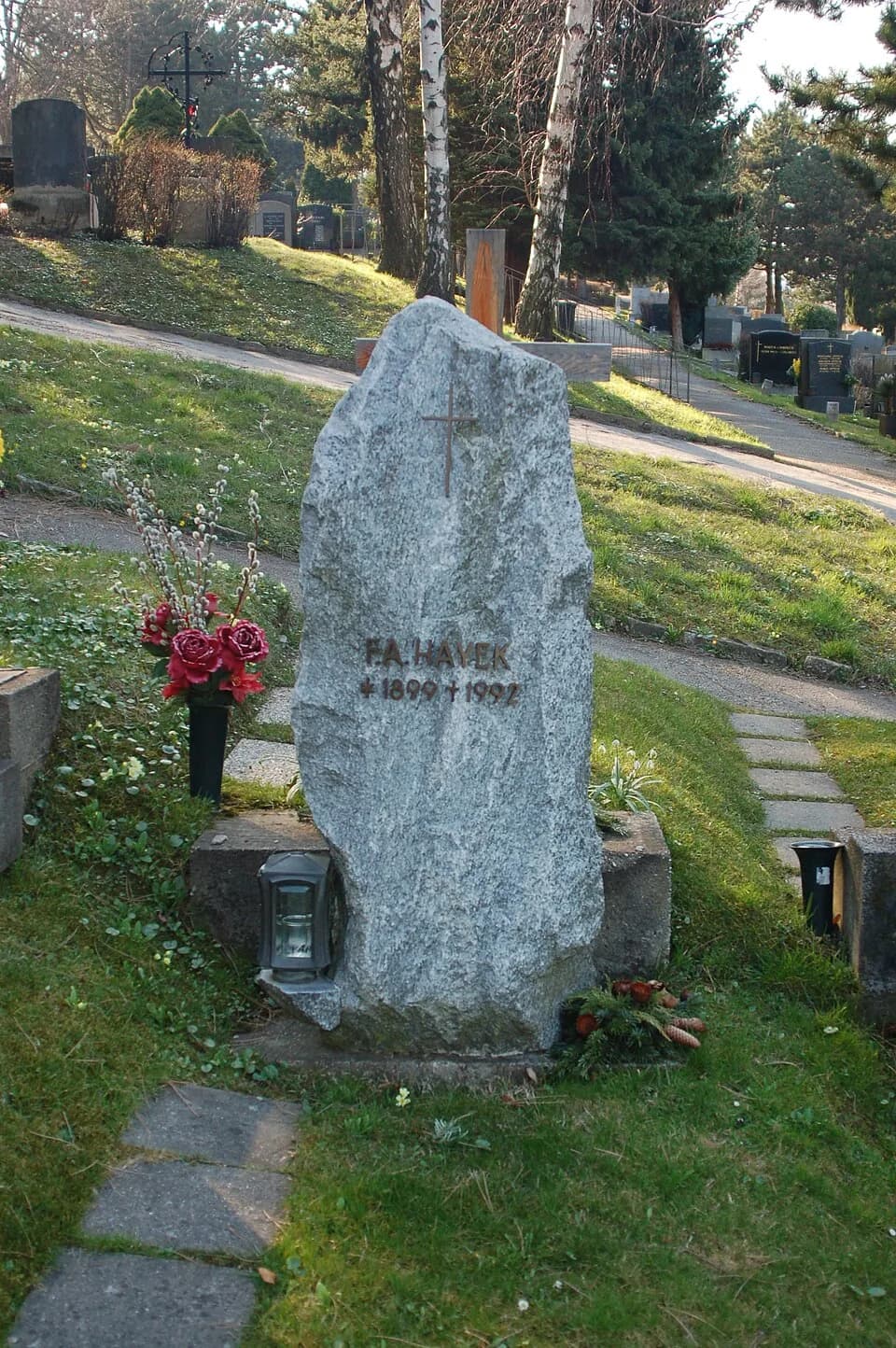
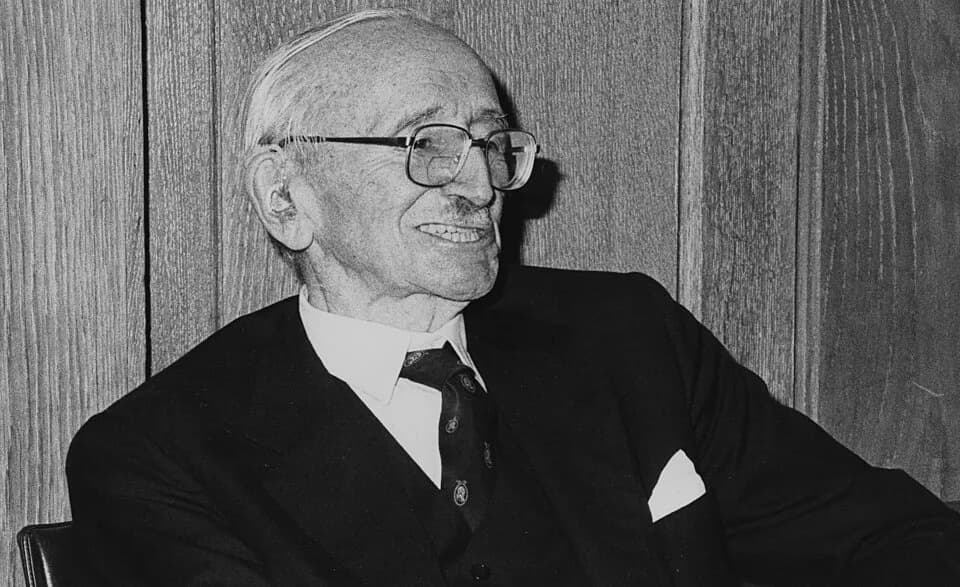
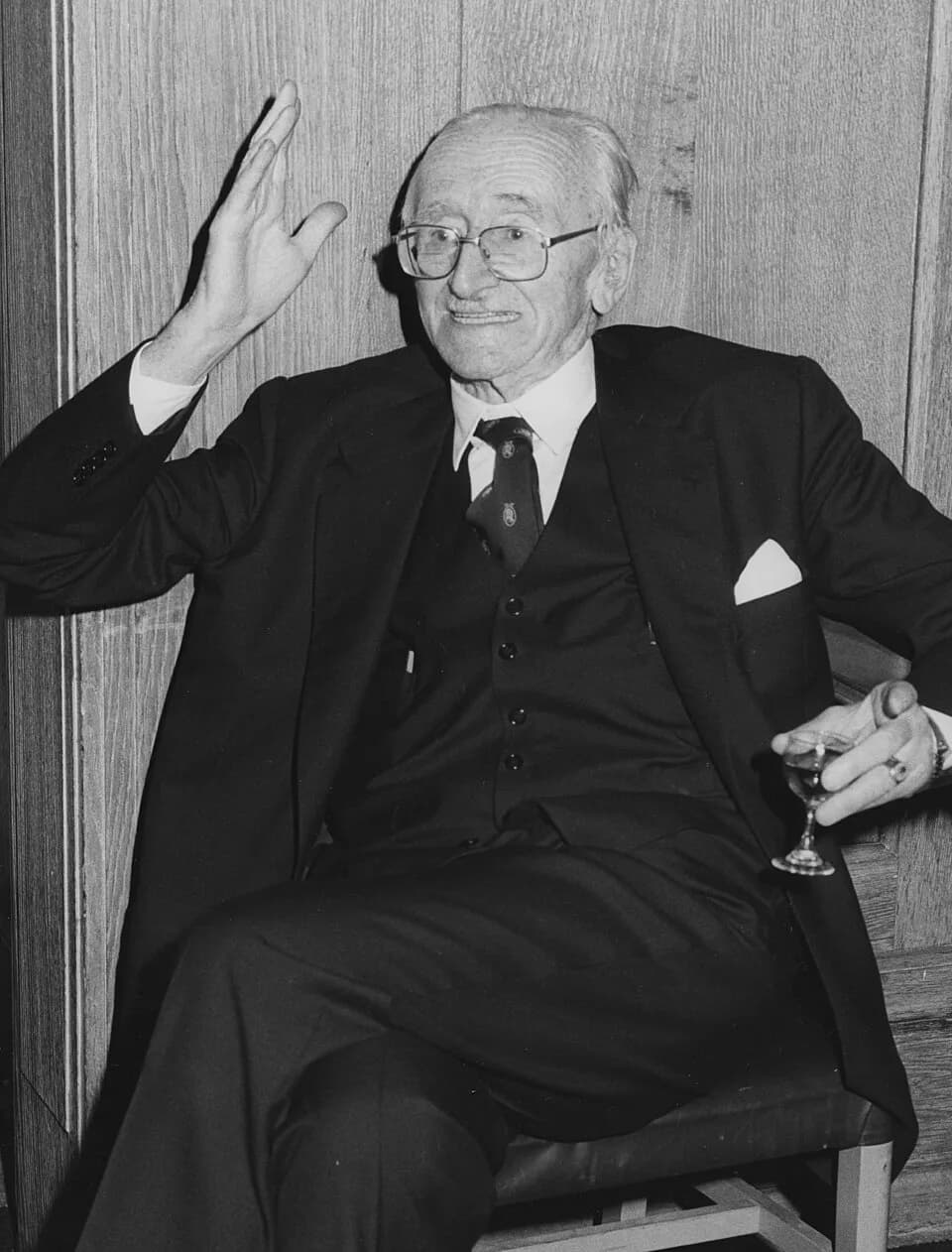
After a long and distinguished career, Friedrich Hayek passed away on March 23, 1992, in Freiburg im Breisgau, Germany, at the age of 92. His later years likely saw him continue to reflect on and refine his ideas, influencing a new generation of thinkers and solidifying his intellectual legacy. His passing in Germany underscored his enduring connection to European intellectual traditions.
Kapitola 7· Kapitola 7 z 7
Legacy and Impact
Friedrich Hayek's legacy is profound, as he significantly influenced the course of economic and political thought throughout the 20th century and beyond. His contributions to political economy, political philosophy, and intellectual history continue to be studied and debated globally. His concept of prices communicating information remains a cornerstone of economic theory, offering a powerful argument for market systems and their efficiency.
He effectively challenged prevailing economic theories of his time, emphasizing the importance of individual liberty, spontaneous order, and the limitations of central planning. His influence is still deeply felt in contemporary discussions about free markets, individual rights, and the appropriate role of government in the economy. Hayek’s ideas continue to inspire scholars and policymakers worldwide.
Život v okamihoch
Okamihy, ktoré formovali život
Časté otázky
Často sa pýtajú
Kedy zomrel(a) Friedrich Hayek?
Friedrich Hayek zomrel(a) 23. marca 1992 v Freiburg im Breisgau, Germany vo veku 92 rokov.
Kde sa narodil(a) Friedrich Hayek?
Friedrich Hayek sa narodil(a) v Vienna, Austria 8. mája 1899.
Čím je Friedrich Hayek najznámejší(ia)?
Friedrich Hayek je najznámejší(ia) vďaka Austrian and British economist.
Koľko mal(a) Friedrich Hayek v čase smrti?
Friedrich Hayek mal(a) v čase smrti 92 rokov.
Akú národnosť mal(a) Friedrich Hayek?
Friedrich Hayek pochádzal(a) z Austria.
Časová os
Život v skratke
Fotogaléria
Život v obrazoch
Kliknite na ľubovoľný polaroid pre zväčšenie · 45 fotografií
QR kód
Zdieľať tento životopis
Vytlačiť a zdieľať
Naskenujte pre návštevu tejto stránky životopisu. Vytlačte si pre podujatia, výstavy alebo vzdelávacie materiály.