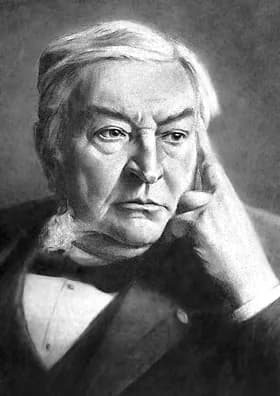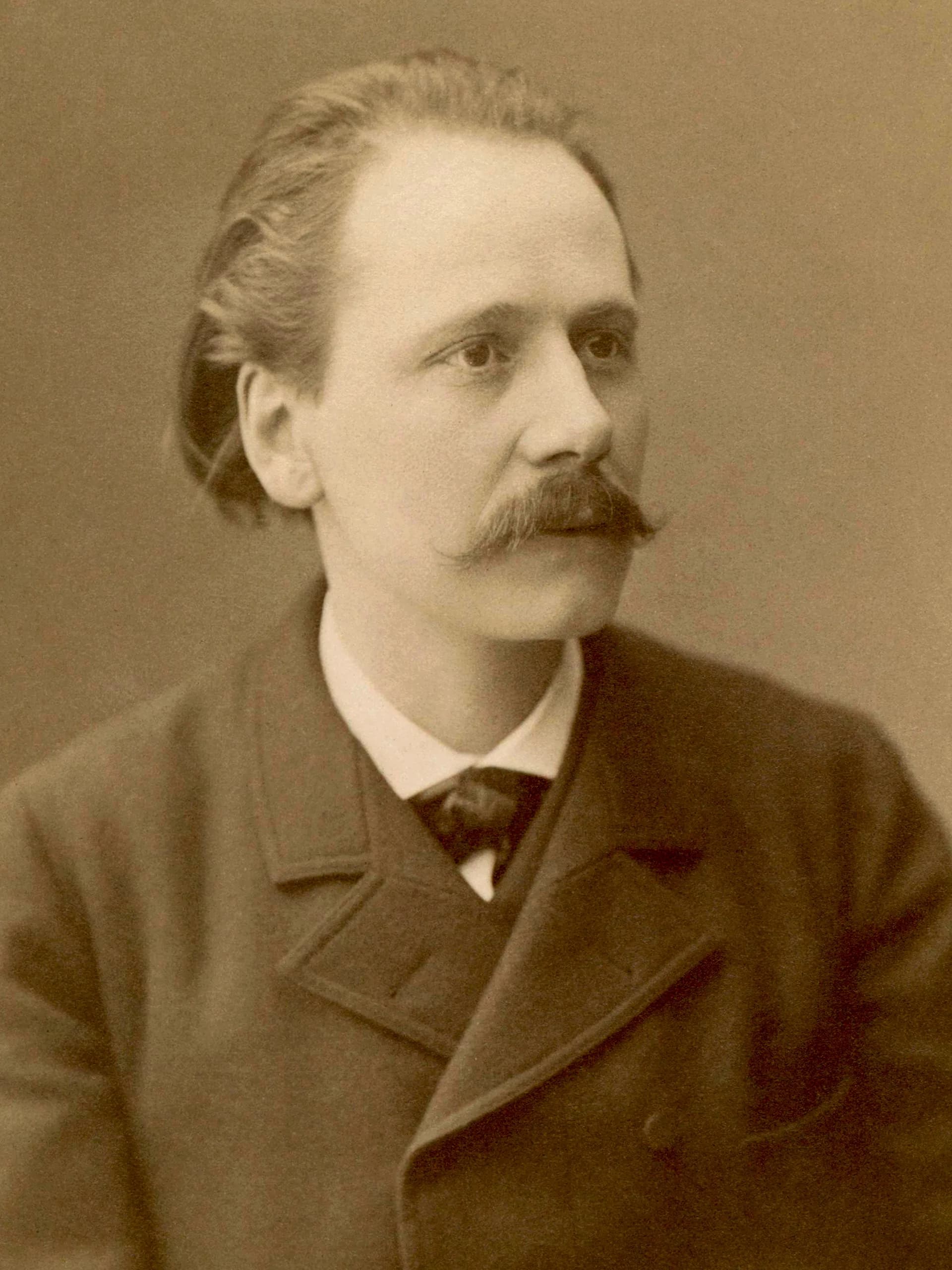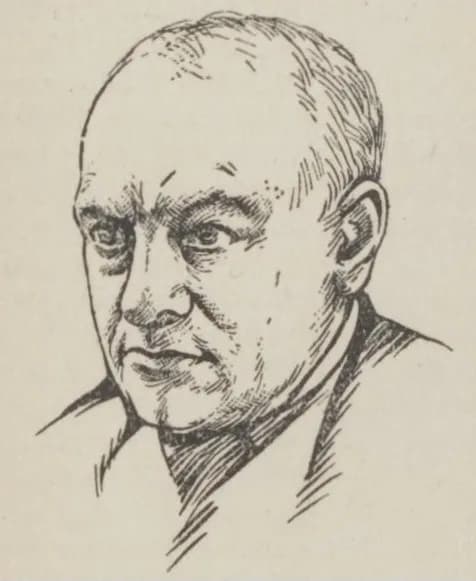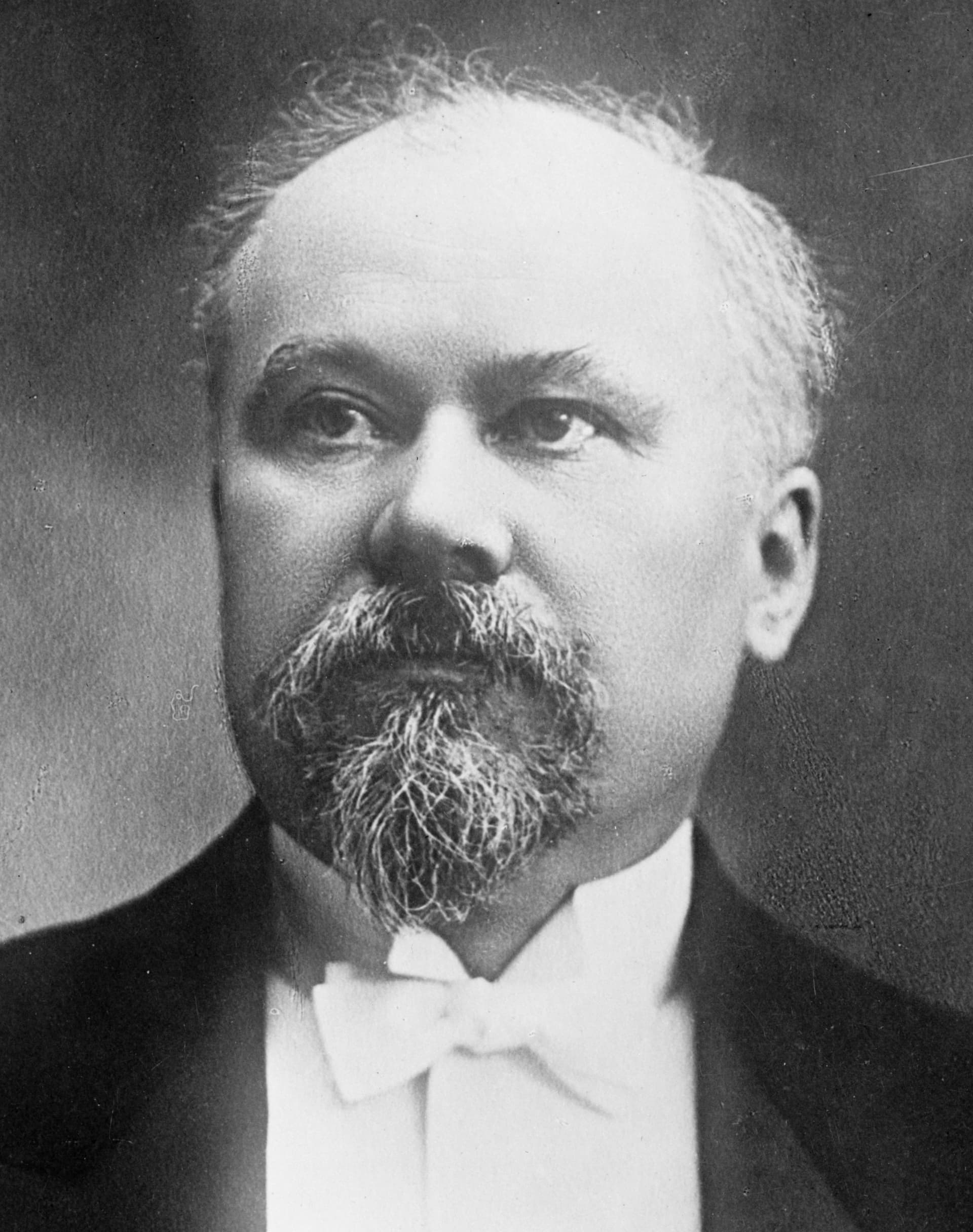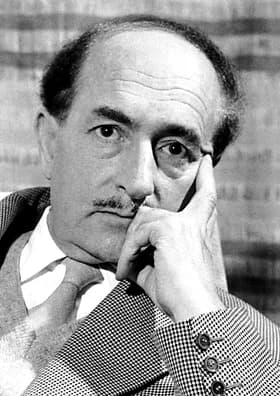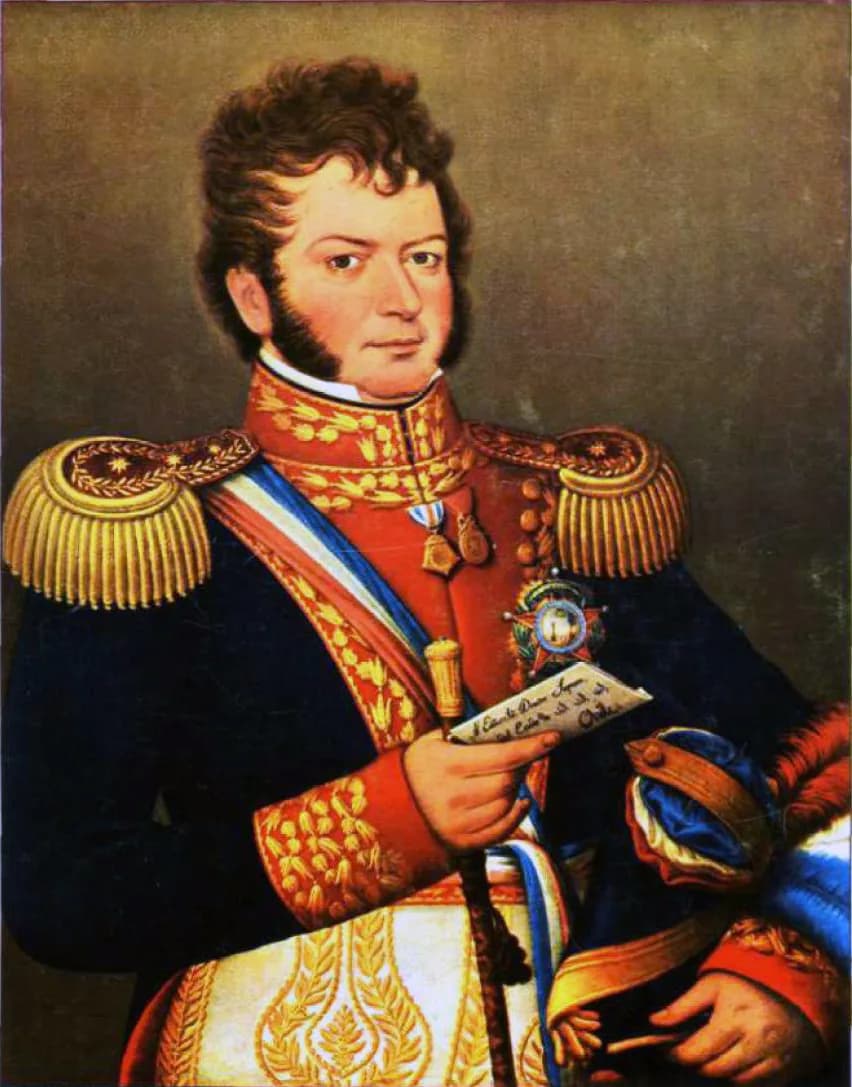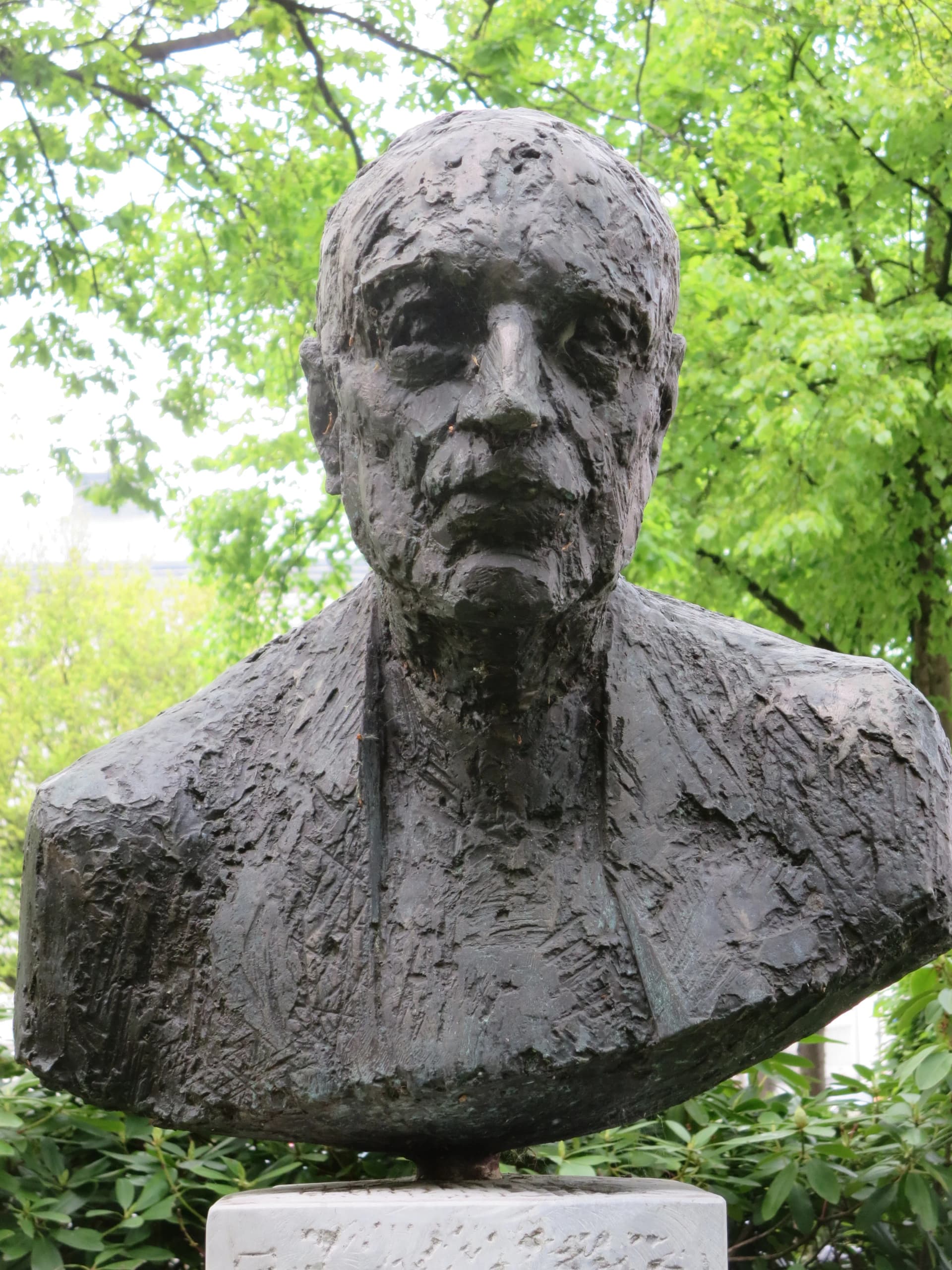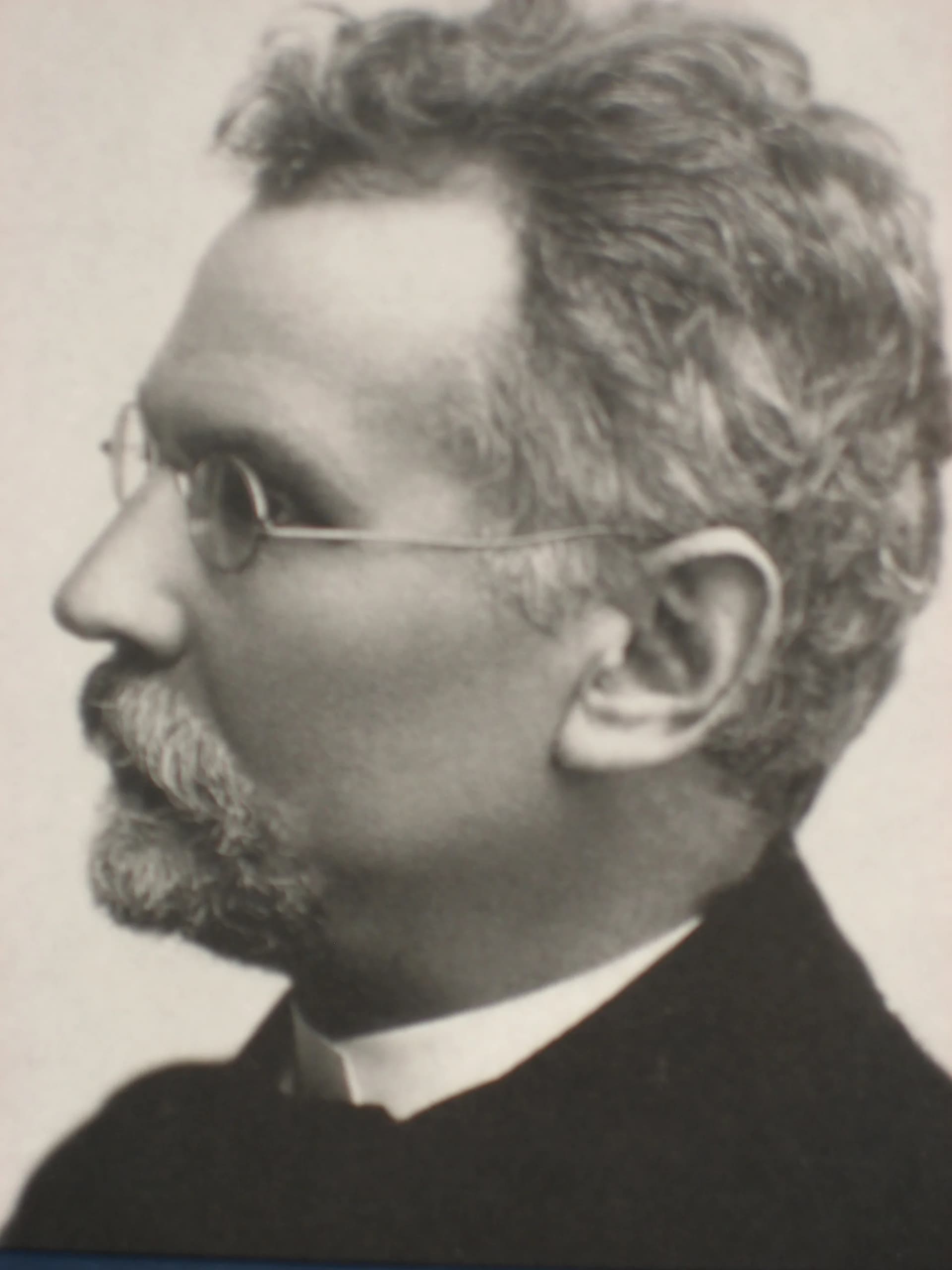
Narodený(á)
August 20, 1847
Hrubieszów, Poland
Zomrel(a)
May 19, 1912
Warsaw, Poland
Známy(a) ako
Polish novelist
Bolesław Prus (1847–1912) was Poland best known for Polish novelist.
Bolesław Prus (August 20, 1847 – May 19, 1912) was a Polish novelist, journalist, and philosopher. He was a leading figure in Polish literature, known for his incisive social commentary and distinct narrative voice. His works continue to be studied for their historical and literary significance.
Život v okamihoch
Okamihy, ktoré formovali život

Kapitola
Životné kapitoly
Kapitola 1 · 1847· Kapitola 1 z 7
Opening Tribute
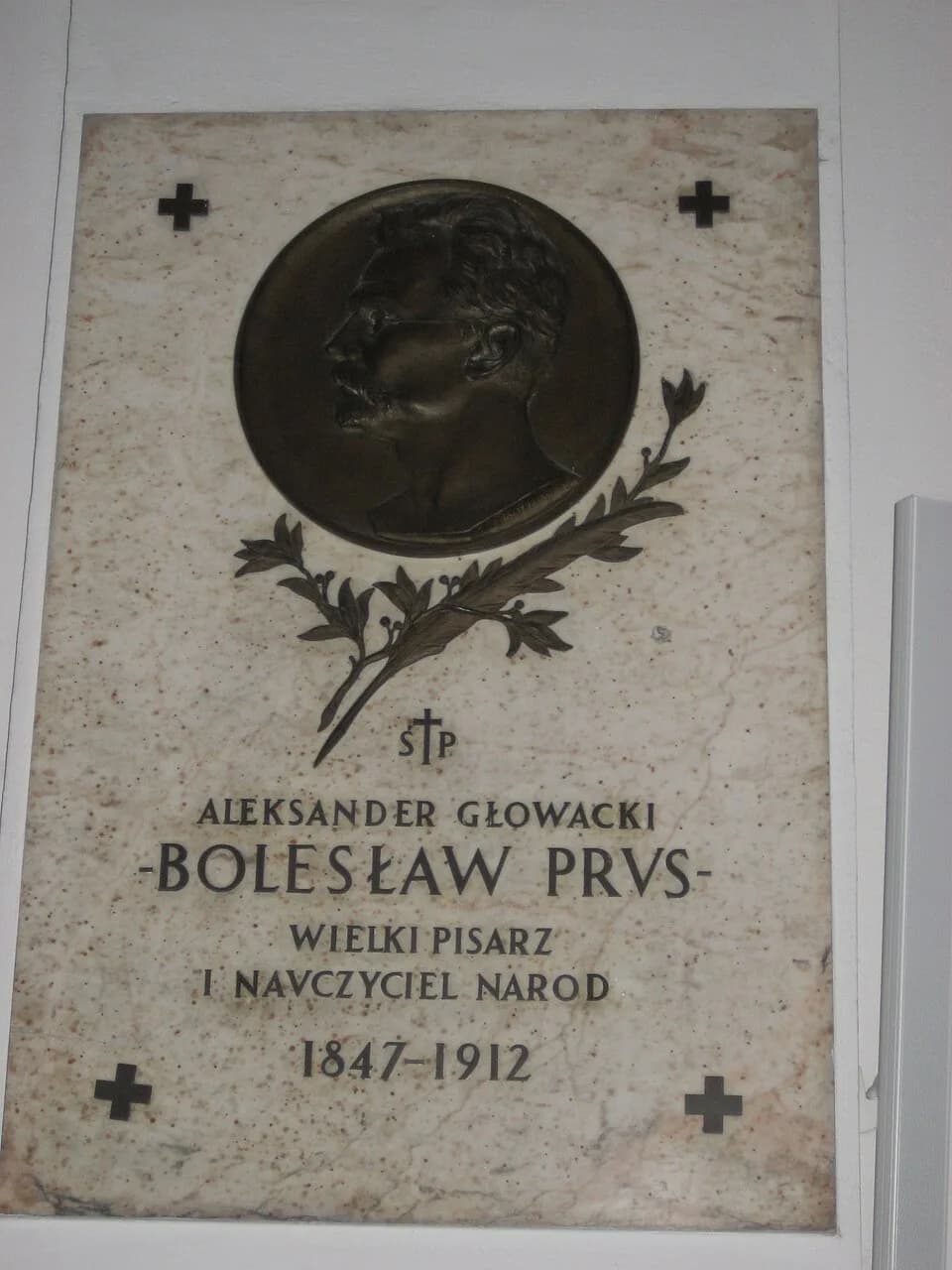
Bolesław Prus, born Aleksander Głowacki, was a celebrated Polish novelist, journalist, and literary critic whose work continues to resonate deeply within Polish and world literature. Born on August 20, 1847, and passing on May 19, 1912, Prus established himself as a leading figure in his field, contributing significantly to both literary and philosophical discourse. His distinctive voice shaped the cultural landscape of his era and left an enduring mark on subsequent generations of writers and thinkers.
Kapitola 2 · 1847· Kapitola 2 z 7
Early Life and Origins
Born Aleksander Głowacki in Hrubieszów, Poland, on August 20, 1847, Bolesław Prus spent his formative years in a country undergoing significant historical changes. While details of his family life and specific upbringing are not extensively provided, his early experiences undoubtedly influenced his perceptive observations of society. The cultural and political environment of 19th-century Poland often served as a rich backdrop for his later literary explorations.
Kapitola 3· Kapitola 3 z 7
Career Beginnings and Evolution
Bolesław Prus began his prolific career primarily as a journalist and short story writer, laying the groundwork for his future as a renowned novelist. His early journalistic endeavors provided him with a keen eye for social commentary and a direct connection to the pulse of daily life. This period of his career was crucial in developing the sharp wit and empathetic understanding that would become hallmarks of his more extensive prose works.
His transition from short stories and journalism to longer narrative forms allowed him to explore complex themes and character development more deeply. As he matured as a writer, Prus embraced the role of a prose writer, literary critic, and even a philosopher, reflecting his broad intellectual interests. His early work showcased his versatile talents and foreshadowed the significant literary contributions he would make over the decades.
Kapitola 4· Kapitola 4 z 7
Major Achievements and Career Highlights
Bolesław Prus emerged as a leading figure in the history of Polish literature and philosophy, distinguishing himself through a consistent output of influential novels and insightful journalistic pieces. His ability to blend social critique with engaging storytelling earned him wide recognition and a respected place among his contemporaries. His work transcended mere entertainment, offering profound reflections on human nature and societal structures.
Throughout his career, Prus consistently demonstrated an exceptional command of the Polish language and a unique perspective on the human condition. His prolific contributions as a writer, journalist, and literary critic cemented his status as a distinctive voice, not just in Poland but also within the broader context of world literature. The impact of his writings extended into philosophical circles, highlighting his deep engagement with intellectual thought.
Kapitola 5· Kapitola 5 z 7
Notable Works and Contributions
Among Bolesław Prus's most celebrated works, several novels stand out for their literary merit and lasting influence. "Anielka" is one such novel that captured the imagination of readers, showcasing his storytelling prowess. "Emancypantki" explored themes pertinent to the changing roles of women in society, reflecting his keen observation of social dynamics.
His work "Placówka" further solidified his reputation as a master storyteller, while "Pensja Pani Latter" added another layer to his diverse bibliography. Prus was also a prolific chronicler, with "Kroniki, 1875-1878" providing valuable insights into the period. Additionally, his "Nowele" (short stories) and collections like "Wybór pism," "Notatki z Lublina," and "Szkice i obrazki" demonstrate his versatility across various literary forms, proving his sustained dedication to the written word.
Kapitola 6 · 1912· Kapitola 6 z 7
Later Years and Enduring Influence
Bolesław Prus continued to write and contribute significantly to Polish intellectual life into his later years. Even as his life drew to a close, his commitment to literature and journalism remained unwavering. He passed away in Warsaw, Poland, on May 19, 1912, leaving behind a rich legacy that continued to inspire new generations of writers.
Kapitola 7 · 1996· Kapitola 7 z 7
Legacy and Impact
Bolesław Prus's legacy is immense, positioning him not merely as a writer but as a fundamental pillar of Polish culture and intellectual discourse. His works are frequently studied in academic settings, with analyses such as "The Doll" (1996), "PRUS'S PHARAOH AND CURTIN'S TRANSLATION" (2016), and "LALKA (THE DOLL)" (2016) highlighting the ongoing scholarly interest in his novels. These academic contributions demonstrate the enduring relevance and depth of his literary creations, long after his lifetime.
He is remembered as a master craftsman whose profound understanding of human nature and society allowed him to create stories that transcend their historical context. Prus's unique blend of realism, social commentary, and philosophical inquiry ensures his continued prominence as a distinctive voice in the vast landscape of world literature. His contributions shaped the very trajectory of Polish literary tradition.
Časté otázky
Často sa pýtajú
Kedy zomrel(a) Bolesław Prus?
Bolesław Prus zomrel(a) 19. mája 1912 v Warsaw, Poland vo veku 64 rokov.
Kde sa narodil(a) Bolesław Prus?
Bolesław Prus sa narodil(a) v Hrubieszów, Poland 20. augusta 1847.
Čím je Bolesław Prus najznámejší(ia)?
Bolesław Prus je najznámejší(ia) vďaka Polish novelist.
Koľko mal(a) Bolesław Prus v čase smrti?
Bolesław Prus mal(a) v čase smrti 64 rokov.
Akú národnosť mal(a) Bolesław Prus?
Bolesław Prus pochádzal(a) z Poland.
Časová os
Život v skratke
Fotogaléria
Život v obrazoch
Kliknite na ľubovoľný polaroid pre zväčšenie · 44 fotografií
QR kód
Zdieľať tento životopis
Vytlačiť a zdieľať
Naskenujte pre návštevu tejto stránky životopisu. Vytlačte si pre podujatia, výstavy alebo vzdelávacie materiály.