Narodený(á)
November 20, 1484
Seville, Spain
Zomrel(a)
July 27, 1566
Madrid, Spain
Známy(a) ako
Spanish Dominican friar, historian, and social reformer
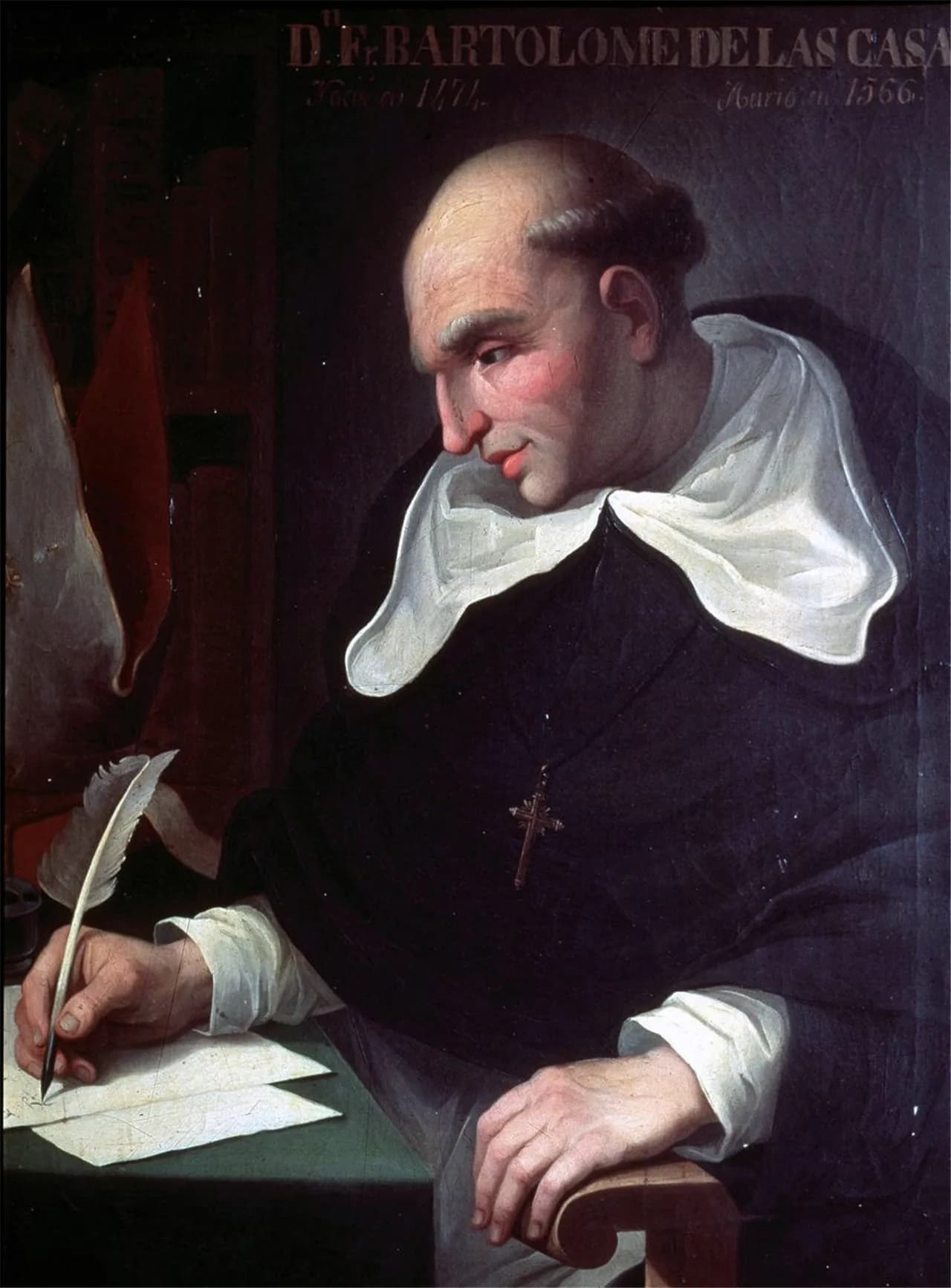
Bartolomé de Las Casas (1484–1566) was Spain best known for Spanish Dominican friar, historian, and social reformer.
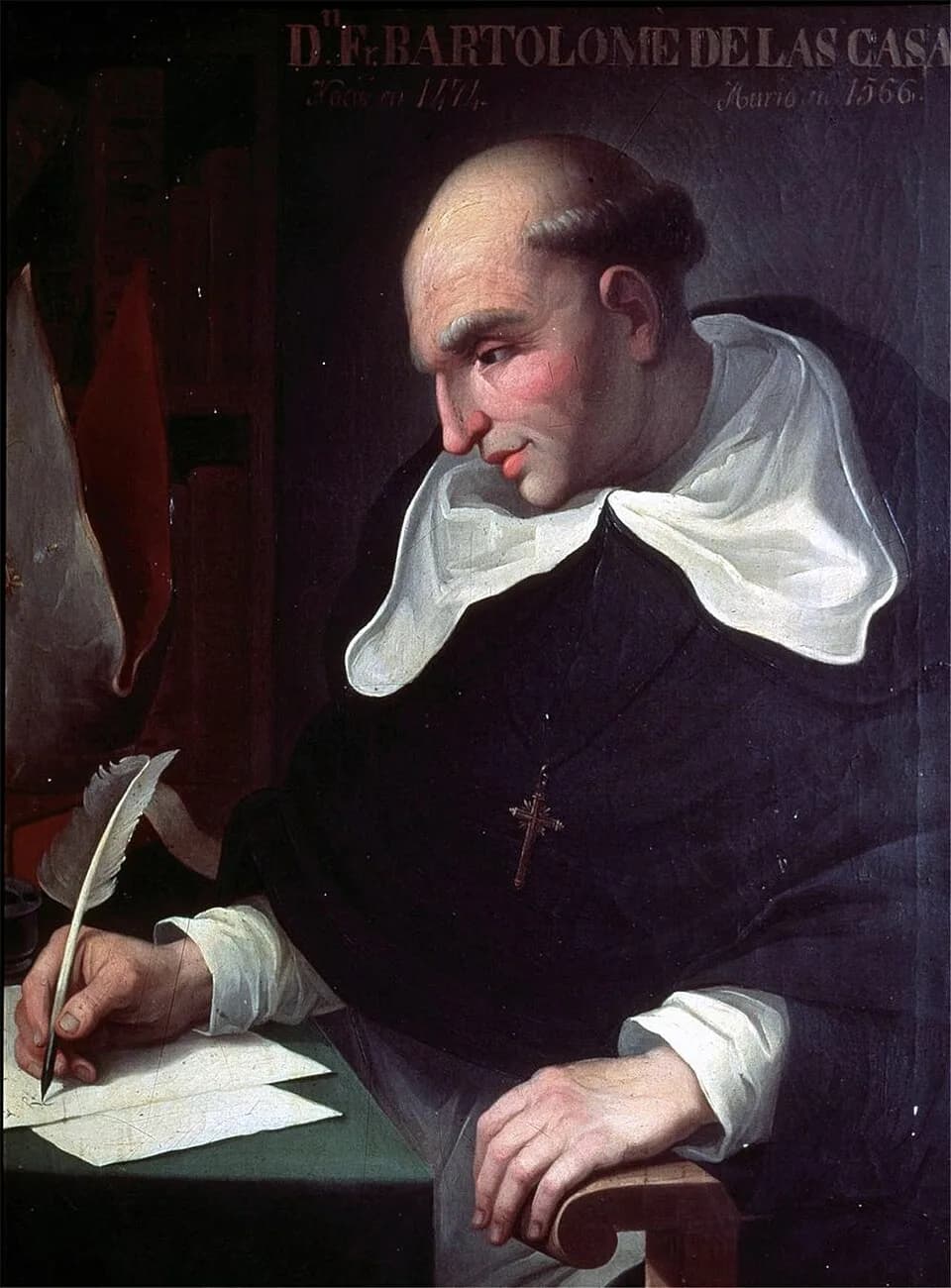
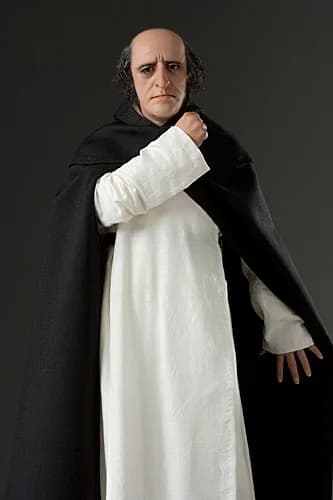
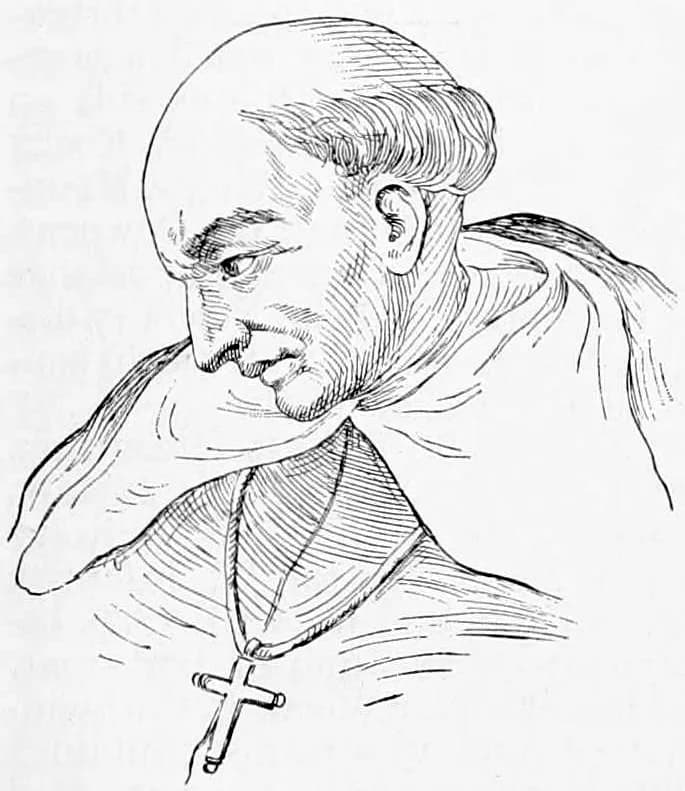
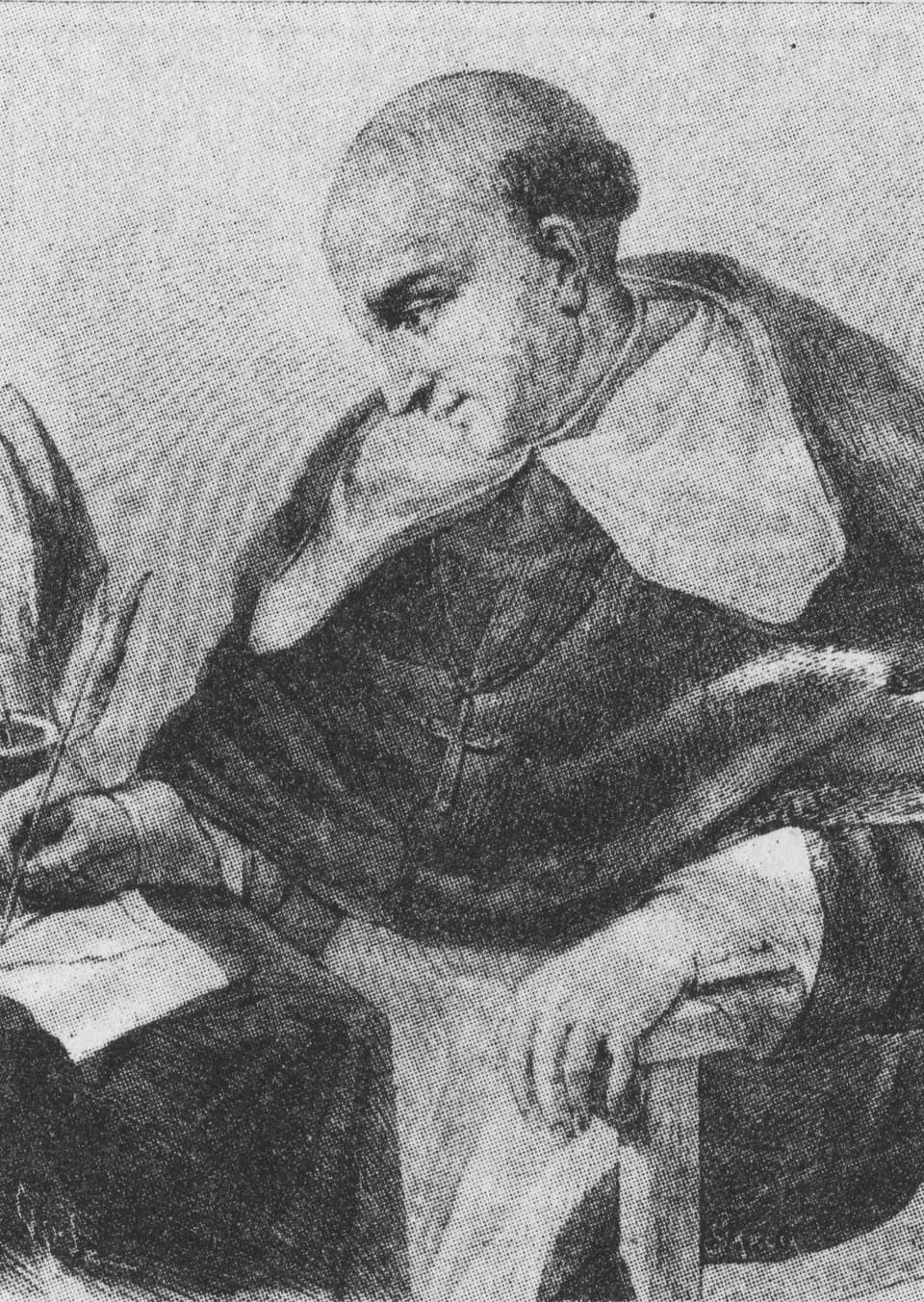
Bartolomé de Las Casas (November 20, 1484 – July 27, 1566) was a Spanish Dominican friar, historian, and social reformer. He is best known as the first officially appointed "Protector of the Indians" and for his writings chronicling and condemning colonial atrocities. His tireless advocacy made him an early champion of human rights.
Život v okamihoch
Okamihy, ktoré formovali život
Kapitola
Životné kapitoly
Kapitola 1 · 1484· Kapitola 1 z 8
Opening Tribute
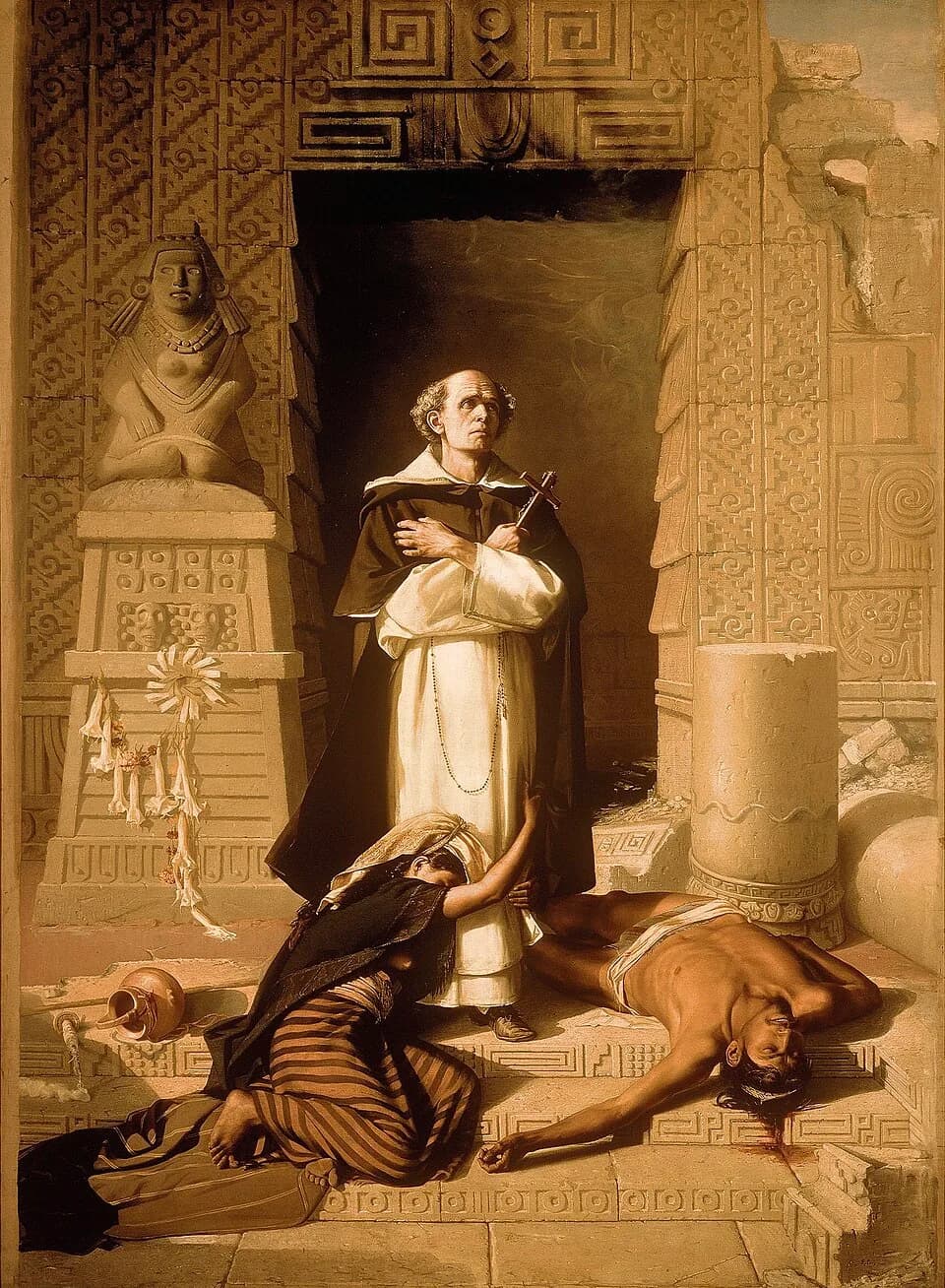
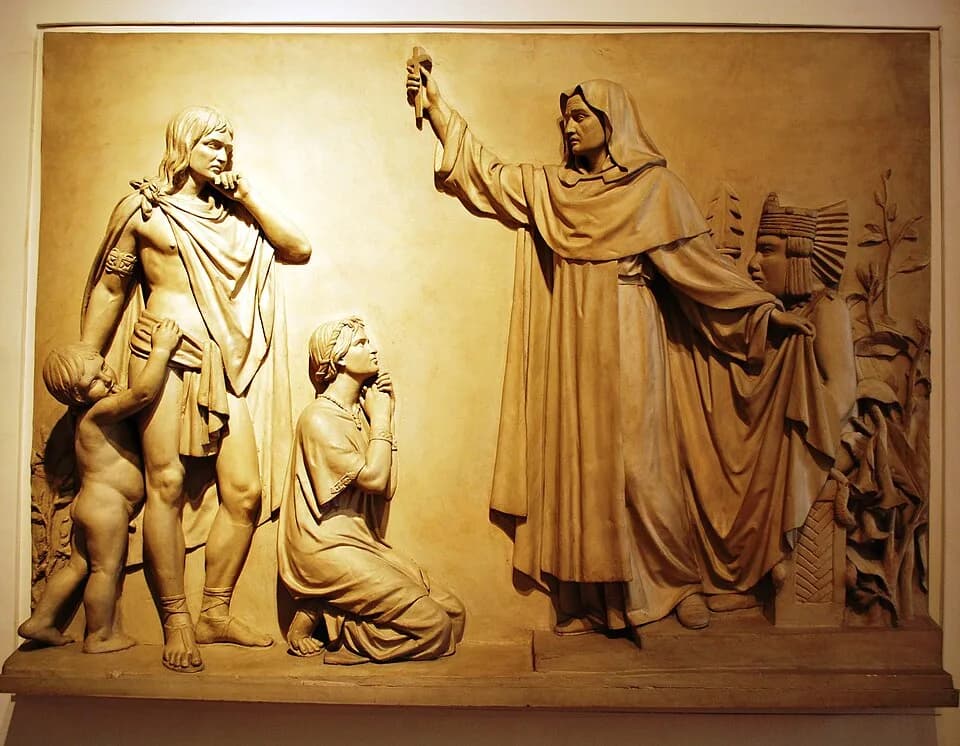
Bartolomé de Las Casas (1484–1566) was a Spanish Dominican friar, historian, and social reformer whose life was dedicated to advocating for the Indigenous peoples of the Americas. He stands as a towering figure in the early history of human rights, challenging the severe injustices and atrocities committed during the initial decades of Spanish colonization. His profound writings and relentless activism left an enduring mark, cementing his legacy as a courageous voice for justice.
Kapitola 2 · 1484· Kapitola 2 z 8
Early Life and Origins
Born on November 20, 1484, in Seville, Spain, Bartolomé de Las Casas came of age in a vibrant city that served as a major hub for Spain's burgeoning imperial ambitions. Seville was the primary port for trade and exploration to the New World, a context that undoubtedly shaped his early awareness of the lands across the Atlantic. This environment provided a unique backdrop for his eventual journey and transformation.
Kapitola 3· Kapitola 3 z 8
Career Beginnings
Las Casas first arrived in Hispaniola as a layman, initially participating in the Spanish colonial system. However, a profound spiritual and moral awakening led him to renounce his encomienda, a grant of Indigenous laborers, and dedicate his life to God. He subsequently became a Dominican friar, a decision that marked the true beginning of his unwavering commitment to missionary work and the fervent defense of Indigenous rights.
Kapitola 4· Kapitola 4 z 8
Major Achievements and Career Highlights
His deep conviction and tireless efforts earned him significant appointments during his career. Bartolomé de Las Casas was named the first resident Bishop of Chiapas, a crucial ecclesiastical position in the newly established colonial territories. Even more notably, he became the first officially appointed "Protector of the Indians," a title that underscored his unique and profound mission to safeguard the Indigenous populations from colonial abuses. In this role, he worked tirelessly to alleviate the brutal treatment and systemic exploitation of native peoples.
Kapitola 5· Kapitola 5 z 8
Personal Life
The provided information does not offer extensive details about Bartolomé de Las Casas's personal life, family, or specific relationships outside of his religious and professional roles. His life was overwhelmingly defined by his monastic vows and his extraordinary dedication to human rights activism. His enduring commitment to justice appears to have been the central focus of his existence.
Kapitola 6· Kapitola 6 z 8
Notable Works or Contributions
Bartolomé de Las Casas was a prolific writer, historian, and chronicler, whose works remain invaluable historical and ethical documents. His most famous writings include "A Short Account of the Destruction of the Indies" and "Historia de Las Indias," both of which meticulously detailed the horrific atrocities perpetrated by the conquistadores against Indigenous communities. These books served as powerful indictments of colonial practices, giving a voice to the suffering of native peoples and exposing the brutal realities of the conquest. He also authored "Este es un tratado que don fray Bartholomé de las Casas compuso por commission del Consejo Real das Indias sobre la materia de los Indios qui se han hecho en ellas esclavos," further engaging with legal and moral debates of his era. Other significant works like "Diario del almirante D. Cristoval Colón en su primer viaje a este continente" solidify his place as a key chronicler of early exploration. His writings, such as "Aqui se contiene una disputa o controversia entre el obispo don fray Bartolomé de las Casas y el dotor Gines de Sepulveda," also illustrate his intellectual engagement in critical theological and juridical discussions.
Kapitola 7 · 1566· Kapitola 7 z 8
Later Years
After decades spent in the Americas advocating, writing, and campaigning, Bartolomé de Las Casas returned to Spain. He continued to wield significant influence on royal policy and public discourse even in his later years. He passed away in Madrid, Spain, on July 27, 1566, leaving behind a monumental body of work and a moral framework that would resonate for centuries.
Kapitola 8· Kapitola 8 z 8
Legacy and Impact
Bartolomé de Las Casas is universally recognized as a foundational figure in the history of human rights and social justice. His pioneering work as a friar, historian, theologian, jurist, and anthropologist established crucial arguments for the inherent dignity and fundamental rights of all individuals, regardless of their background. He served as a powerful inspiration for subsequent generations of reformers and remains a potent symbol of ethical resistance against oppression, with his writings continuing to inform contemporary discussions on colonialism and moral responsibility.
Časté otázky
Často sa pýtajú
Kedy zomrel(a) Bartolomé de Las Casas?
Bartolomé de Las Casas zomrel(a) 27. júla 1566 v Madrid, Spain vo veku 81 rokov.
Kde sa narodil(a) Bartolomé de Las Casas?
Bartolomé de Las Casas sa narodil(a) v Seville, Spain 20. novembra 1484.
Čím je Bartolomé de Las Casas najznámejší(ia)?
Bartolomé de Las Casas je najznámejší(ia) vďaka Spanish Dominican friar, historian, and social reformer.
Koľko mal(a) Bartolomé de Las Casas v čase smrti?
Bartolomé de Las Casas mal(a) v čase smrti 81 rokov.
Akú národnosť mal(a) Bartolomé de Las Casas?
Bartolomé de Las Casas pochádzal(a) z Spain.
Časová os
Život v skratke
- 1484
Opening Tribute
- 1484
Early Life and Origins
- 1566
Later Years
Fotogaléria
Život v obrazoch
Kliknite na ľubovoľný polaroid pre zväčšenie · 48 fotografií
QR kód
Zdieľať tento životopis
Vytlačiť a zdieľať
Naskenujte pre návštevu tejto stránky životopisu. Vytlačte si pre podujatia, výstavy alebo vzdelávacie materiály.