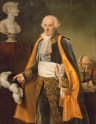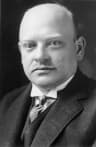
Narodený(á)
May 10, 1788
Broglie, France
Zomrel(a)
July 14, 1827
Ville-d'Avray, France
Známy(a) ako
French engineer and physicist
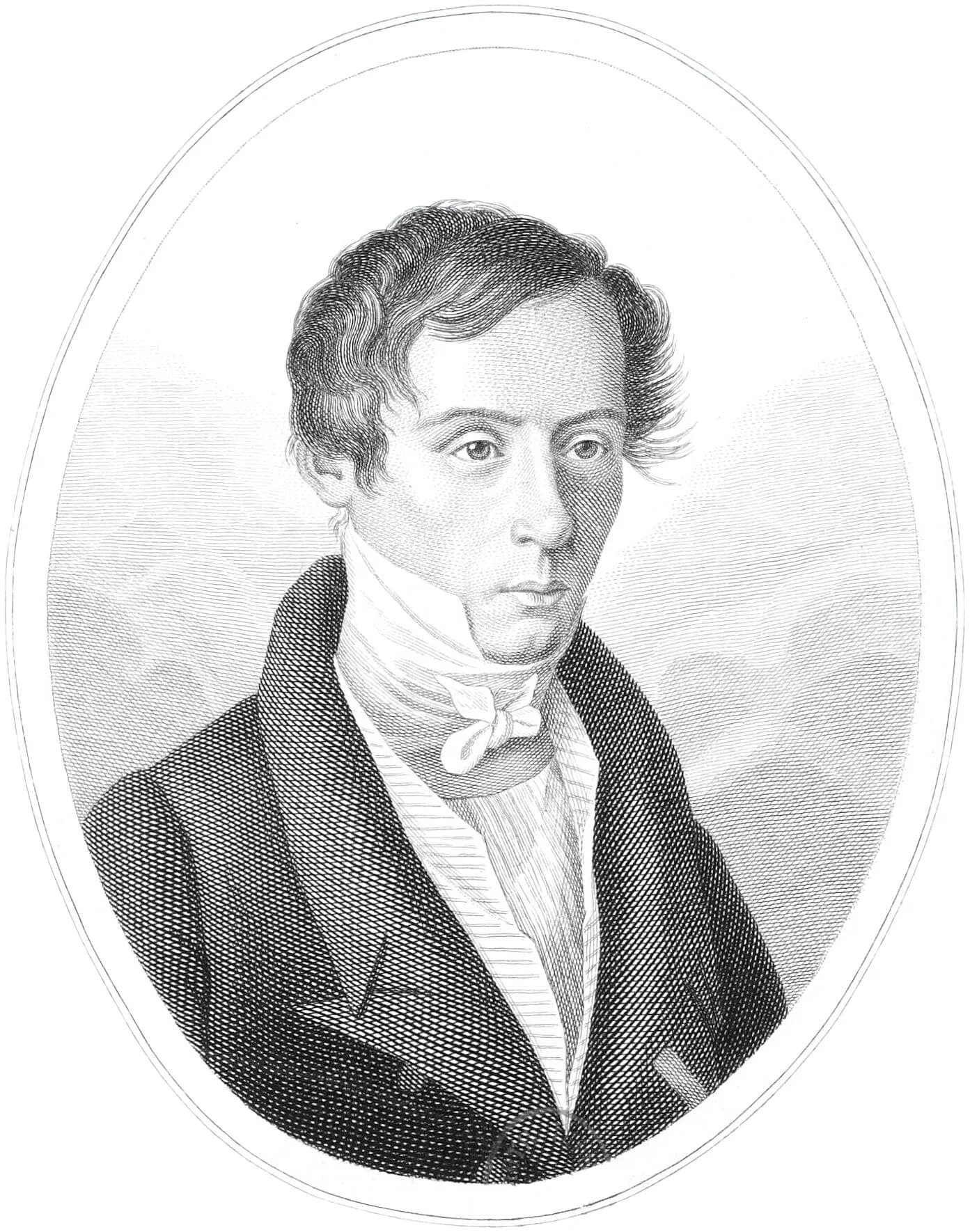
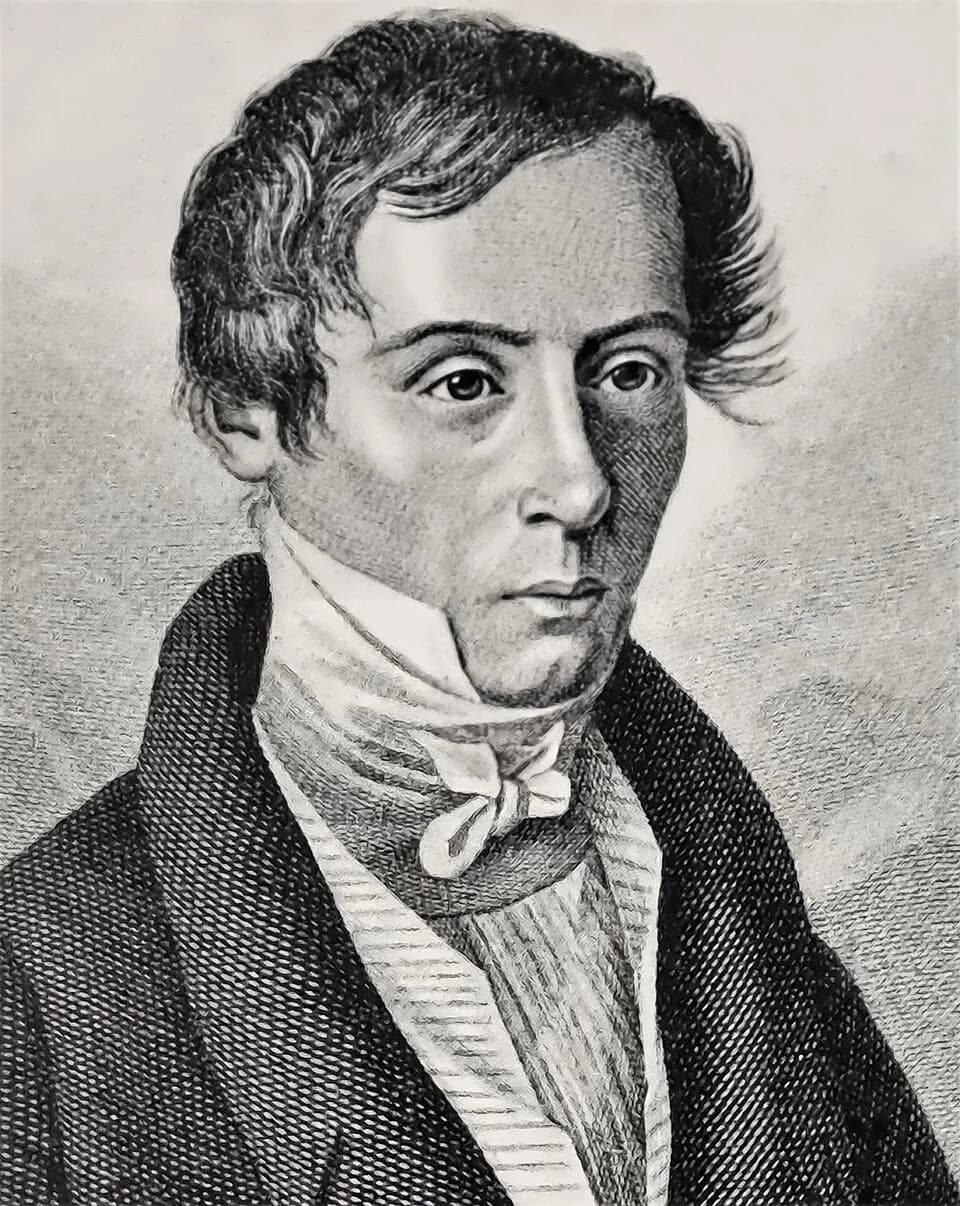
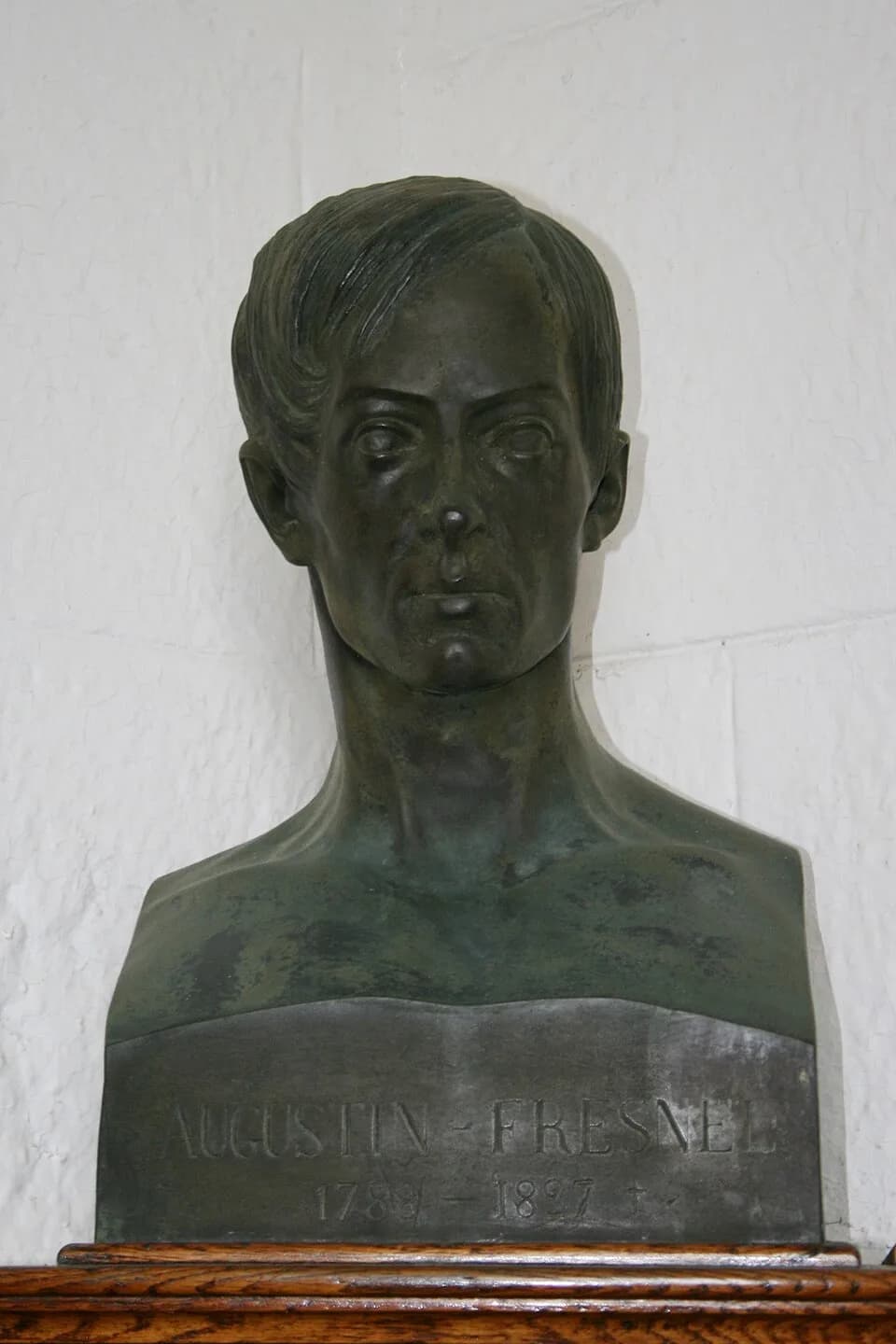
Augustin-Jean Fresnel (1788–1827) was France best known for French engineer and physicist.
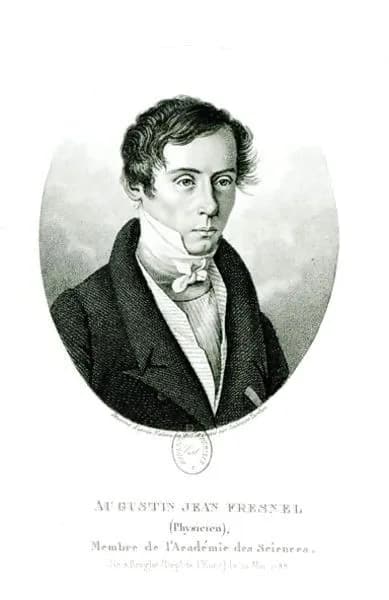
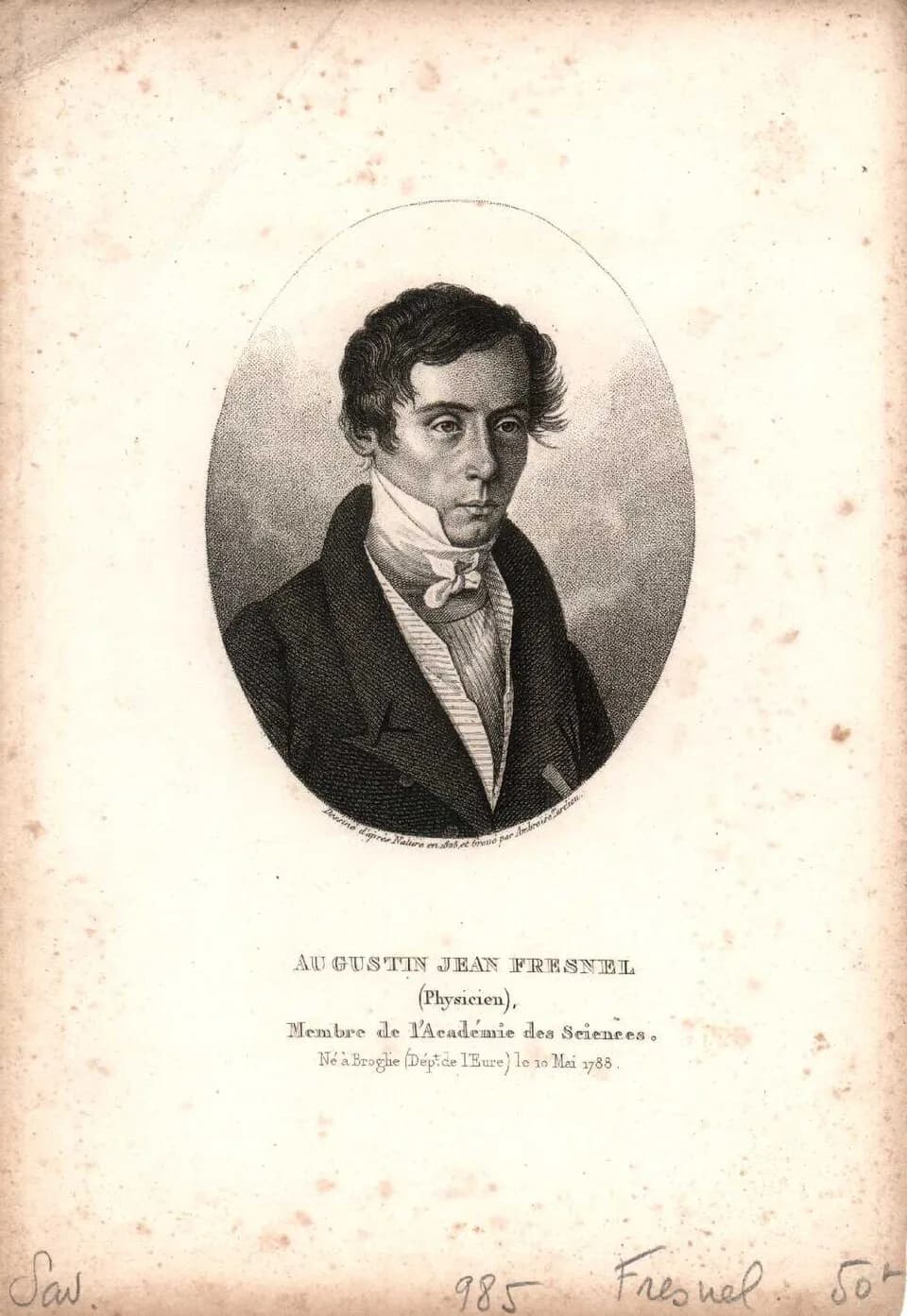
Augustin-Jean Fresnel (May 10, 1788 – July 14, 1827) was a French engineer and physicist from Broglie, France. He established the wave theory of light and invented the Fresnel lens, revolutionizing lighthouse visibility. His work saved countless lives and reshaped optical understanding.
Kapitola
Životné kapitoly
Kapitola 1 · 1788· Kapitola 1 z 6
Early Life and Origins
Born on May 10, 1788, in Broglie, France, Augustin-Jean Fresnel began his life in a period of significant scientific awakening. While specific details of his early family life are not provided, his formative years in France undoubtedly laid the foundation for his future scientific pursuits. His education prepared him for a career deeply rooted in practical engineering and theoretical physics.
Kapitola 2· Kapitola 2 z 6
Career Beginnings
Fresnel embarked on his professional journey as a civil engineer, a profession that likely honed his practical skills and analytical approach to complex problems. This background in engineering provided him with a unique perspective, allowing him to bridge theoretical physics with tangible, real-world applications. His early work likely involved various civil projects, which contributed to his meticulous and innovative nature as a scientist.
Kapitola 3· Kapitola 3 z 6
Major Achievements and Career Highlights
Augustin-Jean Fresnel's most celebrated achievement lies in his decisive research that led to the almost unanimous acceptance of the wave theory of light. This theory, which he meticulously developed, fully supplanted Isaac Newton's long-held corpuscular theory from the late 1830s until the close of the 19th century. His work fundamentally reshaped optical physics, demonstrating that light behaves as a wave rather than as discrete particles. This paradigm shift was a direct result of his detailed experiments and theoretical formulations, confirming the wave nature of light with undeniable evidence.
Kapitola 4· Kapitola 4 z 6
Notable Works or Contributions
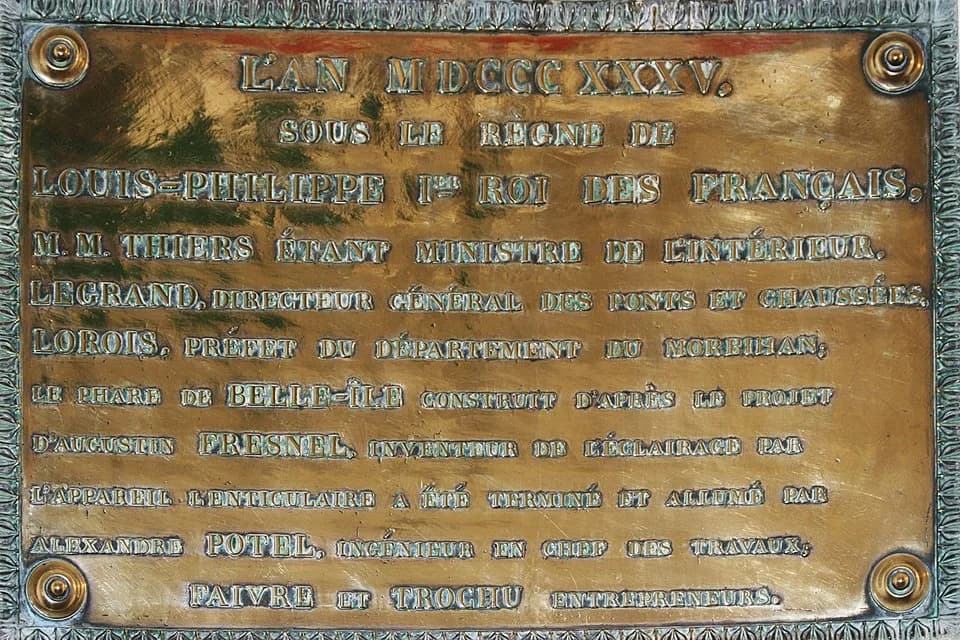
Beyond his theoretical triumphs, Fresnel's practical ingenuity shone through his invention of the catadioptric Fresnel lens. This innovative design combines reflection and refraction to create a more efficient and powerful lens. The concept of "stepped" lenses, which he pioneered, specifically extended the visibility of lighthouses, an application that has been credited with saving countless lives at sea.
The simpler dioptric stepped lens, a concept first proposed by Count Buffon and independently reinvented by Fresnel, also found widespread utility. These lenses are commonly used in screen magnifiers and serve as condenser lenses for overhead projectors, highlighting the versatility and enduring relevance of his optical designs. His extensive scientific work is collected in "Oeuvres complètes d'Augustin Fresnel," published in 1967, which features 38 citations, demonstrating the lasting scholarly interest in his contributions.
His detailed investigations into light phenomena are exemplified by "Mémoire sur la diffraction de la lumière, où l'on examine particulièrement le phénomènes des franges colorées que présentent les ombres des corps éclairés par un point lumineux," a key publication from 1969 with 9 citations. This memoir delves into the intricate patterns of colored fringes observed in the shadows of illuminated objects, providing crucial evidence for the wave nature of light. Furthermore, an earlier work, "Note sur des Essais ayant pour but de décomposer l'eau avec un aimant," published in 1820 in Annales de chimie et de physique, vol. 15, pp. 219-222, showcases his broad scientific curiosity beyond optics, even if it garnered fewer citations. These works underscore his dedication to empirical observation and theoretical rigor across different scientific inquiries.
Kapitola 5 · 1827· Kapitola 5 z 6
Later Years
Augustin-Jean Fresnel's life of profound scientific contribution concluded on July 14, 1827, in Ville-d'Avray, France, at the relatively young age of 39. Despite his premature passing, the impact of his work was already becoming clear, setting the stage for future developments in physics and engineering. His final years were marked by the recognition of his peers for his revolutionary optical research, even as the full scope of his legacy was yet to be realized.
Kapitola 6· Kapitola 6 z 6
Legacy and Impact
The legacy of Augustin-Jean Fresnel is deeply woven into the fabric of modern physics and applied optics. His wave theory of light remained the dominant model for understanding light for over a century, fundamentally altering scientific understanding. The Fresnel lens, his most visible invention, continues to serve as a vital component in lighthouses worldwide, embodying his commitment to practical innovation and human safety. The principles behind his stepped lens designs are still applied in various optical devices today, from everyday magnifiers to advanced projection systems. Fresnel's name remains synonymous with optical innovation, a testament to his genius as both a theoretical physicist and a practical engineer. His work ensured that the path of scientific inquiry was redirected towards a more accurate and fruitful understanding of light and its properties.
Život v okamihoch
Okamihy, ktoré formovali život
Časté otázky
Často sa pýtajú
Kedy zomrel(a) Augustin-Jean Fresnel?
Augustin-Jean Fresnel zomrel(a) 14. júla 1827 v Ville-d'Avray, France vo veku 39 rokov.
Kde sa narodil(a) Augustin-Jean Fresnel?
Augustin-Jean Fresnel sa narodil(a) v Broglie, France 10. mája 1788.
Čím je Augustin-Jean Fresnel najznámejší(ia)?
Augustin-Jean Fresnel je najznámejší(ia) vďaka French engineer and physicist.
Koľko mal(a) Augustin-Jean Fresnel v čase smrti?
Augustin-Jean Fresnel mal(a) v čase smrti 39 rokov.
Akú národnosť mal(a) Augustin-Jean Fresnel?
Augustin-Jean Fresnel pochádzal(a) z France.
Časová os
Život v skratke
Fotogaléria
Život v obrazoch
Kliknite na ľubovoľný polaroid pre zväčšenie · 50 fotografií
QR kód
Zdieľať tento životopis
Vytlačiť a zdieľať
Naskenujte pre návštevu tejto stránky životopisu. Vytlačte si pre podujatia, výstavy alebo vzdelávacie materiály.