မွေးဖွား
August 4, 1900
Hitchin, United Kingdom
ကွယ်လွန်
March 30, 2002
Royal Lodge, United Kingdom
ကျော်ကြားသော အကြောင်းအရာ
Queen consort of the United Kingdom from 1936 to 1952
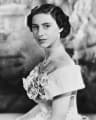
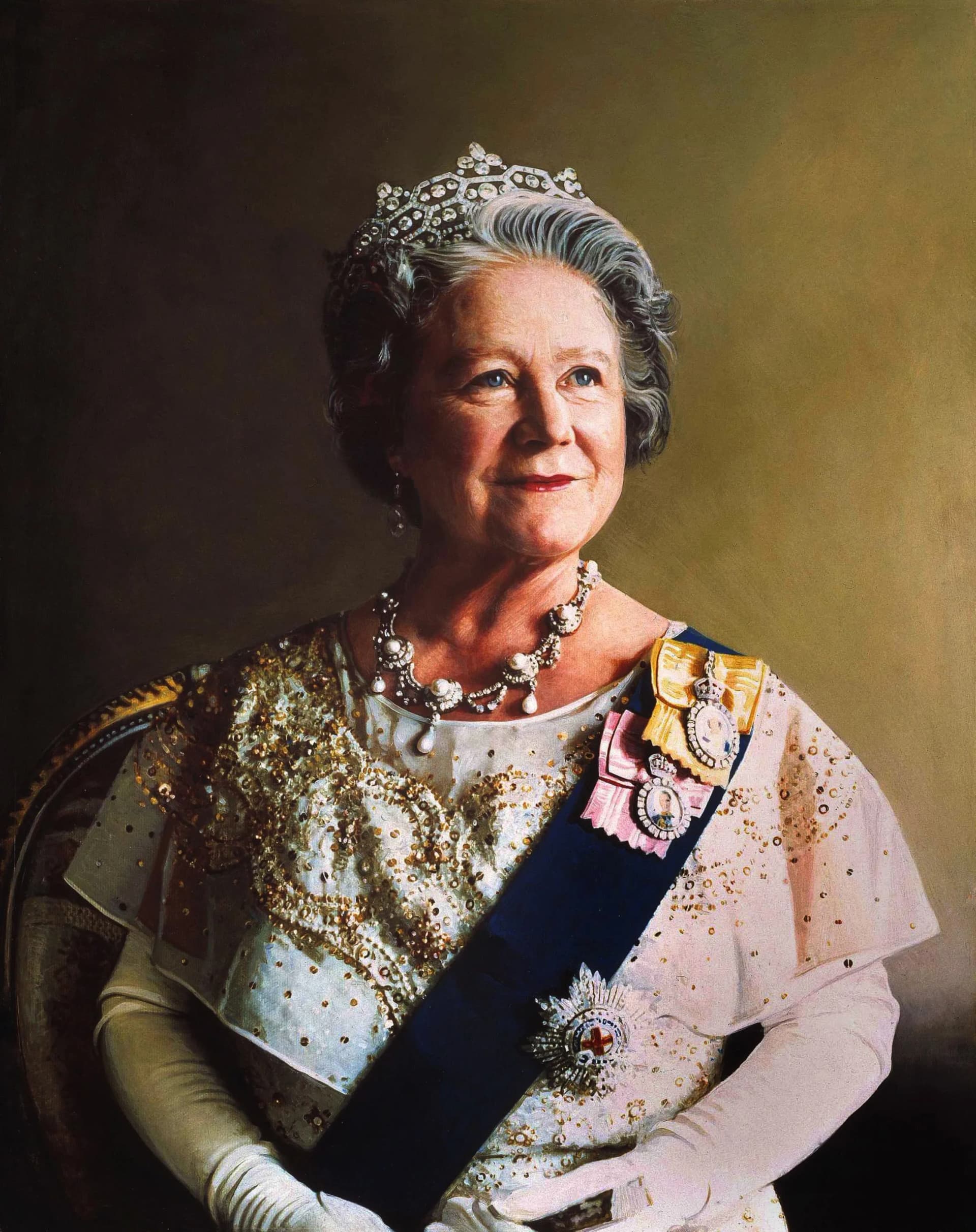
Queen Elizabeth the Queen Mother (1900–2002) was United Kingdom best known for Queen consort of the United Kingdom from 1936 to 1952.
Queen Elizabeth the Queen Mother (August 4, 1900 – March 30, 2002) was an aristocrat, Queen mother, and consort from the United Kingdom. She served as Queen consort from 1936 to 1952 and was also the last Empress of India. Her long life and devoted public service left a lasting impact.
အပိုင်း
ဘဝ၏ အပိုင်းများ
အပိုင်း 1 · 1900· အပိုင်း 1 / 7
Early Life and Origins
Born Elizabeth Angela Marguerite Bowes-Lyon on August 4, 1900, her journey began in Hitchin, located within the United Kingdom. As a member of the aristocracy, she hailed from a family deeply embedded in the traditional fabric of British society, providing her with a unique upbringing. Her early life was characterized by the customs and expectations associated with her noble lineage, laying the groundwork for her future responsibilities.
အပိုင်း 2 · 1936· အပိုင်း 2 / 7
Royal Life Begins
The trajectory of Elizabeth Angela Marguerite Bowes-Lyon's life shifted dramatically upon her marriage to Prince Albert, the Duke of York, who later ascended to the throne as King George VI. This union placed her directly into the heart of the British monarchy, transitioning her from an aristocrat to a future Queen. She officially became Queen of the United Kingdom and the Dominions of the British Commonwealth on December 11, 1936, a date following the unexpected abdication of her husband's elder brother, King Edward VIII. This elevation marked the commencement of her illustrious career as a royal consort, a role she embraced with profound commitment.
Concurrent with her assumption of the title Queen of the United Kingdom, she also became the last Empress of India. This significant imperial designation was hers from 1936, underscoring the vast global reach and historical complexity of the British Empire at that particular juncture in time. Her dual role as both Queen and Empress symbolized the immense influence and the weight of responsibility that she meticulously carried from the very beginning of her public royal service.
အပိုင်း 3 · 1936· အပိုင်း 3 / 7
Major Achievements and Career Highlights
During her tenure as Queen consort, which spanned from 1936 to 1952, Queen Elizabeth the Queen Mother provided steadfast and unwavering support to King George VI throughout his entire reign. Her constant and reassuring presence served as a vital source of stability for the nation, particularly during the extraordinarily challenging and tumultuous years of World War II. She actively engaged in a multitude of public duties and royal engagements, thereby solidifying her esteemed place in the hearts and minds of the British populace.
Her period as the Empress of India, which had commenced in 1936, saw her holding a truly unique and historically significant title that resonated across vast territories. This particular aspect of her extensive royal career came to a definitive close with the formal dissolution of the British Raj on August 15, 1947, a date that marked a profound geopolitical turning point for the British Commonwealth and global history. Her dedicated and graceful commitment to her demanding role as Queen consort contributed immeasurably to the monarchy's enduring appeal and relevance throughout a century marked by unprecedented societal and political transformation.
အပိုင်း 4· အပိုင်း 4 / 7
Personal Life
Elizabeth Angela Marguerite Bowes-Lyon shared a profoundly devoted and collaborative partnership with her husband, King George VI, and their marriage formed the resilient bedrock of the monarchy during their shared reign. Together, they presented a united and formidable front to both the nation and the world, symbolizing strength and continuity during difficult times. She was also the cherished mother of two daughters, the elder of whom would eventually ascend to the throne as Queen Elizabeth II, thereby ensuring the direct and uninterrupted line of royal succession.
Following the deeply mourned passing of her husband, King George VI, on February 6, 1952, she was officially and respectfully designated as Queen Elizabeth the Queen Mother. This distinct and specific title was thoughtfully adopted with the clear intention of avoiding any potential confusion with her elder daughter, Queen Elizabeth II, who had, by that time, already ascended to the sovereign throne. This new designation served to highlight her continuing, yet distinct and revered, role within the Royal Family for many decades to come.
အပိုင်း 5· အပိုင်း 5 / 7
Notable Contributions to Public Life
Throughout her exceptionally long and active life, Queen Elizabeth the Queen Mother made significant and lasting contributions to public life through her consistent and unwavering public presence and engagement. She came to personify qualities of resilience, steadfastness, and an unshakeable sense of duty, especially during critical periods of national crisis and widespread celebration. Her active involvement in countless charitable endeavors and numerous public events throughout the United Kingdom demonstrably underscored her deep commitment to the welfare and prosperity of the people she so dutifully served, ultimately rendering her a universally beloved and iconic figure.
Her royal role extended far beyond mere ceremonial duties; she was consistently a highly visible and dynamically active participant in the everyday life of the nation, diligently fostering a powerful sense of both continuity and cherished tradition. Her consistent public appearances, coupled with her genuinely warm and approachable interactions with individuals from all walks of life, solidified her reputation as an accessible, deeply respected, and truly cherished royal figure across generations.
အပိုင်း 6 · 1952· အပိုင်း 6 / 7
Later Years
Subsequent to the passing of King George VI on February 6, 1952, Elizabeth gracefully entered a new and distinguished phase of her life as Queen Elizabeth the Queen Mother. In this revered capacity, she meticulously continued her extensive public engagements and remained an exceptionally active and influential member of the British Royal Family for many subsequent decades. Her later years were singularly characterized by her enduring warmth, her remarkable vitality, and an impressively packed schedule of royal duties, all of which truly defied her advancing age.
She peacefully passed away on March 30, 2002, at the Royal Lodge, located in the United Kingdom, having lived to the truly remarkable and centenarian age of 101 years. Her final years were spent surrounded by her loving family, bringing to a serene close a life that had spanned momentous and transformative changes across the entire 20th and the nascent early 21st centuries. She left behind a profound and lasting legacy of dedicated and exemplary service to her country and the Commonwealth.
အပိုင်း 7· အပိုင်း 7 / 7
Legacy and Impact
The enduring legacy of Queen Elizabeth the Queen Mother is undeniably one of sustained grace, unwavering resilience, and an exemplary dedication to the British Crown and its cherished people. She played an absolutely crucial role in providing stability and reassurance to the monarchy during periods of immense and sometimes turbulent change, ranging from the constitutional crisis of the abdication to the global conflict of World War II, and continuing through the complex post-war era. Her exceptionally affectionate and approachable public persona, coupled with her steadfast and resolute commitment to duty, significantly contributed to modernizing the monarchy's public image while simultaneously upholding its most treasured traditions.
She is not only remembered as a highly revered monarch but also as a powerful and enduring symbol of British fortitude, whose exceptionally long and actively engaged life left an undeniable and lasting mark on the very institution of the monarchy and upon the collective memory of the United Kingdom. Her profound and positive influence continues to resonate strongly throughout the Royal Family and through the widespread respect she commanded globally, solidifying her place as a truly iconic figure in modern history.
အခိုက်အတန့်များတွင် ဘဝတစ်ခု
ဘဝတစ်ခုကို ပုံဖော်ပေးခဲ့သော အခိုက်အတန့်များ
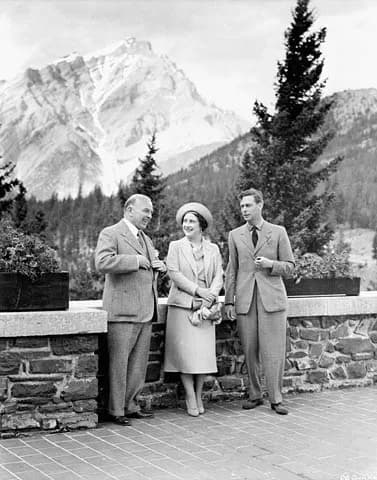
![Queen Elizabeth the Queen Mother - King George VI and Queen Elizabeth at the Château Frontenac. [L-R]: Mme. Patenaude, Cardinal Villeneuve, Mme. Lapointe, King George VI, Rt. Hon. W.L. Mackenzie King](/_next/image?url=https%3A%2F%2Fcdn.whowasthisguy.com%2Fgallery_wikimedia_commons_1777937840450_1_77ebbefec5.webp&w=1920&q=75)
FAQ
မေးလေ့ရှိသော
Queen Elizabeth the Queen Mother ဘယ်အချိန်က ကွယ်လွန်ခဲ့သလဲ?
Queen Elizabeth the Queen Mother သည် ၂၀၀၂ မတ် ၃၀ တွင် Royal Lodge, United Kingdom၌ ကွယ်လွန်ခဲ့သည်။ ထိုအချိန်တွင် အသက် 101 နှစ်ရှိခဲ့သည်။
Queen Elizabeth the Queen Mother ဘယ်မှာ မွေးဖွားခဲ့သလဲ?
Queen Elizabeth the Queen Mother သည် Hitchin, United Kingdomတွင် ၁၉၀၀ ဩဂုတ် ၄ ၌ မွေးဖွားခဲ့သည်။
Queen Elizabeth the Queen Mother သည် ဘာအတွက် အကျော်ကြားဆုံးလဲ?
Queen Elizabeth the Queen Mother သည် Queen consort of the United Kingdom from 1936 to 1952 အတွက် အကျော်ကြားဆုံးဖြစ်သည်။
Queen Elizabeth the Queen Mother ကွယ်လွန်ချိန်တွင် အသက်မည်မျှ ရှိခဲ့သနည်း?
Queen Elizabeth the Queen Mother ကွယ်လွန်ချိန်တွင် အသက် 101 နှစ်ရှိခဲ့သည်။
Queen Elizabeth the Queen Mother သည် မည်သည့်လူမျိုးဖြစ်သနည်း?
Queen Elizabeth the Queen Mother သည် United Kingdom မှ ဖြစ်သည်။
အချိန်ဇယား
ဘဝတစ်ချက် ရှု့
ဓာတ်ပုံ ပန်းချီပြခန်း
ပုံများတွင် ဘဝတစ်ခု
polaroid တစ်ခုခုကို ဖြန့်ရန် ကလစ်နှိပ်ပါ · ဓာတ်ပုံ 44 ပုံ
QR ကုဒ်
ဤအတ္ထုပ္ပတ္တိကို မျှဝေရန်
ပုံနှိပ်ပြီး မျှဝေရန်
ဤအတ္ထုပ္ပတ္တိစာမျက်နှာသို့ လည်ပတ်ရန် စကင်ဖတ်ပါ။ ဖြစ်ရပ်များ၊ ပြပွဲများ သို့မဟုတ် ပညာရေးဆိုင်ရာ ပစ္စည်းများအတွက် ပုံနှိပ်ပါ။