မွေးဖွား
May 19, 1914
Vienna, Austria
ကွယ်လွန်
February 6, 2002
Cambridge, United Kingdom
ကျော်ကြားသော အကြောင်းအရာ
Austrian-born British molecular biologist
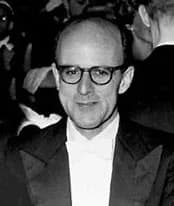
Max Perutz (1914–2002) was Austria best known for Austrian-born British molecular biologist.
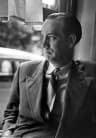
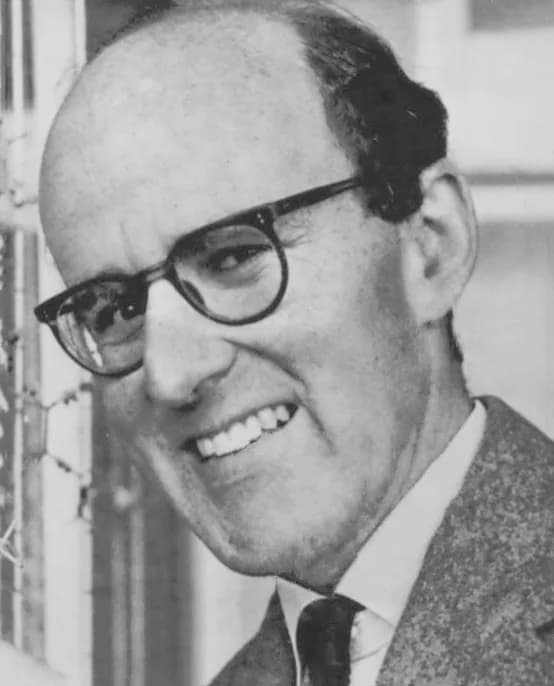
Max Ferdinand Perutz (May 19, 1914 – February 6, 2002) was an Austrian-born British molecular biologist. He shared the 1962 Nobel Prize for Chemistry for his studies of the structures of haemoglobin and myoglobin. Perutz also founded the MRC Laboratory of Molecular Biology, leaving an enduring mark on science.
အပိုင်း
ဘဝ၏ အပိုင်းများ
အပိုင်း 1 · 1914· အပိုင်း 1 / 7
Opening Tribute
We honor the extraordinary life and work of Max Ferdinand Perutz (1914 – 2002), an Austrian-born British molecular biologist whose pioneering research fundamentally changed our understanding of life at the molecular level. Perutz, a distinguished chemist, biologist, university teacher, biochemist, biophysicist, crystallographer, and molecular biologist, was a towering figure in 20th-century science. His groundbreaking contributions earned him the 1962 Nobel Prize for Chemistry and established a lasting legacy that continues to inspire scientists worldwide.
အပိုင်း 2 · 1914· အပိုင်း 2 / 7
Early Life and Origins
Max Ferdinand Perutz was born on May 19, 1914, in Vienna, Austria. His early life in Vienna set the stage for a scientific journey that would span decades and continents, deeply influencing his intellectual development. Though specific details about his childhood are not provided, his birthplace in a hub of European intellectualism likely fostered his nascent scientific curiosity and led him towards an illustrious career in research.
အပိုင်း 3· အပိုင်း 3 / 7
Career Beginnings
Perutz's academic pursuits eventually led him to Cambridge, United Kingdom, a city that would become his professional home and the site of his most significant discoveries. It was in Cambridge that he began the rigorous scientific investigations that would define his career. His early work focused intensely on deciphering the complex structures of biological molecules, a field then in its infancy.
These early investigations laid the essential groundwork for his later breakthroughs in protein crystallography. His commitment to understanding molecular architecture was evident from the outset, demonstrating a profound dedication to unraveling the fundamental building blocks of life. This unwavering focus eventually propelled him to the forefront of the emerging field of molecular biology.
အပိုင်း 4 · 1962· အပိုင်း 4 / 7
Major Achievements and Career Highlights
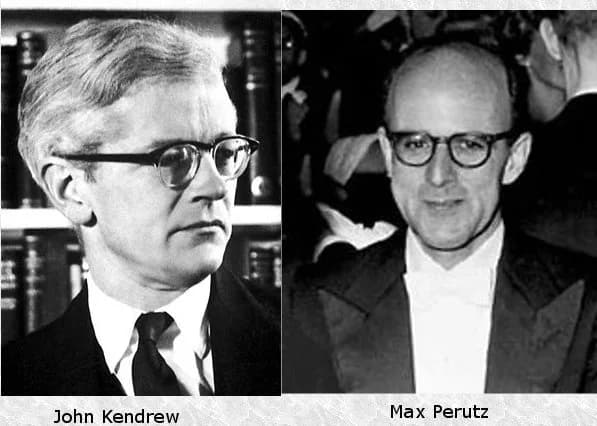
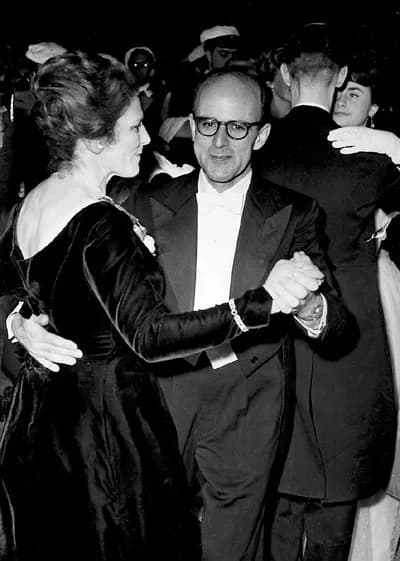
Max Perutz’s career was marked by a series of monumental achievements that reshaped the scientific world. Most notably, he shared the 1962 Nobel Prize for Chemistry with John Kendrew for their groundbreaking studies of the structures of haemoglobin and myoglobin. This award recognized their success in using X-ray crystallography to determine the three-dimensional structures of these vital proteins, a feat previously thought to be impossible.
Beyond the Nobel Prize, Perutz continued to receive significant recognition for his enduring contributions to science. He was awarded the Royal Medal of the Royal Society in 1971, an honor acknowledging his distinguished achievements in advancing natural knowledge. Further testament to his lasting impact came with the Copley Medal in 1979, the Royal Society’s premier award, recognizing his outstanding accomplishments across various fields of science.
A cornerstone of his legacy is the MRC Laboratory of Molecular Biology (LMB), which he founded in Cambridge and chaired from 1962 to 1979. Under his leadership, the LMB flourished, becoming a world-renowned center for scientific innovation. This institution has been extraordinarily successful, with fourteen of its scientists eventually winning Nobel Prizes, a testament to Perutz’s vision and leadership in fostering a vibrant research environment.
အပိုင်း 5 · 1995· အပိုင်း 5 / 7
Notable Works or Contributions
Perutz's dedication to understanding protein structure extended throughout his publishing career. His later work continued to explore the intricate relationship between protein structure and human health. Among his highly cited works is the 1995 paper, "Incorporation of glutamine repeats makes protein oligomerize: implications for neurodegenerative diseases," which has garnered 232 citations. This research offered crucial insights into the mechanisms underlying devastating conditions, linking molecular changes to disease progression.
He also delved into the specifics of protein interactions with papers like "Polar zipper sequence in the high-affinity hemoglobin of Ascaris suum: amino acid sequence and structural interpretation" (1992, 59 citations), and "Polar zippers" (1993, 38 citations). These works explored novel structural motifs and their functional significance. His 1995 publication, "Polar zippers: their role in human disease" (23 citations), further elaborated on how these specific protein structures contribute to various pathologies, cementing his influence in linking fundamental biochemistry to clinical relevance.
အပိုင်း 6 · 1979· အပိုင်း 6 / 7
Later Years
Even after concluding his chairmanship of the MRC Laboratory of Molecular Biology in 1979, Max Perutz remained an active and influential voice in the scientific community. He continued to contribute to research and scientific discourse, sharing his knowledge and experience. His presence continued to shape the direction of molecular biology, even as new generations of scientists built upon his foundational discoveries.
Max Perutz passed away on February 6, 2002, in Cambridge, United Kingdom. His death marked the end of an era for molecular biology, but his intellectual spirit and the scientific principles he championed continue to thrive. He left behind a legacy not just of discoveries, but also of mentorship and institution-building that propelled countless others to success.
အပိုင်း 7· အပိုင်း 7 / 7
Legacy and Impact
Max Perutz’s legacy is profound and far-reaching, fundamentally shaping the field of molecular biology. His work on haemoglobin and myoglobin not only earned him a Nobel Prize but also established protein crystallography as a critical tool for understanding biological function. This breakthrough opened new avenues for research into enzymes, viruses, and countless other biological systems, allowing scientists to visualize the molecular machinery of life.
Beyond his direct scientific contributions, Perutz's vision in establishing and leading the MRC Laboratory of Molecular Biology created an environment where cutting-edge research could flourish. The remarkable number of Nobel laureates who emerged from the LMB stands as a testament to his exceptional leadership and ability to foster scientific excellence. His influence continues to resonate through the scientists he inspired and the institutions he helped build, solidifying his place as one of the most important scientific figures of the 20th century.
အခိုက်အတန့်များတွင် ဘဝတစ်ခု
ဘဝတစ်ခုကို ပုံဖော်ပေးခဲ့သော အခိုက်အတန့်များ

FAQ
မေးလေ့ရှိသော
Max Perutz ဘယ်အချိန်က ကွယ်လွန်ခဲ့သလဲ?
Max Perutz သည် ၂၀၀၂ ဖေဖော်ဝါရီ ၆ တွင် Cambridge, United Kingdom၌ ကွယ်လွန်ခဲ့သည်။ ထိုအချိန်တွင် အသက် 87 နှစ်ရှိခဲ့သည်။
Max Perutz ဘယ်မှာ မွေးဖွားခဲ့သလဲ?
Max Perutz သည် Vienna, Austriaတွင် ၁၉၁၄ မေ ၁၉ ၌ မွေးဖွားခဲ့သည်။
Max Perutz သည် ဘာအတွက် အကျော်ကြားဆုံးလဲ?
Max Perutz သည် Austrian-born British molecular biologist အတွက် အကျော်ကြားဆုံးဖြစ်သည်။
Max Perutz ကွယ်လွန်ချိန်တွင် အသက်မည်မျှ ရှိခဲ့သနည်း?
Max Perutz ကွယ်လွန်ချိန်တွင် အသက် 87 နှစ်ရှိခဲ့သည်။
Max Perutz သည် မည်သည့်လူမျိုးဖြစ်သနည်း?
Max Perutz သည် Austria မှ ဖြစ်သည်။
အချိန်ဇယား
ဘဝတစ်ချက် ရှု့
ဓာတ်ပုံ ပန်းချီပြခန်း
ပုံများတွင် ဘဝတစ်ခု
polaroid တစ်ခုခုကို ဖြန့်ရန် ကလစ်နှိပ်ပါ · ဓာတ်ပုံ 25 ပုံ
QR ကုဒ်
ဤအတ္ထုပ္ပတ္တိကို မျှဝေရန်
ပုံနှိပ်ပြီး မျှဝေရန်
ဤအတ္ထုပ္ပတ္တိစာမျက်နှာသို့ လည်ပတ်ရန် စကင်ဖတ်ပါ။ ဖြစ်ရပ်များ၊ ပြပွဲများ သို့မဟုတ် ပညာရေးဆိုင်ရာ ပစ္စည်းများအတွက် ပုံနှိပ်ပါ။