Twieled
October 7, 1934
Oldenburg, Germany
Miet
May 9, 1976
Stuttgart, Germany
Magħruf Għal
German left-wing militant
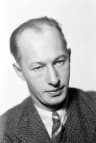
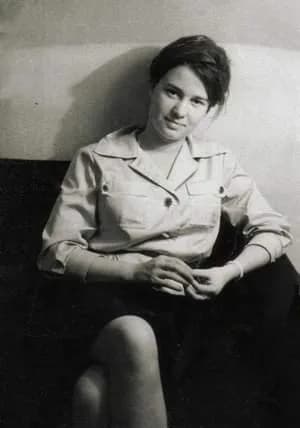
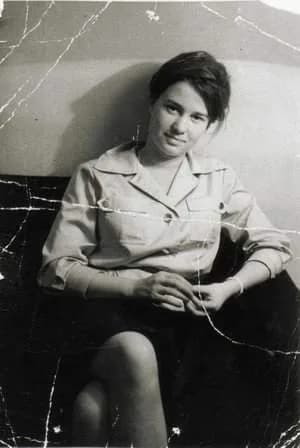
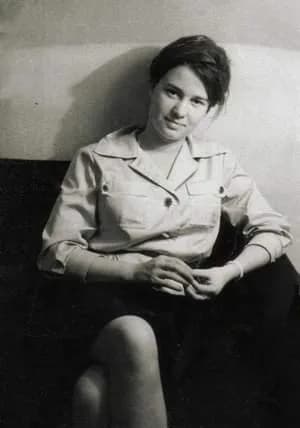
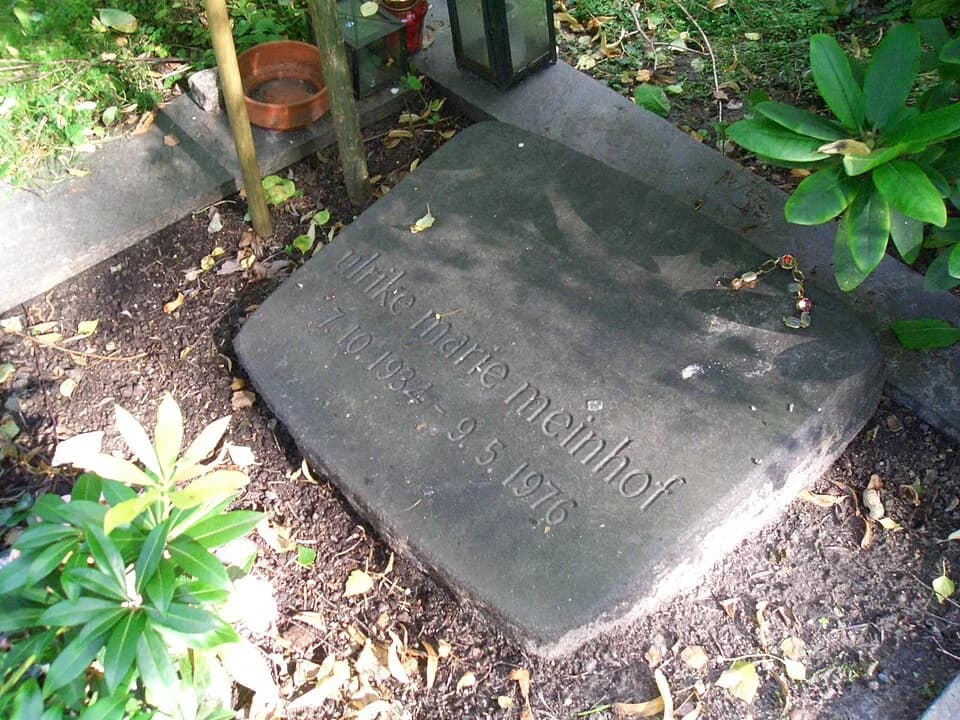
Ulrike Meinhof (1934–1976) was Germany best known for German left-wing militant.
Ulrike Meinhof (October 7, 1934 – May 9, 1976) was a German sociologist, journalist, and left-wing militant from Oldenburg. She co-founded the Red Army Faction and authored "The Urban Guerilla Concept." Her life significantly influenced radical left politics in West Germany.
Kapitlu
Kapitli tal-ħajja
Kapitlu 1 · 1934· Kapitlu 1 minn 6
Early Life and Origins
Born on October 7, 1934, in Oldenburg, Germany, Ulrike Meinhof's early years unfolded during a significant period in German history. While specific details about her family upbringing beyond her birthplace are not extensively provided, her environment likely contributed to her evolving intellectual and political consciousness. Her formative experiences in Germany would undoubtedly influence her later critical perspectives and public engagement.
Kapitlu 2· Kapitlu 2 minn 6
Career Beginnings
Before her deep involvement with militant activism, Ulrike Meinhof established herself as a respected professional in sociology, journalism, and writing. Her sharp intellect and articulate voice quickly made her a notable figure in West German media. She applied her analytical skills to critically dissect contemporary social issues, laying the groundwork for her later, more radical, political expressions.
Kapitlu 3 · 1971· Kapitlu 3 minn 6
Major Achievements and Career Highlights
Ulrike Meinhof is most recognized for her role as a founding member of the Red Army Faction (RAF). Her intellectual contributions to the RAF's ideology were substantial, notably through her authorship of "The Urban Guerilla Concept" in 1971. This manifesto traced the RAF's origins to the student movement, decisively condemned "reformism" as an obstacle to anti-capitalist struggle, and, referencing Mao Zedong, posited "armed struggle" as the highest form of Marxism-Leninism.
Kapitlu 4· Kapitlu 4 minn 6
Notable Works or Contributions
As a writer, Ulrike Meinhof produced a body of work reflecting her profound engagement with social and political themes. Her published works include "Flingue, conscience et collectif" and "Bambule - das Regiebuch," showcasing her literary and journalistic talents. Other significant titles include "Bambule. Fürsorge - Sorge für wen?", "Deutschland Deutschland unter anderm", and "Die Würde des Menschen ist antastbar." She also authored "Dokumente einer Rebellion," "Everybody talks about the weather-- we don't," "Letzte Texte," and "Mutinerie et autres textes d'Ulrike Meinhof," which collectively offer insight into her political philosophy and revolutionary fervor.
Kapitlu 5 · 1976· Kapitlu 5 minn 6
Later Years
Ulrike Meinhof's life concluded on May 9, 1976, when she died in Stuttgart, Germany. Her death occurred while she was imprisoned, marking the end of a highly controversial and impactful trajectory. Her final years were characterized by her leadership within the Red Army Faction and the intense legal and political scrutiny that followed.
Kapitlu 6· Kapitlu 6 minn 6
Legacy and Impact
Ulrike Meinhof's legacy remains a subject of considerable debate and historical analysis. As a central ideological architect and leader of the Red Army Faction, she exerted significant influence over certain segments of left-wing activism in West Germany. Her writings, especially "The Urban Guerilla Concept," stand as crucial documents for understanding the theoretical underpinnings of radical movements during that tumultuous period. She is remembered as a powerful, polarizing figure whose ideas and actions undeniably shaped a complex chapter of German political history.
Ħajja f’mumenti
Il-mumenti li sawru ħajja
FAQ
Mistoqsija frekwenti
Meta miet/mietet Ulrike Meinhof?
Ulrike Meinhof miet/mietet fil-9 ta’ Mejju 1976 f{place}} other {}}{hasAge, select, yes {, fl-età ta 41 sena.
Fejn twieled/twieldet Ulrike Meinhof?
Ulrike Meinhof twieled/twieldet f{place}{hasDate, select, yes { fil-{date, date, long}} other {}}.
Għal xiex hu/hi l-aktar magħruf(a) Ulrike Meinhof?
Ulrike Meinhof hu/hi l-aktar magħruf(a) għal German left-wing militant.
Kemm kellu/kellha snin Ulrike Meinhof meta miet/mietet?
Ulrike Meinhof kellu/kellha 41 sena meta miet/mietet.
X'kienet in-nazzjonalità ta' Ulrike Meinhof?
Ulrike Meinhof kien/kienet minn Germany.
Linja taż-żmien
Ħajja b’ħarsa
Gallerija tar-ritratti
Ħajja f’ritratti
Ikklikkja kwalunkwe polaroid biex tespandi · 34 ritratti
Kodiċi QR
Aqsam Din il-Bijografija
Stampa u Aqsam
Skennja biex iżżur din il-paġna bijografika. Stampah għal avvenimenti, esibizzjonijiet, jew materjal edukattiv.