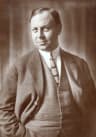
Twieled
July 23, 1899
Schwelm, Germany
Miet
July 7, 1976
Essen, Germany
Magħruf Għal
German politician, President of Germany 1969–1974
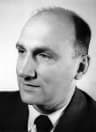
Gustav Heinemann (1899–1976) was Germany best known for German politician, President of Germany 1969–1974.
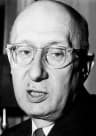
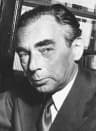
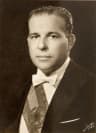
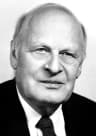
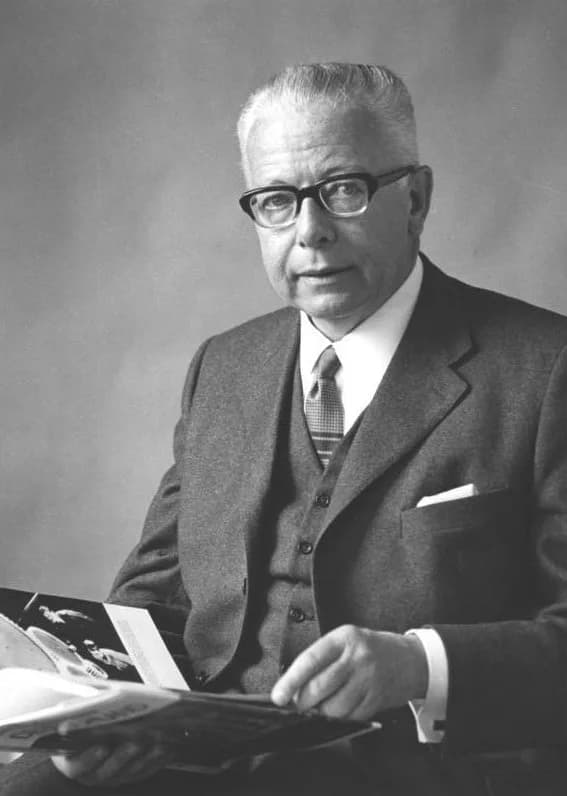
Gustav Heinemann (July 23, 1899 – July 7, 1976) was a German politician, lawyer, and theologian. He served as President of West Germany from 1969 to 1974, following terms as mayor of Essen and various ministerial positions. His leadership helped shape post-war German democracy.
Kapitlu
Kapitli tal-ħajja
Kapitlu 1 · 1899· Kapitlu 1 minn 7
Early Life and Origins
Gustav Heinemann was born on July 23, 1899, in Schwelm, Germany. His early academic pursuits were diverse and foundational, encompassing studies in both law and theology. This unique intellectual background provided him with a broad perspective, influencing his later approaches to politics and justice.
Kapitlu 2 · 1946· Kapitlu 2 minn 7
Career Beginnings
Heinemann began his professional life as a lawyer, a profession that honed his analytical skills and understanding of societal structures. His transition into politics began in the post-war era, where he quickly took on significant leadership roles. His first major political office was as the mayor of Essen, serving from 1946 to 1949, a crucial period for rebuilding local governance in Germany.
Kapitlu 3 · 1949· Kapitlu 3 minn 7
Major Achievements and Career Highlights
His political career saw him ascend through several key positions within the West German government. Following his tenure as mayor, Heinemann served as the West German Minister of the Interior from 1949 to 1950, a role vital in shaping the nascent nation's domestic policy. Later, he returned to federal politics as the Minister of Justice from 1966 to 1969, where he focused on legal reform and upholding the rule of law. The culmination of his service was his election as President of West Germany, holding the office from 1969 to 1974, representing the nation on the highest stage.
Kapitlu 4· Kapitlu 4 minn 7
Personal Life
While Gustav Heinemann's public life and professional achievements are well-documented, specific details regarding his personal life, family, or hobbies are not extensively provided in the available information. His dedication to his various professions and public roles suggests a life primarily focused on his commitments to the German state and its people.
Kapitlu 5· Kapitlu 5 minn 7
Notable Works or Contributions
Throughout his career, Heinemann made significant contributions to West Germany's development. As Minister of the Interior, he played a role in establishing security and administrative frameworks for the young republic. His work as Minister of Justice demonstrated his dedication to a fair and just legal system, critical for a democratic society. As President, he acted as a moral authority and a unifying figure, articulating democratic values and fostering civic engagement during his five-year term.
Kapitlu 6 · 1974· Kapitlu 6 minn 7
Later Years
Gustav Heinemann concluded his term as President of West Germany in 1974. He passed away two years later, on July 7, 1976, in Essen, Germany. His life concluded following a distinguished career dedicated to the service of his country.
Kapitlu 7· Kapitlu 7 minn 7
Legacy and Impact
Gustav Heinemann is remembered as an enduring symbol of integrity and democratic conviction in West Germany. His long and varied career, transitioning from lawyer to theologian and eventually to head of state, underscores his deep commitment to public service and justice. He is celebrated for his role in strengthening West German democracy and for embodying the values of civic liberty and social responsibility.
Ħajja f’mumenti
Il-mumenti li sawru ħajja
FAQ
Mistoqsija frekwenti
Meta miet/mietet Gustav Heinemann?
Gustav Heinemann miet/mietet fil-7 ta’ Lulju 1976 f{place}} other {}}{hasAge, select, yes {, fl-età ta 76 sena.
Fejn twieled/twieldet Gustav Heinemann?
Gustav Heinemann twieled/twieldet f{place}{hasDate, select, yes { fil-{date, date, long}} other {}}.
Għal xiex hu/hi l-aktar magħruf(a) Gustav Heinemann?
Gustav Heinemann hu/hi l-aktar magħruf(a) għal German politician, President of Germany 1969–1974.
Kemm kellu/kellha snin Gustav Heinemann meta miet/mietet?
Gustav Heinemann kellu/kellha 76 sena meta miet/mietet.
X'kienet in-nazzjonalità ta' Gustav Heinemann?
Gustav Heinemann kien/kienet minn Germany.
Linja taż-żmien
Ħajja b’ħarsa
Gallerija tar-ritratti
Ħajja f’ritratti
Ikklikkja kwalunkwe polaroid biex tespandi · 50 ritratti
Kodiċi QR
Aqsam Din il-Bijografija
Stampa u Aqsam
Skennja biex iżżur din il-paġna bijografika. Stampah għal avvenimenti, esibizzjonijiet, jew materjal edukattiv.