Twieled
April 13, 1743
Shadwell, United States
Miet
July 4, 1826
Monticello, United States
Magħruf Għal
Founding Father, U.S. president from 1801 to 1809
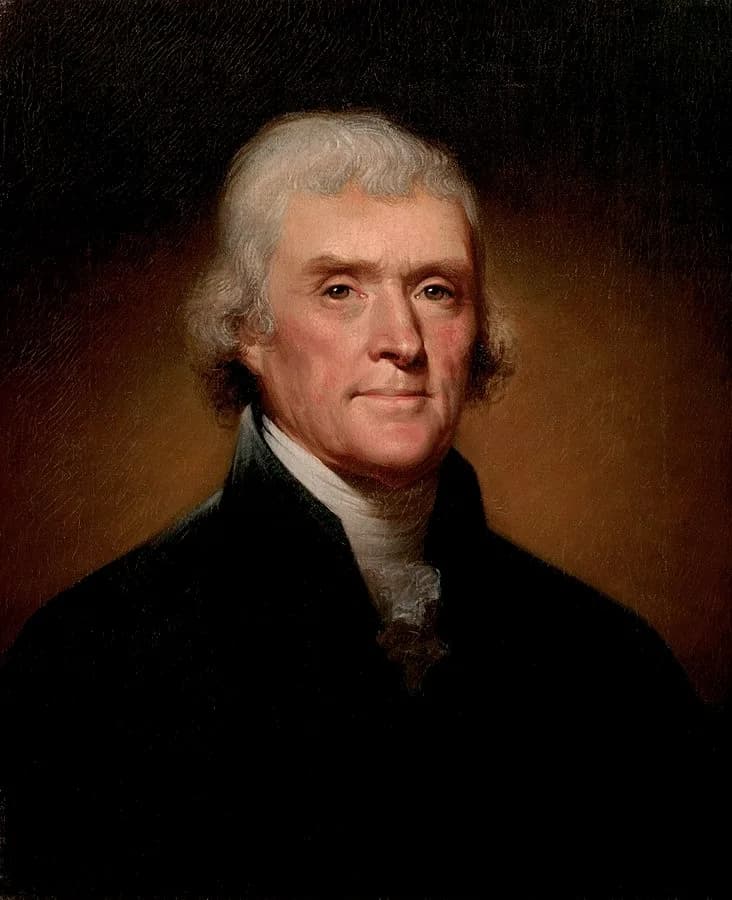
Thomas Jefferson (1743–1826) was United States best known for Founding Father, U.S. president from 1801 to 1809.
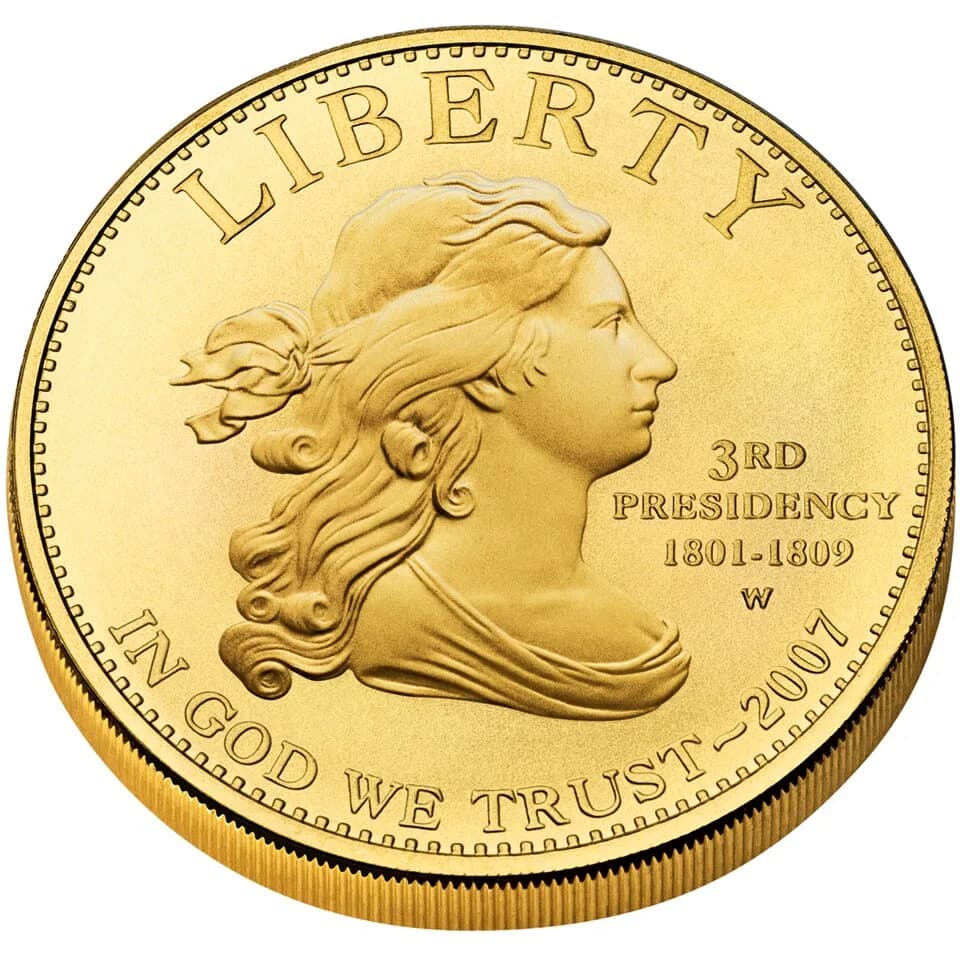
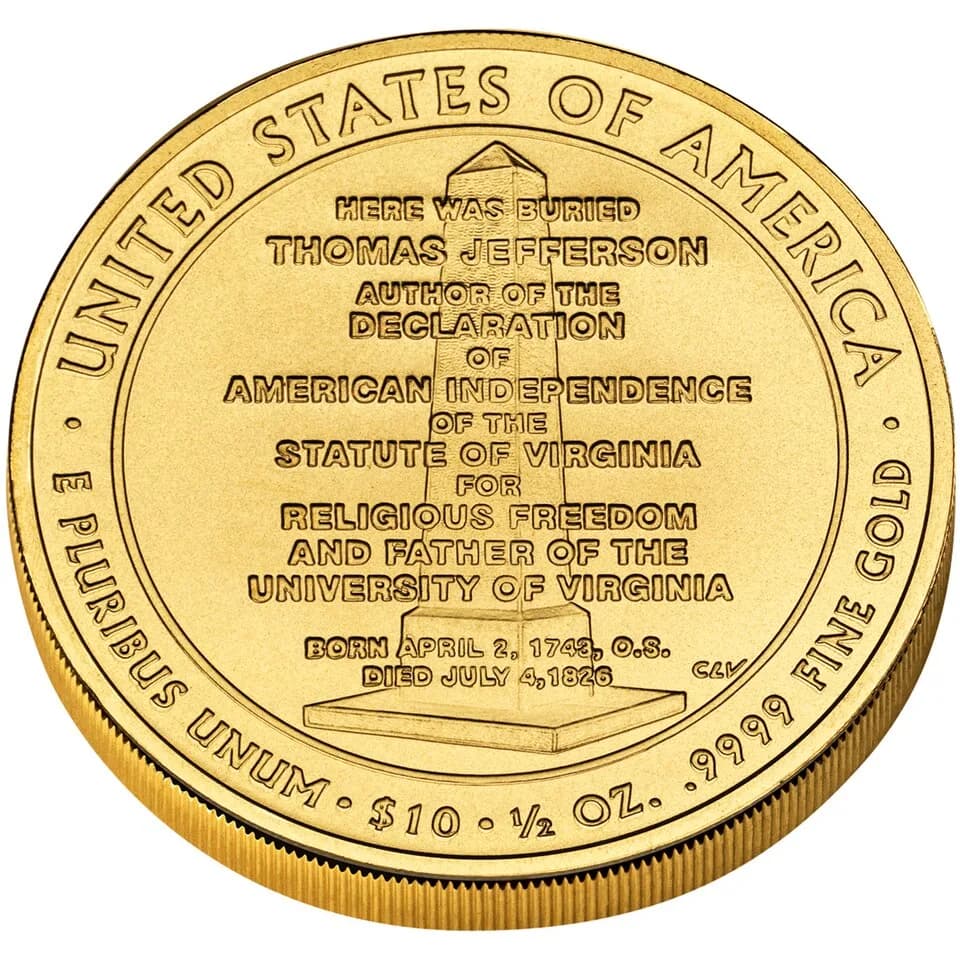
Thomas Jefferson (April 13, 1743 – July 4, 1826) was an American Founding Father and statesperson from Shadwell, United States. He was the principal author of the Declaration of Independence and served as the third U.S. president from 1801 to 1809. His vision shaped the early republic and its foundational documents.
Ħajja f’mumenti
Il-mumenti li sawru ħajja
Kapitlu
Kapitli tal-ħajja
Kapitlu 1· Kapitlu 1 minn 6
Early Life and Origins
Thomas Jefferson entered the world in Shadwell, United States, into the planter class, a significant social and economic position in colonial Virginia. His early environment fostered a rich intellectual curiosity, laying the groundwork for his diverse professional pursuits.
Though specific details of his early family life are not extensively provided in the given information, his eventual roles as a teacher, lawyer, and philosopher suggest a deep and broad education. This foundation allowed him to develop into a highly learned individual across many disciplines.
Kapitlu 2· Kapitlu 2 minn 6
Career Beginnings
Jefferson's journey into public service began with his legal training, quickly establishing him as a lawyer and draftsperson. His early political inclinations became evident, leading him into the sphere of colonial politics.
One of his initial influential writings was "A summary view of the rights of British America...", which articulated arguments against British rule. This work showcased his abilities as a writer and laid the groundwork for his later, more famous declarations regarding American independence.
Kapitlu 3 · 1776· Kapitlu 3 minn 6
Major Achievements and Career Highlights
A defining moment in Jefferson's career, and in American history, was his role as the principal author of the Declaration of Independence in 1776. This document formally declared the colonies' separation from Great Britain, articulating foundational principles of liberty and self-governance that continue to define the nation.
Following the Revolution, Jefferson served as governor, a diplomat, and a foreign minister, representing the nascent United States abroad. His experience in diplomacy and his statespersonship honed his skills for national leadership.
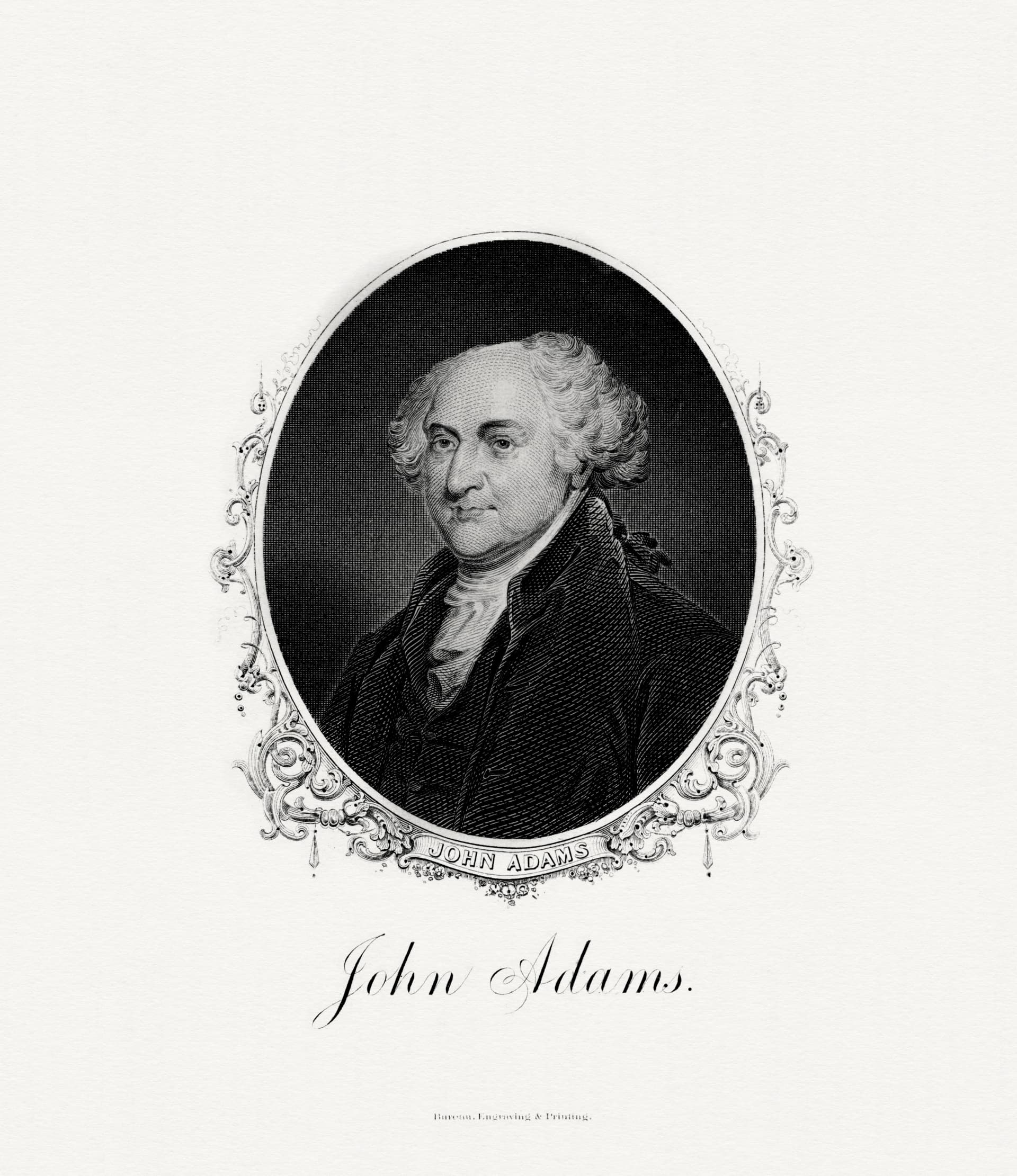
He further served as the second Vice President under John Adams from 1797 to 1801, gaining experience at the highest level of executive government. This period prepared him for his own presidency, which began in 1801 and lasted until 1809, during which time he guided the young republic through significant growth and challenges.
Kapitlu 4· Kapitlu 4 minn 6
Notable Works or Contributions
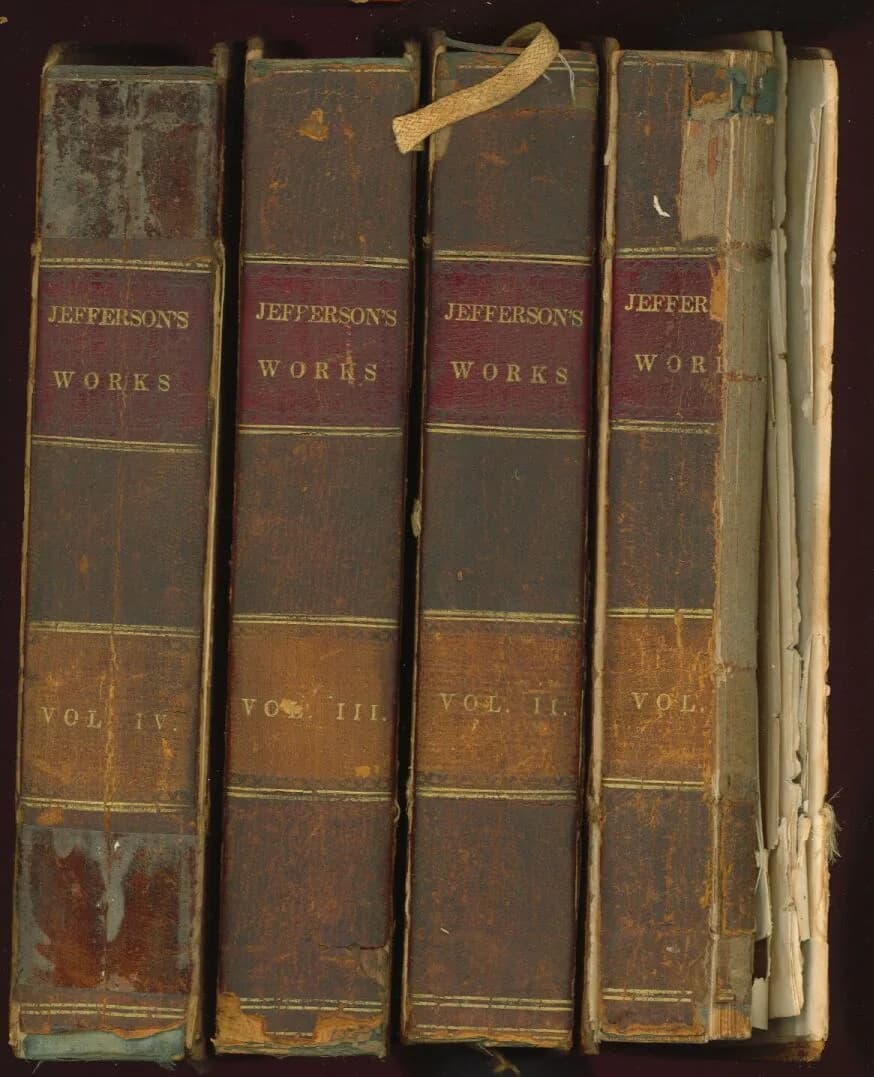
Beyond his political offices, Jefferson was an exceptionally prolific writer and thinker. His works include significant governmental documents such as "Message from the President of the United States" and "A message from the President of the United States to Congress", reflecting his active role in governance.
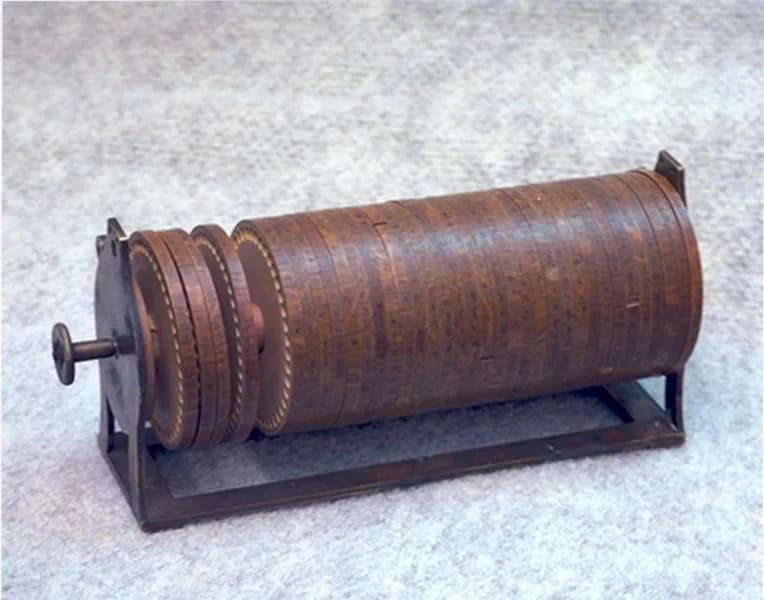
His intellectual breadth spanned numerous fields, evidenced by his engagement as an inventor, cryptographer, paleontologist, and archaeologist. His interest in cartography is seen in works like "[A map of the United States east of the Mississippi River in which the land ceded by the Treaty of Paris is divided by parallels of latitude and longitude into fourteen new states]", demonstrating his vision for the nation's expansion.
Jefferson's "Catalogue" and "A fine arts library" hint at his personal scholarly pursuits and his passion for knowledge and culture. He also left behind writings on complex social issues, including "Slavery in the South", reflecting the challenging debates of his era. Later, "The Monroe doctrine", a foundational foreign policy stance, also bears his name and influence.
Kapitlu 5 · 1809· Kapitlu 5 minn 6
Later Years
After concluding his second term as president in 1809, Thomas Jefferson retired from formal public office to his beloved home, Monticello, in the United States. His final years were spent pursuing his intellectual interests, managing his estate, and engaging in voluminous correspondence.
He maintained an active mind, continuing his roles as an architect and philosopher. Thomas Jefferson passed away on July 4, 1826, fifty years to the day after the adoption of the Declaration of Independence, a coincidence shared with John Adams.
Kapitlu 6· Kapitlu 6 minn 6
Legacy and Impact
The legacy of Thomas Jefferson is vast and continues to resonate in the United States and beyond. As the principal author of the Declaration of Independence, his words enshrined universal principles of human rights and self-governance that have inspired movements worldwide.
His presidency saw significant territorial expansion and consolidation of the young nation's democratic institutions. Moreover, his contributions as a jurist, inventor, and architect demonstrate a spirit of innovation and a commitment to public service across many disciplines, leaving a rich historical record of his diverse intellectual pursuits and lasting influence on American ideals.
FAQ
Mistoqsija frekwenti
Meta miet/mietet Thomas Jefferson?
Thomas Jefferson miet/mietet fil-4 ta’ Lulju 1826 f{place}} other {}}{hasAge, select, yes {, fl-età ta 83 sena.
Fejn twieled/twieldet Thomas Jefferson?
Thomas Jefferson twieled/twieldet f{place}{hasDate, select, yes { fil-{date, date, long}} other {}}.
Għal xiex hu/hi l-aktar magħruf(a) Thomas Jefferson?
Thomas Jefferson hu/hi l-aktar magħruf(a) għal Founding Father, U.S. president from 1801 to 1809.
Kemm kellu/kellha snin Thomas Jefferson meta miet/mietet?
Thomas Jefferson kellu/kellha 83 sena meta miet/mietet.
X'kienet in-nazzjonalità ta' Thomas Jefferson?
Thomas Jefferson kien/kienet minn United States.
Linja taż-żmien
Ħajja b’ħarsa
Gallerija tar-ritratti
Ħajja f’ritratti
Ikklikkja kwalunkwe polaroid biex tespandi · 22 ritratti
Kodiċi QR
Aqsam Din il-Bijografija
Stampa u Aqsam
Skennja biex iżżur din il-paġna bijografika. Stampah għal avvenimenti, esibizzjonijiet, jew materjal edukattiv.